This article examines brown coal (lignite), commonly referred to as power-grade lignite, describing its geological nature, global distribution, mining and processing methods, economic and industrial roles, environmental impacts and the technological and policy trends shaping its future. The following sections provide a comprehensive overview — from physical and chemical characteristics to regional statistics, the importance of lignite for electricity generation, and the challenges posed by climate policy and energy transition.
Geology, Characteristics and Technical Properties
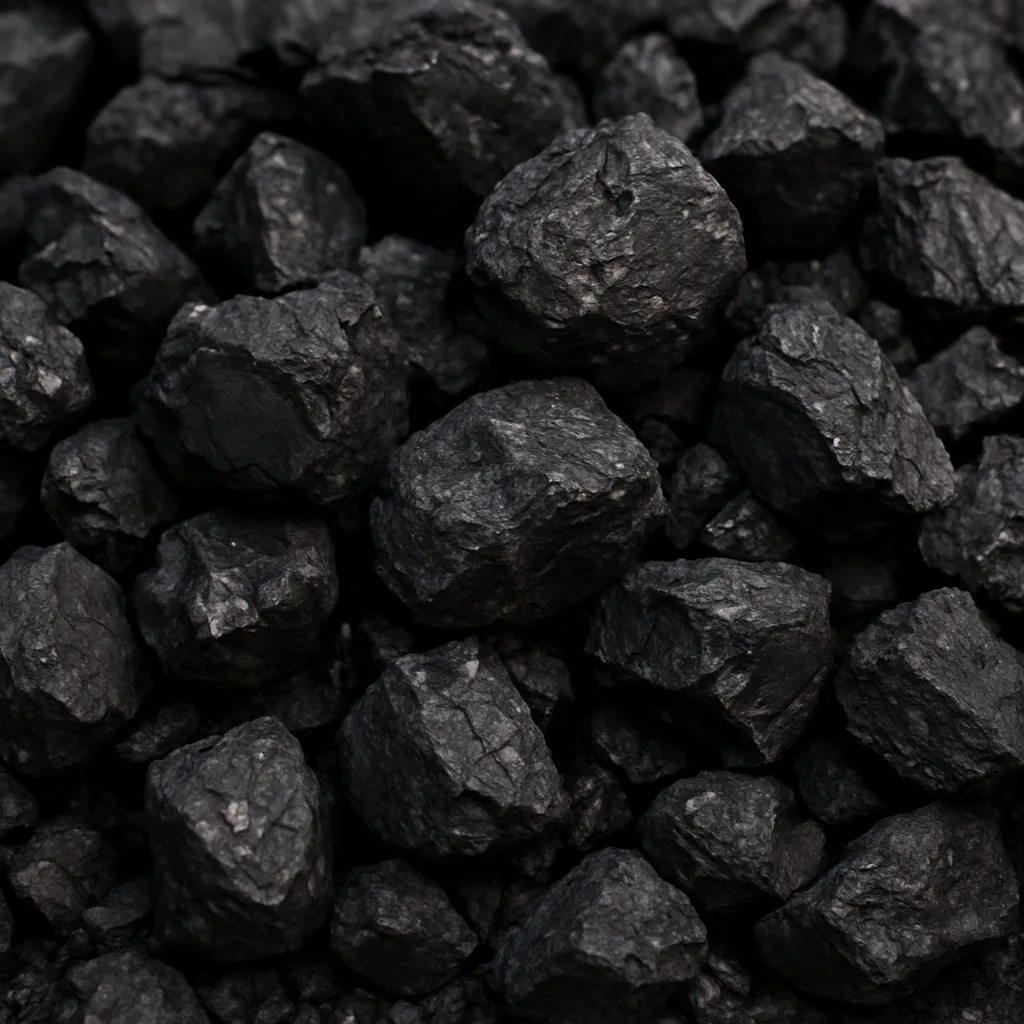
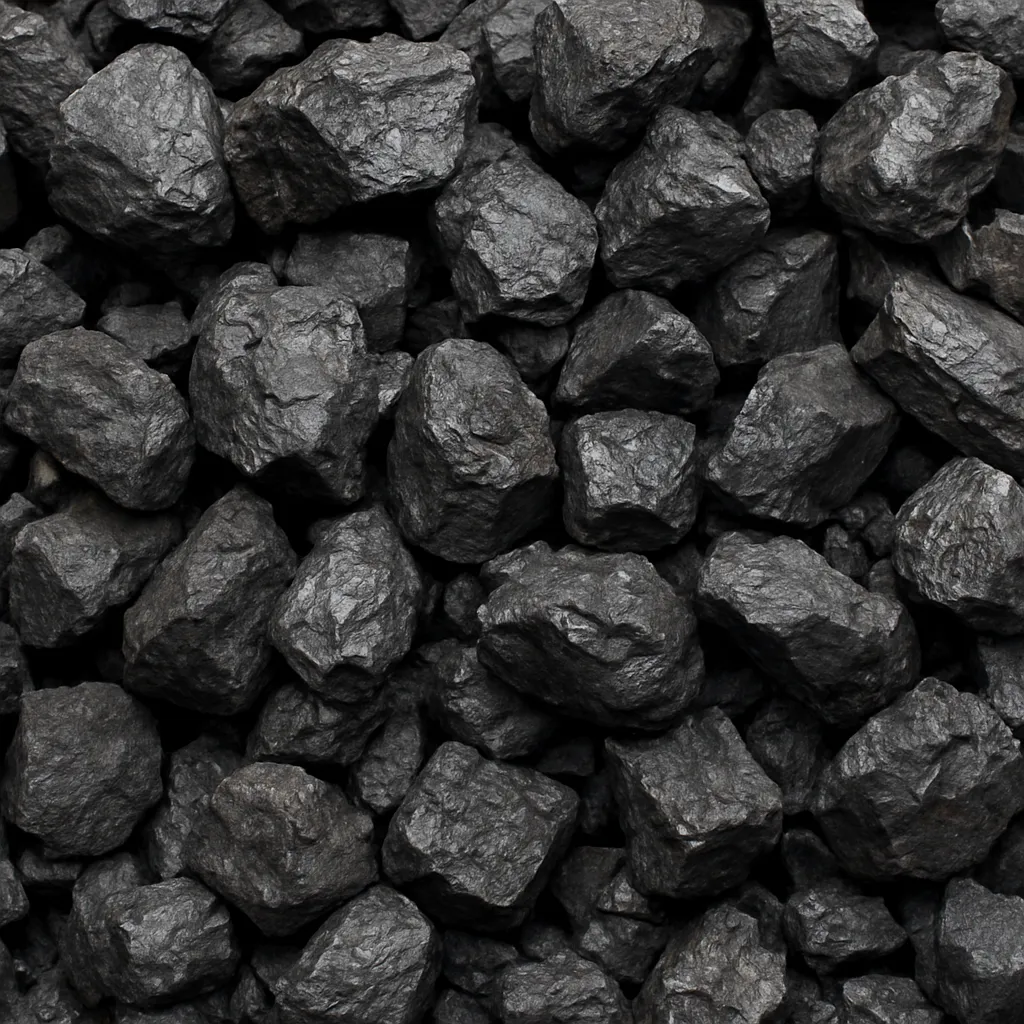
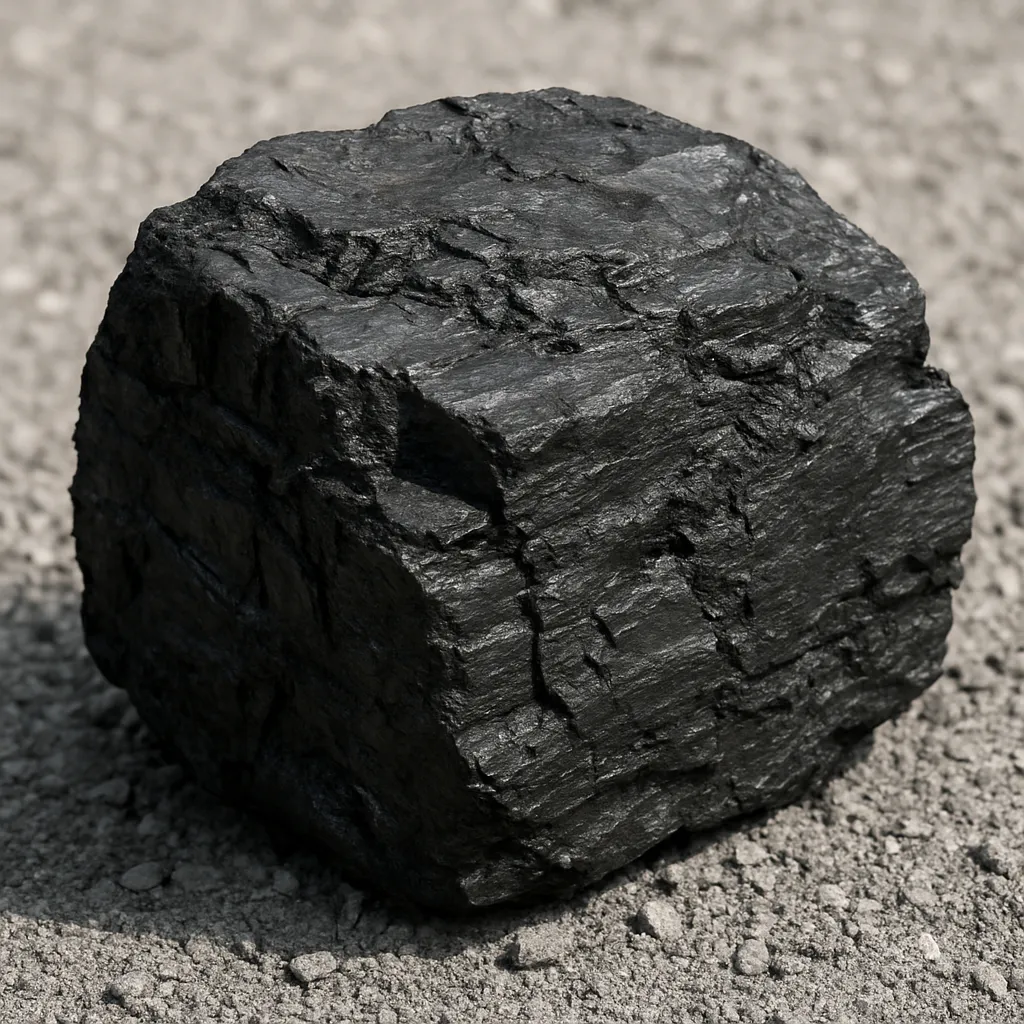
Lignite is a low-rank form of coal formed during the early stages of coalification, typically from the Tertiary period organic deposits. It occupies an intermediate position between peat and sub-bituminous coal and is characterized by a high moisture content, relatively low carbon content, and a lower calorific value compared with higher-rank coals. Typical technical properties of lignite include:
- Moisture content: commonly between 30% and 70% (wet basis), which reduces heating value and raises transport and drying costs.
- Calorific value: generally ranges from about 8–20 MJ/kg (roughly 2,000–5,000 kcal/kg) depending on deposit and rank.
- Ash content and sulfur: variable by deposit; some lignites contain significant ash and low to moderate sulfur.
- Volatile matter: high volatile matter content, making combustion behavior different from harder coals.
Because of its high moisture and friability, lignite is predominantly used in nearby power plants as a mine-mouth fuel; long-distance transport is uneconomical unless the lignite is upgraded (dried or briquetted) or converted to a gas or liquid. Modern combustion technologies for lignite include atmospheric and pressurized fluidized bed combustion and specially designed pulverized-fuel boilers. Lignite is also a candidate for gasification and other conversion routes, including combined heat and power systems in district heating areas.
Global Distribution and Major Mining Regions
Worldwide, lignite deposits are extensive but geographically concentrated in certain regions that experienced shallow, wetland-rich sedimentation in the Tertiary and Late Cretaceous. Major lignite-bearing regions include parts of Europe, North America, Australia and Asia. Notable production and reserve centers are:
- Germany: The largest historic producer of lignite in Europe, with major deposits in the Rhenish (Rhineland) and Lusatian basins. German lignite is primarily used for large mine-mouth power plants in the Rhineland and eastern regions.
- Poland: Significant deposits include the Bełchatów and Konin areas. The Bełchatów open-pit mine supplies one of Europe’s largest single power plants.
- Czech Republic and Greece: Important lignite fields support regional power generation; Greece historically used lignite extensively in Ptolemaida and Florina areas.
- Turkey: Large indigenous lignite resources are widely distributed and a key fuel for domestic power generation and energy security.
- United States: North Dakota and Texas contain substantial lignite deposits that feed thermal power plants, particularly in the U.S. interior.
- Australia: The Latrobe Valley in Victoria is renowned for very high-moisture brown coal, historically central to Victoria’s electricity supply.
- Russia and parts of Asia: Several basins with extensive low-rank coal resources.
Production statistics vary by year and source, but as a broad indication: global lignite and brown-coal production totaled on the order of several hundred million to around one billion tonnes per year in the early 2020s. In Europe, lignite historically supplied a large share of coal-fired electricity; major single-site examples include the Bełchatów power plant (mine-mouth) and German opencast complexes in the Rhineland.
Mining Methods and Mine Infrastructure
Lignite is most commonly extracted by open-pit or strip mining because deposits are often shallow and extensive. Typical features of lignite mining include:
- Large-scale removal of overburden by bucket-wheel excavators and draglines in European and Australian operations.
- Progressive mining with adjacent mine-mouth thermal power plants to minimize costs for transport and drying.
- Use of conveyors, heavy-duty trucks and rail for short-distance transport from pit to plant.
- Landscape changes requiring elaborate reclamation, groundwater management and social measures for relocated communities when surface mines expand.
Modern lignite mines are often integrated with power station infrastructure, enabling continuous supply chains but also creating concentrated environmental and economic exposure in single regions. Reclamation and after-use of exhausted mine sites can include lakes, recreation areas, industrial zones or reforestation, but costs and timeframes are substantial.
Economic Role and Industrial Importance
Lignite has been a cornerstone of electricity generation in many countries because of its low extraction cost, domestic availability and role in energy security. Key economic aspects include:
- Cost competitiveness: Lignite’s low market price per tonne and proximity to mine-mouth power plants can provide low short-run marginal costs for electricity generation, making it attractive for base-load generation.
- Regional employment: Lignite mining and associated power generation create substantial local employment and regional economic activity, especially in areas with limited alternative industries.
- Price stability and import substitution: Countries with domestic lignite resources rely on them to reduce dependence on imported fuels and to stabilize energy prices.
- Investment and stranded asset risk: Long-lived investments in lignite-fired plants and mines are increasingly exposed to regulatory risks (carbon pricing, emissions limits), social opposition and market shifts toward renewables.
From a fiscal perspective, lignite-generating regions often benefit from royalties, taxes and local development funds; conversely, they also bear costs related to health impacts, environmental mitigation and eventual mine reclamation.
Statistics, Trends and Selected Figures
Available figures for the early 2020s indicate the following broad patterns (approximate values):
- Global production of lignite and brown coal measured in the hundreds of millions of tonnes annually; estimates vary by source but commonly fall in a range up to ~900–1,000 million tonnes per year when combined with sub-bituminous categories in some statistics.
- Major producing countries include Germany, Russia, Turkey, the United States, Poland, Greece and Australia; in Europe, lignite accounted for an important fraction of coal-fired electricity generation through the 2010s.
- Large single installations: The Bełchatów power plant in Poland is one of Europe’s largest lignite-fired plants (capacity on the order of several gigawatts), and several German opencast sites historically produced over 100 million tonnes of lignite annually combined.
- Emissions intensity: Lignite-fired power plants typically emit more carbon dioxide per unit of electricity than higher-rank coals. Representative numbers for whole-plant emissions can range around 0.9–1.2 kg CO2/kWh, depending on plant technology and fuel moisture.
Because classification and reporting differ between agencies (some combine lignite with sub-bituminous coal categories), precise global totals should be interpreted carefully. Regional trends in the 2010s and early 2020s showed declining lignite use in parts of Western Europe due to climate policies, while use in other regions remained steady or increased slightly where new plants replaced older units or where energy demand grew.
Environmental and Climate Considerations
Lignite combustion is associated with several environmental challenges:
- Greenhouse gas emissions: Lignite has among the highest CO2 emissions per unit of energy because of its high moisture and low calorific value. Per kWh produced, lignite can exceed higher-rank coals in CO2 intensity.
- Air pollution: Lignite combustion can produce SO2, NOx, particulate matter and mercury emissions; modern plants use flue-gas desulfurization, low-NOx burners and particulate filters to meet regulatory limits.
- Local environmental impacts: Large-scale surface mining transforms landscapes, affects groundwater and requires relocation or compensation for local populations. Dust, noise and visual impacts are significant during operations.
- Water use: Some lignite-fired power plants and mines have notable water requirements for cooling, dust suppression and processing, which can stress local water resources.
Policy responses to lignite’s environmental footprint include coal phase-out plans, emissions trading and carbon pricing, investment in renewables, and research into mitigation technologies such as carbon capture and storage (CCS). CCS remains technically feasible but expensive, and deployment at scale for lignite plants has been limited by economics and regulatory frameworks.
Technological Pathways, Upgrading and Alternatives
Several technical approaches exist to reduce the environmental footprint or to make lignite more useful in a low-carbon context:
- Pre-drying and briquetting: Removing moisture and compacting lignite into denser forms improves transportability and increases calorific value per unit mass.
- Gasification: Lignite can be converted into syngas for use in combined-cycle gas turbines, chemical feedstocks or liquid fuels. Gasification can be combined with carbon capture more readily than direct combustion.
- Fluidized bed combustion: This technology accommodates lower-rank fuels and allows for better emission controls and fuel flexibility.
- Co-firing and fuel blending: Mixing lignite with biomass or higher-grade coal can lower net CO2 intensity per MWh.
- Carbon capture: Post-combustion capture, oxy-fuel combustion and pre-combustion capture (in gasification routes) are possible technical solutions, but they increase cost and energy penalty.
Economic viability of these pathways depends on carbon prices, regulatory incentives, fuel prices and long-term policy certainty. Where carbon costs are low or absent and local employment depends on lignite, investments in retrofits or cleaner lignite technologies can be attractive; where ambitious climate goals exist, transition strategies tend to favor retirement and replacement with renewables and storage.
Socioeconomic and Policy Dimensions
The lignite sector is often at the center of energy-policy debates because it combines cheap, domestic energy with significant environmental impacts and concentrated social-economic dependencies. Policy themes include:
- Just transition: Governments and international institutions increasingly emphasize support for workers and regions affected by mine and plant closures through retraining, investments and social safety nets.
- Energy security vs. decarbonization: Policymakers must weigh the short-term reliability of mine-mouth lignite supply against long-term climate commitments.
- Subsidies and market distortion: Historically, some lignite operations have benefited from regulated tariffs or implicit subsidies; reform of these mechanisms changes the competitive landscape.
- Legal and social acceptance: Community opposition, litigation on environmental grounds and changing investor sentiment (ESG criteria) affect investment in new lignite capacity.
Examples of policy action include planned coal phase-outs in several European countries, dedicated funds for structural transformation in coal regions (e.g., EU’s Just Transition Fund), and incentives for repurposing mine sites for renewable energy installations or industrial uses.
Case Studies and Notable Examples
Bełchatów, Poland
One of the most emblematic lignite operations, the Bełchatów mine and power plant complex supplies a substantial portion of Poland’s electricity from lignite. The power plant’s capacity is in the multi-gigawatt range and the mine produces tens of millions of tonnes of lignite annually. This integrated mine-mouth operation exemplifies both the economic benefits and the environmental challenges of large-scale lignite use.
Rhineland and Lusatia, Germany
Large opencast mines in these German basins historically supplied a significant fraction of the country’s coal-based generation. Germany’s announced coal phase-out and associated transition packages illustrate how national policy can drive rapid structural shifts in lignite-dominated regions.
Latrobe Valley, Australia
The Latrobe Valley’s high-moisture brown coal was central to Victoria’s electricity system. Closures and transitions in the region underscore the economic and community consequences when plants and mines are retired.
Outlook and Conclusions
The future of power-grade lignite is shaped by a complex interplay between local economic dependencies, national energy strategies, global climate commitments and technological options. Key tendencies include:
- Decline in parts of Western Europe where climate policy, carbon pricing and social consensus favor rapid transition away from lignite-fired power.
- Continued use in regions where lignite is abundant, policy support for domestic fuels is strong, or where alternatives are costly or undeveloped.
- Technological solutions (drying, briquetting, gasification, CCS) could extend the life or reduce the carbon intensity of lignite, but they face economic and scalability hurdles.
- Intense focus on just transition mechanisms to manage social and economic impacts in communities dependent on mining and lignite-fired generation.
In sum, lignite remains an important energy source in multiple countries because of its reserves, low extraction costs and role in regional economies. At the same time, lignite is one of the more carbon- and emission-intensive fossil fuels, which places it at the center of climate mitigation debates. The balance between short-term energy needs, long-term environmental goals and the social imperative of equitable transitions will determine the pace and manner in which lignite’s role in the global energy mix evolves in the coming decades.