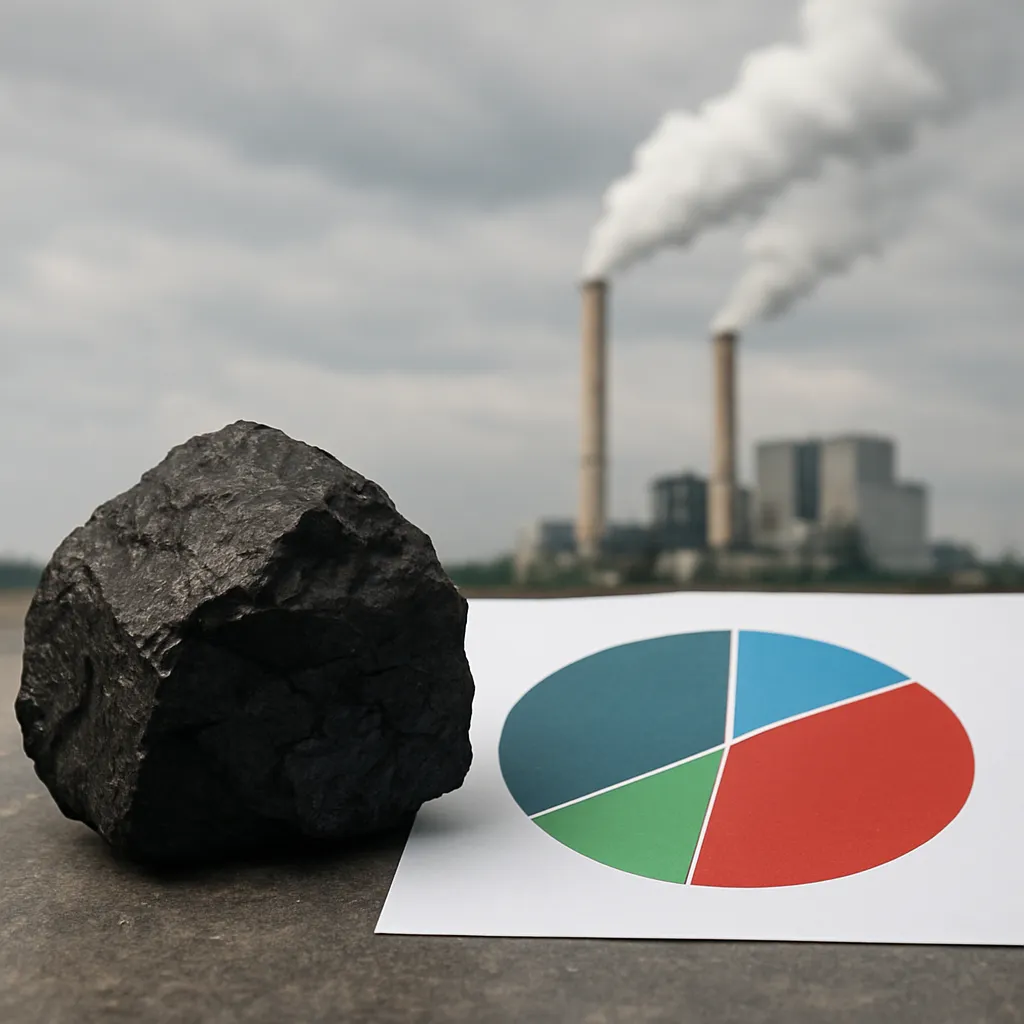
The fossil fuel sector has witnessed profound shifts over recent decades, yet coal remains an integral component of global energy portfolios. Its extensive reserves, established infrastructure, and economic significance continue to drive debate among analysts, investors, and policymakers. Understanding the current landscape, the dynamics of coal stocks, and projections to 2050 is critical for coherent strategic planning in both corporate boardrooms and government chambers.
Evolution of the Global Coal Landscape
The historical ascent of coal traces back to the Industrial Revolution, when it powered steam engines and furnaces, catalyzing unprecedented urban growth. Today, coal supplies approximately 27 percent of the world’s primary energy and nearly 37 percent of electricity. Key producers include China, India, the United States, Australia, and Indonesia, countries with abundant reserves and well-established mining operations.
Despite aggressive decarbonization efforts, rising populations and industrialization in emerging markets sustain growth in coal demand. In contrast, OECD nations have pursued reduced coal dependence, shifting toward gas, renewables, and nuclear. This bifurcation in consumption trends underpins divergent outlooks across regions:
- Asia-Pacific: Continued expansion for industrial and power generation.
- Europe: Phase-out plans, aging fleets, and carbon pricing measures.
- North America: Retirement of coal-fired units offset by selective investments in cleaner technologies.
Coal Stocks and Investment Dynamics
Publicly traded coal stocks offer investors access to commodity exposure, yet they face volatility tied to regulatory, environmental, and market pressures. A nuanced understanding of this equity class necessitates examining:
- Price Drivers: Thermal coal prices correlate with power demand, weather patterns, and competition from gas and renewables.
- Regulatory Risks: Emission caps, carbon taxes, and stricter environmental standards can erode profit margins.
- Operational Costs: Labor, transportation, and reclamation obligations impact overall unit economics.
Institutional investors often debate whether coal equities still provide attractive dividends and growth prospects, or if they represent stranded asset risk. Portfolio managers assess:
- Balance sheet strength and cash flow generation
- Geographical diversification to mitigate policy volatility
- Commitment to low-emission technologies, such as carbon capture and storage (CCS)
Technological Innovations and Environmental Considerations
Advances in mining, power generation, and emission control have reshaped the coal sector’s environmental footprint. Notable developments include:
- Ultra-supercritical (USC) plants that achieve higher efficiencies and lower emissions.
- Integrated gasification combined cycle (IGCC) systems allowing cleaner conversion of coal to electricity.
- Deployment of carbon capture and storage technologies to curb CO₂ output.
Environmental regulations, public pressure, and investor activism have catalyzed momentum toward sustainable mining and generation practices. Key environmental variables shaping the industry’s trajectory are:
- Greenhouse gas emission targets under the Paris Agreement
- Water usage constraints and land rehabilitation mandates
- Community engagement and social license to operate
Outlook to 2050: Projections and Strategic Implications
Forecasts for coal’s share of the global energy mix by 2050 diverge depending on policy ambition, technological breakthroughs, and regional demand patterns. The International Energy Agency’s scenarios illustrate potential pathways:
- Stated Policies Scenario: Coal demand plateaus then gradually declines, retaining roughly one-fifth of electricity generation.
- Sustainable Development Scenario: Accelerated transition reduces coal’s share below 15 percent, driven by rigorous carbon constraints and renewable penetration.
- Net Zero Emissions by 2050 Scenario: Coal use drastically contracts, with unabated power plants phased out and CCS deployed at scale for remaining installations.
For mining companies and utilities, these scenarios inform strategic priorities:
- Diversification into natural gas, renewables, and hydrogen production
- Investment in advanced carbon mitigation solutions to prolong the life of existing assets
- Reassessment of exploration projects with higher extraction costs or limited logistical access
Investment Themes and Risk Management
Allocation to coal-related assets demands an integrated approach balancing yield potential and long-term viability. Several themes dominate current investment discourse:
Yield versus Transition Risk
High-yield coal equities and bonds attract income-focused investors, yet such instruments face heightened transition risk as economies shift away from carbon-intensive fuels. Robust stress testing and scenario analysis help gauge resilience under diverse policy environments.
Green Financing and Sustainability Linked Instruments
Issuance of sustainable bonds by coal producers underscores efforts to fund emission reduction initiatives. These instruments often tie interest rates or principal adjustments to performance against ESG (environmental, social, governance) metrics, embedding incentives for cleaner operations.
Portfolio Integration and Hedging
Prudent portfolio construction may employ a combination of coal equities, commodity futures, and derivatives to hedge against market swings and regulatory shocks. Cross-commodity arbitrage with natural gas and power derivatives further refines risk-return profiles.
Regional Spotlight: Asia’s Enduring Demand
Asia-Pacific remains the epicenter of coal consumption growth, driven largely by China and India. Factors sustaining demand include:
- Rapid urbanization and industrial capacity expansion
- Affordability and reliability advantages over intermittent renewables
- Domestic locomotive for regional port and rail development
However, both governments have signaled increased support for renewables and nuclear, suggesting coal’s dominance may wane if investments in alternative generation accelerate. In parallel, stringent air quality norms could expedite retirements of older, inefficient plants.
Policy Frameworks and Geopolitical Underpinnings
Government policies and international agreements will profoundly shape coal’s trajectory. Elements include:
- Carbon pricing mechanisms to internalize emissions costs
- Subsidies for clean energy technologies, creating competitive pressure
- Trade tariffs, export restrictions, and security considerations affecting coal flows
Geopolitical tensions may complicate supply chains, particularly in regions reliant on seaborne coal. Ensuring energy security while honoring climate commitments presents a delicate balancing act for policymakers around the globe.
Strategic Takeaways for Stakeholders
As stakeholders evaluate coal’s future, several imperatives emerge:
- Continuous monitoring of policy shifts and carbon pricing trajectories
- Active engagement with technological partners to pilot innovative emission reduction solutions
- Dynamic asset allocation responsive to demand signals and regulatory stress tests
- Strengthening social license through community investment and environmental stewardship
By aligning operational strategies with evolving market and policy landscapes, companies and investors can navigate the uncertainties surrounding coal, optimizing returns while contributing to a balanced energy transition.