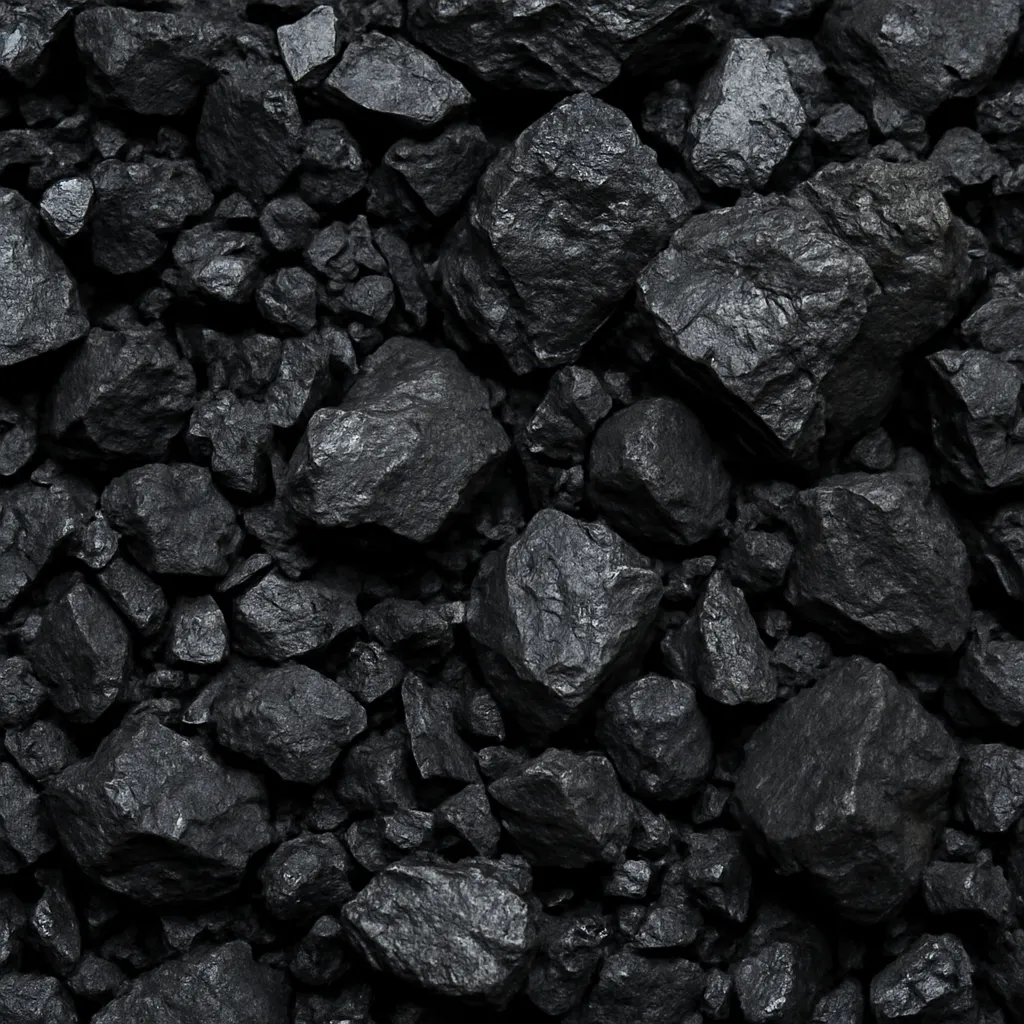
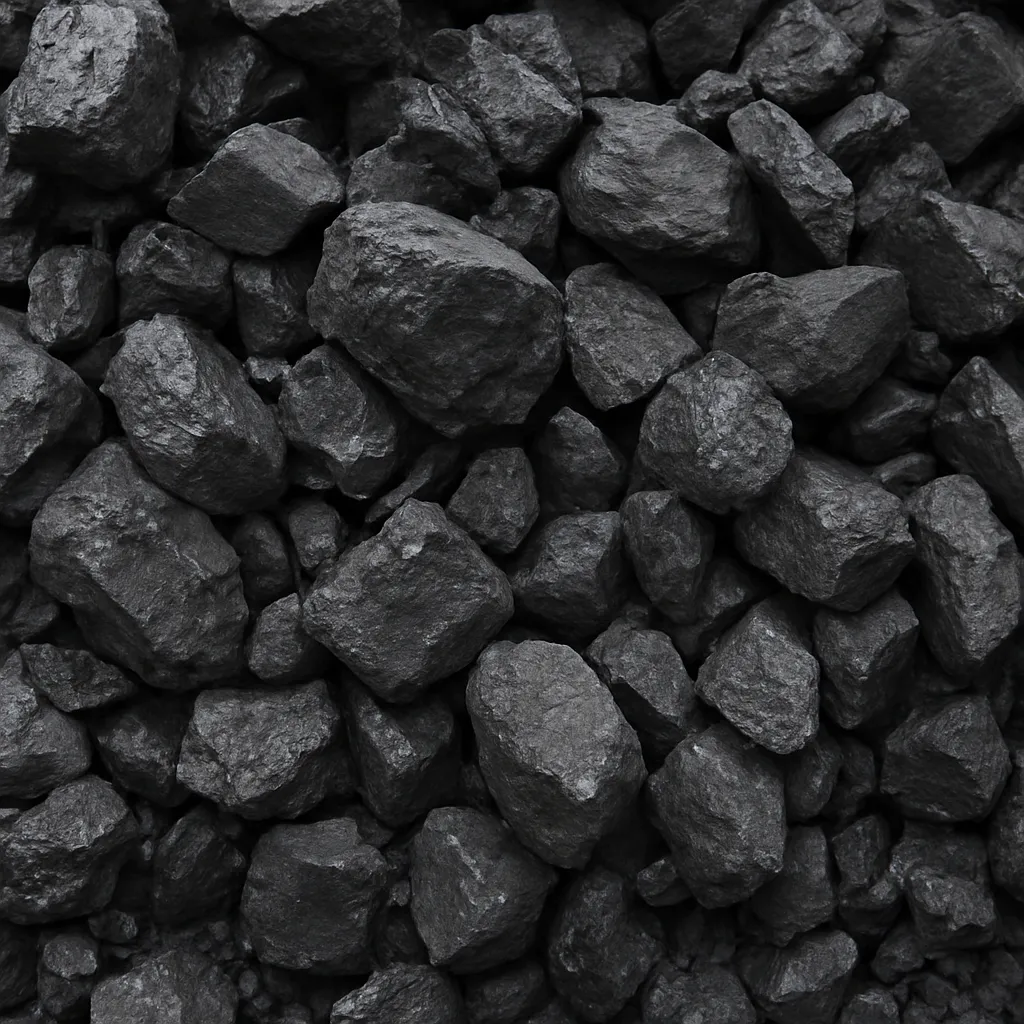
Coal slurry is an often-overlooked but highly consequential component of the coal industry: a mixture of fine coal particles, water and mineral matter produced during coal washing, handling and combustion processes. This article explains what coal slurry is, how and where it appears, how it is managed and reused, its economic and industrial significance, the environmental and safety challenges it creates, and current trends and technologies aimed at minimizing its impact and maximizing material recovery.
What is coal slurry and how does it form?
Coal slurry is a semi-liquid mixture composed primarily of finely ground coal particles suspended in water, together with non-combustible mineral matter, clay and sometimes chemical additives introduced during processing. It is produced in several parts of the coal value chain:
- During coal preparation (beneficiation) plants, where raw run-of-mine coal is washed and sized, fine fractions that cannot be separated economically by dry methods are flushed away as slurry.
- In handling and transport (conveyor washdown, rail car cleaning), fines and wash water form slurries.
- As a by-product of coal combustion or gasification processes, where fly ash and bottom ash can be sluiced to form ash slurry (technically different but often discussed alongside mining slurry).
The physical properties of slurry—viscosity, solids concentration and particle size distribution—depend on the coal type, the washing process, and the presence of clays or other gangue minerals. Slurry solids concentrations typically range from a few percent up to 60–70% by weight for purpose-designed coal-water slurries used as fuel; waste slurries from preparation plants often fall between 10% and 40% solids by weight.
Where it occurs and how it is generated
Coal slurry is ubiquitous wherever coal is mined, processed, transported or burned at scale. Major coal-producing regions that generate large volumes of slurry include:
- East Asia (especially China), where both huge mining volumes and large-scale coal washing operations produce slurry and where coal-water slurry fuel (CWSF) technologies have been developed.
- South and Southeast Asia, including India, where coal washing and handling yield significant washery wastes and slurries.
- North America (the United States and Canada), where historical and modern mines and coal preparation plants have created numerous slurry impoundments and tailings ponds.
- Russia, Australia, South Africa and other major producers where beneficiation and coal handling likewise generate slurries.
Although coal is mined from solid seams, slurry itself is not a natural geological deposit that is “mined.” Instead, it is an industrial waste stream formed during post-extraction processes. It accumulates in tailings ponds, slurry impoundments, decant lagoons and sometimes in abandoned mine areas where washwater and fine particles were historically discharged.
Economic and industrial significance
Coal slurry has a complex economic profile: on one hand it represents a loss of valuable fuel and a cost burden in terms of storage, treatment and environmental liabilities; on the other hand, it is a resource that can be recovered or converted into saleable products if appropriate technologies are applied.
- Resource recovery: Fine coal in slurry can often be recovered by dewatering, centrifugation, flocculation and fine-particle separation technologies. Recovering even a few percentage points of lost fuel increases the yield of a preparation plant and improves overall economics.
- Fuel applications: Coal-water slurry fuel (CWSF) and coal-oil-water emulsions can substitute for heavy fuel oil in boilers and power plants. Typical CWSF formulations contain 40–70% coal solids and are engineered to be pumpable and combust relatively cleanly when properly atomized.
- By-product valorization: Slurry solids can be pelletized or briquetted for use as composite fuels or as feedstock for gasification and pyrolysis processes, producing syngas, hydrogen or liquid fuels.
- Cost and liability: Maintaining tailings impoundments, treating seepage and reclaiming ponds are substantial operational costs. Failure or contamination events can result in major cleanup bills, fines and litigation, which can run into the tens or hundreds of millions of dollars for significant incidents.
From a macroeconomic perspective, the global scale of coal production makes slurry management a material issue. Global coal output has been on the order of roughly 7.5–8 billion tonnes annually in recent years, with a large share produced by China, India, the United States, Australia and Russia. Even a modest percentage of lost or sidestream fine coal translates to tens or hundreds of millions of tonnes of slurry solids produced each year worldwide.
Statistics and scale — approximate figures and trends
Exact, up-to-date global statistics on slurry volumes are not consolidated in a single public dataset, since slurry is a by-product and reporting practices vary by jurisdiction. However, the following approximate figures and trends provide a sense of scale:
- Global coal production: roughly 7–8 billion tonnes per year (varies by year and data source).
- Washery rejects and fine coal losses: depending on deposit quality and beneficiation practice, the fraction of mined coal that becomes fine rejects/slurry commonly ranges from about 5% to 20% of run-of-mine tonnage; in some low-quality or high-ash seams it can be considerably higher.
- Slurry impoundment volumes: individual tailings ponds often hold from hundreds of thousands to several tens of millions of cubic meters of slurry and water; the largest impoundments associated with millions of tonnes of solids.
Because coal use and production remain concentrated in certain geographies, those regions also concentrate slurry volumes and legacy impoundments. For example, many older coal basins in Eastern Europe, Appalachia (USA), Central China and parts of India have numerous legacy slurry ponds requiring monitoring or reclamation.
Environmental, health and safety concerns
Coal slurry creates several environmental and public safety challenges:
- Water contamination: Slurry impoundments can leach dissolved salts, heavy metals and other contaminants into groundwater and surface water if liners, seepage controls or treatment systems are inadequate.
- Tailings dam failures: Catastrophic releases of slurry have caused fatalities, property damage and long-term ecological harm. Notable mining-related slurry and sludge events (including ash and sludge from combustion facilities) illustrate the risks of poor containment:
- Buffalo Creek flood (West Virginia, 1972) — a coal waste impoundment failure that resulted in significant loss of life and property; the disaster led to changes in regulatory attention to impoundment safety.
- Martin County sludge spill (Kentucky, USA, 2000) — the release of around 306 million gallons of coal slurry into waterways, causing extensive environmental damage and prompting stricter oversight and cleanup requirements.
- Kingston Fossil Plant ash spill (Tennessee, USA, 2008) — while primarily coal combustion residuals rather than mine slurry, the release of approximately 1.1 billion gallons of ash slurry highlighted the severe consequences of containment failure.
- Air quality and dust: When slurry is dewatered or dried for briquetting or disposal, fine particulate matter can become airborne unless controlled.
- Land use and instability: Slurry ponds occupy land and can present geotechnical hazards, particularly as ponds age or are sited on unstable ground.
- Legacy liabilities: Abandoned ponds and tailings facilities often become long-term environmental liabilities requiring monitoring, capping and remediation.
Management, treatment and reuse technologies
To reduce environmental risk and recover economic value, operators and researchers employ a variety of approaches to manage and treat coal slurry:
Physical separation and dewatering
Mechanical dewatering (centrifuges, filter presses, belt presses) combined with chemical flocculants is commonly used to concentrate slurry solids and reduce water content. Dewatered cake can be more easily transported, stabilised or processed further.
Fine particle recovery
Advanced beneficiation technologies—such as froth flotation, column flotation, hydrocyclones and enhanced gravity separation—are applied to recover fine coal particles from slurry, increasing combustible yield and reducing disposal volumes.
Briquetting and pelletising
Dewatered fine coal can be compressed into briquettes or pellets using binders. These products can be sold as composite fuels or as metallurgical feedstocks depending on quality.
Thermochemical conversion
Gasification and pyrolysis of slurry or slurry-derived solids produce syngas, hydrogen, liquid fuels and chemical feedstocks. Such pathways can add value but require capital-intensive infrastructure.
Coal-water slurry fuel (CWSF)
CWSF is an engineered fuel consisting of pulverized coal suspended in water with stabilizers and sometimes surfactants. It can be pumped through pipelines and burned in specially adapted boilers. Historically, CWSF has been developed extensively in China and explored in other countries as a way to displace oil or heavy fuel oil in industrial boilers.
Containment, treatment wetlands and passive systems
For seepage and residual water, combinations of constructed wetlands, treatment lagoons, aeration and active chemical treatment reduce contaminants before discharge. Long-term closure plans for impoundments include capping, vegetation and monitoring.
Industrial uses and markets
Reusing slurry-derived products can serve diverse markets:
- Power generation: briquettes or CWSF as alternative fuels.
- Cement and construction materials: ash and certain dewatered solids can be blended into cement clinker or used as aggregates when chemically and physically suitable.
- Metallurgical feedstock: fine coal with appropriate properties can be briquetted for coke-making or used in blast furnace injectants.
- Gasification feedstock: slurry-derived fuels can feed integrated gasification combined cycle (IGCC) plants or chemical synthesis units.
Market acceptance depends on price, regulatory drivers (e.g., limits on disposal), technological readiness and competing alternatives such as imported fuels or renewables.
Regulatory landscape and policy drivers
Regulation of slurry management varies by country but generally covers aspects of tailings dam design, monitoring, water discharge quality and reclamation obligations. Major policy drivers affecting slurry management include:
- Environmental protection standards: stricter water and soil quality regulations increase the cost of releasing untreated slurry and incentivize recovery technologies.
- Liability and financial assurance: many jurisdictions require operators to post bonds or financial guarantees to cover closure and remediation, internalizing long-term costs.
- Resource efficiency and circular economy goals: policies promoting waste minimization and material recovery encourage reuse of slurry solids.
- Energy transition: as countries shift toward lower-carbon energy mixes, the economics of recovering slurry as a fuel may change; however, recovery for non-combustion uses (construction materials, gasification for chemicals) can retain value.
Notable incidents and lessons learned
High-profile slurry and sludge incidents have raised public awareness and regulatory scrutiny. Key lessons drawn from past events include:
- The critical importance of sound geotechnical design, routine inspection and independent oversight of impoundments.
- The need for emergency planning and community engagement to reduce human risk in the vicinity of facilities.
- The value of investing in recovery and treatment technologies to reduce stored volumes and potential impacts.
- That legacy impoundments can pose multi-decade liabilities requiring sustained funding and monitoring.
Economic costs and potential benefits of improved management
Quantifying the economic impacts of slurry management involves balancing direct costs (treatment, containment, monitoring, remediation) against recovered value (fuel recovery, saleable by-products) and avoided liabilities (fines, cleanup expenses, loss of social license). General observations include:
- Recovery of fine coal can materially improve plant economics: even a few percentage points of recovered coal increases saleable tonnage and reduces disposal costs.
- Investments in dewatering and briquetting equipment typically have multi-year payback horizons that improve when disposal costs or environmental penalties rise.
- Failure to manage slurry responsibly can produce outsized costs: cleanup and litigation from major releases can exceed operating profits of small operators and severely impact larger firms’ balance sheets.
Research trends and innovations
Current research and commercial developments aim to reduce water use, enable higher recovery rates and open new product pathways:
- Advanced flocculants and tailored polymers that improve thickening and reduce water content in dewatered cakes.
- Novel separation methods such as enhanced gravity and column flotation optimized for sub-0.5 mm particles.
- Cold bonding and agglomeration processes that convert fine coal into transportable aggregates without high-temperature drying.
- Integration of slurry valorization with renewable energy systems (e.g., using waste heat from plants to dry and process fines, or coupling gasification to chemical production).
Outlook and conclusions
Coal slurry will remain an important technical and environmental challenge as long as large-scale coal mining and coal-fired energy systems operate. However, improving economics, stricter environmental rules and innovation create strong incentives to convert slurry from a liability into an asset. Key priorities going forward include:
- Implementing robust design and monitoring of tailings impoundments to minimize the risk of catastrophic failure.
- Investing in recovery and dewatering technologies to reclaim lost fuel and reduce waste volumes.
- Developing markets for slurry-derived products—briquettes, construction materials, gasified products—that create revenue streams to offset treatment costs.
- Addressing legacy ponds through planned reclamation to eliminate long-term liabilities and restore land and water quality.
In short, coal slurry sits at the intersection of resource efficiency, environmental protection and industrial innovation. With informed policy, sound engineering and targeted investment, slurry can be managed safely and, in many cases, transformed into economically useful material—reducing waste, mitigating environmental harm and improving the overall sustainability of coal-related operations.