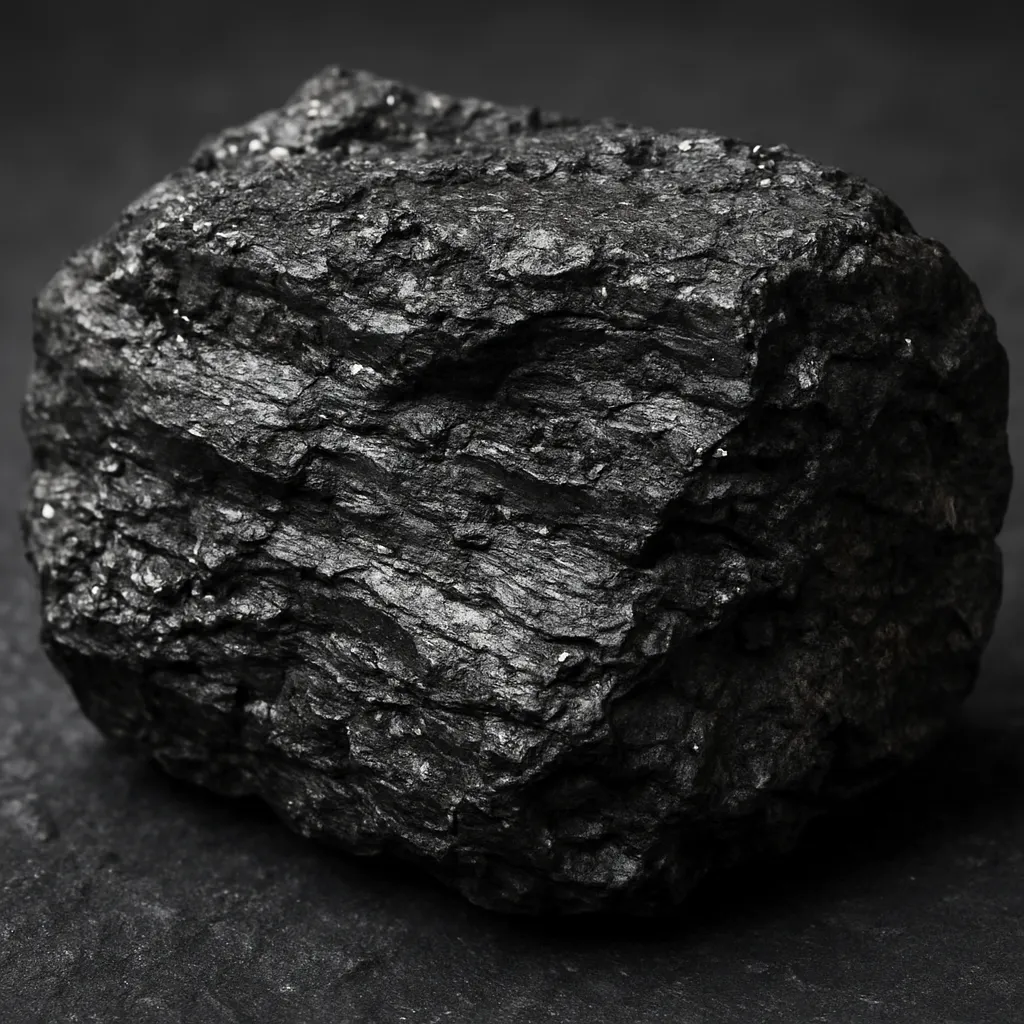
Coal with high liptinite content
This article examines coals that are unusually rich in liptinite macerals — a group of organic constituents in coal that derive from spores, cuticles, resins and algal materials. Such coals…

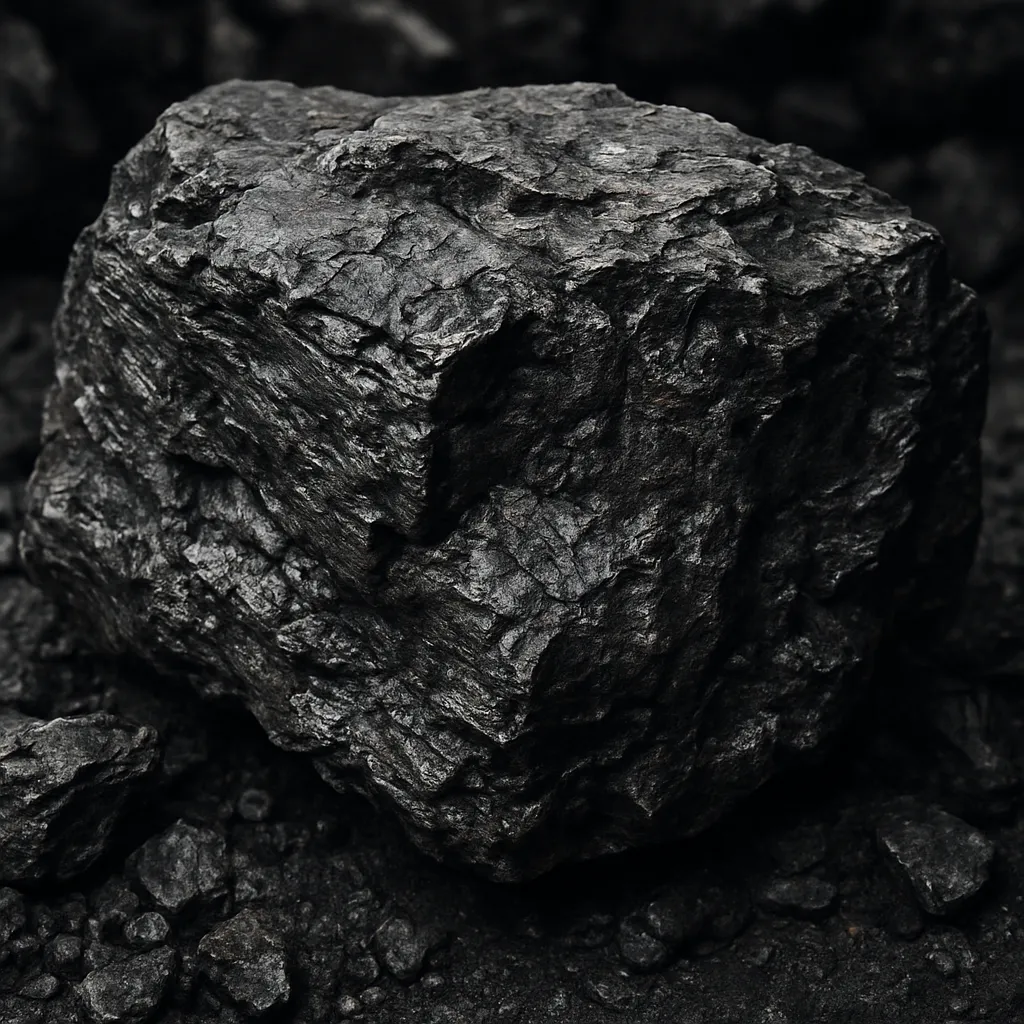
Coal with high inertinite content
Coal characterized by a high content of inertinite macerals represents a distinct and economically important subset of the world’s coals. These coals carry a record of past environmental conditions, pose…

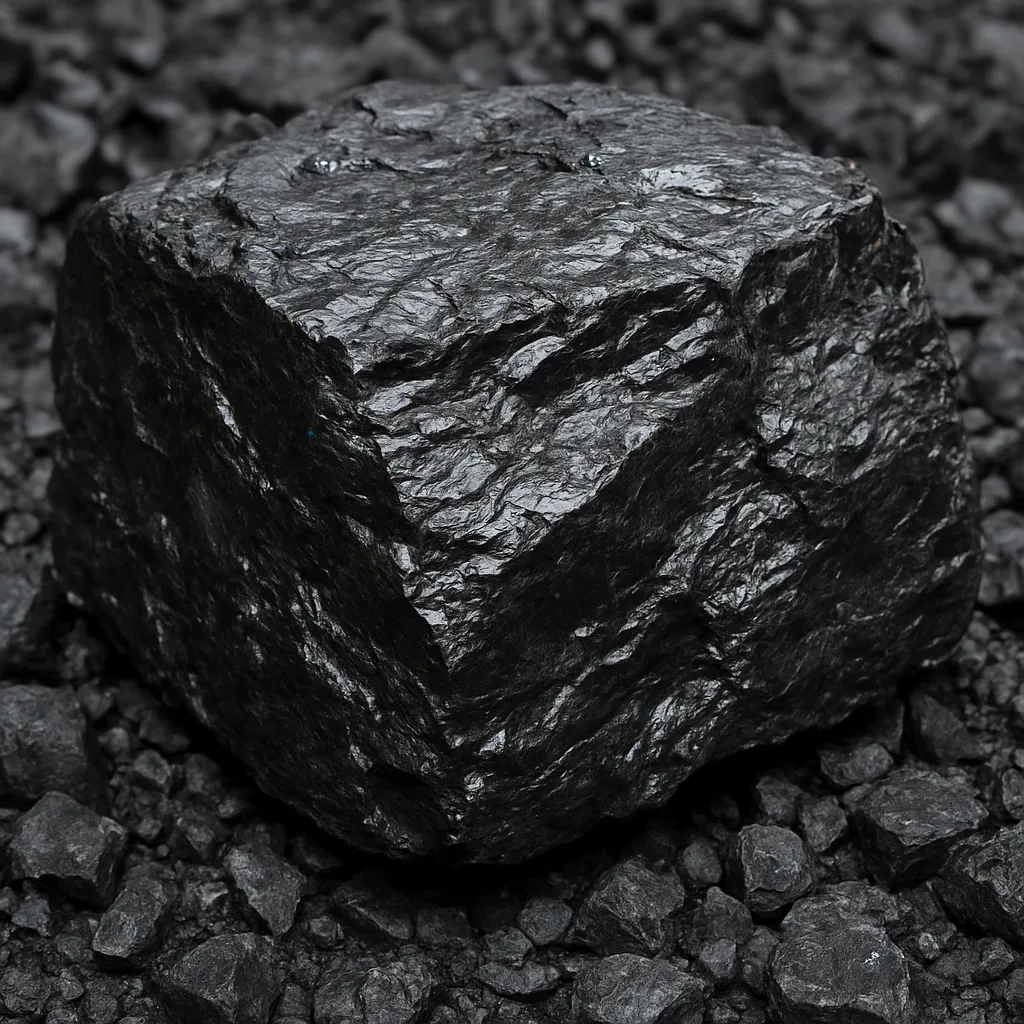
Coal with high vitrinite content
Coal with high vitrinite content represents a distinct and economically important category of coal whose physical and chemical characteristics influence its use across power generation, metallurgical processes, chemical conversion and…

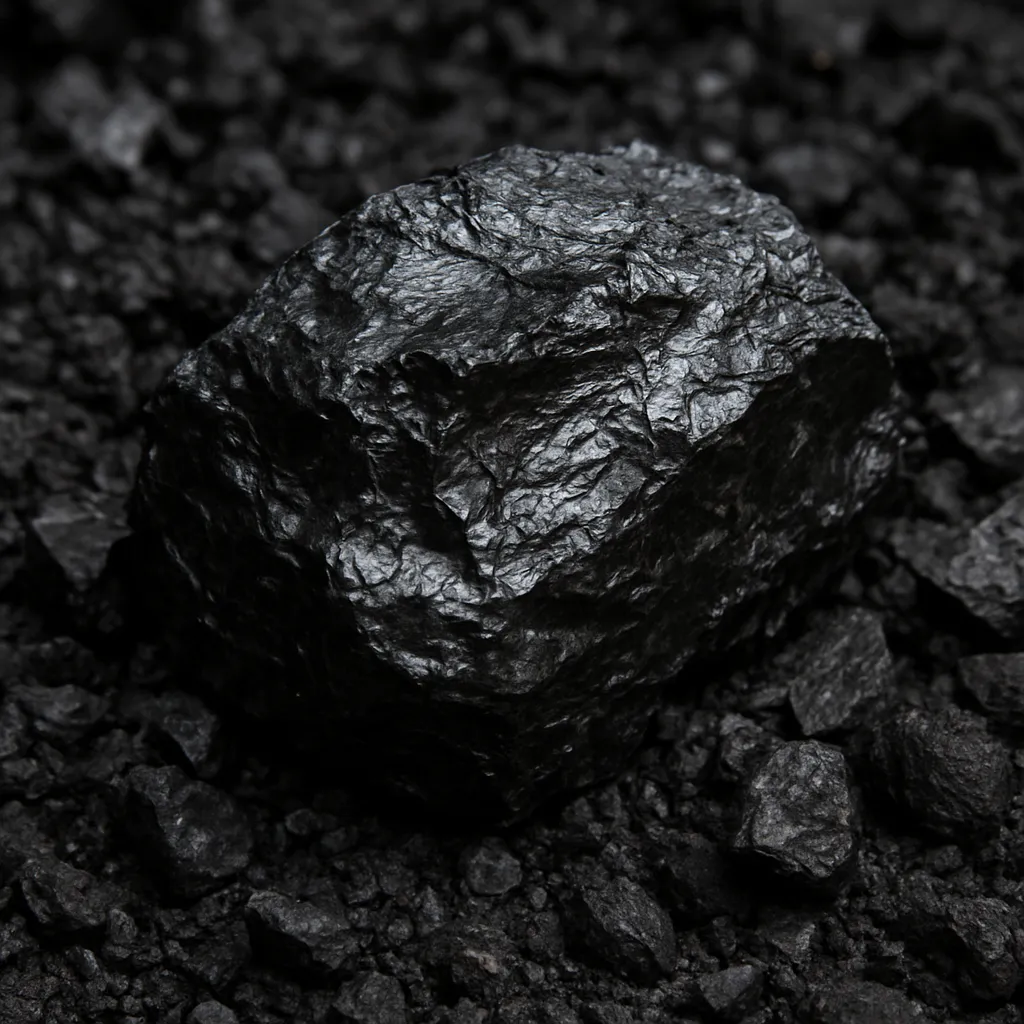
Coal tar-rich coal
This article examines coal varieties that yield high volumes of coal tar — a historically and industrially important byproduct of coal processing. It covers geological characteristics, major producing regions, extraction…

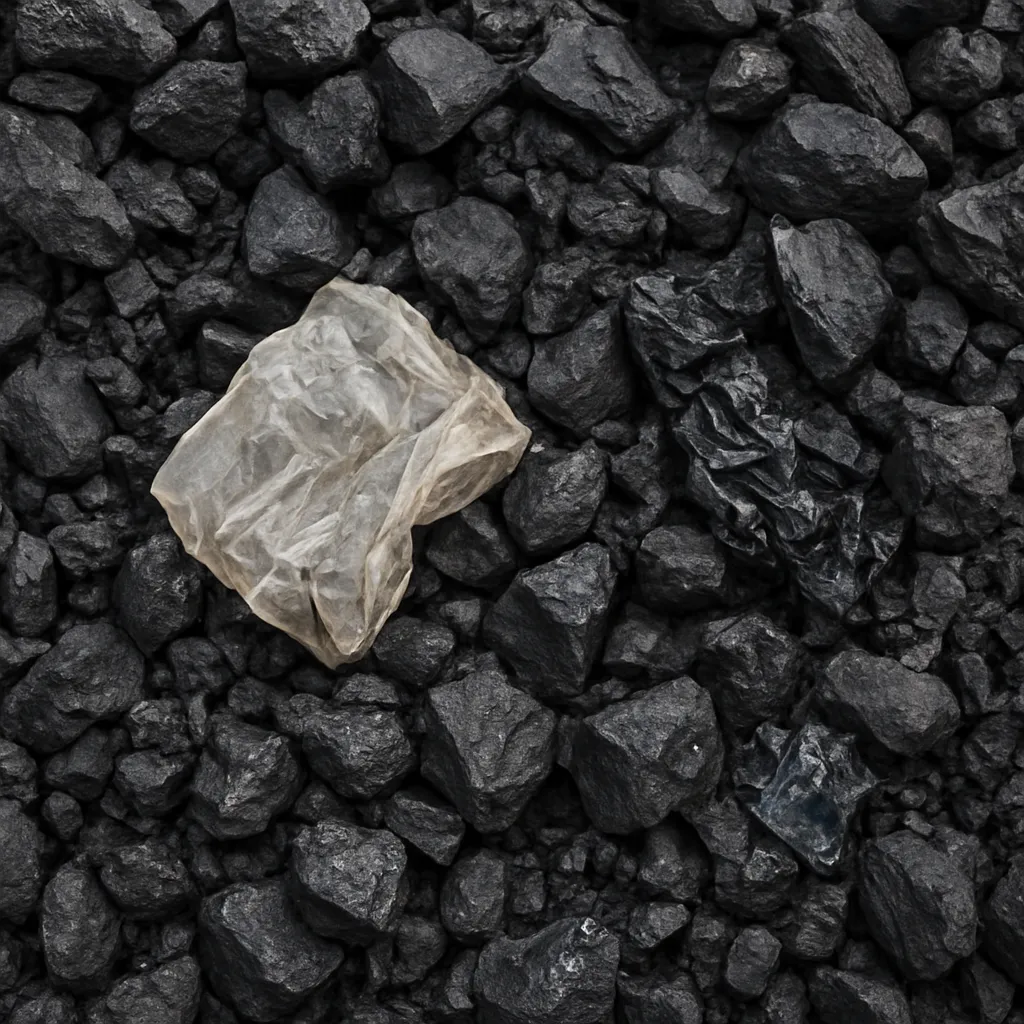
Plastic coal
This article explores the phenomenon commonly called “plastic coal” — coal that exhibits a distinctive plasticity or caking behavior when heated — and the many technical, economic and environmental aspects…

Non-caking coal
Non-caking coal is a broad category of coals that do not soften, plasticize or fuse into a coherent, porous mass (coke) when heated in the absence of air. It is…

Low-caking coal
Low-caking coal is a specific category of coal defined by its limited tendency to soften, swell and fuse when heated in the absence of air. Unlike coking or strongly caking…

High-caking coal
High-caking coal is a specialized group of bituminous coals whose behaviour under heat makes them indispensable to the production of metallurgical coke and, by extension, modern steelmaking. This article explains…

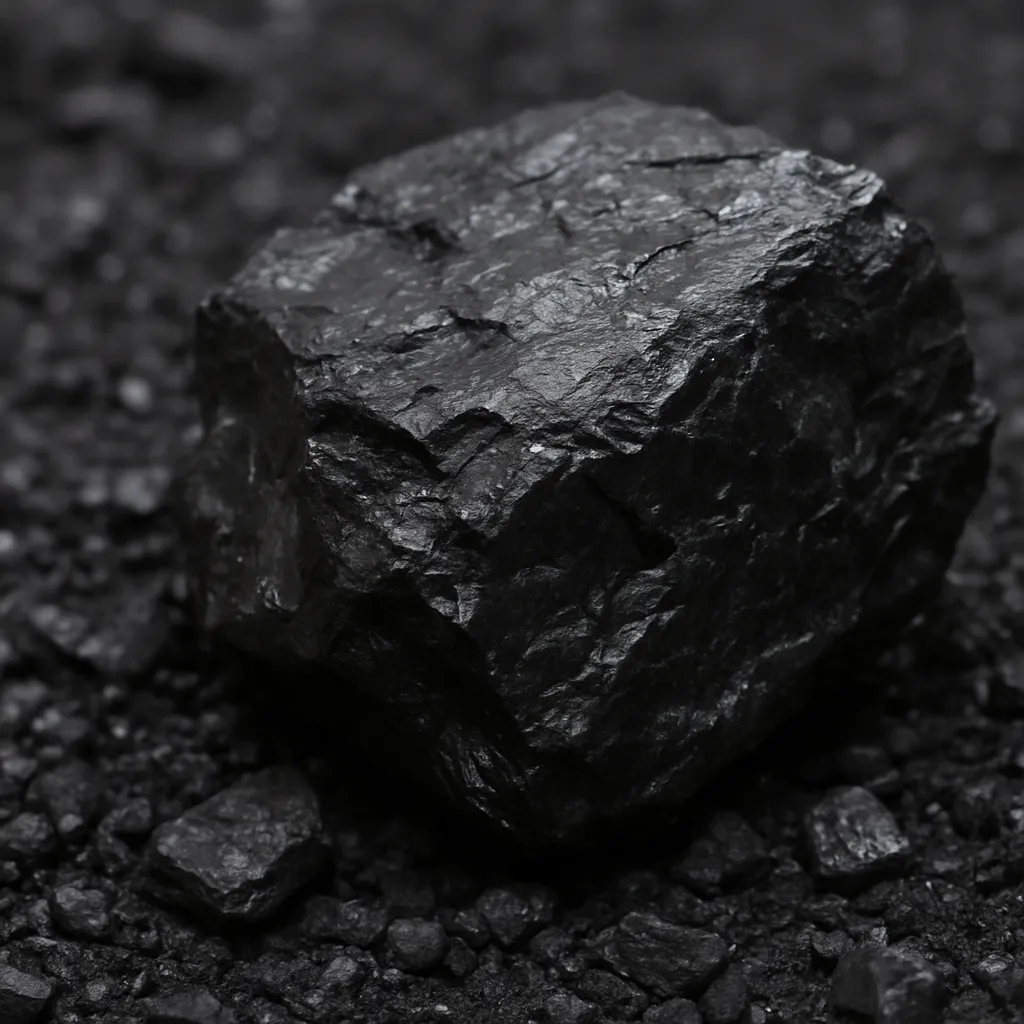
Low-plasticity coal
This article explores the characteristics, geological occurrence, economic significance and industrial uses of low-plasticity coal. Low-plasticity coal is a distinct category in coal petrography and technological classification: it does not…

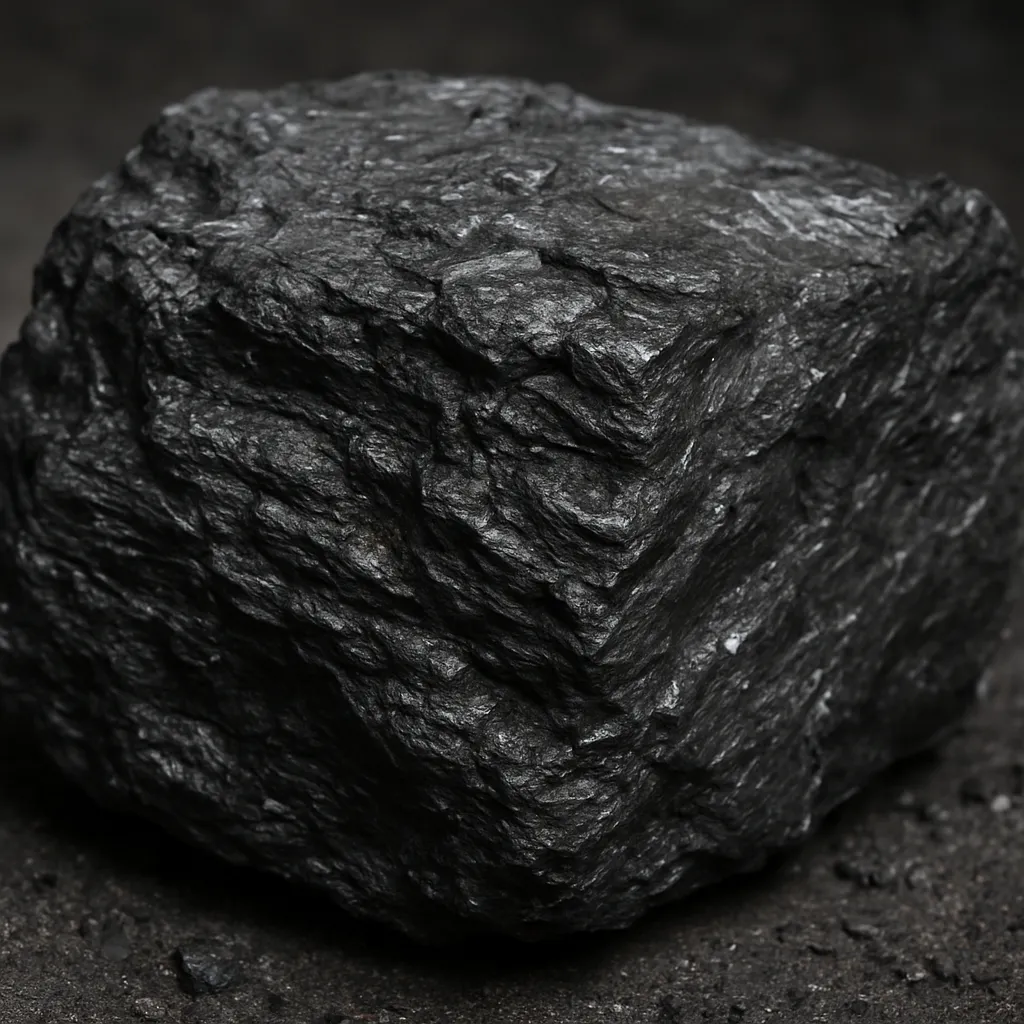
High-plasticity coal
High-plasticity coal is a specialized type of bituminous coal that plays a critical role in modern heavy industry, especially in the production of metallurgical coke used for iron and steelmaking.…
