This article examines the Baorixile West coal mining site in China: its location, geology, operational profile, economic significance, environmental and social impacts, and its role within the broader Chinese coal industry. The aim is to provide a comprehensive overview that combines operational description, regional context, and future prospects. The text draws on general patterns typical for large-scale coal mines in northern China and situates Baorixile West within those frameworks where project-specific public statistics are limited.
Location and geological characteristics
Baorixile West is situated in northern China in the broader Baorixile mining district, which lies within the more extensive coal-bearing regions of the northern interior. The site is part of the coal basins that run across Inner Mongolia and adjacent provinces, an area known for vast coalfields. The mine area is characterized by relatively flat to gently undulating steppe and semi-arid terrain, with typical infrastructure links to regional rail and road networks that serve the movement of bulk commodities.
Geologically, the deposit at Baorixile West comprises layered sedimentary sequences deposited during Carboniferous–Permian and younger periods in the basin. Coal seams in the region vary in thickness and lateral continuity; Baorixile West exploits seams that are relatively shallow and continuous, making them economically viable for large-scale surface extraction. The predominant product is coal intended largely for power generation, with seam characteristics that range from lignite-grade or sub-bituminous in the shallow horizons to higher-rank bituminous coal in deeper or more consolidated benches. The exact rank can vary across the site and between mine panels.
Stratigraphy and seam quality
- Multiple coal horizons: Typically several seams separated by mudstone, siltstone and occasional sandstone benches.
- Calorific value: Varies by seam, but most coal extracted is suited to steam coal (thermal) applications; some pockets may be suitable for coking or semi-coking uses depending on volatile matter and ash content.
- Impurities and ash: Like many northern Chinese coals, ash content can be moderate and sulfur relatively low to moderate, which influences washing and blending practices before power-plant use.
The site’s geology favors large-scale open-pit operations due to shallow cover and seam lateral continuity. Where seam depth increases, selective underground methods or deeper benching may be employed.
Production, reserves and economic role
Baorixile West contributes to local and regional energy supply chains as a producer of bulk thermal coal. While precise annual output figures specific to the Baorixile West site are not always publicly disclosed, mines of comparable scale in the region typically produce several million tonnes per year when operating at full capacity. The mine supports electricity generation, industrial heat users, and, where logistics permit, coal trading markets that feed into other provinces.
Reserves in the Baorixile district are part of extensive coal resource estimates for northern China. Reserves classification in Chinese reporting often distinguishes between geological resources and economically recoverable reserves based on cut-off depth, quality, and market conditions. The Baorixile West site, by virtue of being an active surface mine with established infrastructure, represents a significant portion of the exploitable reserves in its local block.
Economic contribution
- Employment: The mine supports direct employment in extraction, maintenance, and site services, and indirect employment in transport, supply chains, and local commerce.
- Local economy: Royalties, taxes and local spending by the mine and its workforce bolster municipal revenues and regional infrastructure investment.
- Energy security: By supplying nearby power plants and industrial users, Baorixile West enhances regional energy security, reducing reliance on distant supply sources and smoothing seasonal demand peaks.
- Economic multipliers: Procurement of goods and services creates secondary economic activity in logistics, parts manufacturing and construction.
Freight logistics are central to the mine’s economic role. Proximity to railway lines and bulk-handling facilities reduces transport cost per tonne and allows coal to be blended and routed to customers across northern and eastern China. Integration with rail infrastructure also makes it feasible to dispatch coal to coastal ports for limited export, depending on national policy and market conditions.
Mining operations and technology
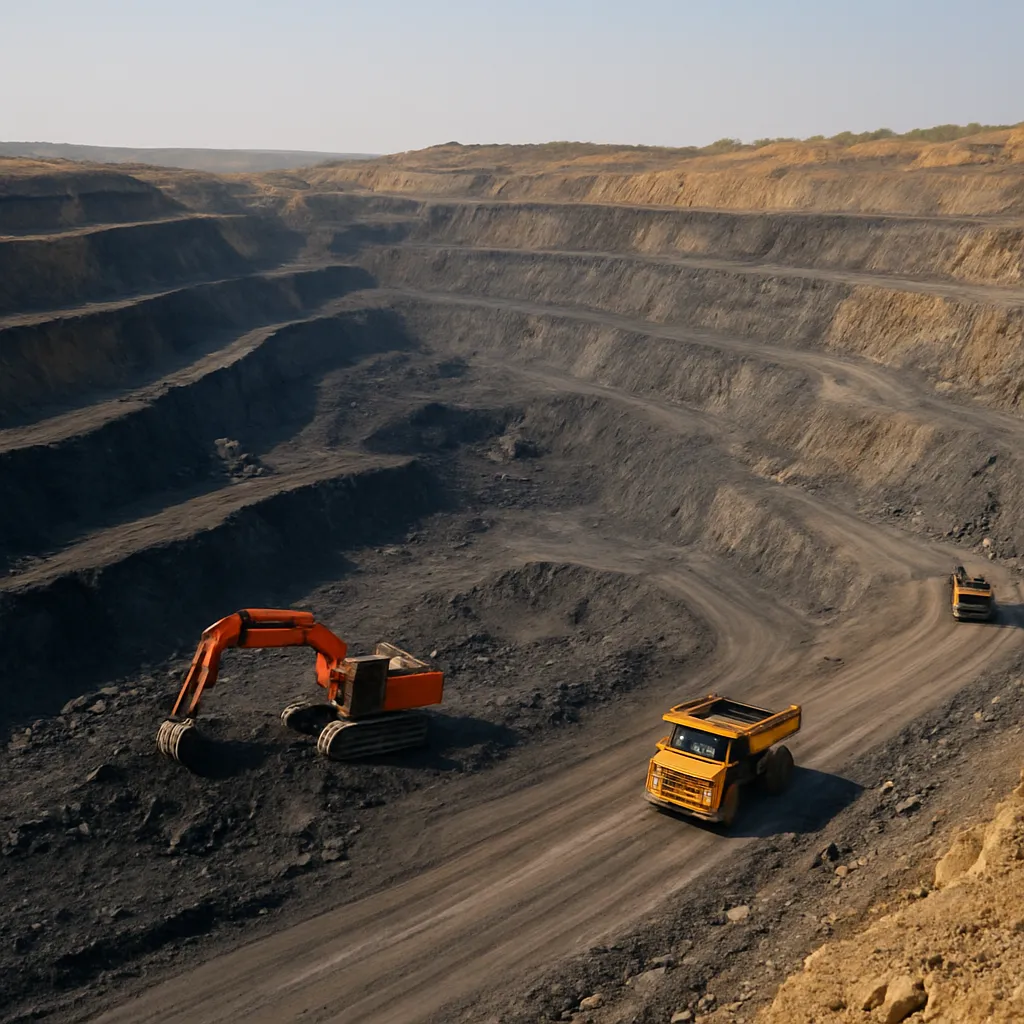
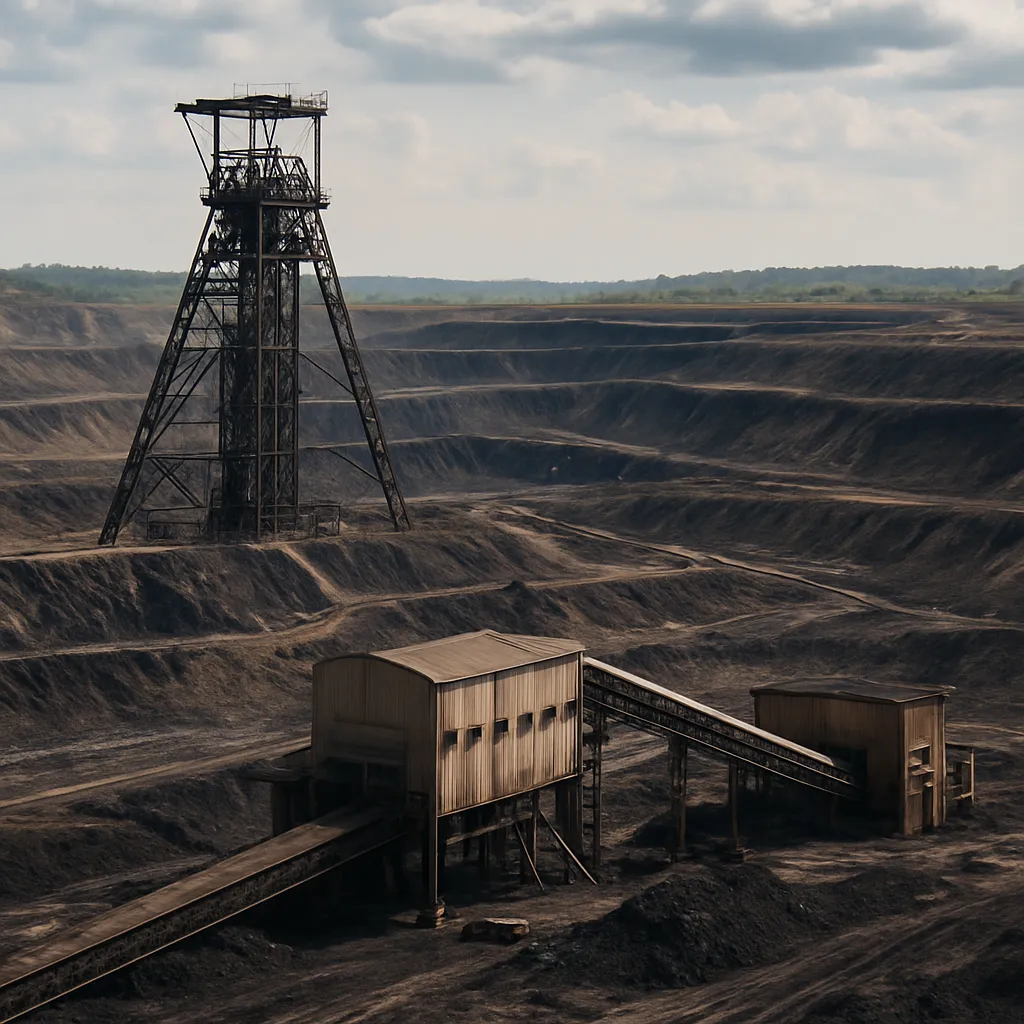
Baorixile West operates with modern, mechanized surface-mining techniques typical of large-scale open-pit coal operations. The mine profile includes excavation benches, haul roads, stockpiles, overburden dumps and processing or wash facilities as required to meet client specifications. Emphasis on operational efficiency and safety leads operators to deploy a mix of heavy equipment, real-time monitoring and planned maintenance regimes.
Key operational components
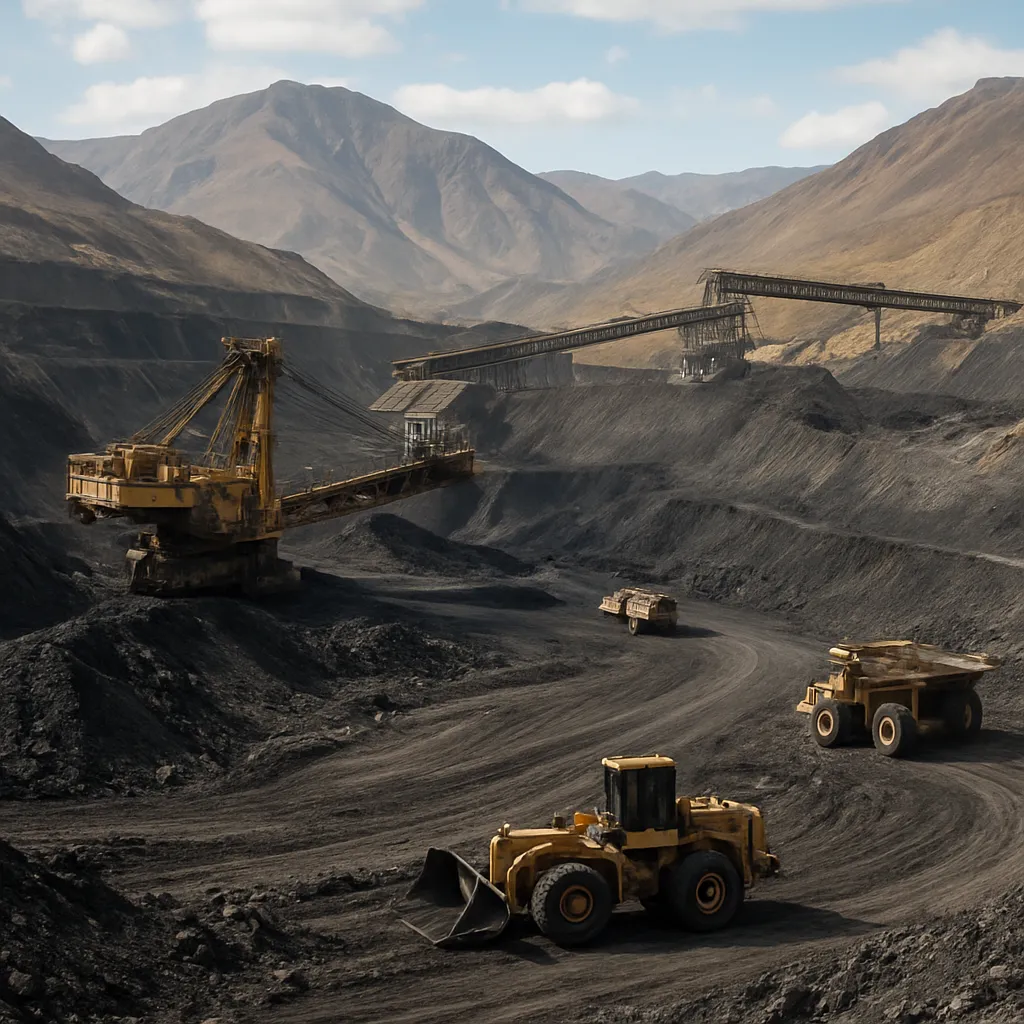
- Earthmoving and extraction: Large hydraulic excavators, draglines (where appropriate), and high-capacity haul trucks perform the bulk of removal and transport of overburden and run-of-mine material.
- Processing and preparation: Coal handling and preparation plants (CHPP) wash and screen coal to reduce ash and improve calorific value for particular markets.
- Conveyance and loading: Belt conveyors, stacker-reclaimers, and rail-loading facilities expedite bulk movements; some operations also use truck-and-trailer systems for shorter-haul internal distribution.
- Automation and monitoring: Increasingly, mines like Baorixile West incorporate computerized fleet management, GPS-based haul-route optimization, and environmental monitoring for dust, water and emissions.
Safety and regulatory compliance are central. The operator typically adheres to national mining safety standards, employs mine rescue contingents, and conducts regular inspections to minimize accidents and occupational hazards. Training programs and mechanization reduce exposure to manual hazards, while predictive maintenance extends fleet life and reduces downtime.
Environmental and social impacts
Coal mining at Baorixile West produces multiple environmental and social externalities that are actively managed by the operator and local authorities. The most notable concerns are land disturbance, dust and particulate emissions, water use and contamination risk, greenhouse gas emissions (particularly methane), and the socio-economic effects on local communities and traditional land uses.
Land, biodiversity and reclamation
- Land disturbance: Surface mining alters soil profiles and native vegetation; the mine establishes overburden dumps and large pits during active extraction phases.
- Reclamation practices: Progressive reclamation—reshaping, topsoil replacement and revegetation—is a standard mitigation measure. Reclaimed lands are sometimes repurposed for grazing, forestry, or limited agricultural use depending on soil rehabilitation success.
- Biodiversity: The semi-arid steppe and grassland ecosystems have localized flora and fauna; operators coordinate with environmental agencies to avoid critical habitats and to time operations to minimize ecological disruption.
Water and air quality
- Water use: Dust suppression, coal washing and other operations require significant water resources; in semi-arid settings, groundwater draw and surface water use are closely managed to avoid depletion.
- Acid mine drainage and contamination: Where present, acid-generating materials are managed through encapsulation or water treatment to limit heavy-metal leaching.
- Air emissions: Dust control systems, water spraying, covered conveyors and enclosures minimize fugitive dust. Combustion emissions occur downstream at power plants, while the mine itself contributes particulates and exhaust from diesel fleets.
Greenhouse gases and methane management
Coal mines are a source of methane emissions, both from liberated seam gas during extraction and from stored waste. Operators at Baorixile West implement methane monitoring, ventilation control where applicable, and gas capture in zones where gas concentration and economics justify it. Captured methane can be flared or utilized for local power generation, reducing greenhouse gas impact and providing auxiliary energy supply.
Social dimensions
- Employment and migration: Mines create jobs, attract labor from surrounding areas, and can stimulate population growth in support towns.
- Community investment: Operator-led social programs often include housing, healthcare, schools and local infrastructure to sustain communities and ease the social transition around extractive projects.
- Land use conflicts: Negotiation with herding communities and agricultural stakeholders is essential to secure access and maintain social license to operate.
Statistical context and industry significance
While site-specific public data for Baorixile West may be limited in open sources, the mine is part of China’s extensive coal-mining sector, which remains the backbone of the country’s electricity generation and industrial heat supply. China is the world’s largest coal producer and consumer; its domestic mining footprint includes tens of thousands of operating mines, varying from small pits to very large integrated operations such as Baorixile West. Within this national context, regional producers in northern basins are particularly important for supplying power plants in adjacent provinces and for stabilizing seasonal supply.
Comparative metrics and typical figures
- Typical medium-large open-pit mines in northern China: annual production can range from 2 to over 10 million tonnes depending on scale and life-of-mine plans.
- Workforce: A sizable operation often employs several hundred to a few thousand direct workers, with a larger indirect employment footprint in logistics and services.
- Economic multipliers: Every tonne of coal produced generates downstream value through transport, processing and energy conversion—fueling industrial output and municipal electricity.
Baorixile West’s strategic significance arises from its role in regional supply chains and its contribution to production continuity during seasonal demand spikes. In addition, mines in this region underpin local fiscal receipts and infrastructure investment, making them integral to regional development planning.
Outlook, modernization and challenges
Baorixile West faces the same strategic crossroads as many coal operations in China: balancing near-term energy and economic roles with long-term sustainability and national decarbonization goals. Several trends and challenges will shape its future.
Technological modernization
- Fleet electrification and diesel-to-electric conversions reduce local air pollutants and can enhance fuel efficiency.
- Automation and digitalization—fleet telematics, predictive maintenance, and integrated mine-planning software—increase productivity and safety.
- Advanced coal-washing and blending techniques improve product quality and reduce the environmental footprint of combustion.
Regulatory and market pressures
- National emissions reduction targets and carbon pricing mechanisms could increase operating costs for thermal coal producers, pushing mines to adopt abatement technologies.
- Market volatility: Demand for thermal coal is influenced by economic cycles, renewable generation growth, and fuel-switching trends in industry and utilities.
- Access to water and land-use permissions: Environmental permitting and community acceptance remain critical for long-term operations and expansions.
Opportunities for diversification
Operators may pursue diversification strategies to mitigate long-term coal demand risk. Options include repurposing reclaimed land for renewable energy sites (solar farms on former spoil areas), utilizing captured methane for distributed power or heating, and investing in local industry to create non-mining employment opportunities. Such strategies preserve regional economic resilience even as the national energy mix evolves.
Conclusion
Baorixile West exemplifies a modern northern Chinese coal operation: geologically advantaged for surface extraction, economically important to its region, and technically modernizing to improve efficiency and safety. It supplies bulk thermal coal to power and industrial customers and supports local economies through jobs and fiscal flows. At the same time, the mine must manage substantial environmental and social responsibilities—land reclamation, water management, dust control and greenhouse gas mitigation are ongoing priorities. The site’s medium- to long-term trajectory will be shaped by technological adoption, regulatory change, and broader shifts in China’s energy policy as the country balances continued near-term reliance on coal with ambitious decarbonization objectives.