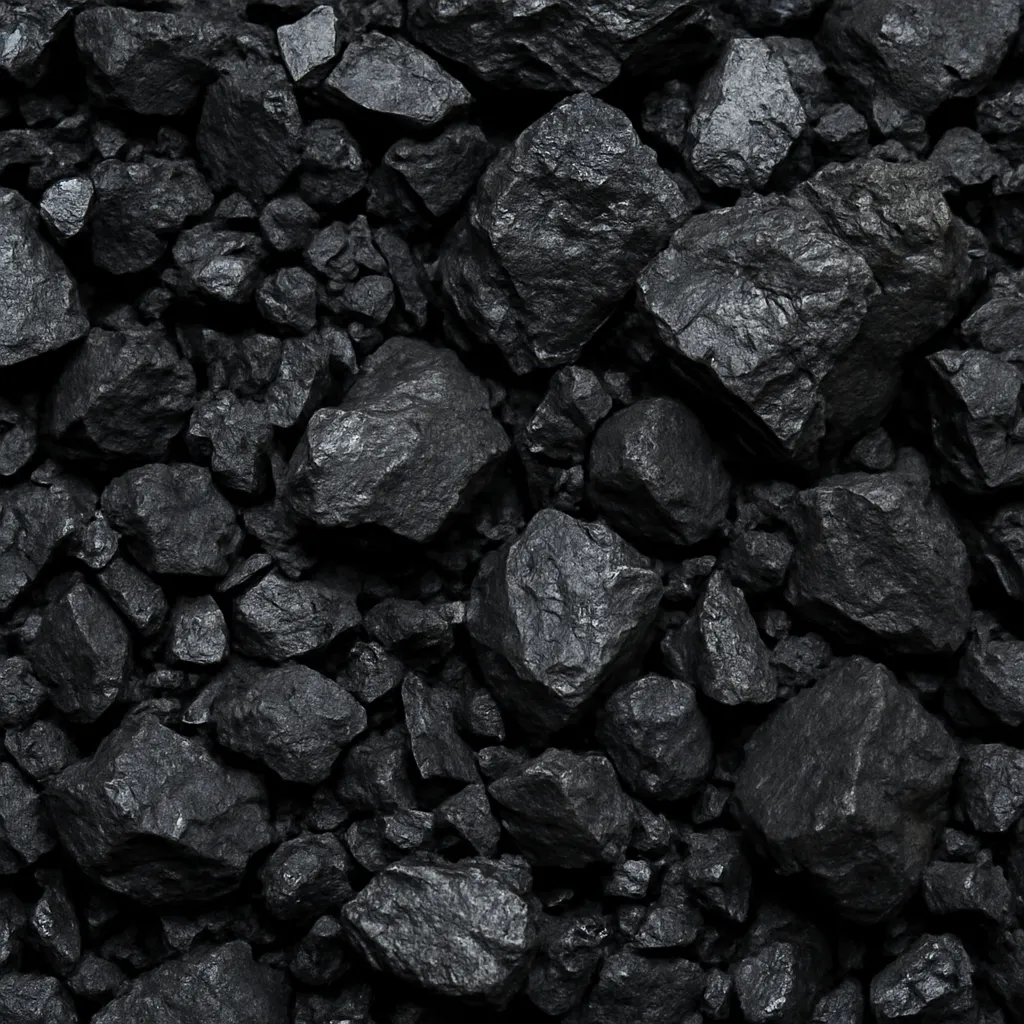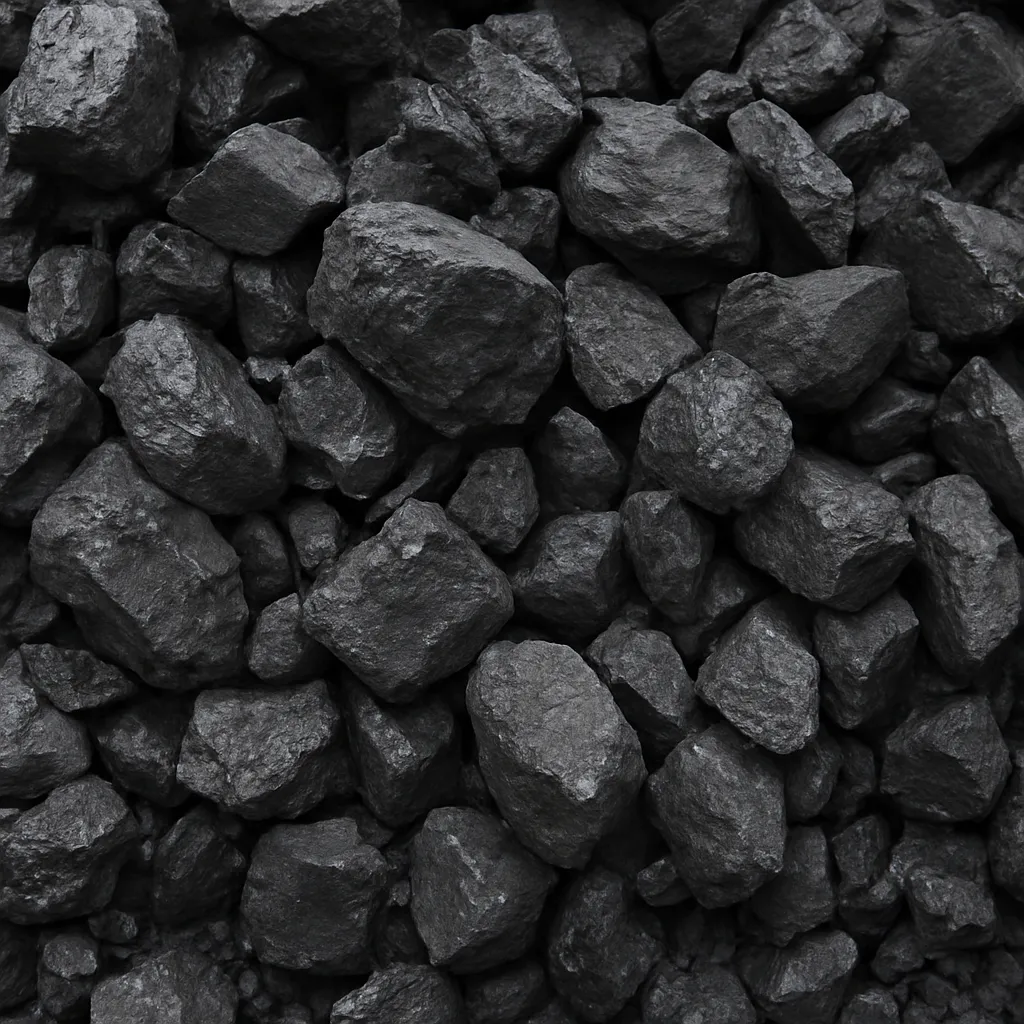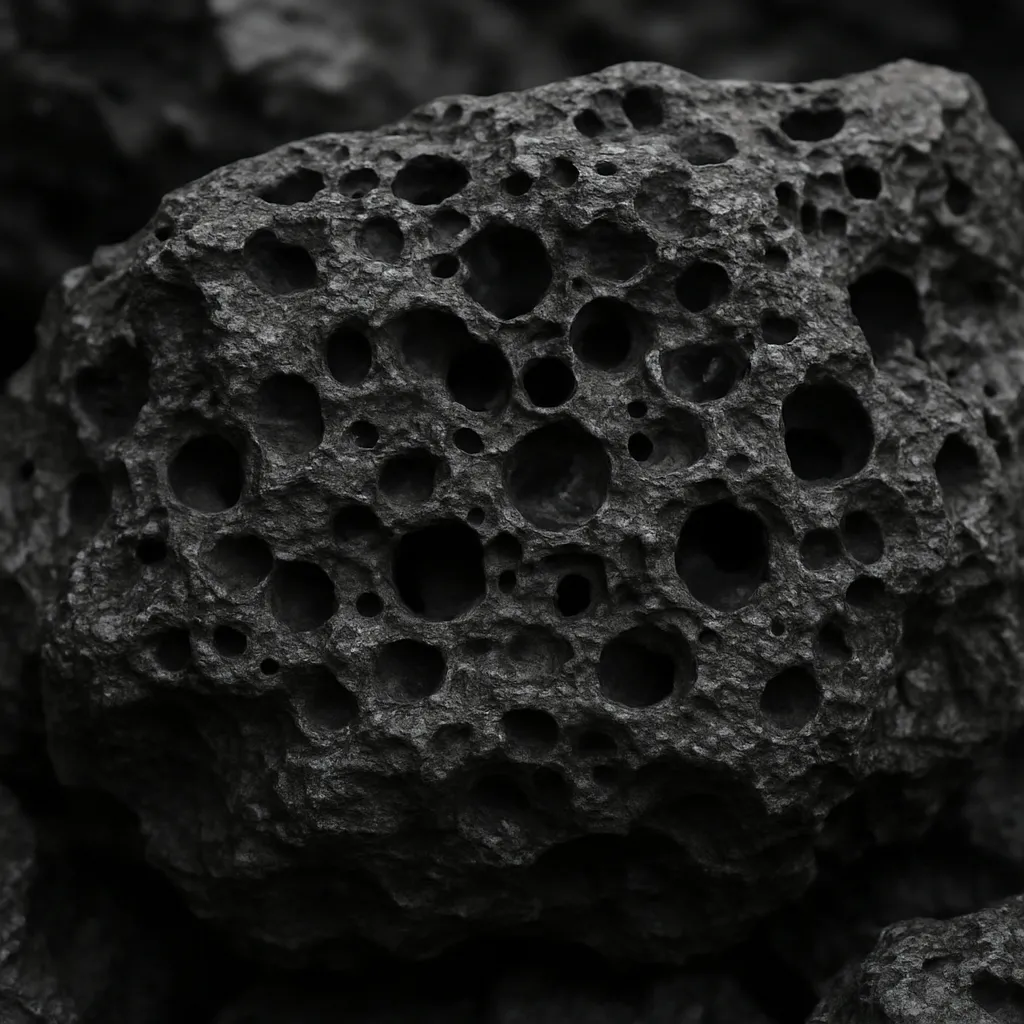
Porous coal is a variant of coal characterized by a pronounced internal network of voids and channels that significantly influence its physical, chemical and economic behavior. Unlike dense, massive coal, porous coal exhibits higher surface area and variable pore sizes — from micropores to macropores — which affect fluid flow, gas storage, and reactivity. This article examines where porous coal occurs and is mined, its geological and technological properties, economic and industrial importance, statistical context, environmental implications, and emerging uses in modern technologies.
Geological and physical characteristics of porous coal
The internal structure of coal is not uniform. Coal seams typically contain a hierarchy of pore sizes: micropores (less than 2 nm), mesopores (2–50 nm) and macropores (greater than 50 nm). The distribution and connectivity of these pores determine the permeability and storage capacity of the coal. Porous coal may form through several geological processes: biodegradation of peat, coalification under variable pressure and temperature regimes, secondary fracturing, and tectonic deformation that creates cleats and fractures.
Types of porosity
- Interparticle porosity — voids between organic particles and mineral grains.
- Intraparticle porosity — pores within the coal matrix (micropores and mesopores).
- Fracture porosity — natural cleats, fissures and tectonic fractures (macropores) that enhance fluid flow.
The chemical composition of porous coal is enriched in carbon but also contains variable amounts of mineral matter (clays, sulfides, carbonates) that can occlude pores or, conversely, create additional void space when leached. Porous coals often present higher surface area per unit mass than dense coals, which makes them more reactive and better at adsorbing gases and liquids.
Where porous coal occurs and where it is mined
Porous coal can be found in coal-bearing basins worldwide. Its occurrence depends on the original peat environment, the depth and conditions of burial, tectonic history and subsequent weathering. Major coal basins that commonly host porous coals include the basins of China, the United States, Russia, Australia, India and Indonesia. Locally, porous characteristics are often associated with certain seam intervals, faulted margins, and areas of intense cleating.
Regional examples
- China — Many of China’s major coalfields (e.g., the Shanxi and Inner Mongolia basins) include coals with complex porosity; these coals are important for coalbed methane (CBM) and coal gas projects.
- United States — Appalachian, Illinois and Powder River Basin coals exhibit variable porosity; the Powder River Basin coals are generally low-rank and can be relatively porous, influencing both CBM potential and surface mining characteristics.
- Australia — Permian coals in the Bowen and Surat basins show significant fracture networks in places, relevant to CBM and coal seam gas production.
- Russia and Central Asia — Large Paleozoic basins contain coals with diverse porosity profiles used for power and metallurgical purposes and, in some zones, for methane exploitation.
- India and Indonesia — Several low-rank coals used domestically and for export display porous textures that affect moisture content and pyrolysis behavior.
Mining methods for porous coal do not differ radically from those for other coals, but porosity affects behavior during extraction and processing. Higher porosity can increase moisture uptake and spontaneous combustion risk during storage; it can also influence breakage behavior during crushing and the efficiency of beneficiation processes.
Economic and industrial significance
Porous coal has both traditional uses (energy and metallurgical feedstock) and distinctive industrial roles derived from its porous nature. Two major economic pathways highlight its value: coalbed methane production and the manufacture of coal-based activated carbon and carbon materials.
Coalbed methane (CBM) and natural gas
Coal seams with significant micropore volume and connected fracture networks can store large volumes of methane adsorbed on internal surfaces. CBM production depends on desorption kinetics, permeability, pressure regimes and cleat connectivity. Porous coals often act as both reservoir and source rock for methane. Globally, CBM and coal seam gas (CSG) developments have contributed to energy supplies, particularly in jurisdictions with extensive low-rank, porous coal seams (Australia, United States, China).
Activated carbon and specialty carbons
Coal is a prime feedstock for activated carbon when it is processed under controlled oxidation (chemical or physical activation). Porous coals are advantageous because their intrinsic pore networks reduce the energy and activation requirements to create high-surface-area products. Coal-based activated carbon is widely used in water purification, air filtration, solvent recovery, gas purification and increasingly in electrochemical applications such as supercapacitors and battery electrodes.
Metallurgical and energy markets
Porous coals are used in power generation and steelmaking like other coals, but porosity influences thermal behavior: higher porosity generally leads to faster heating rates, higher volatile release and different coking characteristics. For metallurgical coke production, consistent coal rank and predictable porosity are important; highly porous coals may be blended to achieve desired coke properties. In the power sector, porous coals may show higher moisture content and lower bulk energy density, affecting transport economics and combustion efficiency.
Statistical overview and market data
Global coal production and consumption remain large despite energy transitions in some regions. While precise numbers fluctuate year to year, typical ranges in the early 2020s were:
- Global production: roughly 7–8 billion tonnes of hard coal and lignite combined per year (varies by source and year).
- Leading producers: China (around 40–50% of global production), India (about 10–12%), United States (roughly 6–8%), Australia (approx. 6–7%), and Russia (approx. 5–6%).
- Coalbed methane: global production from CBM/coal seam gas is measured in tens of billions of cubic meters annually in major producing countries; Australia and the United States have been among the largest producers of marketed CSG/CBM.
Because “porous coal” is a descriptive term rather than a standardized commodity grade, there are no global production figures specifically labeled as porous coal. Instead, porosity is a property measured and reported in geological studies, CBM resource assessments and activated carbon feedstock sourcing. Typical laboratory measures for porous coals include specific surface area (m2/g), pore size distribution, total pore volume (cm3/g) and permeability (millidarcies to microdarcies), which guide commercial exploitation.
Economic impacts and trends
- Regions rich in porous, low-rank coals have attracted investment in coal seam gas and CBM projects; in Australia, CSG contributed meaningfully to domestic gas supplies and LNG feedstock during expansion of the 2010s and early 2020s.
- Coal-derived activated carbon remains an important specialty commodity with steady demand from water treatment, food and beverage, and industrial gas purification sectors. Asia-Pacific and North America are major markets for activated carbon.
- Price dynamics: thermal coal prices are subject to global demand, shipping costs and regional policies; the intrinsic porosity of a specific seam factors into cost through handling, drying, blending and transport expenses but is not the main determinant of global price indices.
Environmental, safety and regulatory considerations
Porous coal raises specific environmental and safety issues. Its high surface area and variable moisture retention increase the risk of spontaneous combustion in stockpiles and during transport — a critical safety consideration for mines and terminals. Porous coals also absorb and later release gases, complicating mine ventilation design and gas drainage strategies.
Greenhouse gases and methane
Coal seams that are porous and rich in adsorbed methane represent both a climate challenge and an opportunity. Methane released uncontrolled during mining or from abandoned workings is a potent greenhouse gas. Conversely, harnessing methane via CBM/CSG extraction captures a fuel that can displace coal or more carbon-intensive fuels and reduce fugitive emissions if managed properly.
Water and geochemistry
CBM production from porous coal often involves dewatering, which can affect groundwater regimes. Changes in pressure and water chemistry can mobilize salts or metals from coal seams or associated strata. Environmental regulations in many producing regions require monitoring of groundwater and mitigation measures to reduce impacts on aquifers and surface waters.
Technological applications and innovations
Porous coal has become a platform for several technological innovations that extend its utility beyond conventional combustion:
- Advanced activated carbons for adsorption and catalysis: researchers optimize activation protocols to tailor pore-size distributions for specific contaminants (e.g., micropore-rich carbons for gas-phase adsorption; mesopores for liquid-phase organics).
- Carbon materials for energy storage: coal-derived carbons, including templated and chemically activated variants, are explored for electrodes in supercapacitors and batteries because of tunable porosity and electrical properties.
- CO2 capture and sequestration: porous coals can adsorb CO2; experimental and pilot projects have investigated injecting CO2 into coal seams to enhance methane recovery (Enhanced Coalbed Methane, ECBM) while sequestering CO2. The success of ECBM depends on adsorption selectivity, swelling behavior of the coal, and permeability management.
- Waste valorization: low-grade porous coals can be upgraded into specialty carbons, or used as precursors for graphene-like materials and porous carbon foams with industrial and research applications.
Operational considerations in mining and processing porous coal
Extraction and handling of porous coal require attention to several operational points:
- Drying and moisture control — Porous coals often hold more moisture; efficient drying (air-drying, thermal drying) can be necessary to meet calorific specifications for power plants or export markets.
- Dust and spontaneous combustion management — Ventilation, inerting, temperature monitoring and safe storage practices are crucial to avoid self-heating events.
- Beneficiation — Washing and density separation can be affected by porosity and associated mineral content; specialized comminution and flotation schemes may be adopted.
- Gas drainage and ventilation — For underground operations in gas-rich porous seams, pre-drainage, degasification boreholes and robust ventilation systems are important for safety and resource recovery.
Case studies and notable projects
Several industry projects and research efforts illustrate the significance of porous coal:
- Australia’s Surat Basin (Queensland) — Extensive coal seam gas production from Permian coals with significant cleat permeability; projects have supported domestic gas markets and LNG supply chains.
- Powder River Basin (United States) — Large-scale surface mining of low-rank, relatively porous coals supplying pulverized coal to power plants and export markets; research into methane emissions and reclamation practices continues.
- China’s CBM initiatives — China’s push to develop CBM resources in multiple basins reflects the potential of porous coals to supply cleaner-burning natural gas and to mitigate methane emissions from coal mining operations.
- Activated carbon production hubs — Facilities in Asia and Europe that use bituminous and sub-bituminous coals to produce activated carbon tailored for water treatment and industrial gas purification.
Future outlook and research directions
Porous coal occupies a transitional niche between traditional fossil-fuel uses and advanced material applications. Key trends and research directions include:
- Optimizing coal-to-carbon-material pathways to produce high-value porous carbons for energy storage and filtration while reducing environmental footprint.
- Improving CBM and ECBM reservoir modeling by coupling pore-scale adsorption models with field-scale fracture and permeability mapping, enabling better prediction of gas recovery.
- Integrating methane capture from porous coal seams with renewable energy strategies: using captured methane as a bridge fuel or feedstock for chemical synthesis, with offsets from carbon capture and storage where feasible.
- Developing safer stockpile and transport protocols targeted at porous coals to reduce fires, spontaneous combustion and associated losses.
Interesting scientific and practical facts
Several lesser-known points about porous coal are of both scientific and practical interest:
- Porosity changes with rank: coalification tends to reduce micropore volume as plant macromolecules reorganize, but tectonic fracturing can introduce macroporosity that compensates for matrix densification.
- Adsorption isotherms — Porous coals exhibit characteristic adsorption behavior for methane, CO2 and other gases; CO2 is often more strongly adsorbed than methane, a property exploited in ECBM trials.
- Dual role as source and reservoir — Unlike many hydrocarbon systems where source rock and reservoir rock differ, coal can simultaneously generate and store methane in its porous matrix.
- Historic uses — Porous coals with high absorbency have been used for centuries for filtration and purification in local contexts prior to modern activated carbon technologies.
Summary
Porous coal represents a class of coals whose internal pore networks confer distinctive hydrocarbon storage, transport and reactivity properties. It plays a role in contemporary energy systems via coalbed methane, contributes feedstock potential for activated carbon and advanced porous carbons, and imposes specific operational and environmental challenges. While global coal production figures remain dominated by large producing countries such as China, India, the United States and Australia, the economic value of porous coal often derives from specialized applications rather than bulk thermal markets. Continued research into pore-scale behavior, safe handling, and value-added conversion pathways will shape the future relevance of porous coal in industry and technology.