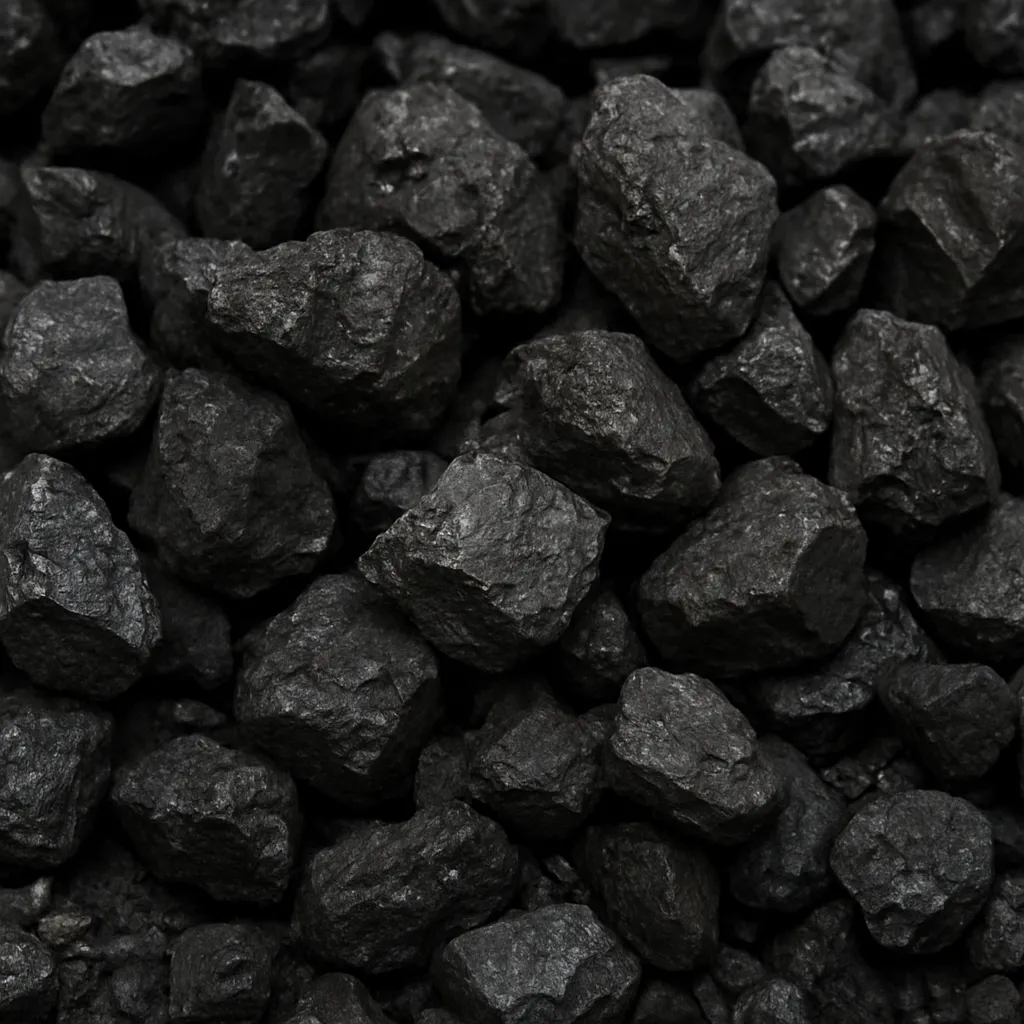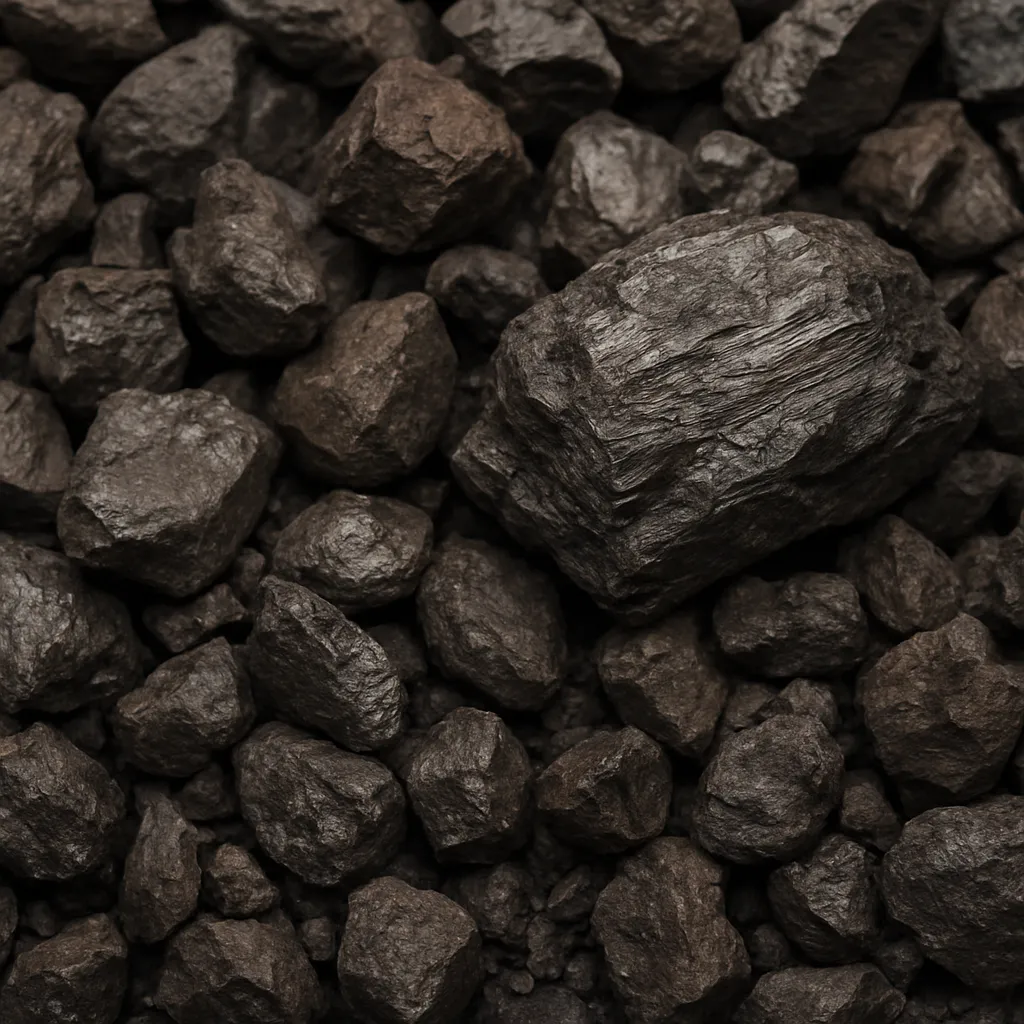
This article explores raw lignite — a low-rank form of coal commonly called brown coal — examining its geological origins, where it is found and mined, its role in modern economies, statistical tendencies, environmental and industrial implications, and technological prospects. Below you will find a detailed overview that covers physical and chemical characteristics, major producing regions and operations, economic importance, as well as social and environmental challenges associated with its extraction and use.
What raw lignite is: properties, formation and uses
Lignite is a type of coal with relatively low carbon content and high moisture and volatile matter compared with higher-rank coals (sub-bituminous, bituminous and anthracite). It forms from compressed peat under geologically young conditions and typically features a brown to dark-brown color, crumbly texture, and a high propensity to oxidize and degrade on exposure. Because of its properties, lignite is most often used close to where it is mined, primarily for heat and electricity generation.
Physical and chemical characteristics
- Calorific value: Lignite’s gross calorific value generally ranges from roughly 8 to 25 MJ/kg (lower heating value may be lower), depending on moisture and ash content.
- Moisture and volatiles: Moisture content can be high (commonly 20–60% by mass) and volatile matter is also significant, making it less energy-dense than higher-rank coals.
- Carbon content: Fixed carbon is lower and hydrogen, oxygen and other elements are relatively higher, altering combustion behavior.
- Combustion behavior: Because of the high moisture and volatiles, lignite burns differently from harder coals and typically produces higher emissions per unit of energy produced.
Common uses
- Electricity generation in power plants located near mines (mine-mouth plants).
- District and process heating where lignite is used for combined heat and power (CHP) plants.
- Industrial uses include briquetting, gasification, and in some cases chemical processing to produce synthetic fuels or carbon products after upgrading.
- Occasionally used in small-scale domestic heating (briquettes) or local industry, but raw lignite’s high moisture limits long-distance transport and export value.
Global occurrence and mining
Lignite deposits are typically younger than other coal types and are often found in continental basins that favored peat accumulation in the geological past. Because lignite is a low-rank coal that is often near the surface, extraction is dominated by large-scale open-pit mining, though some underground mines exist where deposits are deeper. Deposits occur worldwide, but certain regions have particularly extensive, economically exploited beds.
Major producing regions and notable deposits
Lignite is geographically concentrated in basins formed over the last tens of millions of years. Major producing regions include parts of Europe, North America, Russia and the CIS, Australia, and selected basins in Asia.
- Europe: Germany (Rhineland, Lusatia) is historically one of Europe’s largest producers of lignite and hosts some of the world’s biggest open-pit mines. Poland (Bełchatów mine supplying Bełchatów Power Station), Czech Republic, Greece (Ptolemaida and Megalopolis basins), Turkey, Bulgaria and Serbia also have important lignite operations.
- Russia and CIS: Several basins, including regions in western Siberia and other continental basins, contain lignite deposits used both locally and for regional power generation.
- United States: Large lignite resources exist in North Dakota, Texas and parts of Montana; these are typically used in nearby power plants and in some cases for mine-mouth electricity generation.
- Australia: The Latrobe Valley in Victoria is a globally significant lignite region, supplying major thermal power plants and local industry.
- Other countries with meaningful lignite deposits: Poland, Czech Republic, Greece, Turkey, Indonesia (some brown coal deposits), and countries in the Balkans and Southeast Europe.
Mining methods and logistics
- Open-pit mining dominates because lignite seams are often shallow and extensive. Large bucket-wheel excavators, conveyors and draglines are typical equipment.
- Mine-mouth generation reduces logistics costs; raw lignite is costly to transport long distances because of its low energy density and high moisture, which motivates local use.
- Reclamation and post-mining land use are major policy and technical issues — pit lakes, landscape reshaping and soil replacement are common reclamation outcomes.
Economic and statistical picture
From a strictly economic standpoint, lignite offers cheap, domestically available energy that can underpin industrial demand and regional employment, particularly in regions with long mining traditions. However, its low energy density and high environmental externalities complicate its long-term economic desirability. Below is a snapshot of the economic and statistical aspects of lignite as they generally apply in the 21st century.
Production and consumption trends
Worldwide lignite production varies year-to-year with market dynamics and energy policies. Lignite’s share of global coal production is significant but smaller than that of higher-rank coals. In broad terms:
- Global lignite output accounts for a substantial minority of total coal production — commonly estimated at around 8–12% of global coal quantities in recent years, implying several hundred million tonnes per year of lignite production worldwide.
- Production in Europe and certain regions has declined or plateaued amid emissions reduction policies and competition from natural gas and renewables, whereas in other countries local demand and policy choices sustain lignite use.
- Because lignite is primarily used locally, changes in national energy policy (for example, phase-outs or carbon pricing) can rapidly change production patterns and employment in lignite regions.
Employment and regional economics
- Lignite mining and lignite-fired power plants are important sources of regional employment and tax revenue in mining regions; entire local economies are often structured around mine and plant activities.
- The social cost of transitions away from lignite can be high; many governments have adopted or debated “just transition” packages that include retraining, redevelopment funds and structural aid to affected regions.
Costs, pricing and competitiveness
- Capital and operating costs for lignite mine-mouth power plants are typically lower per unit of installed capacity compared with similar-scale operations that must import fuel, giving lignite an edge for domestic base load generation in regions with deposits.
- However, when externalities are priced (carbon pricing, health impacts, environmental remediation), lignite’s cost advantage often disappears. Emissions-related costs and future regulatory risks make new lignite investments less attractive in many markets.
- Lignite’s poor suitability for long-distance transport constrains export markets; high-moisture lignite is rarely exported in raw form, though some countries dry and upgrade lignite or export briquettes, pellets and processed derivatives.
Representative statistics
Exact numbers change annually, but typical statistical features include:
- Global lignite production: on the order of several hundred million tonnes per year (estimates commonly fall in the ~300–800 million tonnes/year range depending on year and reporting criteria), representing roughly 8–12% of global coal output.
- Electricity generation share: in some countries with abundant lignite (e.g., Germany historically, parts of Eastern Europe, Australia’s Latrobe Valley, North Dakota in the USA), lignite can supply a substantial fraction of national or regional electricity — sometimes 10–30% or more of a country’s generation, though this varies widely and is falling in many jurisdictions.
- Carbon intensity: lignite-fired electricity commonly has the highest CO2 intensity among coal types; typical emission factors used by analysts for lignite range around 1.0–1.3 kg CO2 per kWh of electricity produced, higher than for hard coal and very much higher than modern natural gas combined-cycle plants.
Environmental, health and social implications
Lignite’s environmental footprint is large relative to its energy yield. This creates a strong policy tension in countries that rely on it for affordable energy and employment. Below are the primary concerns and typical mitigation measures.
Greenhouse gas emissions
- CO2 intensity: Because lignite has lower calorific value and lower carbon content per mass but higher moisture, more fuel must be burned to produce a given amount of energy, increasing CO2 per unit of useful energy compared with higher-rank coals.
- Climate policy: Many countries have committed to reducing emissions and are implementing carbon pricing, emissions trading or regulatory phase-outs that directly affect the economic viability of lignite-fired generation.
Local environmental impacts
- Open-pit mining alters landscapes, generates dust and affects groundwater systems. Large pits may create artificial lakes or require extensive land reshaping and remediation.
- Air pollution: Lignite combustion can emit sulfur dioxide (SO2), nitrogen oxides (NOx), particulate matter (PM), mercury and other hazardous pollutants. Modern plants may be equipped with flue-gas desulfurization, selective catalytic reduction and particulate filters to reduce emissions, but legacy plants often lack comprehensive controls.
- Water use: Mining and operation of power plants often demand significant water resources, stressing local supplies in some regions.
Health and social effects
- Air quality degradation near lignite plants and mines correlates with respiratory and cardiovascular health problems among nearby populations.
- Socioeconomic disruption from mine closures can be acute in regions where lignite activity dominates local employment; retraining and redevelopment are critical to manage social impacts.
Technological responses and future prospects
Technological and policy responses shape the near-term and mid-term future of raw lignite. Options range from mitigation of impacts at existing facilities to transformational changes such as replacing lignite with low-carbon options or deploying carbon capture.
Mitigation technologies
- End-of-pipe controls: Flue gas cleaning (FGD), selective catalytic reduction (SCR) for NOx, electrostatic precipitators and fabric filters for particulates — these reduce local pollution but do not eliminate CO2.
- Upgrading and drying: Mechanical or thermal drying, briquetting and torrefaction can raise energy density and reduce transport costs, but add cost and complexity.
- Co-firing: Blending lignite with biomass can lower net emissions per unit energy in some systems, but biomass availability and sustainability are constraints.
Carbon capture and advanced uses
- Carbon capture and storage (CCS): CCS has been proposed for lignite plants, but the economics are challenging because lignite’s low energy density increases the relative cost of capture per unit energy. Where pursued, CCS requires significant capital investment and supportive policy frameworks.
- Gasification and synthetic fuels: Lignite can be gasified to produce syngas, chemicals or synthetic fuels; historically, such pathways have been technically demonstrated but often remain uneconomic at scale compared with direct use of higher-quality feedstocks or conventional fuels.
Policy-driven futures
Two broad policy trajectories determine lignite’s future: a managed phase-down combined with socioeconomic transition measures, or continued use with aggressive mitigation technologies where politically feasible. Many European countries have announced timelines to phase out coal and lignite-fired power — for example, multi-year plans to close capacity and redevelop lignite regions — while other countries may retain lignite for energy security or affordability reasons for longer.
Interesting facts and lesser-known aspects
- Spontaneous combustion: Exposed lignite seam faces and stockpiles can self-heat and even spontaneously ignite under certain conditions, which complicates mine safety and storage.
- Mine-mouth industry clusters: Lignite regions frequently become centers of related industries (cement, chemicals, ceramic, power equipment manufacturing) thanks to steady local energy supplies and infrastructure.
- Reclamation creativity: Some former open-pit mines have been converted into recreational lakes, nature reserves, or industrial parks after extensive remediation, offering models for post-mining land reuse.
- Seasonal storage: In colder climates lignite-based district heating systems can be operated seasonally with local storage strategies to balance supply and demand.
Concluding observations
Raw lignite plays a distinctive and regionally significant role in the global energy mix. It provides low-cost, locally sourced energy and supports employment and industrial bases in many regions, but it is also one of the most carbon- and pollution-intensive fossil fuels. The economics of lignite are strongly influenced by proximity to demand (mine-mouth advantage), national energy policy, and the cost of mitigating its environmental impacts. In the near term, lignite will likely remain important where deposits are extensive and policy permits its use, especially where just-transition frameworks are institutionalized to support affected communities. Over the longer term, climate commitments and the cost trajectories of renewable energy and storage, combined with potential carbon-control technologies, will determine whether lignite is phased out, upgraded, or used with carbon capture in regions that choose to retain it.