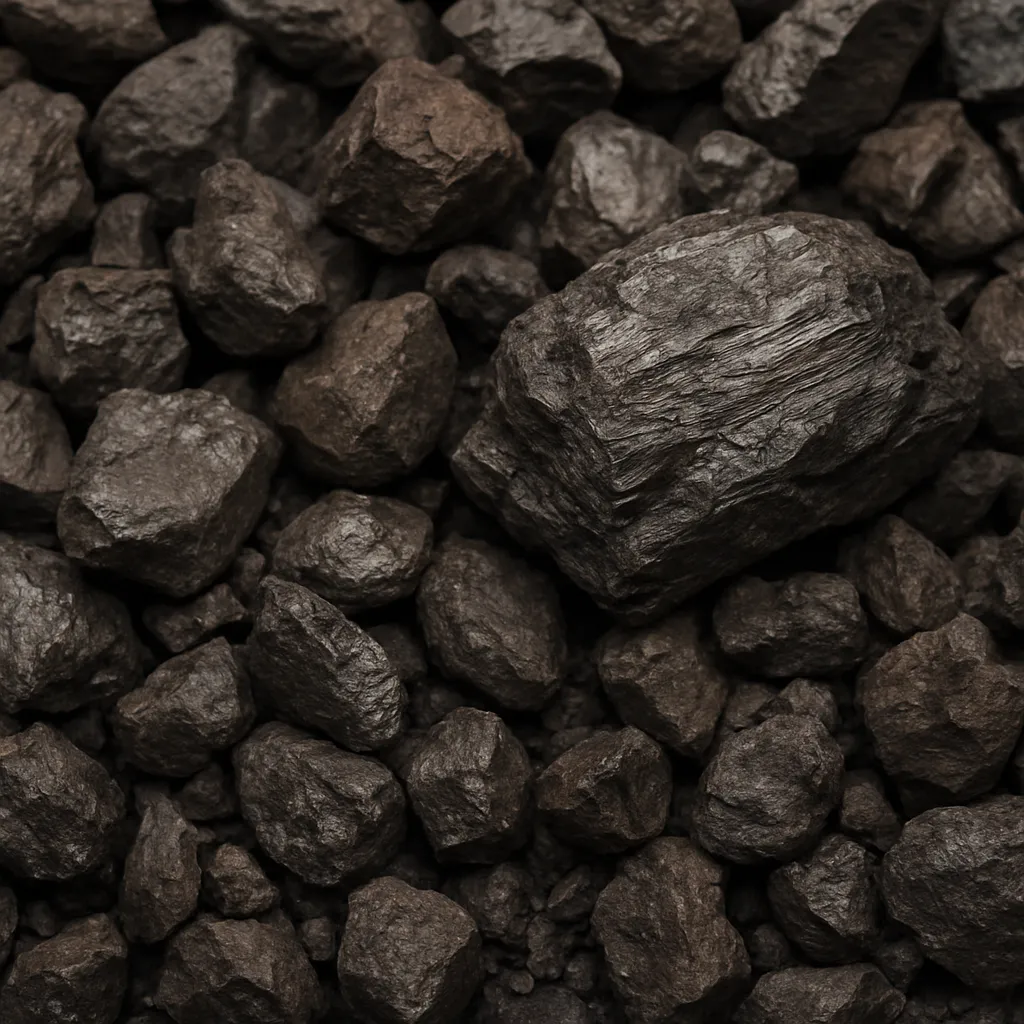
Raw lignite
This article explores raw lignite — a low-rank form of coal commonly called brown coal — examining its geological origins, where it is found and mined, its role in modern…

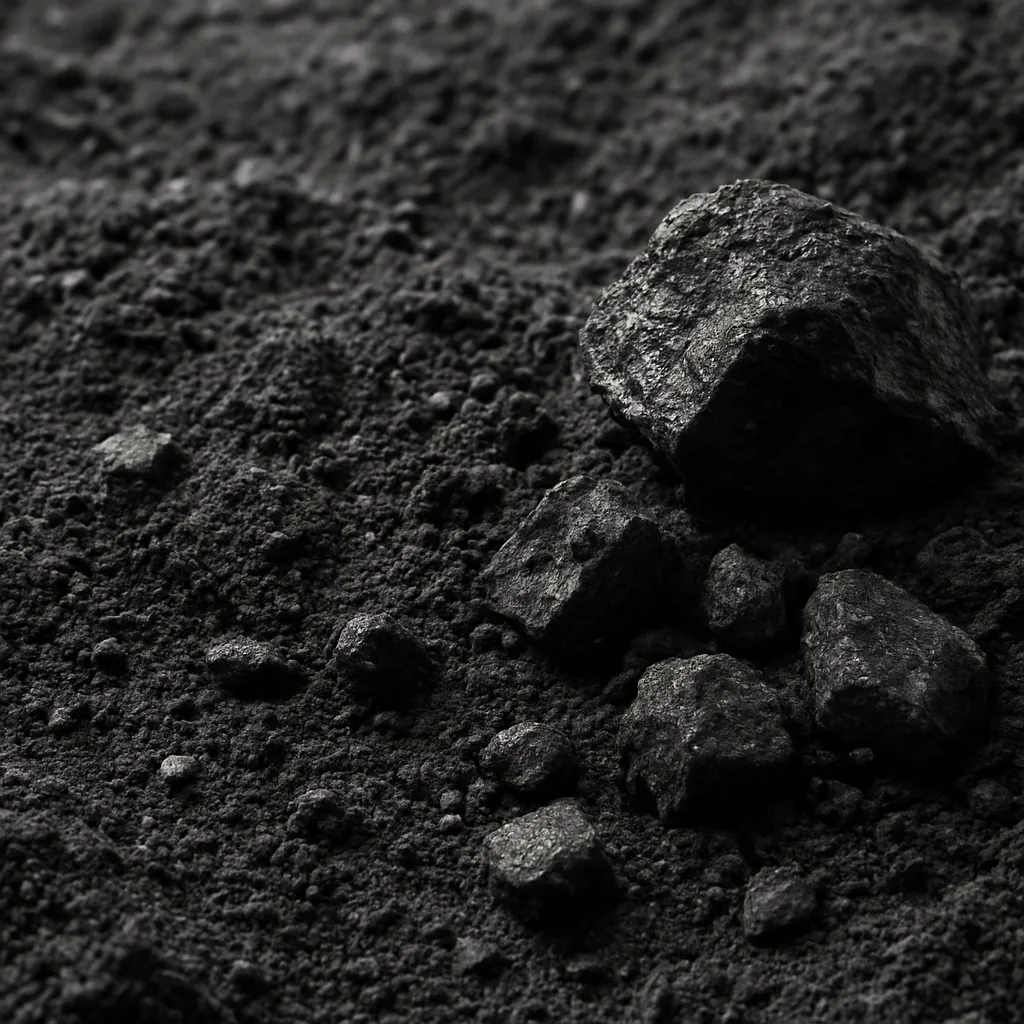
Explosive-grade coal dust
Explosive-grade coal dust is a hazardous but economically significant form of fossil fuel material. Finely divided coal particles suspended in air can form highly combustible clouds that, when ignited, produce…

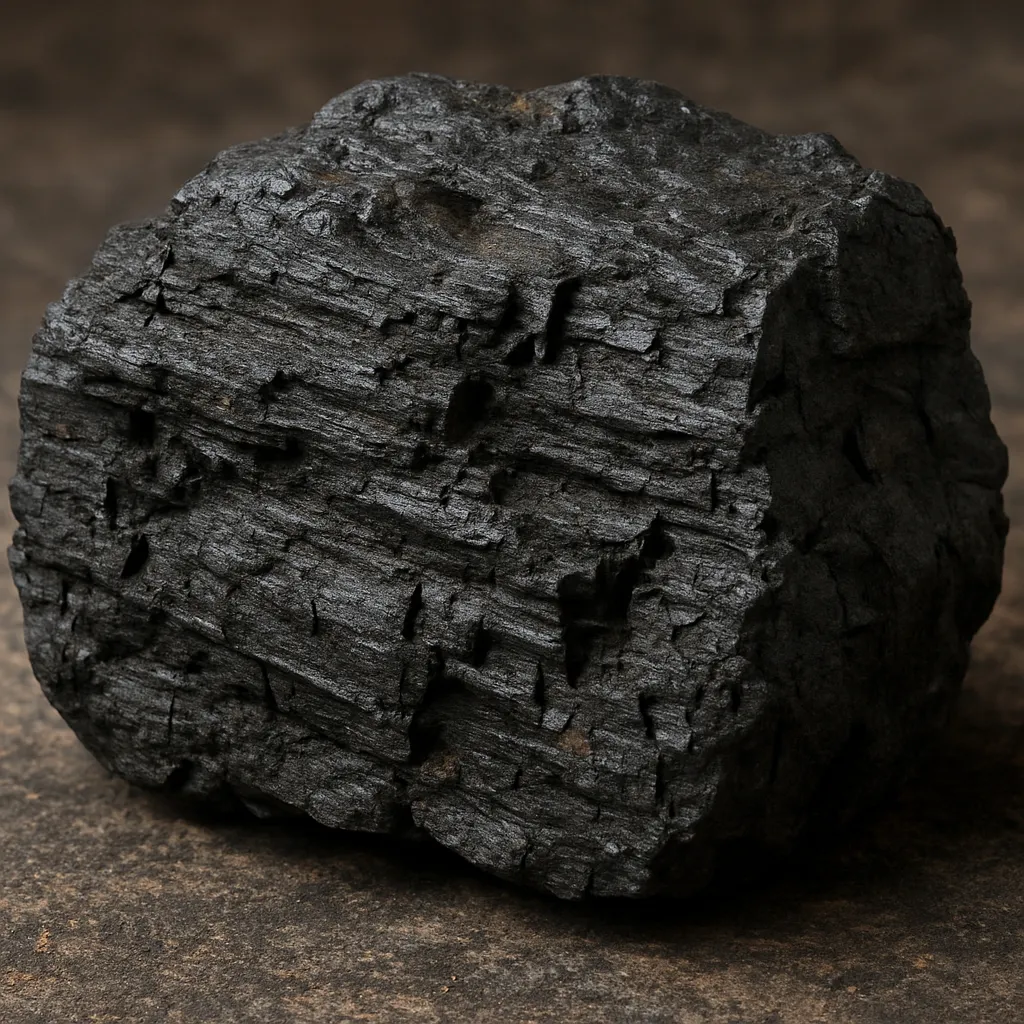
Aged lignite
This article examines aged lignite — commonly known as lignite or brown coal — from geological, technical, economic and environmental perspectives. It explains what distinguishes aged lignite from fresh coal,…

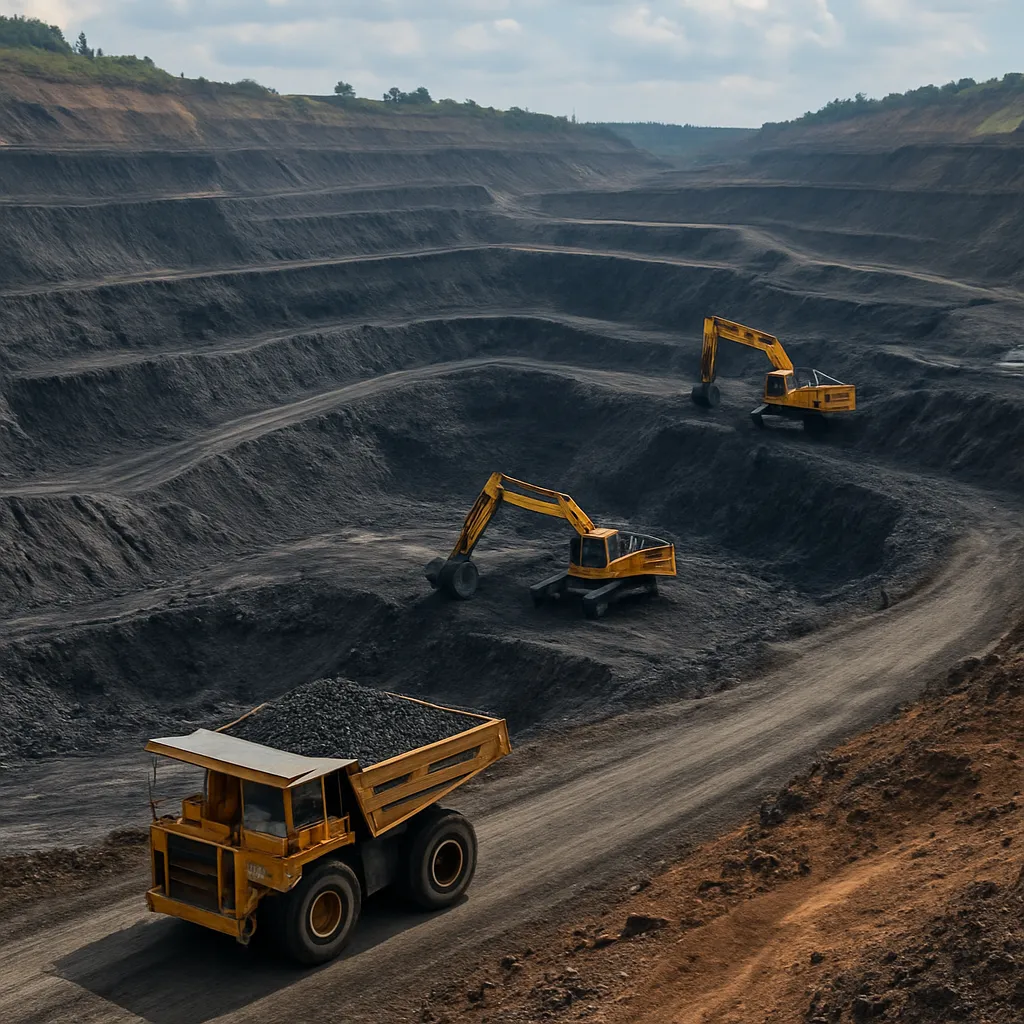
Tabang Coal Mine – Indonesia
The Tabang coal operation in Indonesia is one of the many coal-producing sites contributing to the country’s position as a global thermal coal supplier. This article provides a comprehensive overview…

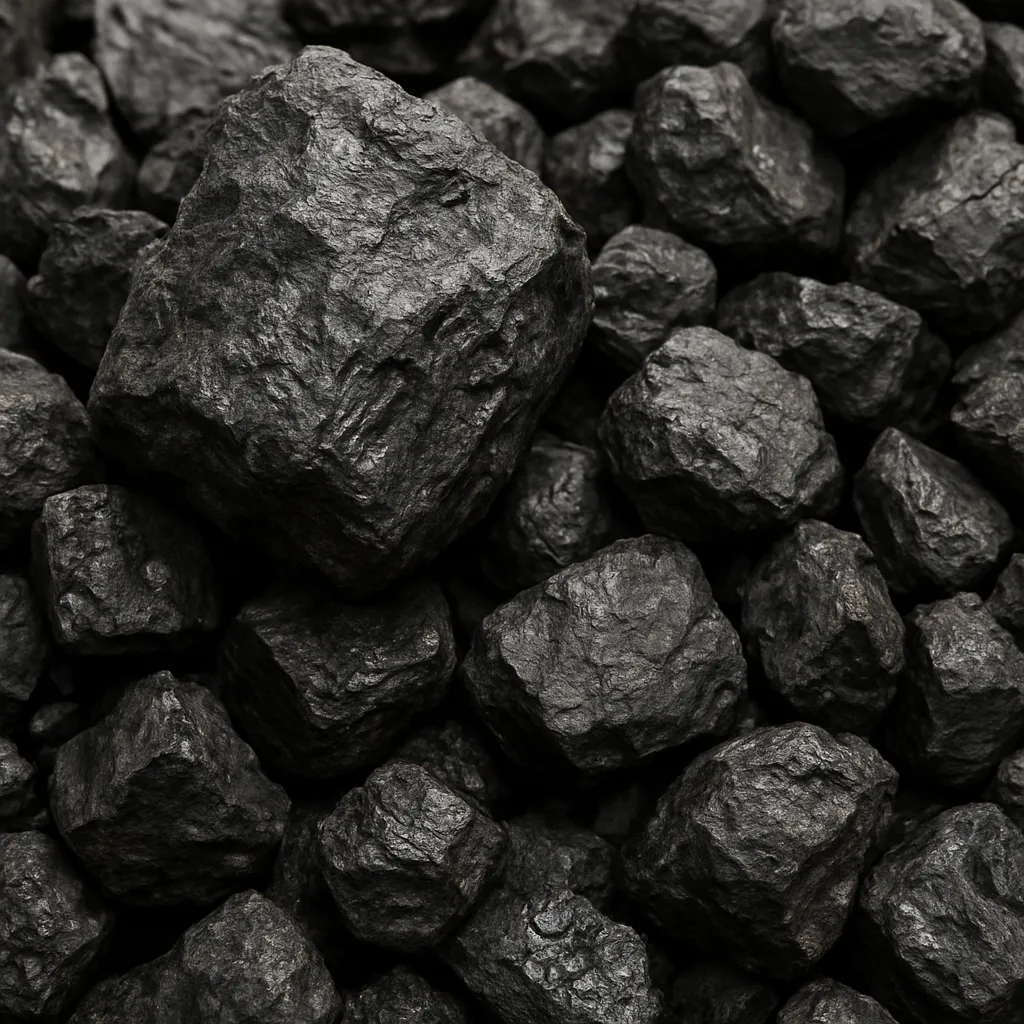
Weathered coal
Weathered coal is a distinct category of near-surface coal that has been altered by exposure to air, water, temperature changes and biological activity. This alteration changes its physical, chemical and…

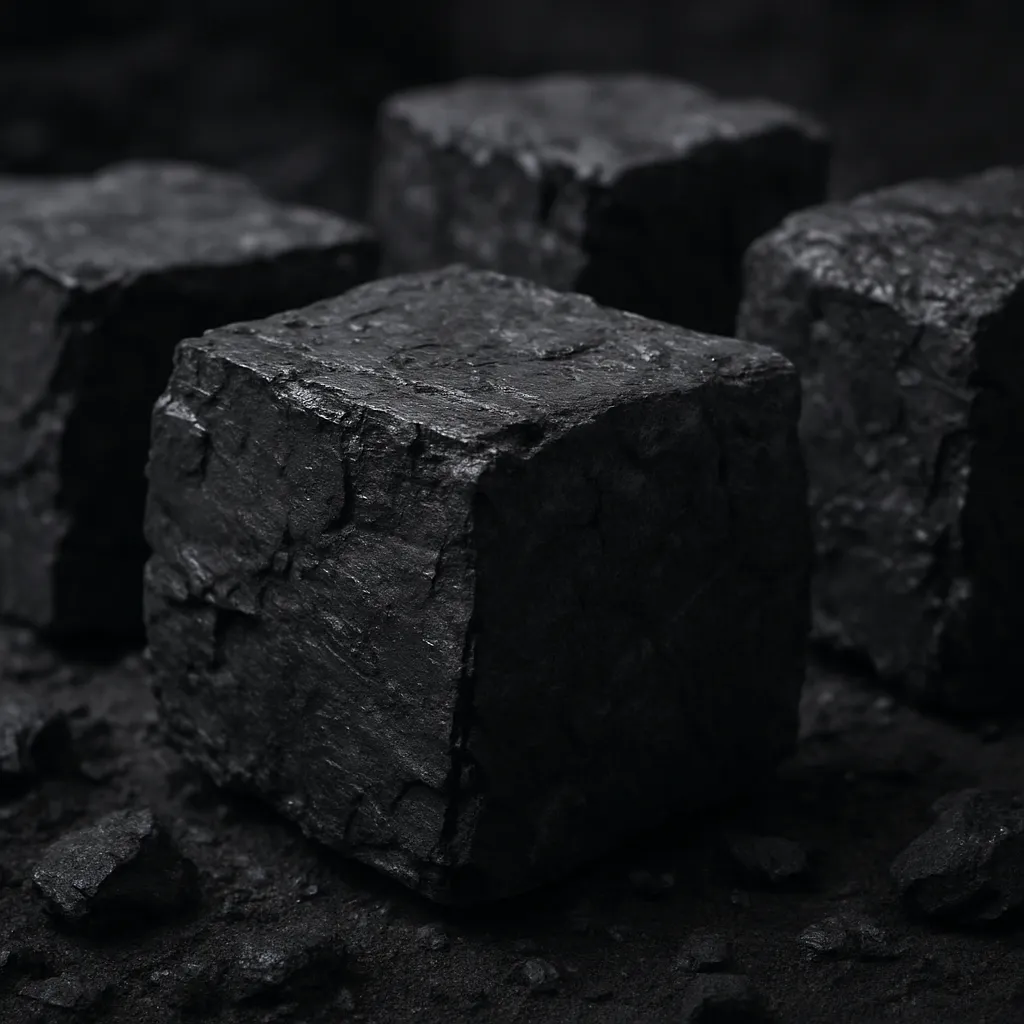
Formed coal blocks
Formed coal blocks are an engineered form of solid fuel made by compressing or agglomerating coal fines and other binders into uniform, handleable pieces. Widely used for domestic heating, industrial…


Run-of-mine coal (ROM coal)
Run-of-mine coal (commonly abbreviated as ROM coal) is the raw material produced directly from a mine before any processing, washing or blending. It represents the first form of coal as…
)

G-grade coal
This article examines the properties, distribution, economic role and industrial significance of a category frequently referred to as G-grade coal. The term can have several meanings depending on national standards…


D-grade coal
D-grade coal occupies a specific niche in the wider spectrum of coal types: it is typically a lower-ranked, commercially traded category of coal used mainly for thermal applications, industrial heating…


House coal
House coal — commonly sold as lumps of coal intended for domestic heating and small-scale use — remains an important yet controversial energy commodity in many parts of the world.…
