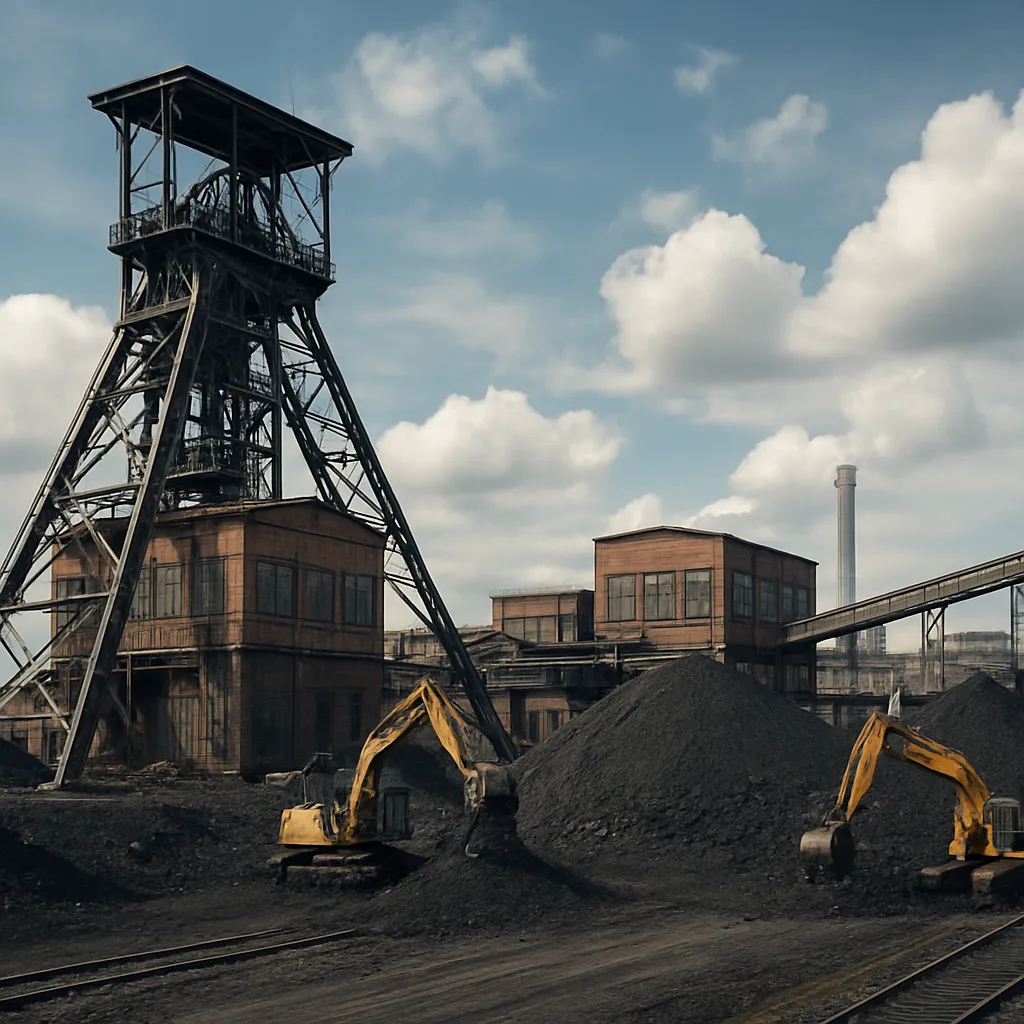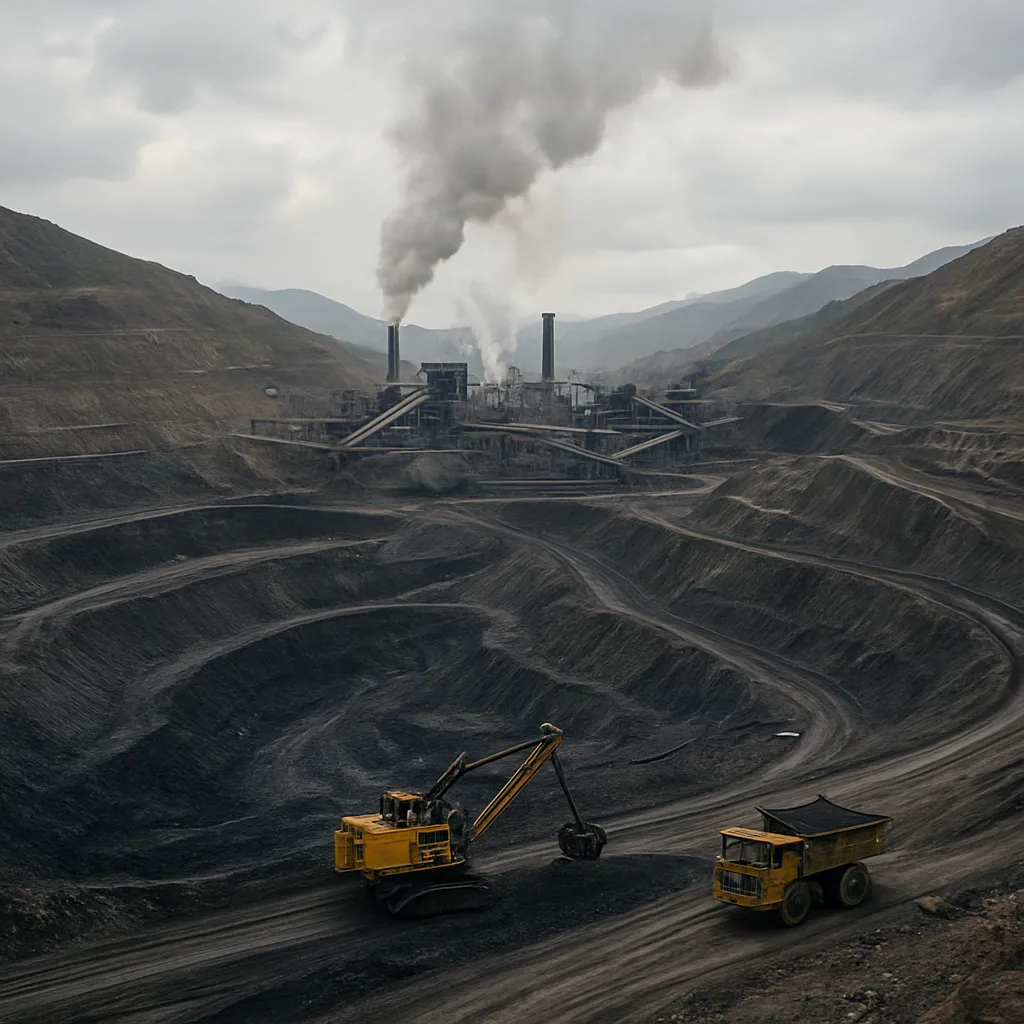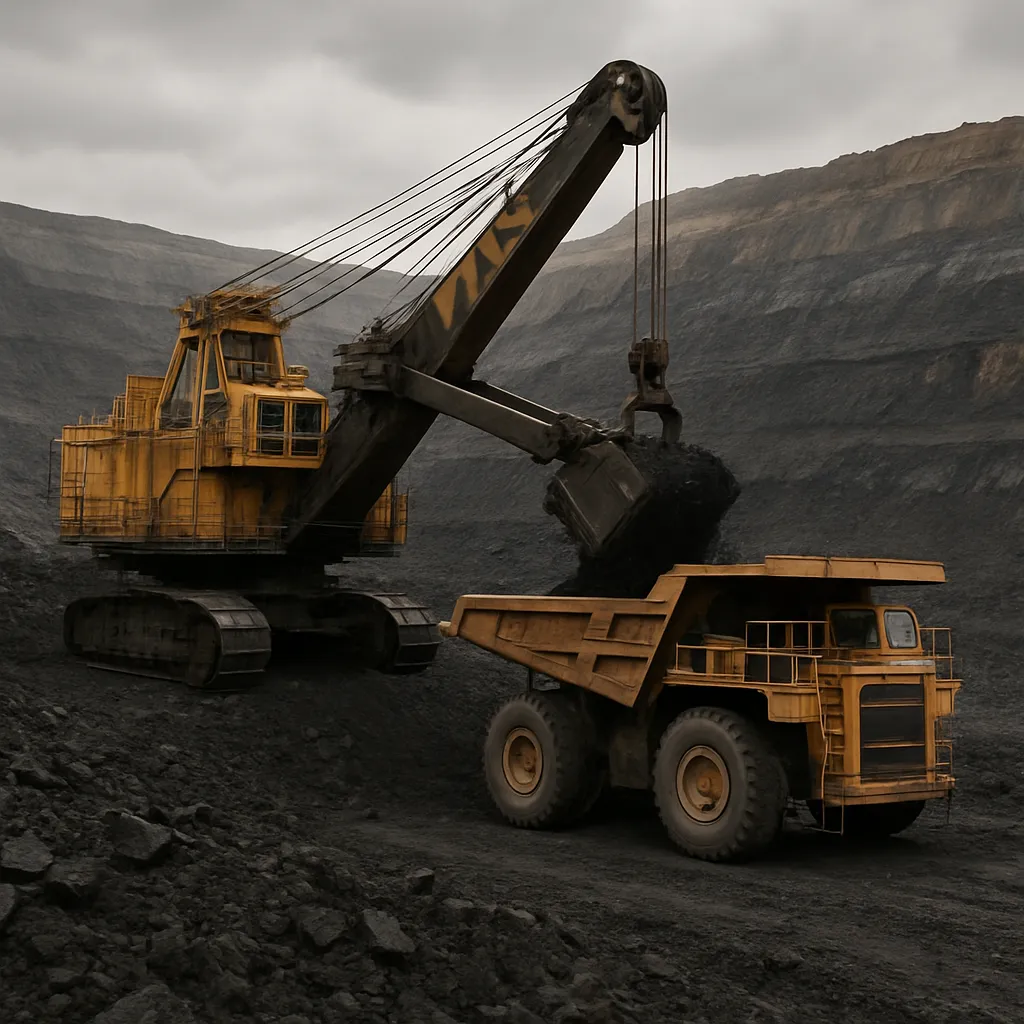
The Hegang coal mining area, located in the northeastern province of Heilongjiang in the People’s Republic of China, has been a longstanding center of coal extraction, regional industry, and community life. This article presents an overview of the Hegang coal mine complex, its geological characteristics, the types of coal produced, historical evolution, economic and statistical indicators where available, industrial significance, environmental and safety challenges, and the outlook for the region. The aim is to provide a comprehensive picture of how this mining area fits into China’s broader energy and industrial landscape.
Location and Geological Setting
The Hegang mining region sits in the eastern part of Heilongjiang province, near the border with Russia. The area includes several collieries and associated mining infrastructure clustered around the municipal center of Hegang. Geologically, the coal-bearing strata of the region belong to Permian and Carboniferous sequences and are part of the greater Northeast China coal basin. The coal seams occur within sedimentary basins that formed under varying paleoenvironments, resulting in coals of different ranks and qualities distributed across the field.
Coal Types and Quality
Hegang’s mines are generally known for producing several types of coal, primarily variants of bituminous coal and coals suitable for thermal and some metallurgical uses. In some sections of the coalfield, the coal rank approaches high-volatile bituminous or medium-volatile bituminous categories, while other seams may show characteristics useful for coking or blending with higher-grade coking coals. Quality parameters such as calorific value, ash content, sulfur content, and volatile matter vary by seam and by mine, which in turn influences the markets and end uses for Hegang coal (power generation, district heating, and certain industrial processes).
History and Development
Coal mining in the Hegang area dates back to the early 20th century and expanded substantially in the mid-20th century with industrialization policies and the development of state-owned enterprises. Over the decades, the region evolved from scattered small-scale pits to a more integrated cluster of mechanized mines and processing facilities. State investment, improvements in transport links (rail and road), and centralized planning played major roles in scaling up production through the second half of the 20th century.
In the reform era that began in the late 1970s and accelerated in subsequent decades, many Chinese coal operations underwent reorganization, consolidation, and modernization. Hegang’s mining sector similarly saw the formation of larger mining groups, investment in mechanized mining equipment, and efforts to improve coal processing and quality control. While Hegang does not rank among China’s very largest coal basins like the Shanxi or Inner Mongolia coal provinces, it has remained a strategically important supplier within Heilongjiang and the northeastern energy network.
Production, Reserves, and Statistical Overview
Precise up-to-date public statistics specific to an individual mine complex like Hegang can be difficult to obtain outside official Chinese government and industry publications. However, several general observations and reported figures help frame its scale:
- Regional contribution: The Hegang coalfield historically contributed a significant share of Heilongjiang province’s coal output, supporting local power stations, industrial users, and coal distribution to neighboring provinces and border regions.
- Reserves and resources: The Hegang area is part of a broader Northeast China coal system with substantial reserves measured in tens to hundreds of millions of tonnes across multiple mines. Reserve estimates vary by reporting agency and depend on definitions (proven, probable, inferred).
- Annual production: Individual Hegang mines and the combined output of the Hegang mining complex have at times reached annual production in the range of several million tonnes. Exact totals for a single year depend on mine capacity, regulatory factors, and market demand; however, production volumes typically supported local power generation and industrial consumption rather than large-scale export.
Available provincial-level statistics show Heilongjiang as an established coal-producing province, with production volumes in the tens of millions of tonnes annually in recent decades. Hegang’s role within this provincial output has been meaningful but smaller than that of the largest national coal-producing regions. When considering investment, employment, and energy security for the northeast, Hegang remains a valuable local asset.
Economic and Industrial Significance
The Hegang coal mines have multiple layers of economic importance:
- Local employment: Coal mining is a major employer in the Hegang area, providing direct jobs in mining, processing, transport, and ancillary services, as well as indirect employment through local supply chains.
- Energy supply: Coal from Hegang supplies thermal power plants and district heating systems in the region, contributing to energy reliability during long winter months typical of northeast China.
- Industrial feedstock: Although not all Hegang coal is coking-grade, portions have been used or blended for metallurgical processes and other industrial applications.
- Regional development: Revenues from mining and associated taxes have supported municipal budgets and regional infrastructure projects, from roads and rail links to social services.
These economic roles make the mine cluster central to Hegang’s urban economy, shaping labor markets, municipal planning, and the local fiscal base. Additionally, coal logistics (rail, trucking, and storage) create secondary economic activities, bolstering service and equipment sectors in the city and surrounding counties.
Mining Methods, Technology, and Modernization
Mining operations in Hegang historically combined underground room-and-pillar, longwall, and slope mining methods depending on geology and seam depth. Over recent decades, China’s push toward mechanization and improved mine productivity has led to the introduction of more advanced longwall equipment, mechanized continuous miners, and improved roof-control technologies where seam thickness and conditions permit.
Modernization efforts often focus on:
- Upgrading mechanical mining equipment to increase safety and productivity.
- Implementing better ventilation and gas management systems to reduce explosion risks.
- Adopting digital monitoring for equipment health, methane detection, and production tracking.
- Improving coal processing (washing and sorting) to meet stricter quality specifications for power plants and industrial customers.
Such measures not only seek to raise output per worker but also to comply with tighter environmental and safety regulations implemented at national and provincial levels.
Safety, Health, and Environmental Challenges
Coal mining anywhere poses safety and environmental risks; Hegang is no exception. Key issues include:
- Mine safety: Traditional hazards such as methane accumulation, roof falls, and water inrush require rigorous controls. Chinese mining policy has emphasized accident reduction, and many Hegang operations have invested in updated safety systems and training.
- Worker health: Coal workers face respiratory risks from dust exposure and occupational diseases if protective measures are insufficient. Dust suppression, personal protective equipment, and medical monitoring are essential mitigations.
- Environmental impacts: Surface disturbance, subsidence in areas underlain by underground workings, and water and soil contamination from mine drainage and coal processing can affect local ecosystems and agriculture. Managing coal-wash effluents and rehabilitating mined land are ongoing concerns.
- Air quality and greenhouse gases: Combustion of coal contributes to local particulate matter and regional greenhouse gas emissions. Efforts to increase coal quality and improve combustion technologies can mitigate some impacts, but broader energy transitions also influence long-term coal demand.
In response, local and provincial authorities, together with mining companies, have implemented programs for mine closure planning, environmental remediation, and safety upgrades. The pace and extent of such programs vary by operator capacity and regulatory enforcement.
Transport, Logistics, and Market Connections
Hegang’s coal output relies on transport networks to reach consumers. Railways are the primary mode for moving bulk coal to power plants and industrial hubs elsewhere in Heilongjiang and neighboring provinces. Road transport plays a complementary role for shorter distances or smaller shipments. The proximity to the Russian border creates potential logistical linkages for cross-border trade, though export volumes historically have been limited by market economics and infrastructure constraints.
Price dynamics for Hegang coal are influenced by provincial demand (especially during cold months), national coal price trends, and the availability of alternative fuels or supplies from larger basins. Quality-related discounts or premiums affect how coal is allocated between local power generation, municipal heating, and industrial customers.
Socioeconomic Impact and Community Life
Coal mining shapes everyday life in Hegang. Mining communities often develop around collieries and include housing, schools, hospitals, and social infrastructure funded or supported by mining enterprises. The cyclical nature of coal markets can create economic stress during downturns, while booms can strain local services and housing.
Demographic impacts include population patterns tied to employment opportunities; in some decades, urbanization trends drew workers into Hegang’s mines and related industries. As Chinese national policy shifts toward cleaner energy and diversified regional economies, Hegang faces the dual challenge of sustaining livelihoods while transitioning to less coal-dependent economic structures.
Regulatory Context and Policy Drivers
National and provincial policy shape the operational environment for coal mines. Key drivers include:
- Safety regulation: Stricter inspection regimes and penalties for unsafe operations.
- Environmental policy: Emissions controls for power plants and requirements for mine reclamation and wastewater management.
- Energy strategy: While coal remains a major part of China’s energy mix, policy emphasis on efficiency, cleaner coal technologies, and renewables affects long-term demand.
- Industrial consolidation: Encouragement of larger, better-capitalized mining groups to replace smaller, less-safe operations.
Hegang mines have adapted to these policies to varying degrees, with larger operators typically better-positioned to invest in compliance and modernization.
Future Prospects and Transition Challenges
The future of the Hegang coal mining area will depend on several interrelated factors:
- Market demand: Continued demand for coal for heating and power in northeast China will sustain a baseline need, but growth prospects are constrained by national decarbonization goals and competition from larger coal provinces.
- Technological modernization: Adoption of advanced mining and emissions-control technologies can improve competitiveness and reduce environmental impacts.
- Economic diversification: Successful transition strategies would develop alternative local industries — such as light manufacturing, logistics, or renewable energy projects — to reduce dependency on coal employment.
- Rehabilitation and redevelopment: Post-mining land use planning, including ecological restoration and redevelopment for industrial parks or public amenities, can help mitigate long-term environmental liabilities.
Policymakers and local stakeholders face the complex task of balancing short-term socio-economic needs with long-term sustainability goals. Investments in retraining, small business development, and infrastructure can smooth transitions for affected communities.
Interesting Notes and Lesser-Known Aspects
- Hegang’s long winters create a steady seasonal demand for coal for heating, which has historically stabilized local coal consumption compared with regions relying on industrial demand alone.
- Some Hegang mines include deep, multi-seam systems that require specialized engineering to manage groundwater inflow and roof support challenges.
- Local cultural identity in Hegang is closely tied to mining heritage; museums, memorials, and community narratives often reflect the centrality of coal to the city’s development.
- Smaller-scale coal washing and sorting facilities around Hegang play an important role in upgrading product quality for regional consumers.
Summary
The Hegang coal mining area remains an important regional piece in China’s broader coal and energy landscape. With a history stretching back over a century, the mines have supported local economies, provided heating and industrial fuels, and shaped community identity. The field produces primarily bituminous coals with varying quality suitable for thermal and some metallurgical uses. While precise production and reserve figures for individual mines fluctuate and are reported through official channels, Hegang’s contribution is best understood as significant within Heilongjiang province though not on the scale of China’s largest coal basins.
Looking ahead, Hegang faces the combined challenges of improving mine safety and environmental performance, modernizing operations, and managing socio-economic transitions as national energy priorities evolve. Properly managed, the region can leverage its industrial base, transport links, and human capital to diversify its economy while responsibly addressing the legacies of coal mining.