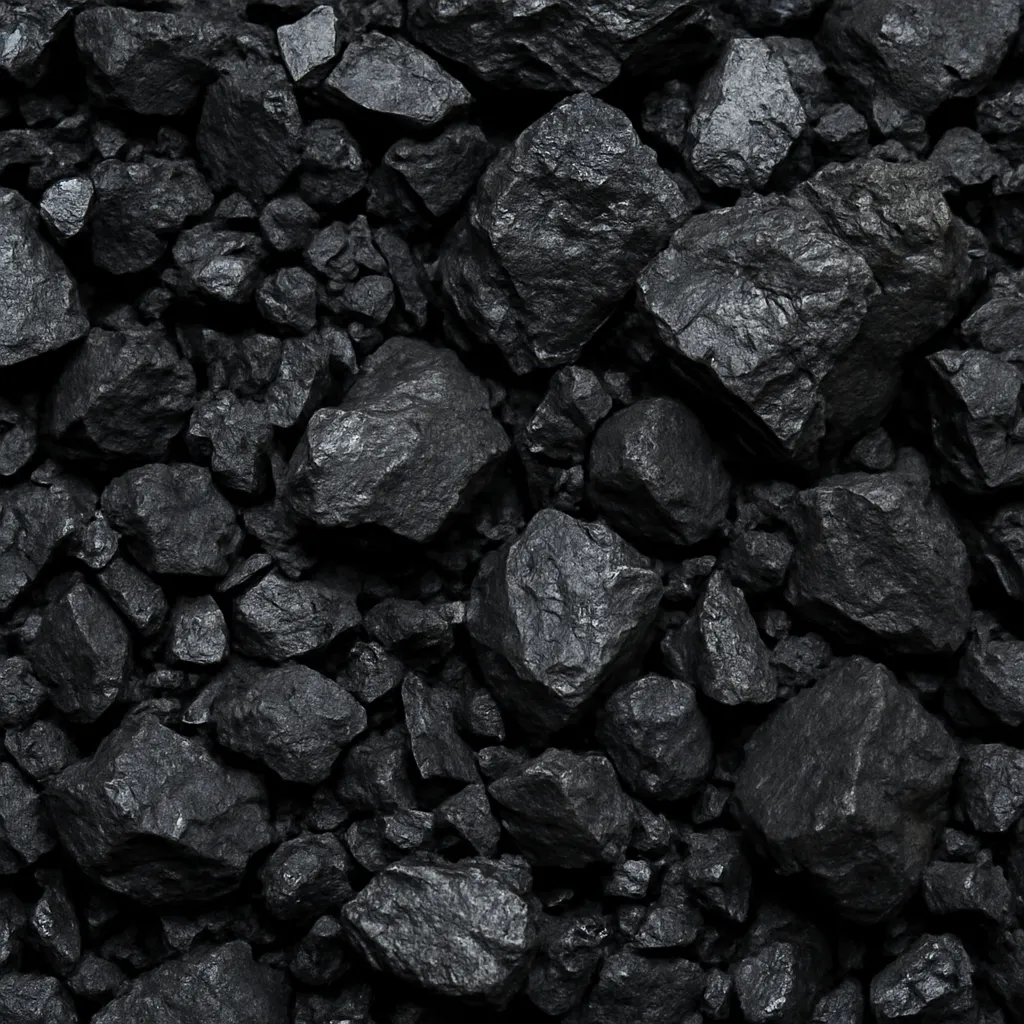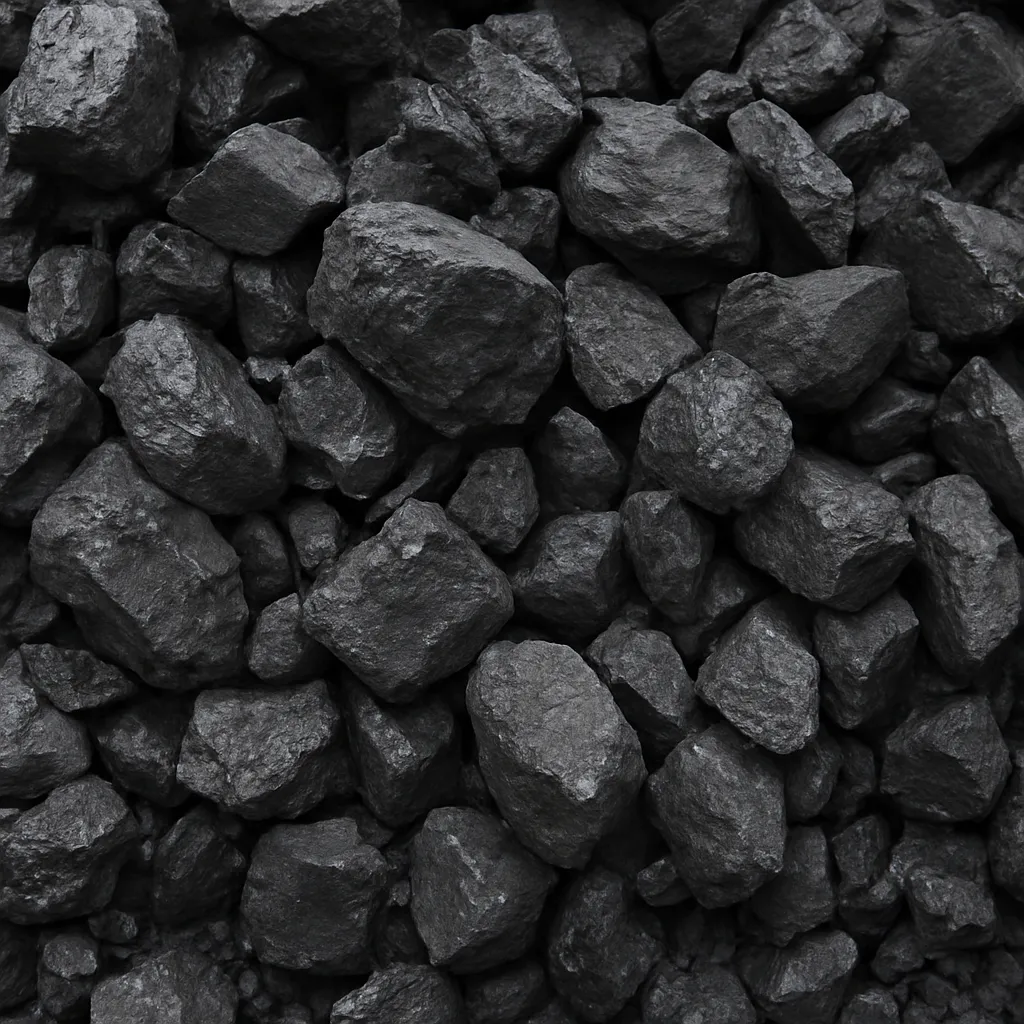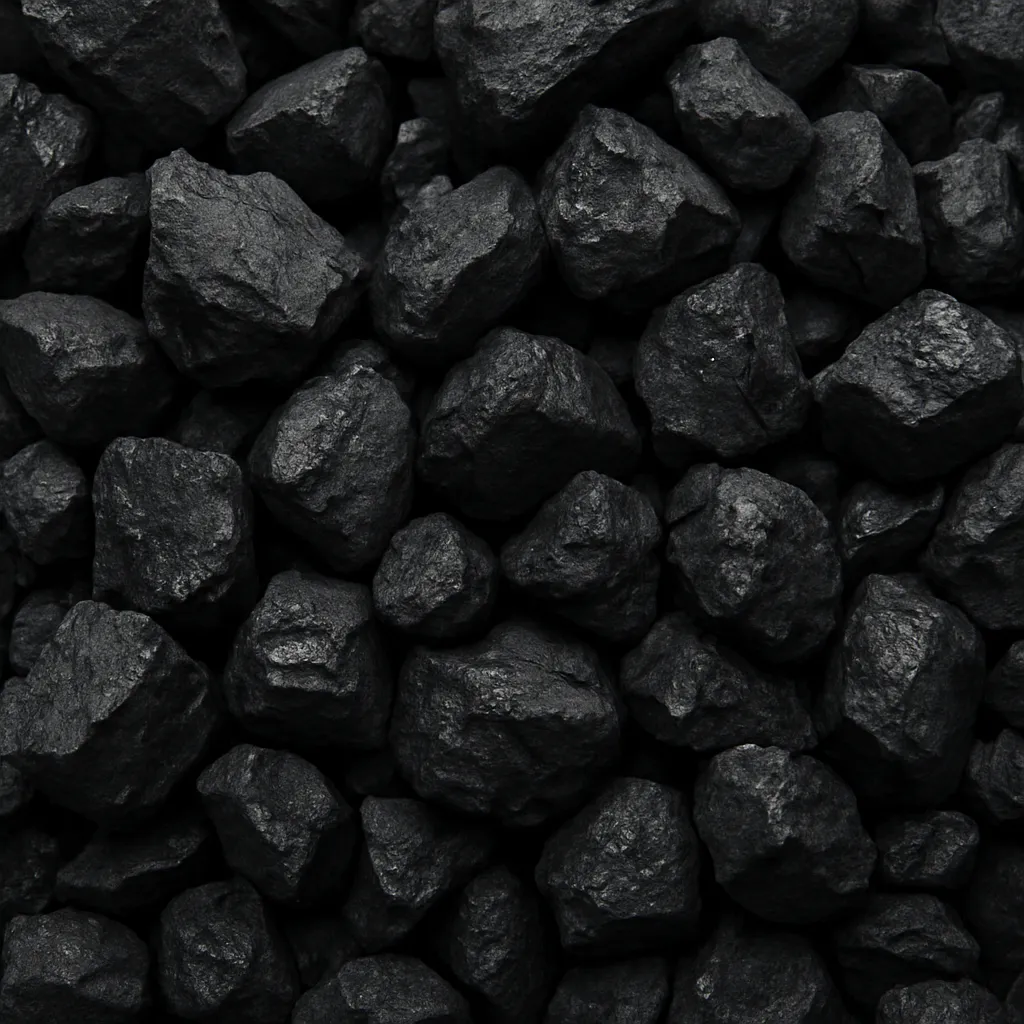
Stoker coal occupies a special niche in the broad category of fossil fuels: it is not a distinct geologic rank but a practical product specification designed for a particular combustion technology. Historically essential for domestic heating, small-to-medium industrial boilers, and district heat plants, stoker coal remains relevant where mechanical grate-fed furnaces are used or where coal sizing and handling constraints rule out pulverized systems. This article outlines what stoker coal is, where it is sourced, its economic and industrial roles, environmental issues, and technological trends shaping its use.
What stoker coal is and its key properties
Definition and purpose
Stoker coal refers to coal prepared and sized for use in mechanical or hand-fed stoker grates and similar combustion systems. These systems feed coal onto a moving or oscillating grate that supports the fuel as it burns, enabling semi-automated feeding and ash removal. Because the combustion technology relies on a certain particle size and behaviour during burning, coal sold as “stoker” is graded, screened, and sometimes blended to meet demand for predictable combustion and efficient operation of boilers and grates.
Physical and chemical characteristics
- Rank: Stoker coal is commonly derived from bituminous seams, although semi-bituminous and anthracite fines can also be used depending on availability and the stoker design.
- Size: Typical sizing depends on furnace design; many stokers accept lumps or crushed coal in the approximate range of small lumps to coarse fines. Depending on specification, particle sizes might be roughly in the range of a few millimetres up to several centimetres — manufacturers and suppliers often define exact ranges.
- Calorific value: Values vary by seam and preparation, but stoker coal generally delivers moderate heating content. Typical lower heating values for bituminous stoker coals may lie in the order of calorific value around 18–30 MJ/kg (subject to variation).
- Moisture and ash: Lower moisture and moderate ash content are desirable. Excess moisture reduces effective heating value and makes feed/handling more difficult; ash content influences clinker formation and the frequency of cleaning.
- Sulfur and pollutants: Sulfur content may range from low to high depending on the deposit; high-sulfur material needs flue gas desulfurization or blending strategies to meet emissions requirements.
Where stoker coal occurs and main sourcing regions
Geological context
Stoker coal is not a unique geological type. It is a commercial grade derived from coal seams that occur worldwide. The geological distribution mirrors broader coal occurrence: sedimentary basins formed during the Carboniferous and younger periods contain the seams most commonly mined for thermal uses. The decision to allocate a particular seam’s output to the stoker market depends on particle preparation, local demand for grate-fired units, and competition from other uses (e.g., pulverized power plants, coking uses).
Main mining regions supplying stoker-grade material
Because stoker coal is a market classification, the list of regions that supply it tracks the major thermal-coal-producing areas globally. Major producers and suppliers that commonly supply material suitable for stoker use include:
- China — the world’s largest coal producer, where a wide range of thermal coals are mined and used in everything from small boilers to massive power plants.
- United States — Appalachian and Illinois Basin bituminous coals and some western basins provide material that can be sized for stoker applications.
- Russia — large reserves of thermal coal are available across Siberian and Far Eastern basins; some material is allocated to domestic small-scale furnaces.
- Australia and Indonesia — major exporters of thermal coal that are often blended and sized for varied markets, although much exported material is used in pulverized coal plants.
- Poland, Czech Republic, Germany (historic), and other European coal basins — where local heating and industrial uses continue to demand stoker-sized material.
Smaller basins and national markets in Southeast Asia, Latin America and Africa also produce coal that may be marketed as stoker coal for local heating and industrial uses.
Uses, industry significance and applications
Primary applications
- Stoker furnaces and grate-fired boilers — the classic application. Stoker coal feeds into moving grates for small-to-medium boilers used in factories, district heating plants, and some institutions.
- Residential and communal heating — in regions where modern heating fuels are scarce or expensive, stoker-ready coal supports multi-family or community boiler plants.
- Backup and cogeneration plants — smaller-scale generators and combined heat and power (CHP) units with grate technologies often prefer stoker-sized material for reliable combustion.
- Industrial process heat — some manufacturers and food-processing plants use grate-fired furnaces for process steam and drying applications.
Why stoker coal remains economically important in some markets
Although large power stations increasingly rely on pulverized coal or gas, stoker coal remains relevant where:
- Capital cost constraints favour simpler grate technologies instead of more expensive pulverized or fluidized bed systems.
- Local supply chains and small-scale plants require fuels that can be handled and stored without complex fuel preparation.
- There is a legacy of existing stoker equipment that is still serviceable and economically viable for decades-old installations.
For many small industrial users, the ability to burn a sized coal that is easy to feed, store and manage offers a reliable, low-technology solution, maintaining the economic role of stoker coal in certain geographies and industries.
Economic and market aspects
Market dynamics and price drivers
The price and availability of stoker coal are influenced by the same basic drivers as the broader thermal coal market, though local factors can dominate for stoker-grade material:
- Global demand for thermal coal, particularly from large consumers like China and India, influences baseline prices.
- Logistics and proximity to end users — because stoker coal is often used locally, transport costs can dominate the delivered price.
- Competition with alternative fuels (natural gas, heavy fuel oil, biomass) affects demand and price elasticity for stoker coal.
- Regulatory costs, emissions controls, and carbon pricing can shift economics away from coal in some jurisdictions or increase costs for compliant stoker use.
Global coal production context (approximate)
To place stoker coal in perspective, global coal production in the early 2020s was on the order of several billion tonnes per year, with a substantial share consumed for power generation and industrial heat. Major coal-producing countries include China, India, the United States, Australia, Indonesia and Russia, with China accounting for a very large share of global production. Exact proportions fluctuate year to year with demand and policy changes; stoker coal represents a fraction of total thermal coal output but can be regionally significant where grate-fired systems are common.
Trade and supply chain
Stoker coal trade tends to be more localized than the global shipping of large, standardized thermal coal cargos. Cross-border shipments occur (especially in regions with adjacent markets), but the niche nature of size and quality specifications often leads to domestic sourcing, local crushing and screening, and blending before delivery. Domestic rail, barge and truck networks are therefore crucial to the stoker coal supply chain.
Environmental, health and regulatory considerations
Emissions and air quality
Burning stoker coal, like other forms of coal combustion, emits carbon dioxide (CO2), particulates, sulfur oxides (SOx), nitrogen oxides (NOx) and trace metals. These emissions pose climate and air-quality challenges. Because many stoker installations are located in urban or semi-urban areas as district heating plants or industrial boilers, particulate and SOx control is often a high priority. Technologies such as electrostatic precipitators, fabric filters (baghouses), and flue gas desulfurization can be applied but may be less common in smaller, cost-sensitive installations.
Regulatory trends
Policy trends in many countries have tightened emissions standards for small boilers and heating plants, which affects the viability of traditional stoker-fired installations. Regulatory pressures include:
- Stricter particulate and sulfur emission limits.
- Restrictions or bans on certain high-sulfur or high-ash coals in urban and residential zones.
- Incentives for fuel-switching (to gas, biomass or electric heating) and for energy efficiency upgrades.
- Carbon pricing mechanisms that increase the operating cost of coal-fired systems relative to lower-carbon alternatives.
Public health and environmental remediation
Coal handling (dust), ash disposal and potential leaching of metals from ash are local environmental concerns. Proper ash management, dust suppression during loading/unloading, and containment of runoff are important operational controls. In many jurisdictions, environmental compliance costs for smaller plants can be a decisive factor in whether to upgrade, retrofit or retire stoker-fired equipment.
Technological developments and future outlook
Improvements in combustion and pollution control
Modern grate designs, improved air staging, and integrated controls can significantly improve efficiency and emissions performance of stoker systems. Retrofitting older stokers with improved grate aeration, automated feed control, and secondary combustion zones reduces unburned carbon and particulate emissions. Where capital is available, installing baghouses or compact electrostatic precipitators can bring smaller plants into compliance with tighter standards.
Alternative approaches and competition
- Fuel switching: The rise of natural gas infrastructure and biomass availability is a competitive force; many district heating operators convert stokers to burn biomass pellets or co-fire coal with biomass to reduce net CO2 emissions.
- Gasification and advanced conversion: For some larger facilities, gasification or conversion to pulverized coal systems with better emissions control may be economic, but these options often require significant investment.
- Carbon capture: Carbon capture solutions remain expensive and are rarely applied to small stoker plants; however, policy incentives or new modular CCS technologies could change the calculus for larger aggregated operations in the future.
- Briquetting and pelletizing of fines: Coal fines and small particle fractions that would otherwise be waste can be compressed into briquettes or pellets to meet stoker size requirements and improve handling and combustion consistency.
Practical guidance for users and suppliers
Selection and quality control
Operators seeking stoker coal should specify the following to suppliers: particle size distribution appropriate to the grate type, target calorific value, maximum acceptable moisture, ash and sulfur content, and any required washing or blending. Regular laboratory testing for proximate and ultimate analysis ensures the supplied product meets operational and environmental needs.
Storage, handling and safety
- Storage design should control moisture ingress and spontaneous combustion risk for large piles. Compaction, turning and temperature monitoring help manage hotspots.
- Dust control during transfer and loading protects worker health and reduces explosion risk in enclosed spaces.
- Ash handling systems must be designed for safe removal and neutralization or disposal to comply with local environmental rules.
Interesting facts and historical context
- Stoker technology played a central role in the industrialization era, enabling mechanized continuous feeding of coal into steam boilers and improving labor productivity compared with hand-firing.
- In many older towns and cities, district heating systems established decades ago still rely on grate-fired boilers and thus keep demand for stoker-grade coal alive despite broader shifts to other fuels.
- Because stoker coal is a product category, creative local solutions—such as blending low-cost local coals with higher-quality material—are common to meet operational needs while managing cost and emissions.
Summary and outlook
Stoker coal remains a relevant fuel in many niches despite pressure from more modern combustion systems and policy-driven shifts away from coal. Its continued use is driven by legacy equipment, local economics, infrastructure realities and the practicality of grate-fired systems for particular industrial and district heating needs. Key challenges include tightening environmental regulations, competition from lower-carbon fuels, and the need for investment in emissions control where stoker systems remain in operation. For suppliers and operators, attention to quality control (size, moisture, ash, sulfur), logistics and compliance with air-pollution rules will determine the long-term viability of stoker coal applications.
Stoker coal, as a functional classification, thus represents a bridge between raw geological resources and end-use technology: when matched to appropriate equipment and managed for quality and emissions, it can continue to serve important energy needs in specific contexts. Policymakers, plant operators and fuel suppliers all play a role in determining whether those contexts will persist, evolve toward cleaner alternatives, or disappear as fuel systems modernize.