The Genesee coal mining area in Alberta, Canada, is an important node in the province’s historical and contemporary energy landscape. This article reviews the mine’s **location**, the type of **coal** extracted, the methods of extraction, its **economic** role, environmental and social implications, and prospects for the future. The intent is to provide a comprehensive, factual overview of the Genesee mining operations and their broader significance in the region and the Canadian energy sector.
Location and geological context
The Genesee coal operations are located in west-central **Alberta**, in the general vicinity of the hamlet of Genesee, roughly to the west/southwest of the provincial capital, Edmonton. Geologically, the deposits tapped by the local mines are part of the larger coal-bearing formations of the Western Canadian Sedimentary Basin, which host a number of economically important seams across Alberta and into British Columbia and Saskatchewan.
The geology of the area is characterized by layered sedimentary rocks deposited in Cretaceous to Paleogene basins. Coal seams in the Genesee region are typically near-surface or shallowly buried, which has made them amenable to large-scale surface mining techniques. These seams belong to low-rank classifications typical of Alberta — primarily **sub-bituminous** coals — formed from ancient peat bogs and floodplain sediments subjected to relatively low to moderate pressures and temperatures during burial.
Mining operations and coal characteristics
Type and quality of coal
The coal extracted in the Genesee area is predominantly **sub-bituminous** thermal coal. This type of coal is suited for combustion in large boilers to produce steam and generate **electricity**. Sub-bituminous coals from this part of Alberta generally have the following characteristics:
- Moderate heat content (lower heating value typically in the lower to mid-range compared with bituminous coal).
- Relatively low sulfur content compared with many older bituminous coals, which aids in compliance with air quality regulations.
- Higher inherent moisture content and a tendency toward higher volatiles, which impacts handling, drying, and combustion performance.
These features make Genesee coal particularly appropriate for use in nearby **thermal** power plants designed around the specific combustion and boiler characteristics of sub-bituminous coal.
Mining methods and infrastructure
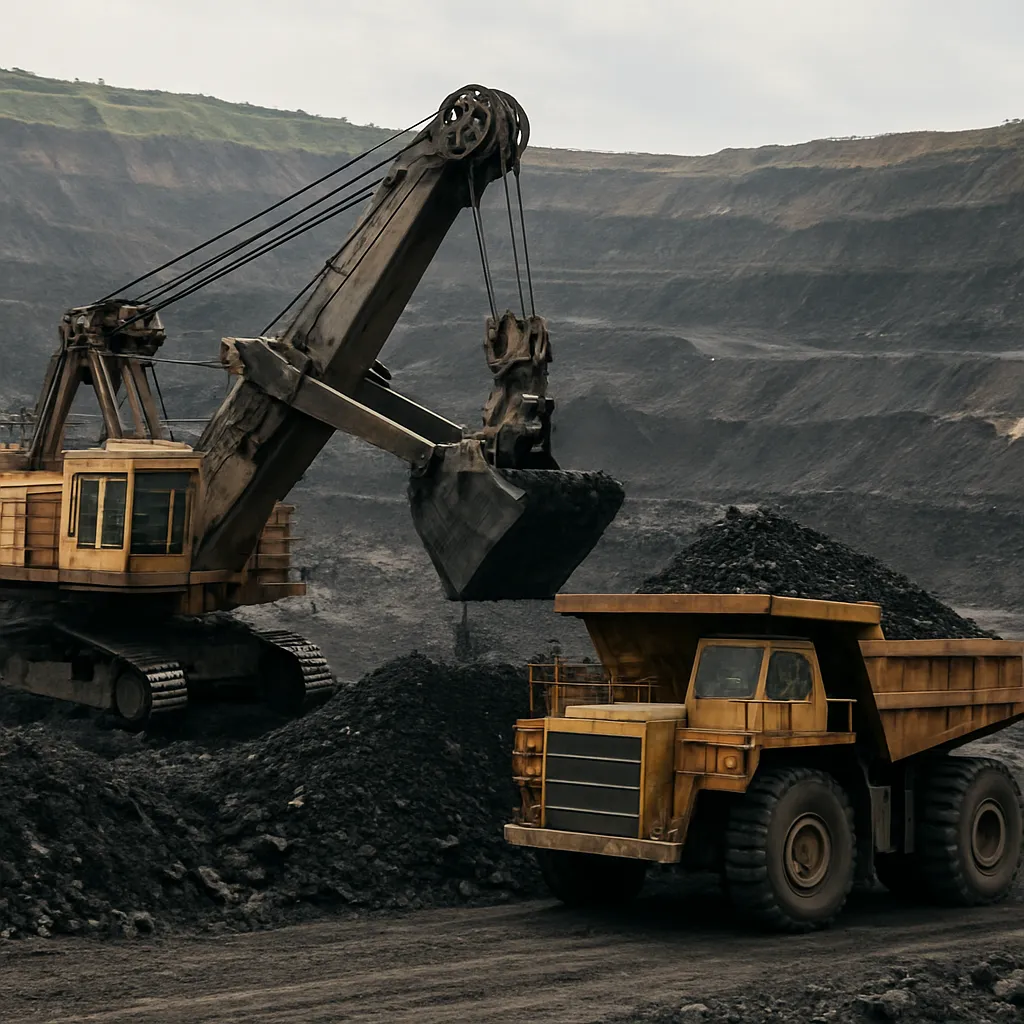
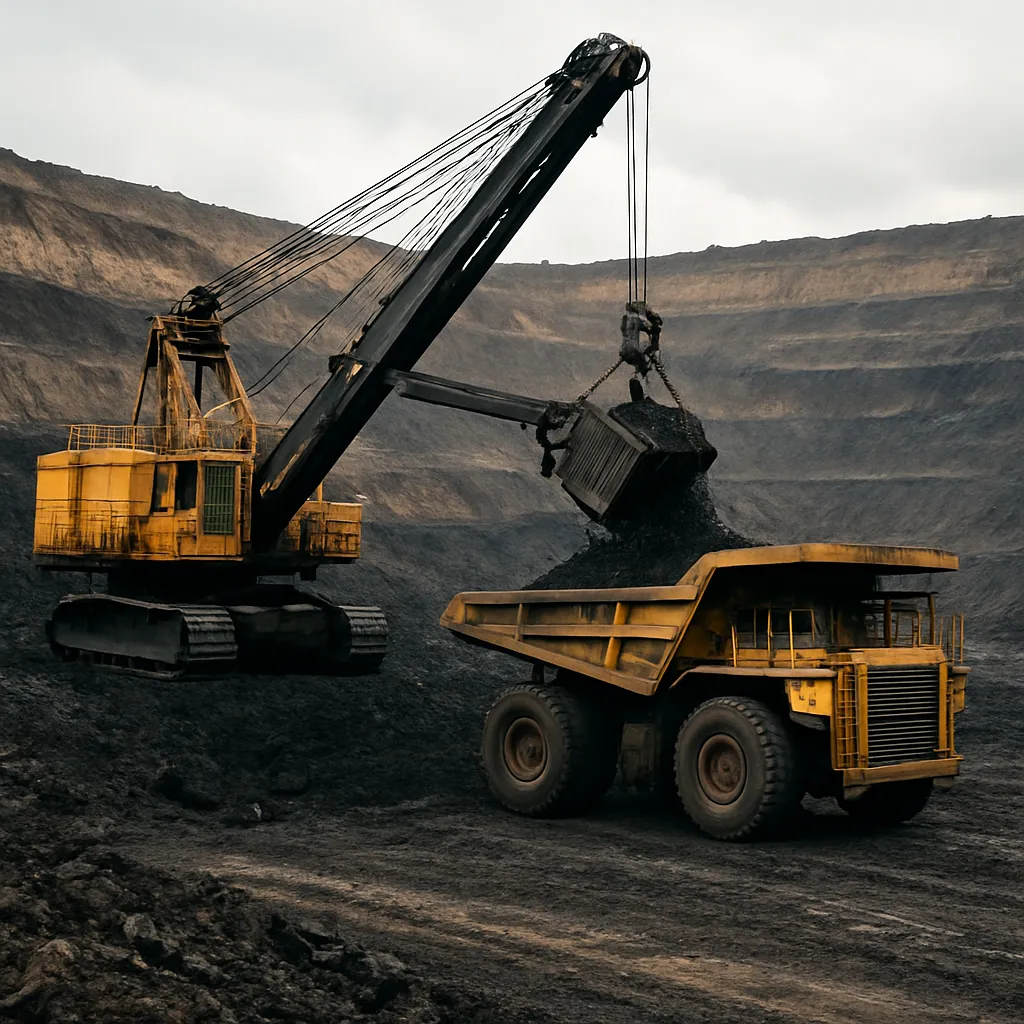
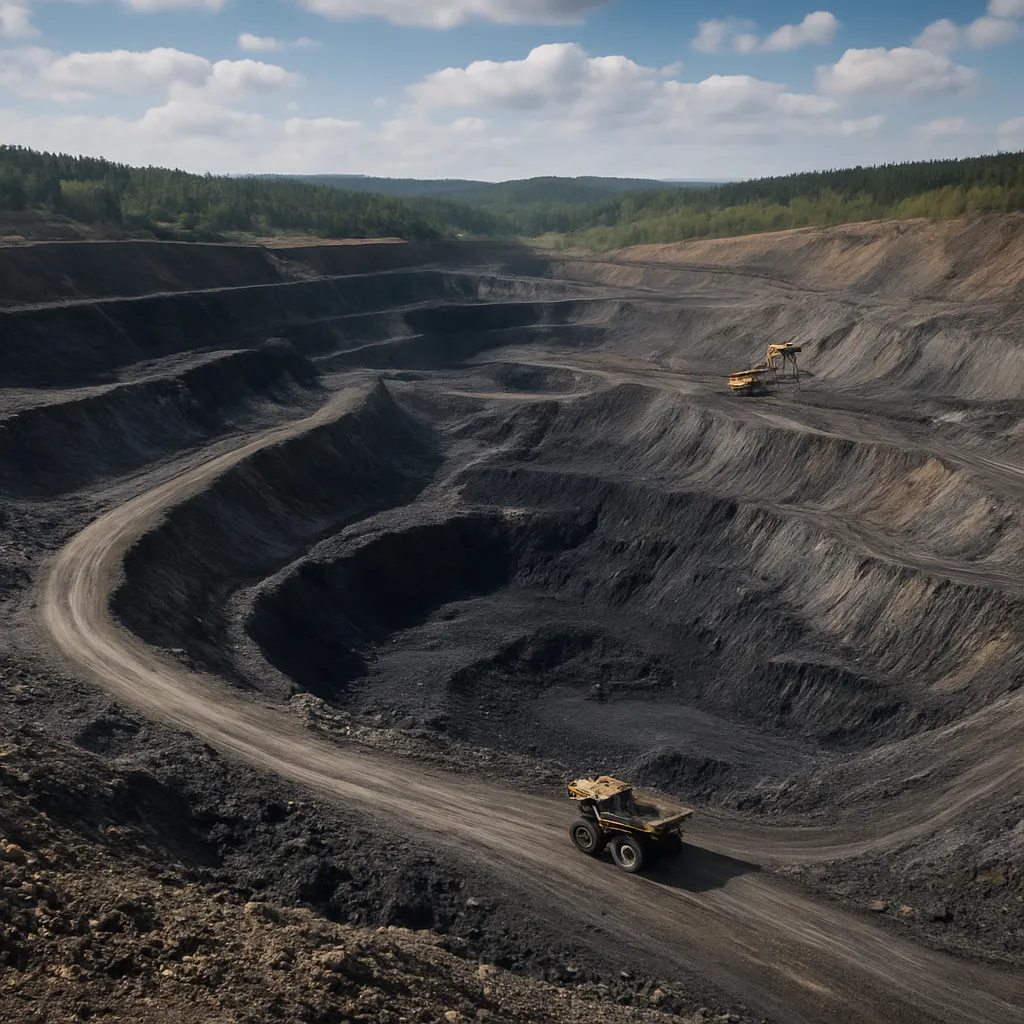
Because seams in the Genesee area are close to the surface, the predominant method of extraction is **open-pit** (surface) mining. Operations typically involve:
- Overburden removal using large excavators, draglines, or shovels.
- Haul truck fleets to move overburden and ore between the pit, preparation plants, and waste dumps.
- On-site coal preparation facilities (coal washing and sizing) to meet the required specifications for combustion.
- Conveyor systems and short-distance rail or truck transport to local thermal power stations.
Closely integrated infrastructure — haul roads, rail spurs, power lines and water management systems — supports efficient coal supply to local electricity generators, minimizing long-distance transport costs and associated emissions compared with exported steam coal operations.
Economic and industrial importance
Role in regional energy supply
The Genesee coal operations have traditionally played a strategic role in supplying fuel to the nearby Genesee Generating Station and other thermal facilities. Local mining-to-power integration reduces fuel logistics complexity and contributes to secure baseload generation for the provincial grid. Generators relying on Genesee coal have historically delivered reliable dispatchable power to meet seasonal and peak demand, complementing the growth of variable renewable sources.
Employment and local economy
Mining and associated power-generation activity in the Genesee area has provided direct employment in mining, processing, transport, and power plant operations. The wider economic impact extends to indirect jobs in maintenance services, engineering, equipment supply, and local businesses that serve the workforce. While exact employee counts vary over time with production cycles and automation, surface coal operations typically support several hundred direct positions at medium-sized sites, and several times that number when counting contractors and local service industries.
Fiscal contribution
At provincial and municipal levels, taxes, royalties, and business rates from coal mining and power generation contribute to public revenues. These funds help support local services, infrastructure, and community programs. Royalties on coal in Alberta are part of the energy royalties framework, which fluctuates with commodity prices, production volumes, and regulatory settings.
Statistics and production data
Official and publicly available production statistics specific to a single mine such as Genesee vary by year and operator reporting. Some general points to consider when examining the statistics:
- Alberta’s total coal production historically has ranged from a few million tonnes annually to several tens of millions of tonnes in high-production years, driven by demand for thermal coal domestically and for metallurgical uses where applicable.
- Genesee-class surface operations supplying local power plants typically produce in the order of hundreds of thousands to a few million tonnes per year depending on contract needs, plant requirements, and mine life plans.
- Production volumes can be seasonal and affected by fuel stockpile management, maintenance outages at power plants, and market or regulatory changes (including emissions or phase-out policies).
Where detailed mine-level statistics are required, the most reliable sources are operator annual reports, provincial mineral production summaries, and regulatory filings. These show year-by-year production, employment, and reclamation progress for individual operations.
Environmental and social aspects
Air emissions and climate implications
Coal combustion is associated with greenhouse gas emissions, primarily carbon dioxide (CO2), along with other air pollutants such as nitrogen oxides (NOx) and particulate matter. The relatively low **sulfur** content of Genesee-area coal helps reduce sulfur dioxide (SO2) emissions compared with higher-sulfur coals, but carbon emissions remain a major climate concern. As a result, policy measures to reduce reliance on coal-fired generation, improve efficiency, or replace coal with lower-carbon alternatives directly affect Genesee operations.
Water, land disturbance, and reclamation
Surface mining creates significant surface disturbance, requiring comprehensive water management to handle runoff and prevent contamination. Alberta’s regulatory framework mandates progressive reclamation: overburden and topsoil are stored, and disturbed land is rehabilitated to a stable landform for post-mining uses such as agriculture, wildlife habitat, or recreation. The costs and success of reclamation are monitored through regulatory bonds and inspections.
Community engagement and social license
Local stakeholders — residents, Indigenous communities, municipal governments, and local businesses — engage with mining operators over job opportunities, environmental protection, and land-use decisions. Maintaining a social license to operate increasingly requires transparent communication, community investment, and measures to mitigate negative impacts on local quality of life.
Significance in the broader industry and policy environment
The Genesee mining area sits at the intersection of energy security, industrial economics, and shifting climate policy. In recent years, several trends have influenced the long-term outlook for coal operations in Alberta and Canada:
- Policy initiatives to reduce coal-fired electricity generation and curb greenhouse gas emissions (for example, provincial and federal commitments and regulations that encourage a transition to lower-carbon energy sources).
- Economic competition from natural gas and renewables, which have put downward pressure on the market share of coal-fired generation.
- Technological changes in mine automation and power plant efficiency, which have reshaped workforce needs and capital investment decisions.
These trends have prompted mines and generators to evaluate options such as co-firing with biomass, retrofits to reduce emissions, or planning for eventual closure and site reclamation. The strategic value of Genesee-type mines is therefore partly determined by how quickly and effectively the broader energy system transitions away from coal.
Interesting facts and historical notes
- Genesee’s proximity to coal-fired generating facilities historically provided an economic advantage by minimizing transport costs and simplifying logistics compared with export-oriented mines.
- Surface mining techniques used in the region allow for relatively rapid extraction rates but require substantial final landform and ecosystem restoration efforts.
- The Western Canadian Sedimentary Basin that hosts Genesee deposits is a major North American repository of coal, oil, and natural gas resources, making the region a focal point for resource-based industry and research into land reclamation and emissions reduction techniques.
Future outlook and reclamation
As energy policy and markets evolve, the future of the Genesee mining area will depend on several factors:
- Provincial and federal energy and climate policies that limit or phase out coal-fired generation and incentivize renewables and natural gas.
- Decisions by mine operators and power plant owners about capital investment, retrofit options, or conversion strategies to extend the useful life of infrastructure under lower-emission scenarios.
- Progress in reclamation science and community-driven planning for post-mining land uses that maximize socio-economic benefits and ecological restoration.
Reclamation plans typically aim to return disturbed landscapes to sustainable uses. Common outcomes include agricultural land, wetlands, forest regrowth, or recreational spaces. Successful reclamation requires long-term monitoring and adaptive management to ensure soils, vegetation, and water systems recover appropriately.
Practical considerations for researchers and stakeholders
Those seeking more granular data about the Genesee coal operations — such as annual production volumes, employee numbers, royalty payments, environmental monitoring results, and reclamation progress — should consult:
- Operator annual reports and regulatory filings, which often contain mine-level production and safety statistics.
- Alberta Energy and Environment & Parks publications for provincial mineral production summaries and environmental compliance records.
- Municipal and Indigenous community documents, which may provide insights into local agreements, community benefits, and land-use planning.
Understanding the full picture requires integrating technical, economic, environmental, and social data. For policy makers and planners, balancing the immediate economic benefits of coal-based operations with long-term environmental commitments is a continual challenge.
Conclusion
The Genesee coal mining area in Alberta has been an important local supplier of **coal** to nearby **power** generation facilities and a contributor to regional **economy** and employment. Its **sub-bituminous** coal has characteristics well-suited to the thermal plants it historically served, while surface mining methods enabled efficient extraction. At the same time, environmental concerns and policy shifts toward decarbonization shape a future where mining operations must adapt, plan for reclamation, or transition to alternative roles. The Genesee example encapsulates the broader dynamics of the Canadian coal sector: resource-rich and valuable, yet navigating significant pressures to change in the decades ahead.