The Gorbi Coal Mine is a recognized name among smaller and regional coal mining sites in India. Publicly available, centralized information specifically detailing Gorbi’s exact coordinates, proprietary ownership, or up-to-date production figures is limited in open sources. Nevertheless, by situating Gorbi within the broader context of Indian coal geology, mining practice, economic significance and environmental challenges, this article presents a comprehensive profile that explains what Gorbi likely produces, how it operates, and why such a site matters for local and national industry. Below you will find geological descriptions, mining methods, economic and statistical context, environmental considerations, and forward-looking perspectives relevant to Gorbi and similar coal operations across the country.
Location, ownership and historical context
Precise public disclosures about the exact location and ownership of the Gorbi Coal Mine are not consistently available in consolidated national databases. Coal mining in India is concentrated within a number of well-known basins and districts, and many smaller mines are operated by subsidiaries of large public companies (notably Coal India Limited and its subsidiaries), private mining firms, or as captive mines for industrial users (steel, cement, or power plants). It is therefore helpful to place Gorbi in that national framework.
Typical coal-bearing basins that host the majority of Indian coal mines include the Damodar Valley (Jharkhand and West Bengal), the Godavari and Mahanadi valleys (Andhra Pradesh/Telangana and Odisha/Chhattisgarh), the Son–Sone valley (Bihar/Madhya Pradesh), and the Neyveli lignite fields in Tamil Nadu. Smaller deposits and scattered mines also occur in Assam, Meghalaya (with complex social and regulatory challenges), and Rajasthan. If Gorbi is referenced in local or regional inventories, it is likely to be a mine within one of these geological basins or an associated satellite deposit.
Ownership models commonly seen in India:
- State-owned enterprises and subsidiaries of Coal India Limited (CIL), which dominate large-scale production.
- Private sector mines, operating either as merchant mines or captive mines for specific industrial consumers.
- Joint ventures and local contractors engaged in contract mining or joint-venture development with larger corporations or state entities.
Geology and coal characteristics
Understanding the geological setting is key to knowing what a mine like Gorbi produces. Indian coals range from low-grade lignite to higher-grade sub-bituminous and bituminous coals; anthracite is rare. The quality of a particular mine’s coal is determined by its geological age, depth, and the conditions of formation.
Common coal quality parameters
- Calorific value (gross calorific value, GCV): typically from 2,000–7,000 kcal/kg across Indian deposits. Lignite and low-grade coals sit at the lower end (2,000–3,500 kcal/kg); good bituminous coals reach 4,000–6,500 kcal/kg.
- Moisture and ash content: many Indian coals are high in ash (20–40% or more in some seams) and have variable moisture content; these parameters affect combustion efficiency and require beneficiation (washeries) for certain uses.
- Sulfur and trace elements: often low to moderate sulfur but variability exists; low sulfur is attractive for thermal power plants due to emissions regulations.
If Gorbi is a mine in a Damodar Valley-type basin, the deposit would likely be medium- to high-volatile bituminous coal with moderate calorific value and significant ash content. If Gorbi is associated with coastal or younger basins, the coal could be sub-bituminous or lignite, more suitable for local thermal power usage or direct combustion in industrial boilers.
Mining methods and operational profile
Mines similar to Gorbi typically operate under one of two broad extraction strategies: open-cast (surface) mining or underground mining. The choice depends on seam depth, overburden thickness, seam continuity and economic factors.
Open-cast mining
- Favored for shallow deposits with thick seam continuity; allows high production rates at lower unit costs.
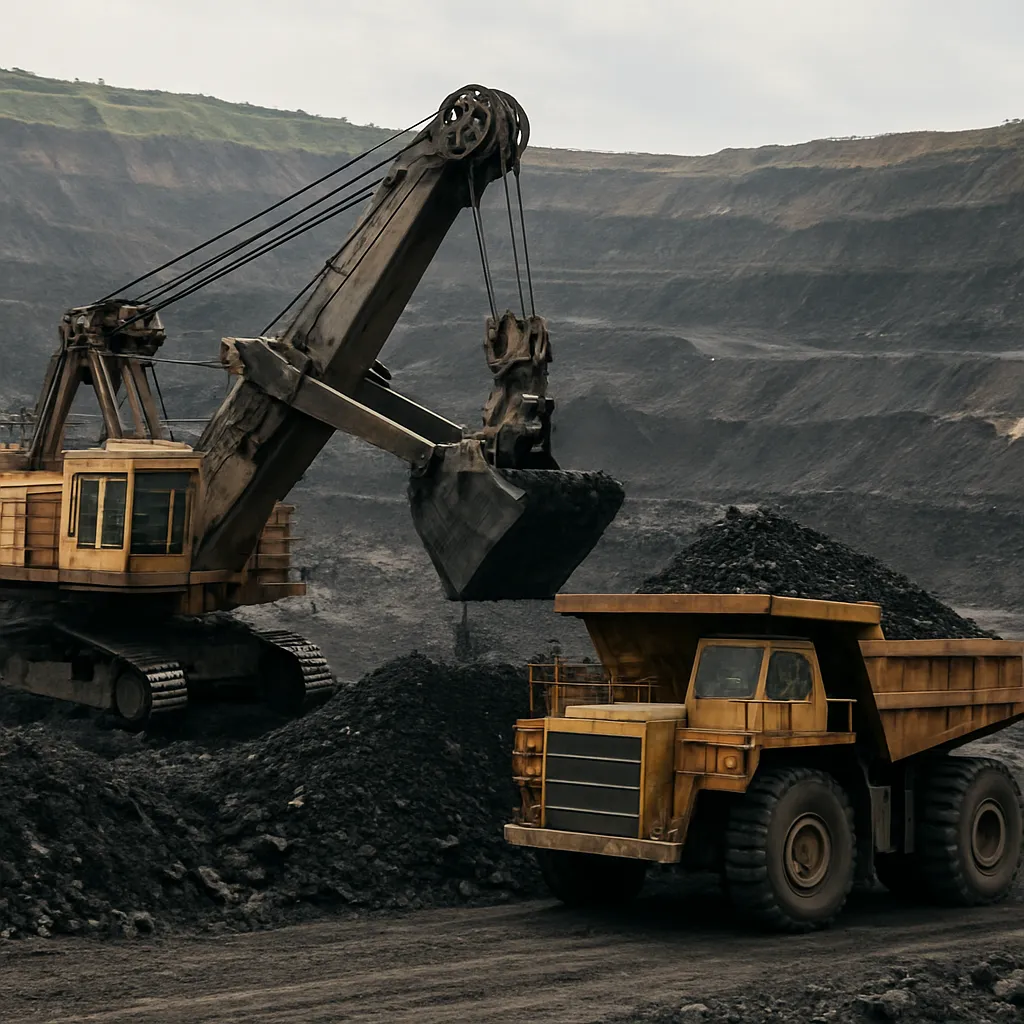
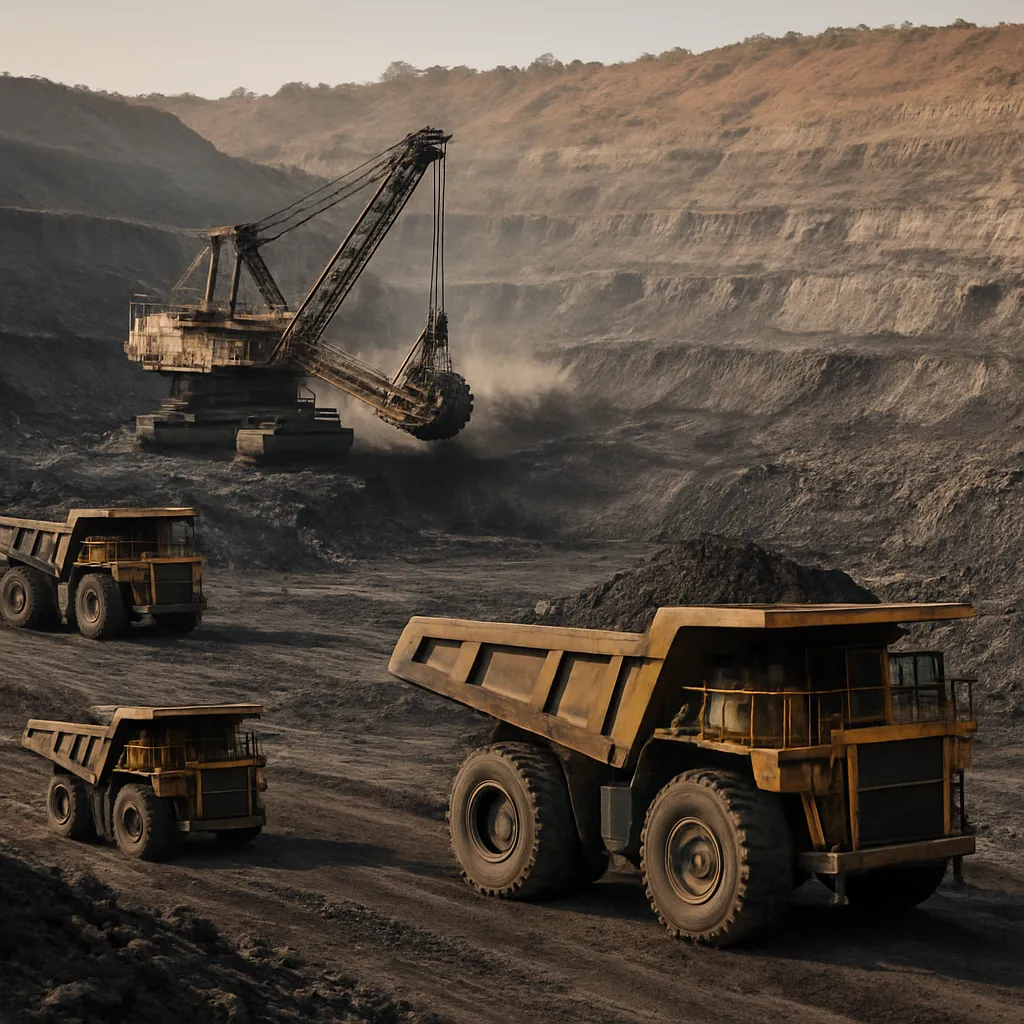
- Large-scale earthmoving equipment (shovels/excavators, dump trucks, draglines) and progressive rehabilitation methods are commonly used.
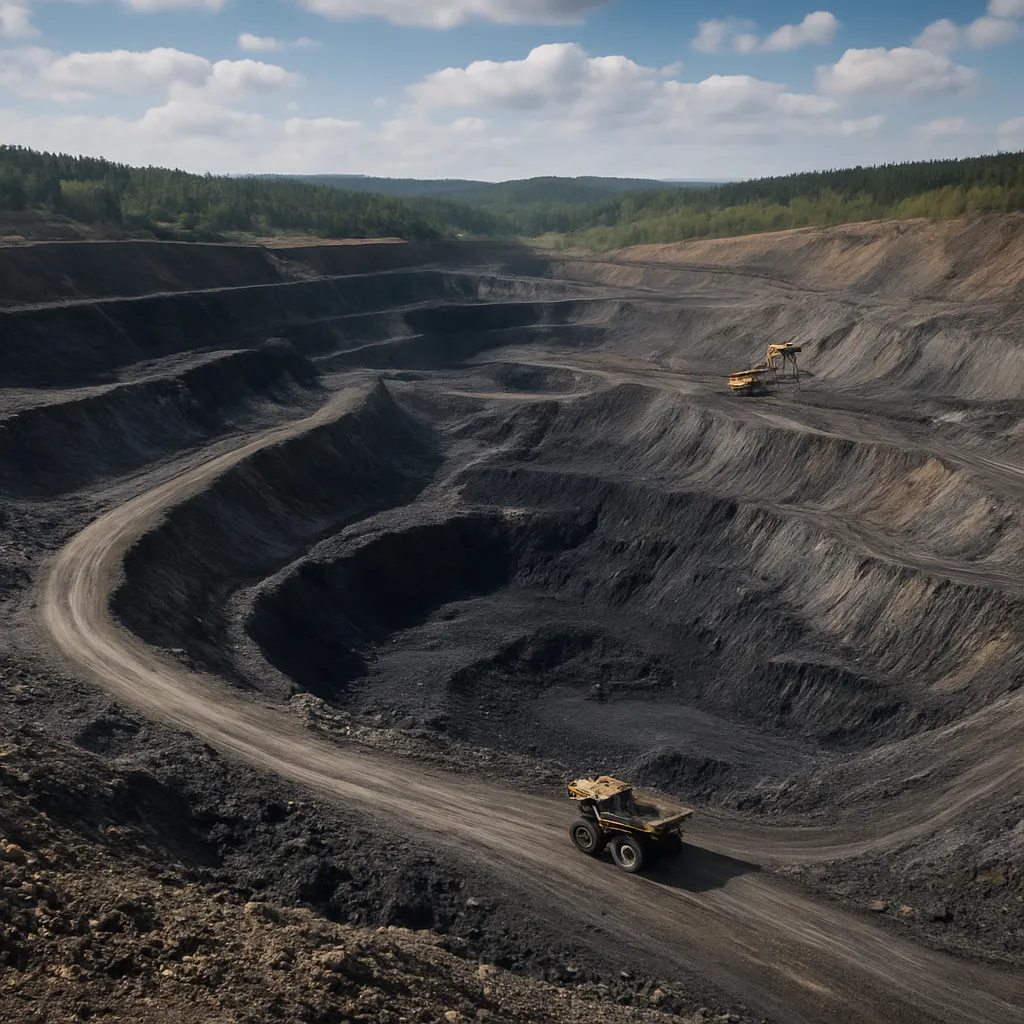
- Surface mines are visible landscape modifiers and generate large volumes of overburden; efficient waste management and reclamation are required to meet regulatory obligations.
Underground mining
- Used where seams are deep or complex; methods include bord-and-pillars, longwall, and room-and-pillar with mechanization where feasible.
- Underground methods typically have lower surface footprint but higher unit costs and elevated safety and ventilation requirements.
Operational issues for Gorbi-style sites include pit dewatering, haul-road maintenance, coal beneficiation (washeries) to reduce ash, and logistics for transporting coal to end-users. Transport may rely on dedicated rail links, road haulage, belt conveyors or a combination, depending on proximity to industrial consumers or railway sidings.
Economic significance and industrial linkages
Even smaller mines like Gorbi can play an outsized role in local economies. Coal remains a cornerstone of India’s energy mix and its industrial supply chains. The typical economic contributions of a coal mine include:
- Direct employment: miners, operators, technicians, engineers and administrative staff.
- Indirect employment and services: transport contractors, equipment suppliers, local vendors, and service industries supporting the workforce.
- Fiscal contributions: royalties, taxes, and lease payments to state governments and central bodies.
- Supply security for thermal power plants, cement factories and steel plants—industries that prefer proximate coal sources to minimize logistics costs.
For a mine like Gorbi, even modest annual production (for example, 0.5–2 million tonnes per year in the case of a medium-sized regional mine) can sustain a number of local suppliers and generate significant local revenues. Coal sales sustain working capital in local markets and often underwrite community investments in housing, roads and utilities—especially where corporate social responsibility (CSR) initiatives are active.
Statistical context: national and regional perspective
Concrete, mine-specific statistics for Gorbi are not uniformly available in public international compilations; however, situating Gorbi against national statistics helps illustrate scale and impact.
- India is one of the world’s largest coal producers and consumers. In the early 2020s India’s annual coal production was in the order of several hundred million tonnes per year, with domestic production accounting for the majority of national coal consumption.
- Coal remains the dominant input for electricity generation in India, accounting for a majority share of thermal power capacity and a substantial share of net generation.
- State and corporate actors: a large portion of production comes from public-sector entities (notably subsidiaries of Coal India Limited), while private and captive mines contribute an increasing share as reforms and allocations expand.
How to contextualize Gorbi numerically (example estimates):
- If Gorbi is a small to medium-sized mine producing 0.5–2 Mt/year, it would represent a small but meaningful fraction of district- or basin-level output.
- Such a mine would likely employ several hundred to a few thousand direct workers, plus a multiplier effect in the local supply chain.
- Revenue and fiscal flows would depend on coal grade (price per tonne), royalty regimes and contractual arrangements; higher-calorific coals command better prices but may require longer-distance transport to reach high-value industrial consumers.
Social and environmental dimensions
Coal mining sites exert complex social and environmental impacts. Gorbi, like many mines, must balance extraction with responsibilities to local communities and ecosystems.
Environmental issues
- Land use and habitat loss: open-cast operations alter topography and remove vegetation; reclamation and progressive rehabilitation are necessary to restore post-mining land use.
- Air pollution: dust generation from excavation, haulage and coal handling; volatile organic emissions and particulate matter are common concerns for nearby settlements.
- Water: acid mine drainage can affect groundwater and surface water quality if seams contain reactive minerals; dewatering impacts local water tables and must be managed carefully.
- Waste and ash: coal beneficiation generates reject material and slurry that require engineered disposal and monitoring to avoid long-term contamination.
Social issues
- Displacement and resettlement: mines can require land acquisition; fair and transparent resettlement policies and compensation are vital for social stability.
- Health and safety: mining occupations carry risks, including occupational respiratory disease, accidents and noise-related ailments; occupational health programs and modern safety practices reduce these risks.
- Community development: investments in education, healthcare and infrastructure are frequently provided through CSR mechanisms and government programs to support host communities.
Regulation and permits in India include environmental clearances, forest clearances for forestland diversion, mining leases and adherence to mine health and safety regulations. Progressive mines increasingly implement environmental management systems, continuous air and water monitoring, and community grievance redressal mechanisms.
Value chain: from mine to market
The economic utility of Gorbi coal depends as much on logistics and processing as on the raw resource. Key value-chain elements include:
- Coal preparation (washeries) that improve calorific value and reduce ash, enhancing market value for thermal power and industrial consumers.
- Transport infrastructure—rail connectivity is of particular importance in India; mines with dedicated rail sidings can reach large regional buyers at lower logistic costs.
- Storage and blending facilities to meet specifications of power plants or industrial consumers.
Mines that invest in up-front beneficiation and reliable logistics often achieve higher net realizations per tonne, which supports reinvestment into mechanization and environmental controls.
Challenges, modernization and future prospects
Coal’s long-term role in India is a subject of intensive policy and market debate. While renewables and energy efficiency are expanding rapidly, coal remains central to India’s energy security in the near to medium term. The future of mines like Gorbi depends on several factors:
- Mechanization and productivity gains: mechanized mines reduce unit costs and improve safety, but require capital investment and workforce upskilling.
- Environmental regulation and decarbonization pressures: stricter emissions standards, market shifts toward lower-carbon energy and corporate commitments to reduce Scope 1/2 emissions may affect long-term demand.
- Technological opportunities: investment in coal-gas hybrid plants, coal gasification, carbon capture and storage (CCS) or use of coal with higher-efficiency power plants can extend the usability of regional coal reserves.
- Community relations and social license: mines that proactively engage stakeholders, pursue rehabilitation and support local development will encounter fewer disruptions and enjoy longer operational continuity.
Interesting local and operational notes
Smaller or regionally named mines such as Gorbi are often focal points for local economies and social identity. A few notable points that characterize many such mines:
- Local employment often includes multi-generational mineworker families, with skills passed down and local labor markets centered on mining cycles.
- Legacy issues: older workings and abandoned pits can pose safety and environmental liabilities requiring remediation budgets.
- Research and monitoring opportunities: smaller mines can be practical sites for pilot projects in dust control, water recycling, biodiversity rehabilitation, and community-driven monitoring schemes.
- Seasonal fluctuations: production and transport capacity may be affected by the monsoon season, making operational planning crucial.
How to obtain authoritative statistics about Gorbi
For researchers or practitioners seeking mine-specific data on Gorbi, recommended approaches include:
- Consulting state government mining departments and the Ministry of Coal’s regional offices for lease records and production returns.
- Reviewing company annual reports if Gorbi is operated by a corporate entity—these reports often publish mine-level or regional production and reserve details.
- Checking regional geological survey reports (Geological Survey of India, GSI) and basin-specific studies which map reserves and coal quality.
- Engaging with local district offices, coal transport authorities (railway sidings), and industry associations which may hold operational statistics and logistic details.
Summary and concluding perspective
The Gorbi Coal Mine exemplifies many features typical of Indian regional coal operations: it is a source of local employment, a contributor to nearby industrial activity, and part of a wider national reliance on coal-based energy. While precise public statistics for Gorbi itself may be scarce, placing the mine within India’s larger coal landscape clarifies its likely coal type (ranging from bituminous to lignite depending on basin), operational challenges (environmental management, logistics and mechanization), and economic relevance (support for thermal power and local industry). Balancing production with responsible environmental stewardship, transparent community engagement, and modernization will determine how Gorbi and similar mines navigate India’s transition toward cleaner energy while continuing to serve immediate development needs of their regions.