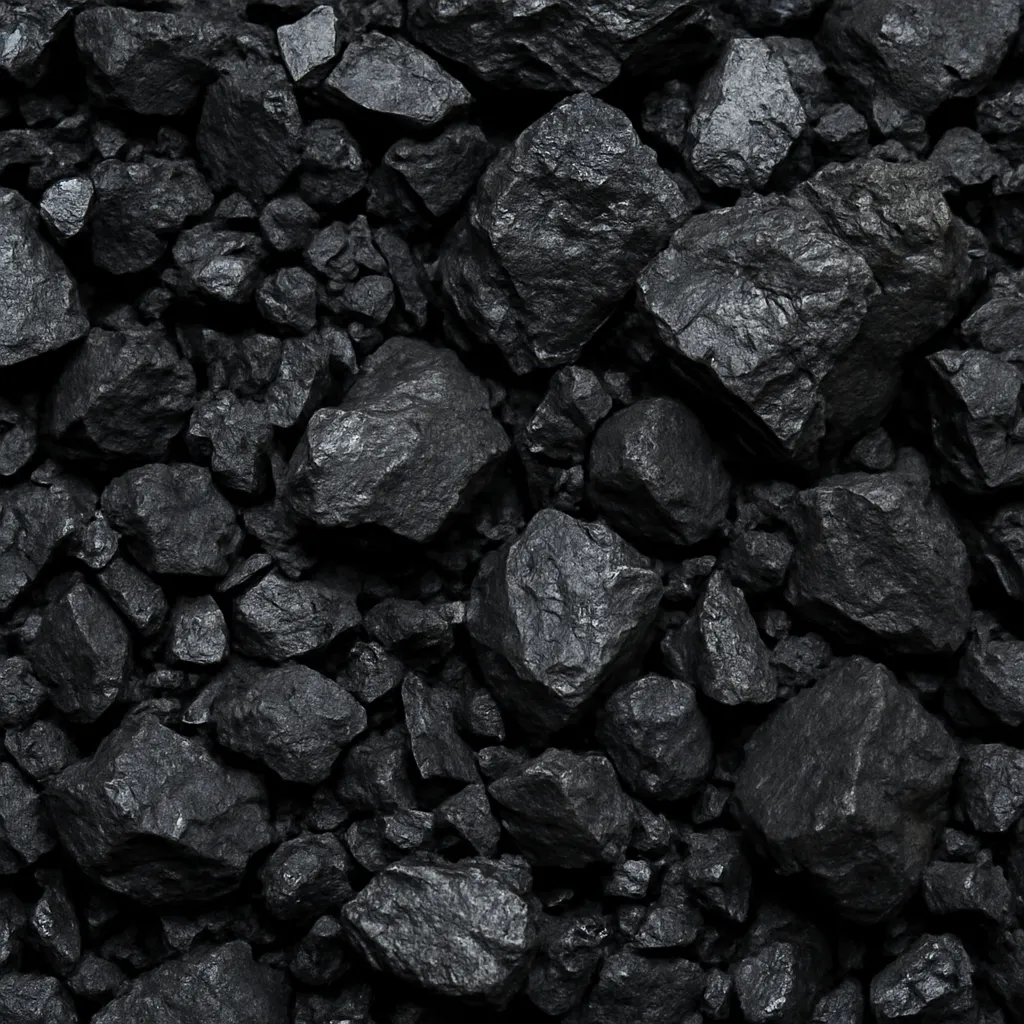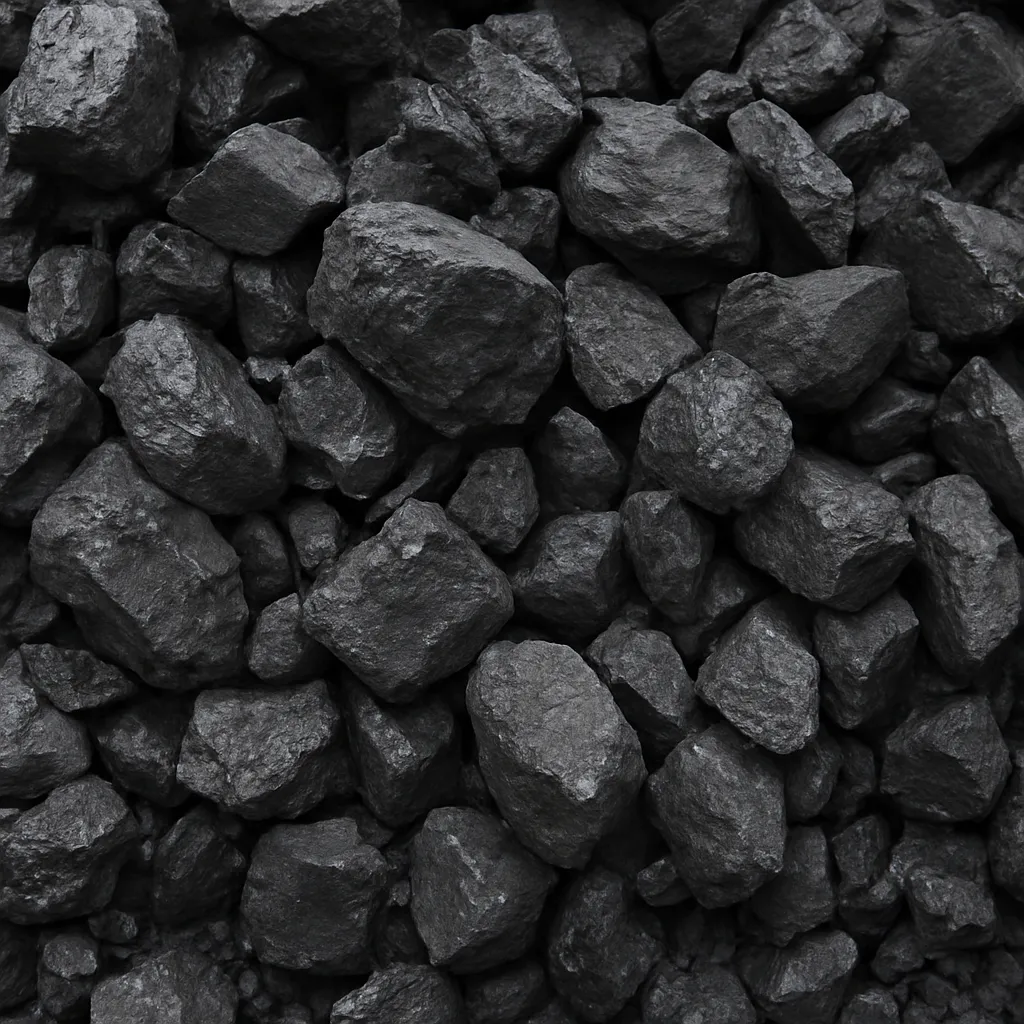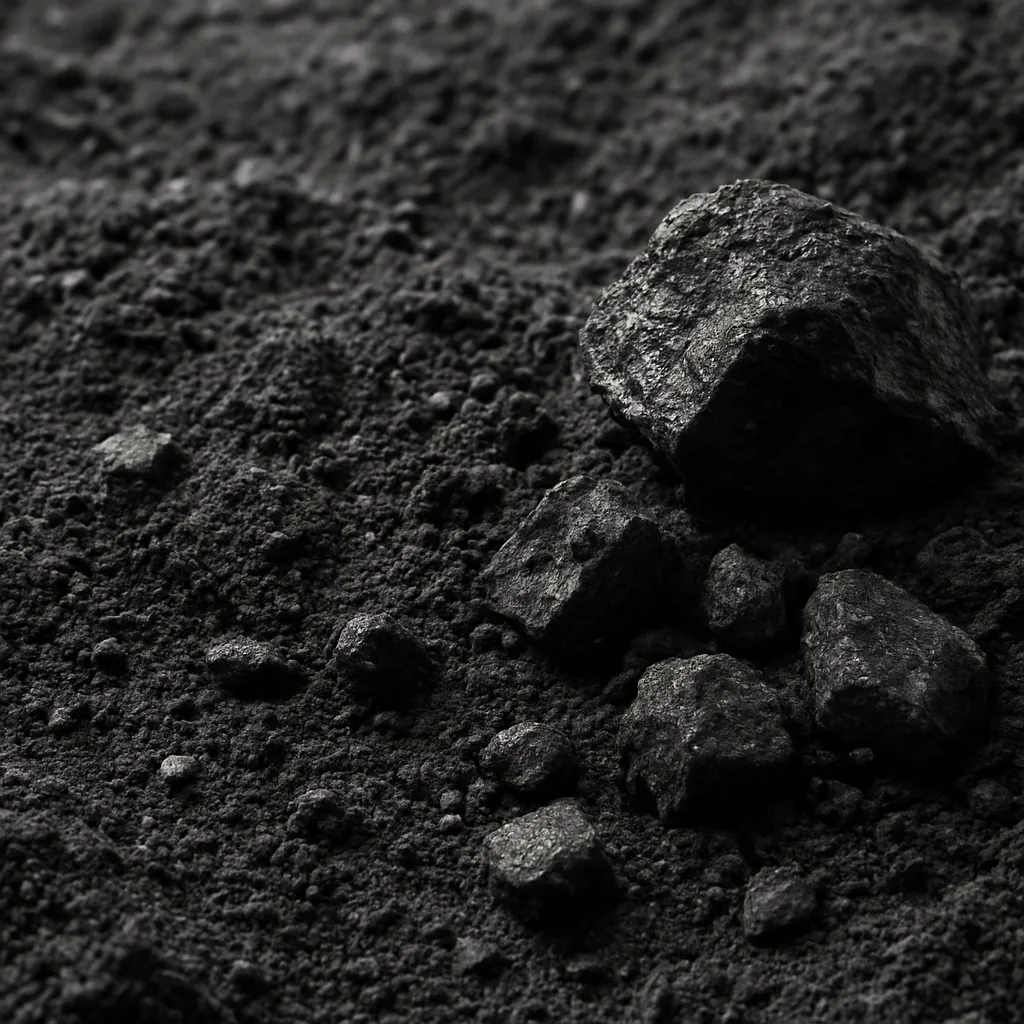
Explosive-grade coal dust is a hazardous but economically significant form of fossil fuel material. Finely divided coal particles suspended in air can form highly combustible clouds that, when ignited, produce devastating explosions. This article examines the physical and chemical characteristics that make certain coals prone to dust explosions, where such coals are mined and used worldwide, their economic and industrial roles, statistical context, safety and regulatory approaches, and current trends in research and mitigation.
Characteristics and Causes of Coal Dust Explosions
Coal dust explosibility depends on a combination of physical and chemical properties. Key factors include particle size distribution, moisture content, volatile matter, rank of coal, and the presence of combustible gases. When coal is ground to a fine powder and dispersed in air, it creates a dust cloud. If an ignition source is present (spark, hot surface, electrical discharge, or an initial methane ignition), the dust cloud can detonate or deflagrate with high pressure and heat.
- Particle size: Particles smaller than about 75 micrometers are most hazardous because their high surface-area-to-volume ratio supports rapid combustion.
- Volatile matter: Coals with higher volatile content (typical of many bituminous coals) tend to be more reactive; volatile gases released upon heating contribute to rapid flame propagation.
- Moisture: Lower moisture increases explosibility; wet dusts are less likely to ignite because water absorbs heat and agglomerates particles.
- Porosity and friability: Softer, friable coals produce more fine dust during handling and mining.
Important explosion parameters used by safety engineers include Minimum Explosible Concentration (MEC), Minimum Ignition Energy (MIE), maximum rate of pressure rise (expressed as Kst), and maximum explosion pressure (Pmax). Exact values vary widely with coal type and testing conditions, but representative ranges are:
- MEC: roughly 30–200 g/m3 (highly variable).
- MIE: from a few millijoules to several hundred millijoules (dust clouds are typically easier to ignite than larger particles).
- Kst: often in the range of 50–200 bar·m/s for combustible coal dusts in laboratory tests.
- Pmax: in confined tests may reach several bars (often 5–10 bar), but in large industrial spaces pressures can be lower or higher depending on confinement and propagation.
Because these ranges depend on test methods and coal origin, safety design assumes conservative values and layers protections such as dust control, inerting, and explosion venting.
Where Explosive-Grade Coal Is Found and Mined
Explosive-grade coal is not a formal coal rank but describes coal that, when pulverized, exhibits properties that favor dust explosions. Generally, coals of bituminous rank—common in many major coal basins—are more likely to give rise to explosive dust clouds due to intermediate carbonization, relatively high volatile content, and mechanical friability.
Major global coal-producing regions where explosive coal dust issues are relevant include:
- China: The world’s largest coal producer and consumer. Many underground and surface mines produce bituminous and sub-bituminous coals that create dust-control challenges, particularly in crowded mining districts and older operations.
- India: Extensive mining of bituminous and lower-rank coals, with significant industrial use in power generation and steelmaking; dust management is a major safety concern.
- United States: Produces bituminous and sub-bituminous coals; coal preparation plants, pulverized fuel handling at power stations, and metallurgical coal operations must control dust.
- Australia and Indonesia: Major exporters of thermal and metallurgical coals, with large open-pit mines and bulk handling terminals where dust control and storage pose explosion and environmental challenges.
- Russia, South Africa, Poland, and Colombia: Other significant producers with both underground and surface operations where coal dust management is critical.
Explosive dust hazards are not limited to mines. Any industrial installation that handles pulverized coal—coal preparation plants, pulverized fuel systems at power plants, coke ovens, and ports/bulk terminals—can host explosive dust clouds if controls fail.
Economic and Statistical Context
The global coal industry remains a major component of the world energy mix and industrial supply chains. In the early 2020s, global coal production was on the order of several billion tonnes annually; estimates vary by source and year, but total world coal production typically ranged between approximately 7 and 8 billion tonnes per year. China dominates production, often contributing roughly half of global output; other large producers include India, the United States, Indonesia, Australia, Russia, and South Africa.
Coal’s economic significance is multifaceted:
- Power generation: Coal-fired power plants continue to supply a large share of electricity in many countries—though that share has been declining in several regions due to renewables and gas.
- Metallurgy: High-quality metallurgical coal supports steelmaking via coking and pulverized coal injection (PCI) in blast furnaces.
- Industrial heat and chemicals: Coal derivatives provide feedstocks for chemical production, fertilizers, and industrial heating.
Employment and regional economies: Mining operations, coal logistics, and coal-consuming industries support employment and local economies in many regions. In coal-dependent regions, safety incidents and changes in coal demand have significant socioeconomic ripple effects.
Statistics on accidents and fatalities emphasize the human cost of inadequate dust control. Historically, coal dust explosions have caused some of the deadliest mining disasters. While modern safety regulations and technologies have reduced incident rates in many countries, fatalities still occur when controls fail—especially in older or poorly regulated operations.
Industrial Uses and Significance
Explosive-grade coal dust is an unwanted byproduct rather than a desired product. However, the ability to pulverize coal into fine powders is fundamental to its industrial uses:
- Power generation: Pulverized coal is burned in boilers. Pulverization increases combustion efficiency and enables more uniform combustion, but it also creates dust-handling risks in mills, conveyors, and storage.
- Steelmaking: Pulverized coal injection (PCI) reduces coke demand by injecting fine coal powder directly into blast furnaces.
- Chemical feedstocks: Some processes use finely ground coal in gasification and chemical conversion processes.
The requirement to grind coal finely for these uses creates a trade-off: operational efficiency versus explosion risk. Consequently, industrial design includes multiple layers of protection—equipment explosion-proofing, ventilation, dust collectors, and inerting systems—to enable the safe handling of pulverized coal.
Safety, Regulations, and Mitigation Measures
Preventing coal dust explosions relies on a layered defense strategy aimed at reducing dust generation, preventing dust cloud formation, removing ignition sources, and mitigating explosion consequences. Typical measures include:
- Dust control: Water sprays, sealed conveyors, enclosures, and wet suppression limit airborne dust concentrations.
- Dust collection: Baghouses, cyclones, electrostatic precipitators collect fines before they can accumulate.
- Ventilation: Proper airflow in underground workings reduces suspended dust and dilutes combustible gases.
- Inertization: Introducing inert gases or using rock dust (commonly limestone or crushed dolomite) in mines dilutes coal dust and prevents flame propagation. Rock-dusting is a long-established method to render coal dust non-explosive by mixing in sufficient inert material.
- Ignition control: Intrinsically safe electrical equipment, spark detection and extinguishing systems, and hot-work permits reduce ignition sources.
- Explosion venting and suppression: Buildings and equipment can be designed with explosion vents or suppression systems to limit pressure build-up.
- Housekeeping: Regular cleaning to prevent accumulations of fine dust is a simple but critical control.
Regulatory frameworks vary by country. Notable examples include:
- United States: Mine Safety and Health Administration (MSHA) rules govern mining dust control; National Fire Protection Association (NFPA) standards (e.g., NFPA 61, 654) cover combustible dust in industrial facilities.
- European Union: Directives and national regulations require risk assessments and explosion protection measures for combustible dusts.
- China, India, and other major producers maintain national mining safety codes, though enforcement and implementation quality vary by region.
Historical Incidents and Lessons Learned
Coal dust explosions have been responsible for some of the worst mining disasters in history and have driven the development of safety practices:
- Early 20th-century disasters (e.g., Courrières, France, 1906; Senghenydd, Wales, 1913) showed how rapidly coal dust propagates explosions through underground networks and prompted systematic rock-dusting practices.
- Modern incidents (e.g., disasters where methane ignition triggers coal dust propagation) demonstrate that methane and coal dust hazards often interact; controlling one without the other is insufficient.
- Industrial incidents involving pulverized coal at power plants and terminals illustrate the need for holistic process safety management beyond mines.
Lessons include the importance of redundancy (multiple independent controls), ongoing maintenance and training, and rigorous incident investigation to prevent recurrence.
Research, Innovation, and Future Trends
Research into coal dust explosibility and mitigation continues, focusing on improved detection, predictive modeling, and materials science. Current and emerging areas include:
- Advanced sensors: Real-time dust concentration and particle-size monitors help operators detect hazardous conditions earlier.
- Combustion modeling: Computational fluid dynamics (CFD) and explosion modeling help design safer facilities and optimize venting/suppression systems.
- Materials and additives: Improved inerting additives and coatings on coal particles are under investigation to reduce combustibility in handling and storage.
- Automation and remote operation: Reducing human presence in high-risk zones limits exposure and the likelihood of human-error–driven ignition.
- Transition pressures: As some regions reduce coal use for climate reasons, asset conversion (e.g., coal plant retrofits for biomass or gas) changes the dust hazard profile and requires updated safety practices.
Economic and Policy Context
Policies aimed at reducing greenhouse gas emissions affect coal demand and, indirectly, investments in safety controls. In jurisdictions implementing rapid coal phase-outs, funding for mine safety upgrades can become constrained, risking increased hazards if operations continue without modernization. Conversely, in expanding markets, scaling up production demands rigorous application of explosion prevention technologies to avoid catastrophic incidents.
Practical Recommendations for Industry Stakeholders
Operators and regulators should adopt an integrated, risk-based approach:
- Conduct comprehensive dust explosion risk assessments covering mining, handling, storage, and transport.
- Implement multi-layer controls—housekeeping, dust collection, inerting, venting, and explosion suppression—rather than relying on a single measure.
- Invest in training, maintenance, and inspection programs focused on ignition-source control and dust accumulations.
- Adopt modern monitoring and automation to detect hazards early and respond quickly.
- Maintain transparent incident reporting and continuous improvement processes.
Governments and industry bodies should update standards regularly to reflect advances in understanding and technology, and ensure enforcement capacity matches regulatory intent.
Interesting Facts and Final Observations
– Coal dust explosions have shaped mining safety science; many modern controls (rock-dusting, ventilation standards, and explosion venting) have their origins in responses to historical disasters.
– Pulverized coal remains central to efficient coal combustion in thermal power plants and metallurgical processes despite risks—hence the strong industrial focus on safe pulverization and handling.
– The term “explosive-grade” is operational rather than taxonomic: it flags coals or conditions that, if ground and dispersed, behave dangerously, rather than denoting a separate coal type.
– International cooperation in standards (e.g., sharing best practices for dust control and explosion protection) has reduced incident frequency in many regions but remains uneven globally.
Understanding and managing explosive-grade coal dust requires combining geology, engineering, economics, and regulatory practice. While coal’s role in the global energy mix is evolving, the hazard posed by fine coal particles will remain relevant wherever coal is produced, processed, stored, or used. Robust prevention strategies, continuous monitoring, and investment in safer technologies are essential to protect workers, communities, and assets.