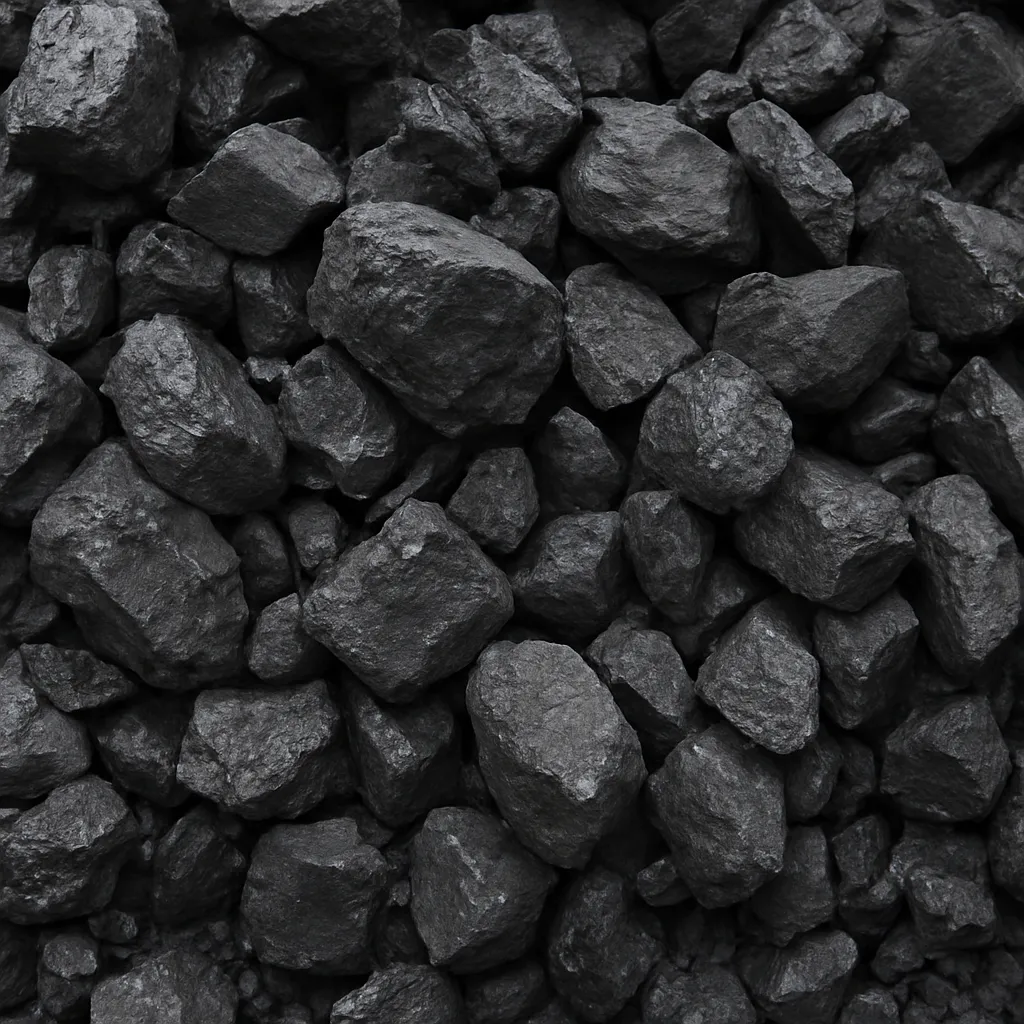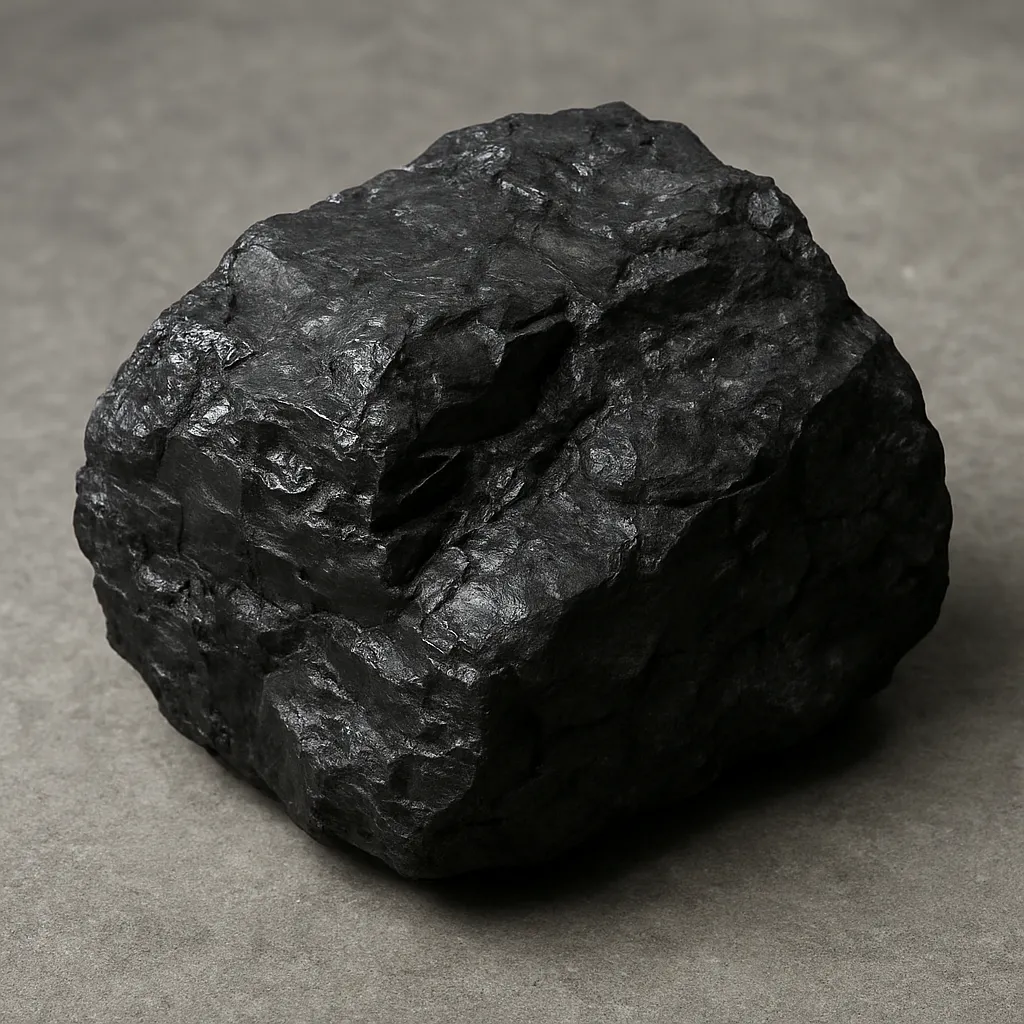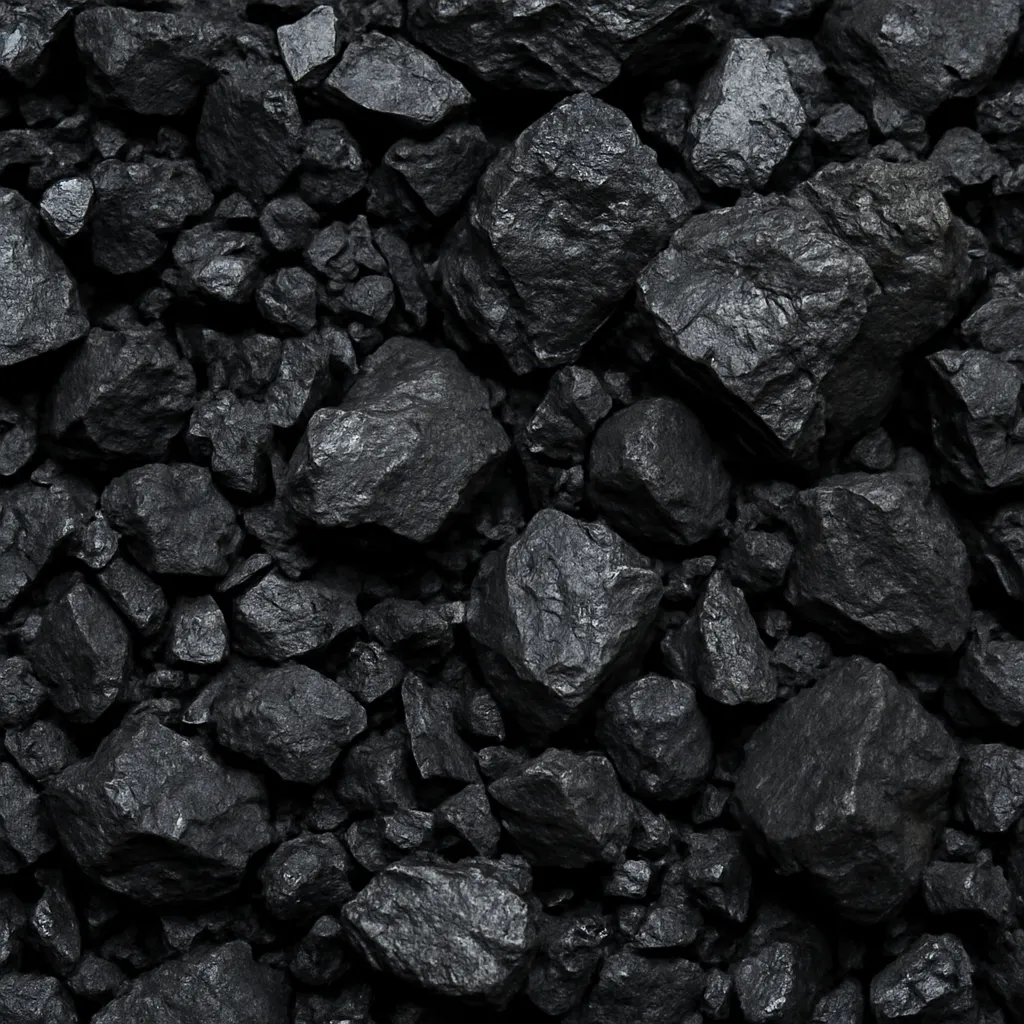
Mixed-rank coal describes coal seams or coal blends that do not fit neatly into a single coal rank category. These deposits or mixes can contain material ranging from lignite and sub-bituminous through bituminous to semi-anthracite within the same seam or mine product. The heterogeneity influences geological interpretation, mining methods, processing needs and end-use suitability. This article examines the geological origins, global occurrences, extraction and processing challenges, economic and industrial significance, statistical context where available, environmental considerations and future perspectives on mixed-rank coal.
Geology, Formation and Classification of Mixed-rank Coal
Coal rank is a measure of the degree of coalification—the progressive physical and chemical transformation of peat into coal—driven by factors such as time, temperature, pressure and tectonic events. Typical ranks include lignite (lowest rank), sub-bituminous, bituminous, and anthracite (highest rank). Mixed-rank coal occurs when these rank categories overlap within short distances or are present together as a blend. This can arise from:
- Variable peat accumulation environments within the same sedimentary basin, producing layers with different initial composition and thickness.
- Heterogeneous geothermal gradients or localized heat flow such as igneous intrusions, contact metamorphism or differential burial that produce pocketed increases in rank.
- Tectonic deformation and variable pressure histories that alter coalification unevenly across a seam.
- Human activity: intentional blending of coals from different seams or mines to meet specific fuel specifications.
From a petrographic and geochemical perspective, mixed-rank coal shows variations in volatile matter, fixed carbon, moisture, calorific value, and maceral composition (vitrinite, liptinite, inertinite fractions). These parameters control the suitability for combustion, coking, gasification and other industrial uses. The practical classification in mining and industry often relies on proximate (moisture, ash, volatile matter) and ultimate (C, H, N, S, O) analyses rather than theoretical rank labels when dealing with mixed or blended material.
Where Mixed-rank Coal Occurs and Major Producing Regions
Mixed-rank coals are not confined to a single country or basin; they are encountered in many of the world’s coal-bearing provinces where geological histories are complex or where multiple seams of different rank lie in proximity. Well-known regions with occurrences of variable-rank or mixed seams include:
- Appalachian Basin (United States) — deep burial, folding and faulting produced a range from high-volatile bituminous to semi-anthracite in relatively close stratigraphic settings.
- Donets Basin (Ukraine) and Kuznetsk Basin (Russia) — large, tectonically influenced basins with pockets of higher-rank coal adjacent to bituminous deposits.
- Powder River Basin (United States) and Illawarra/ Hunter (Australia) — basins where low- to medium-rank coals can be blended to meet thermal coal specifications.
- China — numerous interior basins with variable burial histories produce coals of mixed characteristics; local blending is common to meet coking or thermal requirements.
- European basins such as the Ruhr (Germany) and South Wales (UK) where mining of stacked seams of differing rank historically occurred.
- Polish Upper Silesia — seams of variable quality and rank have been mined and blended for power and coking historically.
In many developing coalfields, especially where geological mapping is incomplete, miners frequently encounter interlayered ranks or require blending of coals extracted from multiple seams, producing effectively mixed-rank products. For commercial trading, blends are often described by proximate properties and by their intended use (e.g., “power coal blend,” “coking blend”) rather than by the geological rank.
Mining, Processing and Quality Control
Mixed-rank coal presents particular challenges and opportunities for mining engineers and coal processors. Key operational aspects include:
- Selective mining — where feasible, selective extraction minimizes heterogeneity by targeting seams of desired rank; this may increase mining costs but improve product consistency.
- Coal washing and beneficiation — dense media separation, jigging and other washing techniques can remove mineral matter and adjust ash content, but do not fundamentally change rank. Beneficiation can, however, improve handling and combustion performance of mixed coal.
- Blending — systematic blending of coals with complimentary properties is a common industrial response to rank variability. Blending can target calorific value, volatile matter, sulfur content or coking properties for metallurgical applications.
- Coal upgrading technologies — thermal drying (e.g., flash drying, fluidized bed drying), hydrothermal treatment and mild thermal maturation (in limited industrial settings) can partially upgrade low-rank fractions, reducing moisture and increasing effective calorific value.
- Quality control and sampling — rigorous sampling protocols are essential because small-scale heterogeneity can lead to large deviations in delivered specifications. Real-time monitoring systems (moisture meters, calorific value sensors) are increasingly used at preparation plants and port facilities.
These steps determine whether a mixed-rank coal stream is destined for standard power stations, specialized fluidized bed combustors, cement kilns, domestic briquetting, or metallurgical coke production after appropriate blending and treatment.
Economic and Industrial Importance
Coal remains an important global commodity despite long-term policy trends toward decarbonization. Mixed-rank coal has a distinct economic role:
- Flexibility and supply security — blending mixed-rank coals enables utilities and industrial users to optimize fuel costs by combining lower-cost, low-rank material with higher-quality fractions to meet specifications.
- Metallurgical uses — while pure coking requires specific bituminous coal characteristics, blends that include mixed-rank fractions can be engineered to produce suitable cokes for steelmaking when balanced carefully.
- Local value chains — in many regions, mixed-rank deposits supply local power plants, district heating or industrial consumers because the logistics and economics favor proximal use over distant export.
- Feedstock for conversion — mixed-rank coals can be used in coal-to-liquids, coal gasification and chemical feedstock processes after preprocessing; heterogeneous feedstocks may require more complex conditioning but can be cost-effective where feedstock is cheap and abundant.
Pricing of mixed-rank coal typically reflects its proximate analysis and intended use rather than rank alone. For example, a blended thermal coal meeting 5,500–6,000 kcal/kg will command a market price based on energy content, sulfur and ash—regardless of whether those properties arise from blending different ranks.
Statistical Context and Market Trends
Statistics on mixed-rank coal specifically are rarely compiled in public international datasets; most agencies classify coal production by broad categories (hard coal vs. lignite) or by destination (thermal vs. coking). Nevertheless, several broader data points provide useful context:
- Global coal production across all ranks has historically been on the order of several billion tonnes per year. In the past decade, worldwide production generally ranged between approximately 7 and 8 billion tonnes annually, with variations due to economic cycles and energy policy shifts.
- Major coal-producing countries include China, India, Indonesia, Australia, the United States and Russia. China alone contributes a large fraction of world output, often around half of total global production in some recent years for hard coal plus lignite combined.
- Trade flows show that much thermal coal is traded internationally, while a large share of lignite and many mixed local coals are consumed domestically near the mine due to low energy density and high transport costs.
- Within the metallurgical coal market, specific quality metrics (coking strength, volatile matter, ash) determine prices; blends that achieve required coke quality can capture metallurgical-market premiums compared to raw low-rank thermal coals.
Because mixed-rank coal is typically used locally or blended before sale, it is often folded into broader categories in statistical reports. This means that while mixed-rank coal is economically significant at regional scales, there are limited global statistics that isolate it as a distinct class.
Environmental and Regulatory Considerations
Mixed-rank coal shares environmental concerns common to coal use generally: greenhouse gas emissions (CO2), atmospheric pollutants (SO2, NOx, particulates), mercury and other trace element emissions, and land disturbance from mining. Specific considerations for mixed-rank coal include:
- Variable emissions profile — different rank components contribute different moisture, sulfur and volatile content, affecting combustion efficiency and flue gas outputs. Careful blending and combustion control are required to meet emission limits.
- Handling and drying — low-rank fractions with high moisture increase transport costs and emissions intensity per unit of delivered energy; drying or on-site power may be used to improve the fuel’s carbon intensity per MJ.
- Regulatory compliance — in jurisdictions with strict emissions controls, plants burning mixed or blended coals may need additional flue gas treatment, or may preferentially use higher-rank fractions to reduce pollutant loads.
- Reclamation — mining operations producing mixed-rank coal are bound by the same requirements for land rehabilitation, water management and community engagement as other coal mines.
Transition policies in many countries aim to reduce coal’s share in power generation. This affects markets for mixed-rank coal because demand for thermal coal can decline, while metallurgical and specialized industrial demand remains more resilient in the medium term.
Use Cases, Technologies and Innovations
Mixed-rank coal can be used across a variety of technological routes when managed correctly. Notable pathways include:
- Blended thermal combustion — co-firing in pulverized coal boilers or fluidized bed boilers with precise combustion controls accommodates heterogeneous feeds and helps utilities maintain efficiency.
- Coal beneficiation and briquetting — upgrading low-rank fractions through drying, compaction and binding to produce stable, higher-energy-density briquettes suitable for domestic heating or industrial processes.
- Gasification and synthesis — fixed-bed or entrained-flow gasifiers can process mixed-rank blends to produce syngas for chemicals, hydrogen or power, although feedstock variability requires careful gasifier design and process control.
- Advanced monitoring and digitalization — real-time sensors, process analytics and blending optimization software enable preparation plants to maintain product specifications while minimizing costs when dealing with mixed inputs.
Innovations aimed at reducing the environmental footprint of coal use—carbon capture and storage (CCS), emissions scrubbing, and conversion to cleaner fuels—can be applied to plants burning mixed-rank coal, though the economics depend strongly on local policy and carbon pricing.
Regional Case Studies and Practical Examples
A few illustrative examples show how mixed-rank coal is handled in practice:
- In parts of the Appalachian Basin, coal companies historically processed seams of differing maturity, blending them to produce consistent thermal coal for regional electricity generation and to supply small-scale metallurgical operations.
- In China, local blending of coals from different mines or different seams is a common practice to meet boiler and coke oven specifications—minimizing the need for costly transport of a single premium coal.
- Australian exporters sometimes blend coals to meet customer calorific and ash specifications, although internationally traded benchmark products are usually categorized by narrow quality windows, forcing stricter quality control at ports.
These cases underscore that mixed-rank coal’s economic value is often unlocked through processing, blending and logistical arrangements tailored to local industry needs.
Future Outlook and Strategic Considerations
The long-term role of mixed-rank coal will be shaped by energy transition policies, steel production technologies and local economic factors. Key trends to watch:
- Electrification and renewables — where grid decarbonization proceeds rapidly, thermal demand for all coal ranks will decline, shifting mixed-rank coal markets toward niche industrial uses or export opportunities where economically viable.
- Metallurgical transition — steelmakers exploring hydrogen-based direct reduced iron (DRI) processes or electric arc furnaces may reduce demand for coke and therefore for certain metallurgical blends, affecting markets for higher-rank fractions within mixed deposits.
- Carbon management — adoption of CCS and coal-to-products with carbon capture could provide pathways to retain some coal demand; mixed-rank feedstocks will be evaluated for their suitability to such technologies.
- Local energy security — in many regions, the economics of indigenous mixed-rank coal for baseload or industrial heat remain compelling, especially where alternatives are costly or infrastructure-limited.
Producers and consumers of mixed-rank coal will need to balance cost, quality control, environmental compliance and strategic investment in processing technology to remain competitive under shifting market conditions.
Concluding Remarks
Mixed-rank coal occupies a pragmatic position in the global coal landscape: geologically and operationally heterogeneous, but economically useful where processing and blending transform variability into reliable products. While not often separated as a statistical category, its impact is felt regionally across power generation, industrial heat, and specialized metallurgical markets. Managing mixed-rank coal requires an integrated approach—geology, mining, processing, quality control and environmental mitigation—to maximize value and minimize environmental risks in an era of accelerating energy change.