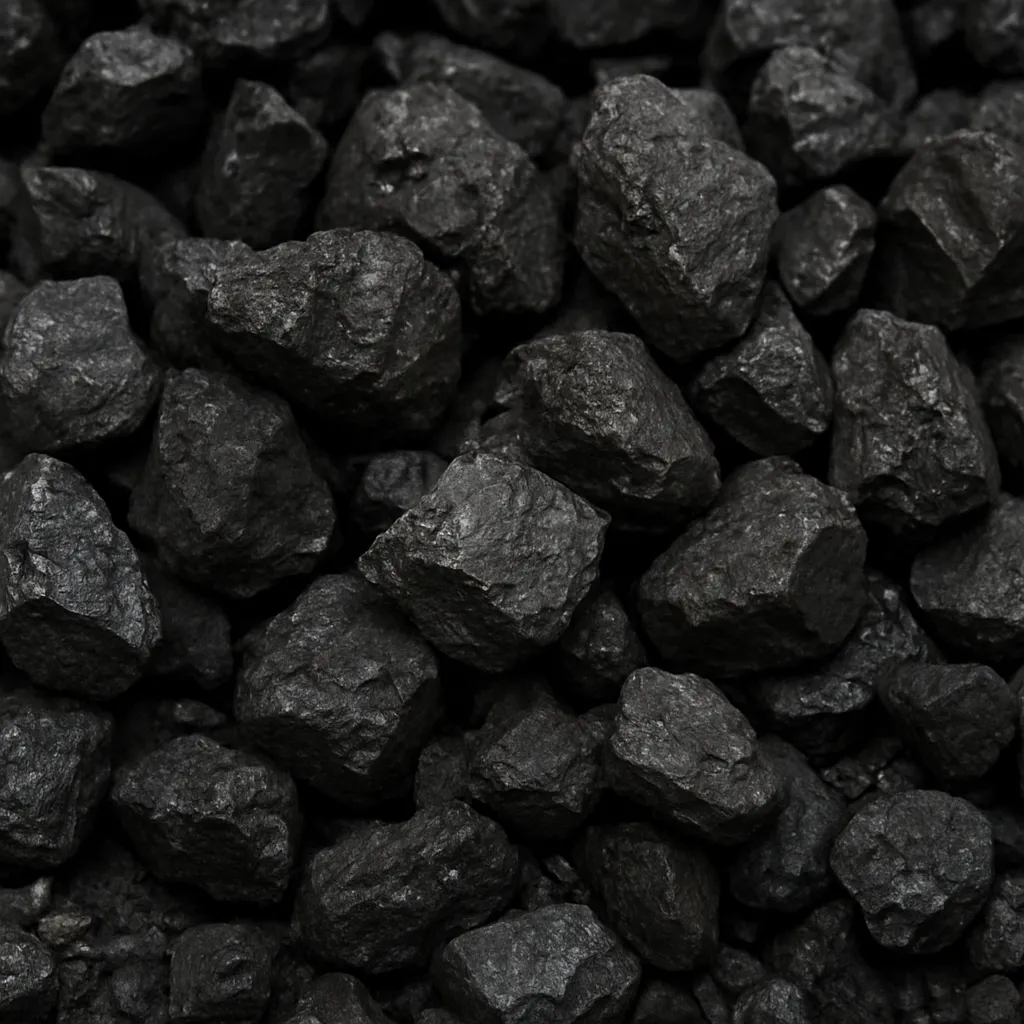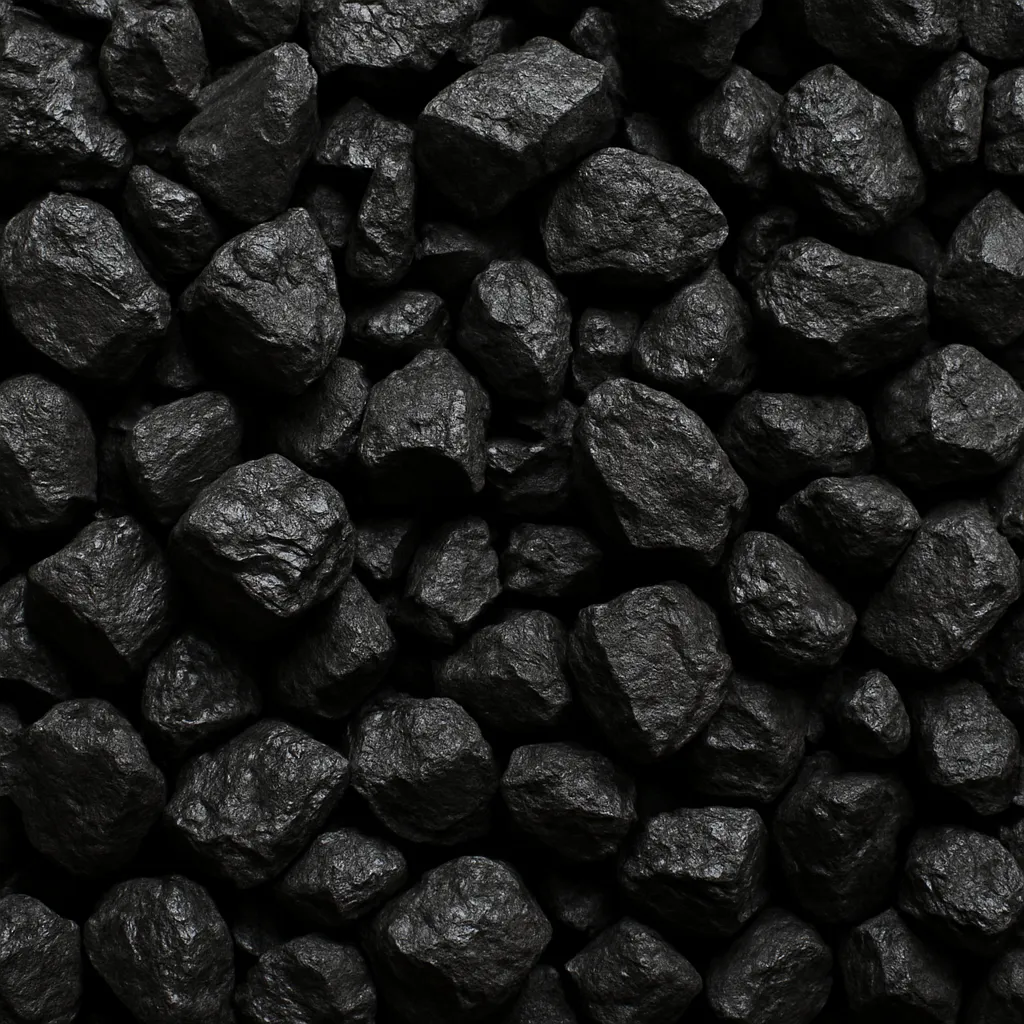
Nut coal is a widely recognized commercial grade of coal, principally defined by its particle size and practical applications rather than by a single chemical composition. It occupies a middle ground among retail coal grades and is commonly used where stable combustion, good heat output and convenient handling are required. This article explores what nut coal is, where it is found and mined, its economic and statistical context, its role in industry and households, logistics and trade patterns, environmental and health considerations, and the outlook for this ubiquitous fuel in a changing energy landscape.
Definition, classification and physical characteristics
The term nut coal denotes a particle-size fraction of coal that is finer than lump coal but coarser than “pea” or “powder” grades. The precise size limits vary by market and standard: in some countries the nut fraction may be defined as particles roughly between 10 mm and 40 mm, while other national classifications set somewhat different boundaries. Because definitions are not universal, sellers and buyers normally refer to local or national standards when specifying sizes.
Beyond size, nut coal is mainly characterized by practical combustion properties. Nut is most commonly produced from thermal (steam) coal seams and therefore is marketed for heat generation rather than metallurgical (coking) purposes. Typical quality indicators that buyers consider include:
- Calorific content: often expressed in MJ/kg or kcal/kg. Depending on origin and rank, nut coal calorific values commonly range from about 18 to 28 MJ/kg (≈4,300–6,700 kcal/kg), although higher-grade hard coals can exceed this range.
- Ash content: percentage of non-combustible residue after combustion. Lower ash values are desirable for efficiency and reduced handling of residues.
- Sulfur and volatile matter: sulfur influences SO2 emissions; volatile matter affects how coal ignites and burns in domestic or industrial stoves.
- Moisture and fixed carbon: influence net calorific output and storage behavior.
Manufacturing processes for nut coal include crushing large lumps, screening material to the required size fractions and sometimes washing or beneficiation to reduce ash and sulfur. Some “nut” products are supplied in loose bulk while others are bagged for retail consumers.
Where nut coal occurs and where it is mined
Coal in general is found in sedimentary basins where plant material accumulated and was later transformed under heat and pressure during geological time. Major coal-bearing regions across the world include large Carboniferous basins in Europe, extensive Mesozoic and Cenozoic basins in Asia and the southern hemisphere basins in Australia, South Africa and South America. Nut coal is not a different geological variety but a commercial size-class of coal extracted from these basins.
Major coal-producing countries where nut-size products are commonly marketed include:
- China: the world’s largest producer and consumer of coal. Large domestic markets support extensive screening and sizing operations to supply residential, industrial and power sectors.
- India: significant domestic demand for thermal coal in power generation and local markets where graded coal is sold for household and industrial use.
- Russia and the CIS countries: large-scale mining plus regional retail markets that sell sized coals for domestic heating; many Eastern European markets import Russian-sized grades.
- Poland, Czech Republic, Slovakia: Central European markets where “nut” (Polish: orzech) is a standard retail grade for household heating and small boilers.
- United States, Australia, South Africa, Colombia: major exporters and producers where sized coals are supplied to export and domestic customers; however, the specific prominence of nut-sized retail grades varies.
In many countries, the extraction occurs in large underground or open-pit operations. After mining, coal destined for nut-size markets is crushed and screened at preparation plants or terminal facilities. In regions with many small-scale consumers (for example parts of Central and Eastern Europe), a significant share of coal handling and sizing is performed by local distributors who deliver bagged or bulk nut coal to households.
Economic and market overview
While national and global statistics are typically reported for coal by rank (e.g., thermal vs metallurgical) and by country, statistical agencies rarely separate out retail size classes like nut on a global scale. Nevertheless, nut coal represents an important segment in several markets because of its role in residential heating and small-scale industrial boilers. Several key economic points:
- Global coal production: in the early 2020s the world produced roughly 7.5–8.5 billion tonnes of coal annually. Production is dominated by a few countries: China (about half of global production), India, the United States, Australia, Indonesia and Russia among the largest contributors.
- Share of thermal use: the majority of global coal is used for power generation, where large pulverized coal plants favor specific size and quality. However, a significant portion is consumed directly in industry and households where sized products like nut and pea are practical.
- Retail pricing and seasonality: prices for nut coal fluctuate with energy markets, seasonal demand (winter heating season in cold climates), transportation costs and policy measures such as carbon pricing or import restrictions. In parts of Europe, the post-2021 energy market volatility increased demand for solid fuels and raised retail prices for winter seasons.
- Import/export dynamics: countries with insufficient domestic production may import sized coals for residential markets. Logistics costs and trade barriers shape flows; for example, nearby exporters typically supply consumer coal to neighboring countries where cross-border transport by rail and truck is economical.
At the local level, nut coal is often sold at consumer prices that reflect packaging, distribution, taxes and seasonal markups. For industrial consumers, bulk supply contracts and quality specifications dominate pricing. Because nut coal is a product niche between fine and lump coal, its pricing is influenced by both the overall thermal coal market and the retail market for domestic solid fuels.
Industrial and domestic uses
Nut coal’s principal advantage is a balance between ease of handling and good combustion characteristics. Its common end uses include:
- Domestic heating: stoves and household boilers use nut coal because the size supports steady combustion without excessive smoke or clinker formation. Many households in Central and Eastern Europe and parts of Asia rely on nut coal for winter heating.
- Small industrial boilers and small-scale district heating: factories, bakeries and small heat plants often specify nut sizes for optimal fuel feed in stokers and grate combustion systems.
- Commercial applications: bakeries, greenhouses and other commercial operations that require controllable heat sometimes favor nut coal.
- Supplemental use in larger plants: some mid-sized power plants or industrial furnaces may use nut sizes in co-firing or for particular fuel-feeding technologies.
Nut coal is generally not the preferred product for high-end metallurgical processes (coking) which require specific metamorphic ranks and low volatile matter; however, some semi-hard nut-sized pieces can enter coke production if further processed.
Logistics, handling and storage
The physical size of nut coal makes it convenient to handle: it flows reasonably well in hoppers, is suitable for mechanical stokers, and packs relatively densely in storage. Key logistics factors:
- Transport modes: road haulage and rail are dominant for domestic and regional distribution. For longer trade routes, bulk seaborne shipments are common, with sizing often performed at the origin for customer specifications.
- Bagging vs bulk: retail nut coal is often bagged (e.g., 25–50 kg bags) for ease of handling by households and small businesses; larger consumers prefer bulk deliveries to minimize packaging costs.
- Storage considerations: coal should be stored dry to prevent quality degradation. Moisture increases handling difficulties and lowers calorific value. Covered storage and rotation of stocks are standard practice.
- Preparation and quality control: washing and screening at preparation plants reduce ash and sulfur and ensure consistent size distribution. Quality certificates are common for larger contracts.
Environmental, health and regulatory dimensions
The combustion of solid fuels such as nut coal raises environmental and health concerns that increasingly shape markets and regulations:
- Air pollution: domestic combustion of coal is a significant source of particulate matter (PM2.5 and PM10), sulfur dioxide (SO2) and nitrogen oxides (NOx), which affect local air quality and public health. In many urban areas, residential coal burning is regulated or restricted to reduce winter smog episodes.
- Greenhouse gas emissions: coal is carbon-intensive. Even sized and relatively clean thermal coal produces substantial CO2 per unit of heat compared with natural gas or renewables. As jurisdictions adopt climate policies and emissions pricing, demand for coal, including nut coal, faces downward pressure.
- Indoor exposure risks: improper stove operation and poor ventilation can lead to indoor air quality hazards for households using coal for heating and cooking, increasing respiratory illness risks.
- Regulation and phase-out programs: many countries and cities have implemented bans, subsidies for cleaner replacements, or retrofit programs to replace coal stoves with gas or electric alternatives. Such policies directly reduce the market for retail coal grades over time.
However, in many regions coal remains economically important. Transition policies often aim for staged reductions, cleaner combustion technologies, or improved fuel standards (e.g., low-sulfur, low-ash coal) to limit impacts while ensuring energy access.
Statistics and data points relevant to nut coal
Direct global statistics specifically for nut-sized coal are scarce because large databases track coal by type (thermal vs metallurgical) and by country rather than by retail size fraction. Nevertheless, the broader coal statistics provide context:
- Global production and consumption: during the early 2020s global coal production hovered in the range of approximately 7.5–8.5 billion tonnes annually. China accounted for roughly half of that volume, followed by India, the United States, Australia, Indonesia and Russia among the larger producers.
- Electricity generation: coal accounted for around a third of global electricity generation in the early 2020s. This large-scale thermal demand shapes mining and processing infrastructure that also supplies sized coals to retail markets.
- Regional retail significance: in countries with high household coal usage—Poland, parts of China, India and certain Balkan states—retail-sized products like nut and pea historically represented an important portion of domestic deliveries. However, in many markets that share has been gradually declining due to cleaner heating alternatives and regulatory pressure.
- Price volatility: the 2021–2023 period demonstrated pronounced volatility in coal and energy prices, driven by supply chain disruptions, fuel competition, and geopolitical events. Retail coal prices in affected regions rose seasonally and in response to supply tightness.
For readers seeking precise local figures (e.g., annual tonnages of nut coal sold in a given country), the best sources are national statistics offices, energy ministries, and industry associations which sometimes publish detailed breakdowns for retail solid fuels.
Technology, efficiency and product improvements
Several technological and market innovations influence the nut-coal sector:
- Improved combustion appliances: modern stoves and boilers with better combustion control and flue-gas treatment reduce particulate emissions and increase thermal efficiency, making nut coal a cleaner and more efficient option where it remains in use.
- Fuel upgrading: washing, desulfurization and refinement at preparation plants can improve coal’s calorific output and lower harmful emissions, increasing market value for certain nut products.
- Briquetting and pelletization: small coal or fines are sometimes compacted into briquettes or pellets, offering more uniform combustion and lower dust emissions. While not strictly nut coal, these products compete in the domestic market for solid fuels.
- Smart logistics and stock management: better forecasting and distribution systems reduce spoilage and ensure supply during peak seasons, affecting retail availability and pricing.
Socioeconomic importance and supply-chain resilience
In many regions nut coal supports livelihoods beyond energy provision: mining communities, transport sectors, coal merchant businesses and equipment manufacturers rely on continued demand. Even as large-scale policy shifts encourage substitution, the short- and medium-term importance of solid fuel markets persists where alternatives are costly or unavailable.
Supply-chain resilience matters: disruptions in mine output, transport bottlenecks, or policy restrictions can rapidly affect availability and prices of retail coal. For local economies where households depend on nut coal for heating, sudden supply shocks can have immediate welfare impacts, prompting emergency measures or subsidized alternatives.
Outlook: transition pressures and future scenarios
The long-term trajectory for nut coal depends on several interlinked factors:
- Energy transition policies: stronger carbon pricing, stove-exchange programs, and clean air regulations will progressively reduce residential coal use in many countries.
- Economic access to alternatives: where electricity, gas or modern biomass are affordable and available, households and small businesses tend to switch away from coal.
- Technological improvements: cleaner coal technologies, improved stoves and emission controls can prolong the practical life of coal in niche applications but are unlikely to halt the broader decline if policy incentives favor low-carbon alternatives.
- Geopolitics and market shocks: sudden disruptions in gas supplies, energy price spikes or uneven renewable deployment can temporarily revive demand for solid fuels, including nut coal, particularly in winter peaks.
Thus, a realistic near-term scenario is gradual contraction of retail coal markets in many developed areas, while pockets of sustained demand persist in regions with limited alternatives or cultural reliance on coal heating. In these niches, the market for refined, lower-emission nut products and associated technologies (efficient stoves, particulate filters) will likely remain active.
Interesting facts and historical notes
- The practice of sorting coal by size—e.g., lump, nut, pea, and dust—has long historical roots. These size fractions were crucial to match fuels with the design of historical and modern furnaces, stoves and industrial equipment.
- In Central Europe the word for nut coal (for example, Polish “orzech”) has cultural resonance—seasonal sales, household preparation and even local custom have revolved around the winter coal purchase tradition.
- While nut coal is primarily a thermal fuel, some regions historically blended smaller fractions into industrial coke-making processes after additional processing, showing the flexibility of coal supply chains.
- During periods of economic stress and wartime, sized coals such as nut were sometimes stockpiled at the municipal level to secure heating supplies for vulnerable populations.
Practical advice for consumers and small buyers
For households and small businesses still using nut coal, several practical recommendations help optimize cost, safety and environmental impact:
- Buy from reputable suppliers who provide consistent sizing and quality certificates where available—consistency reduces stove maintenance and improves combustion efficiency.
- Store coal in a dry, covered area and rotate stocks to avoid moisture uptake; wet coal burns poorly and produces more smoke and particulate emissions.
- Use modern, efficient stoves or retrofit older appliances to improve combustion and reduce indoor pollution; ensure adequate ventilation and chimney maintenance.
- Consider blended options or upgraded fuels (low-sulfur, low-ash grades, or briquettes) if local regulations or air quality concerns are significant.
Nut coal remains an important, practical solid fuel in many markets. Understanding its characteristics, supply chains and environmental context allows consumers, businesses and policymakers to make informed choices balancing affordability, reliability and air quality.