The story of coal is intertwined with the rise of modern civilization. From fueling steam engines in the 18th century to powering massive thermal plants in the 21st, this abundant fossil fuel has driven unprecedented prosperity. Yet beneath the surface of booming economies lies a darker narrative of rampant pollution, health crises, and environmental degradation. Exploring the past, present, and future of coal unveils a complex interplay between human ambition, technological innovation, and the imperative for a responsible transition toward cleaner energy sources.
Origins and Historical Significance of Coal
Early Use in Human Civilization
Long before modern power plants, ancient communities recognized the value of naturally occurring coal deposits. Archaeological evidence shows that the Chinese were using coal for heating as early as 1000 BC. Over the centuries, small-scale surface mining carved tunnels into hillsides, supplying fuel for blacksmiths and domestic hearths. These rudimentary operations left minimal environmental footprints compared to later industrial techniques, but they laid the foundation for large-scale extraction.
Industrial Revolution and Coal’s Rise
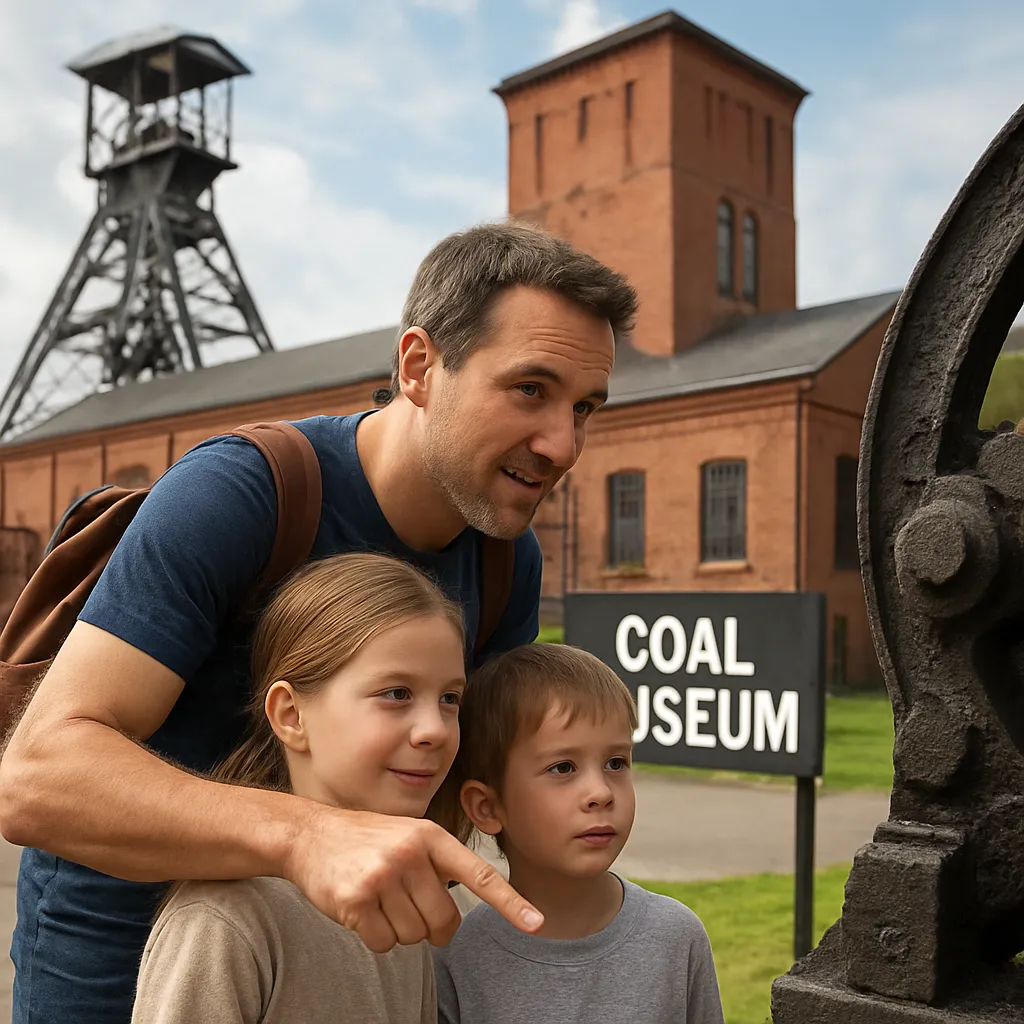
The advent of the steam engine in the late 18th century catapulted coal into global prominence. Factories, locomotives, and steamships demanded vast quantities of this black rock to operate. Regions like northern England, the Ruhr Valley, and Appalachia became epicenters of mining activity. Entire towns sprang up around collieries, promising jobs and economic uplift. The resulting wealth fueled urban expansion and technological breakthroughs, cementing coal as the backbone of industrial energy for over two centuries.
Environmental and Health Impacts
Air Pollution and Greenhouse Gas Emissions
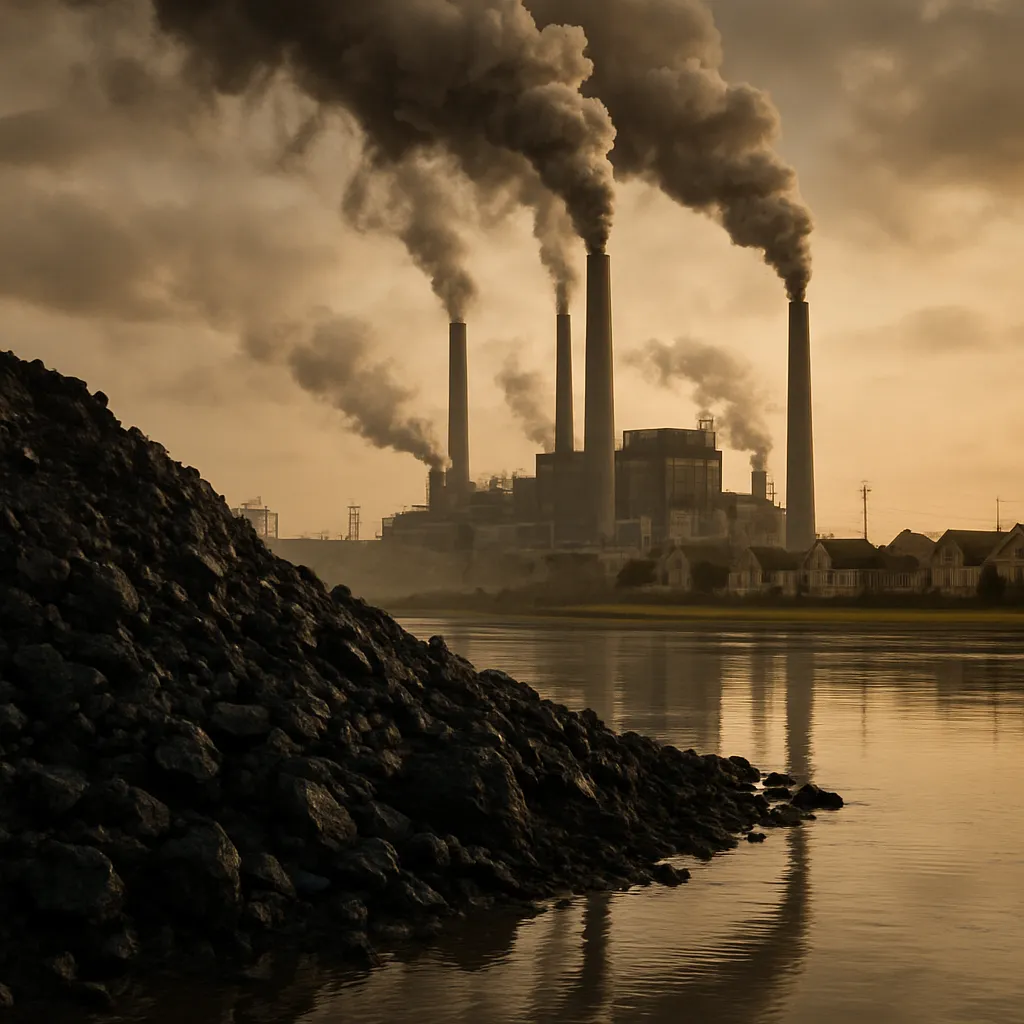
Burning coal releases a complex cocktail of pollutants: sulfur dioxide, nitrogen oxides, particulate matter, and heavy metals such as mercury. These substances contribute to smog formation, acid rain, and respiratory ailments. Moreover, the carbon dioxide liberated during combustion is a primary driver of global warming. Greenhouse gas emissions from coal-fired power plants alone account for a significant fraction of total anthropogenic emissions, exacerbating climate change and extreme weather events.
Mining Hazards and Occupational Risks
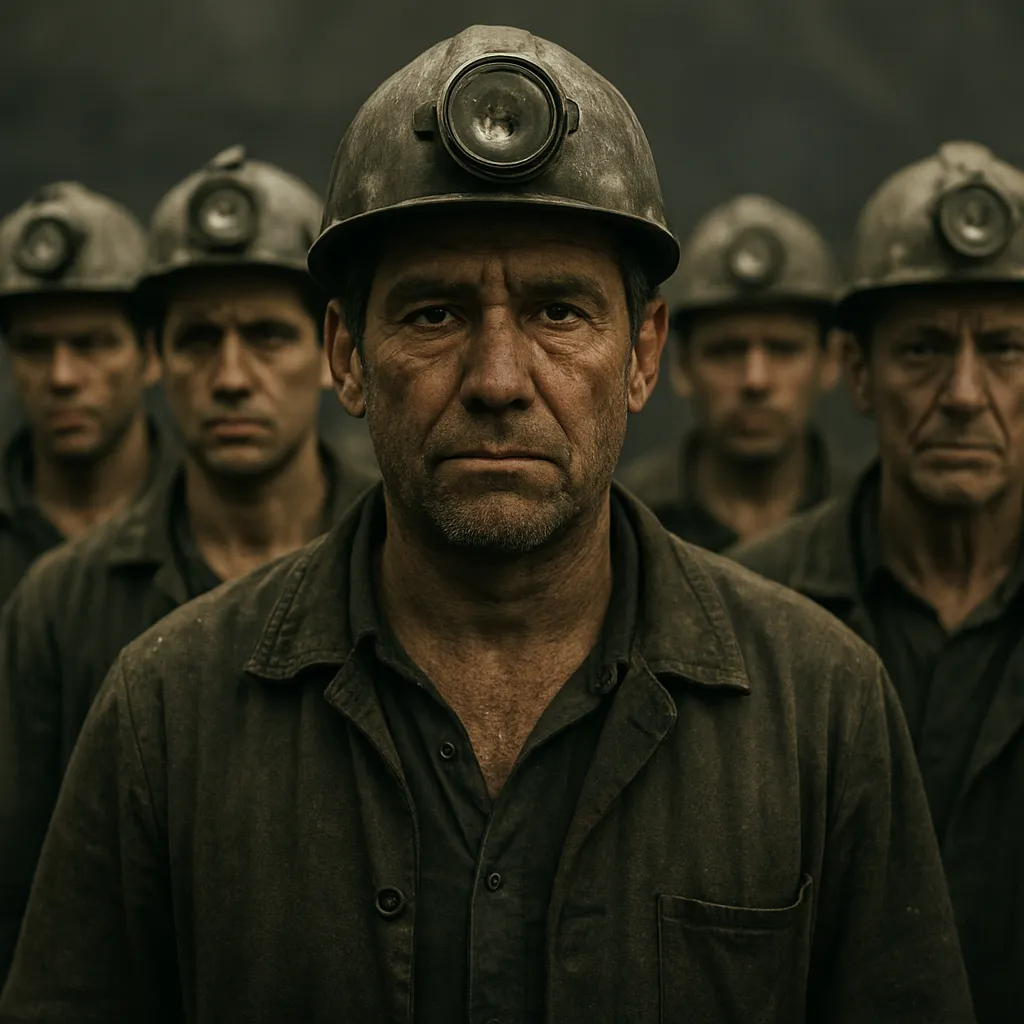
Deep underground operations expose miners to collapsing tunnels, toxic gases, and chronic lung diseases like pneumoconiosis (black lung). Surface strip mining scars landscapes and disrupts ecosystems, leading to soil erosion and water contamination. Acid mine drainage, rich in heavy metals and sulfuric acid, can leach into rivers and groundwater, imperiling aquatic life and local communities’ health. Efforts to regulate mine safety have improved conditions somewhat, but accidents and exposure-related illnesses persist in many regions.
Coal in the Modern Energy Market
Coal Stock and Investment Trends
Historically, corporations involved in coal extraction and power generation ranked among the most lucrative stocks on global exchanges. Investors sought high dividends and steady cash flows from well-established mining companies. However, recent years have seen a shift in market sentiment. Concerns over climate policies, carbon taxes, and competition from cheaper natural gas and renewables have eroded coal’s appeal. Equity valuations of major coal producers have fallen, while bond ratings reflect elevated credit risk due to potential asset stranding.
Transition to Renewables and Market Volatility
In many countries, government incentives promote solar, wind, and hydroelectric projects. As these cleaner technologies gain scale, wholesale electricity prices have plummeted during sunny or windy periods, undercutting coal-fired plants. The intermittency of renewables introduces volatility, but improvements in grid management and energy storage gradually mitigate these challenges. Meanwhile, traditional utilities juggle long-term power purchase agreements, regulatory uncertainty, and public pressure to decarbonize, reshaping investment strategies and retirement timetables for older coal facilities.
Technological Innovations and Cleaner Coal
Carbon Capture and Storage
One promising avenue to reduce emissions from coal plants is carbon capture and storage (CCS). This innovation seeks to trap CO₂ before it reaches the atmosphere and inject it deep underground into geological formations. Pilot projects around the world demonstrate technical feasibility, but high operational costs and energy penalties have limited widespread adoption. Governments and private stakeholders continue to fund research, aiming to drive down costs and scale up deployment.
Alternative Uses and Future Prospects
Beyond combustion, coal can serve as a feedstock for chemical production and liquid fuels through gasification processes. These applications could yield higher-value products with lower direct emissions profiles. However, the overall carbon footprint depends on whether captured CO₂ is stored or released during synthesis. Emerging bio-coal blends, combining biomass with coal in co-firing arrangements, also offer transitional pathways, reducing net carbon intensity while leveraging existing infrastructure.
Global Perspectives and Policy Responses
Regional Disparities in Coal Dependence
China and India collectively consume more than half of the world’s coal, feeding rapid economic growth and urbanization. In these nations, prosperity often competes with environmental objectives. Southeast Asia and parts of Africa also rely heavily on coal to electrify rural areas and support industrialization. Contrastingly, many developed economies have announced phase-out dates for unabated coal, opting to shutter older plants or retrofit them with pollution controls.
Strengthening Regulations and International Cooperation
Global accords like the Paris Agreement set emission reduction targets that implicitly pressure coal-dependent countries to accelerate transition plans. National policies—carbon pricing, coal-plant bans, and renewable energy mandates—shape the future of the industry. International financing institutions now impose stricter environmental criteria on coal projects, favoring sustainable investments. Cross-border collaboration on innovation and technology transfer aims to support developing regions in balancing economic needs with climate commitments.