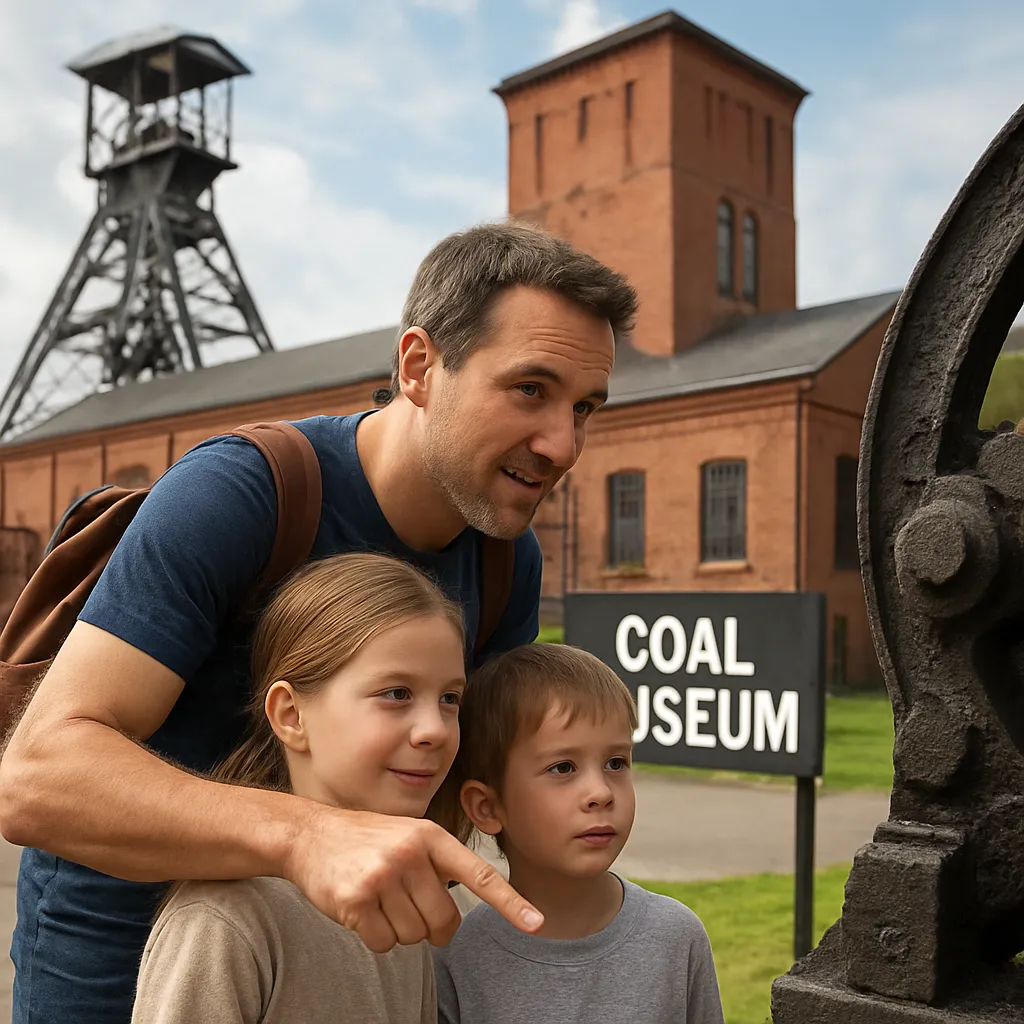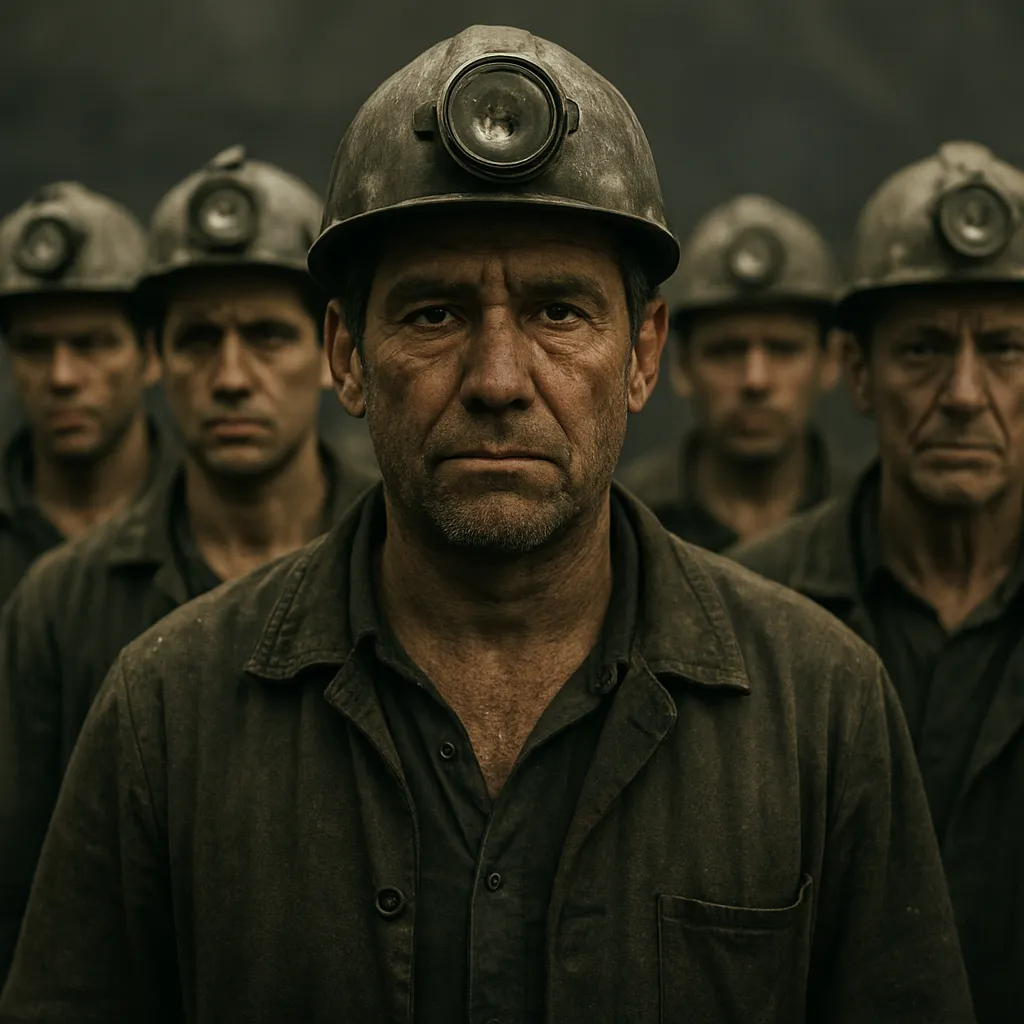
The enduring bond between humanity and coal transcends mere fuel; it shapes our collective memory, fuels economies, and inspires a rich tapestry of creative expression. From the first glow of hearth fires to the fluctuating fortunes of global stock markets, coal remains an emblem of both progress and hardship. This article navigates three pivotal domains—historical roots, economic dynamics, and cultural expressions—to illuminate how coal’s formidable presence continues to shape our world.
Historical Significance of Coal
The discovery and deployment of coal marked a transformative era in human development. As early as the Bronze Age, communities observed the dark lumps that burned hotter and longer than wood. Over centuries, coal became the bedrock of the industrial age, powering steam engines, ironworks, and textile mills. The term “Black Gold” captured both its value and its inherent darkness.
Early Uses and the Industrial Revolution
During the 18th and 19th centuries, regions rich in coal veins—such as Britain’s Northumberland and Wales’ valleys—witnessed an unprecedented surge in production. The transition from water and wind power to coal-driven engines revolutionized manufacturing and transportation. Towns blossomed around collieries, and the relentless demand for mining labor propelled massive rural-to-urban migration. This dramatic shift seeded the modern economy and redefined global trade.
Coal Mining Communities
Life in mining towns was marked by extreme hardships and unwavering solidarity. Generations of families worked precariously underground, forging a unique local heritage. Traditions, dialects, and rituals emerged in tandem with mining practices. Festivals and shadow plays commemorated the annual rhythm of pit closures and openings, embedding coal deep within social identity. The legacy of resilience was wrapped in lamplit faces and the echoing clank of pit cages.
Economic Impact and Coal Stocks
Coal’s economic footprint extends well beyond extraction sites. It intersects with global finance through the valuation of coal-related corporations and their stock listings. Investors track coal indices to gauge energy sector health, as these securities reflect both commodity prices and environmental policy shifts.
- Market Volatility: Coal stocks often display higher volatility compared to stable utilities. Sudden regulatory changes or shifts in Chinese demand can trigger swift price swings.
- Dividends and Yield: Established coal producers sometimes offer attractive dividend yields, appealing to income-focused portfolios despite long-term sustainability concerns.
- ESG Pressures: Environmental, Social, and Governance (ESG) frameworks increasingly influence institutional investors, compelling coal companies to refine operations or risk divestment.
The interplay between short-term profits and long-term environmental strategy shapes boardroom agendas. Firms diversify into renewable energies or carbon capture technologies to maintain investor confidence. Yet, the stubborn persistence of coal in power generation—especially in emerging markets—underscores its entrenched role in development.
Coal in Music and Literature
For centuries, coal has ignited the imaginations of poets, novelists, and musicians. Its dark facets and the human stories entwined with its extraction provide fertile ground for artistic exploration. Themes of hardship, resilience, and social justice resonate through ballads and epics alike.
Ballads and Folk Songs
In mining regions, folk traditions gave rise to poignant lyricism. Songs such as “The Collier Lads” and “Black Diamonds” evoke the somber realities of underground life. Their refrains blend sorrow with steadfast hope, narrating tales of fallen comrades, hazardous shifts, and the unwavering spirit of miners. The haunting harmonies of these ballads preserve communal memory, offering modern audiences a glimpse into coal’s human cost.
Literary Depictions
Writers have long used coal as a potent symbol. In the novels of Charles Dickens, smoky London middens mirror social inequities. In Dylan Thomas’s poetry, the anthracite fields of Wales become a metaphor for both abundance and adversity. Contemporary authors, from Appalachian chroniclers to Australian novelists, continue to weave coal into narratives of environmental justice and economic transformation.
- Imagery: Coalfields provide a rich backdrop for visual contrasts—black seams against verdant hills, spark-laden fires in hearths.
- Narrative: Protagonists often embody the struggle between tradition and modernization, reflecting wider societal dilemmas.
- Theme: The tension between exploitation and survival underscores a universal quest for dignity amid industrial progress.
Contemporary Reflections and Future Prospects
Although renewable sources gain momentum, coal remains a cornerstone in many national energy strategies. In regions where infrastructure and access to alternatives lag, coal-fired plants continue to light cities and sustain industries. Yet, mounting climate concerns propel research into cleaner combustion and carbon capture innovations.
Artists today grapple with this duality. Photographers document abandoned tip heaps as stark monuments to a bygone era, while playwrights stage dialogues between past and future miners. These creative interventions underscore ongoing debates: Can coal’s legacy coexist with a carbon-neutral ambition? Will the working-class narratives forged underground inspire equitable energy transitions?
Across music halls and literary festivals, coal’s echo persists. By honoring both its luminous contributions to human progress and its dark chapters of hardship, societies can cultivate a nuanced appreciation of this elemental resource. In doing so, we ensure that the stories, struggles, and songs shaped by coal endure as vital strands in the tapestry of global culture.