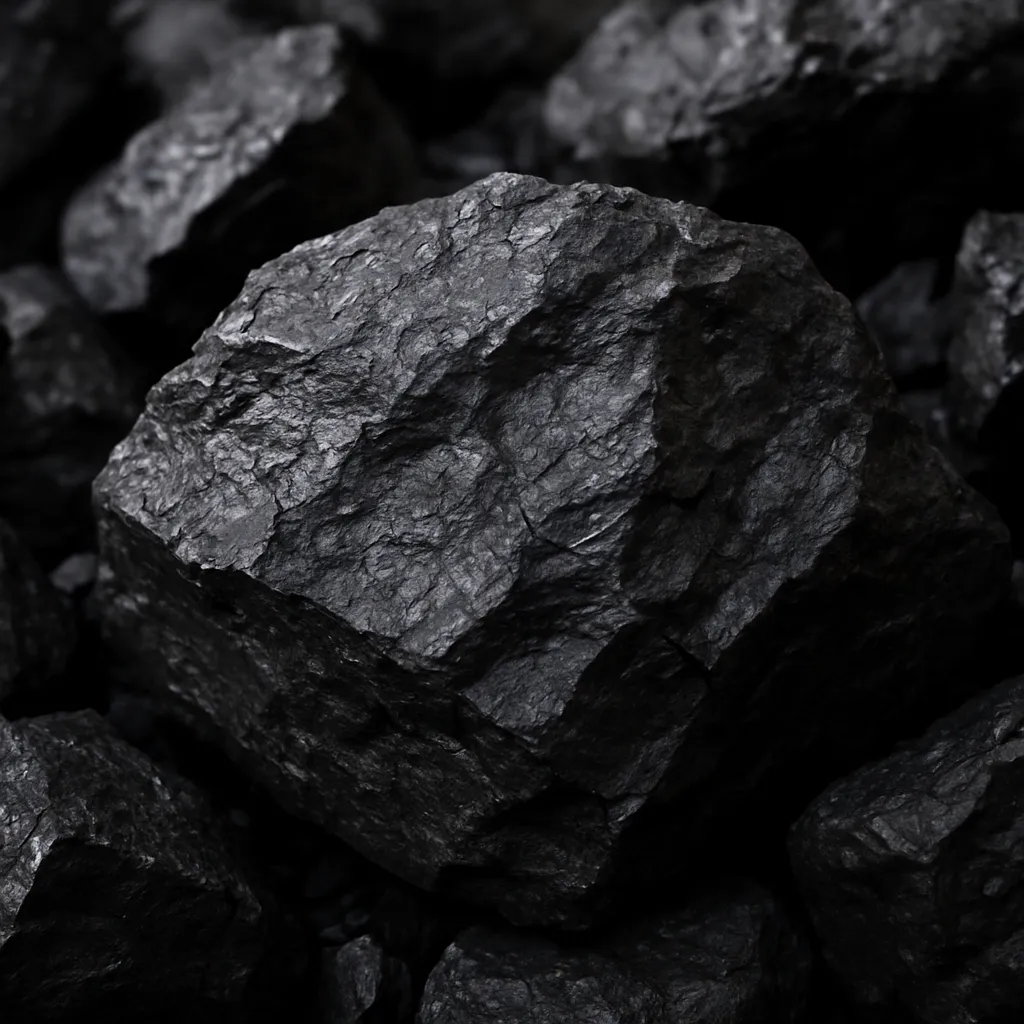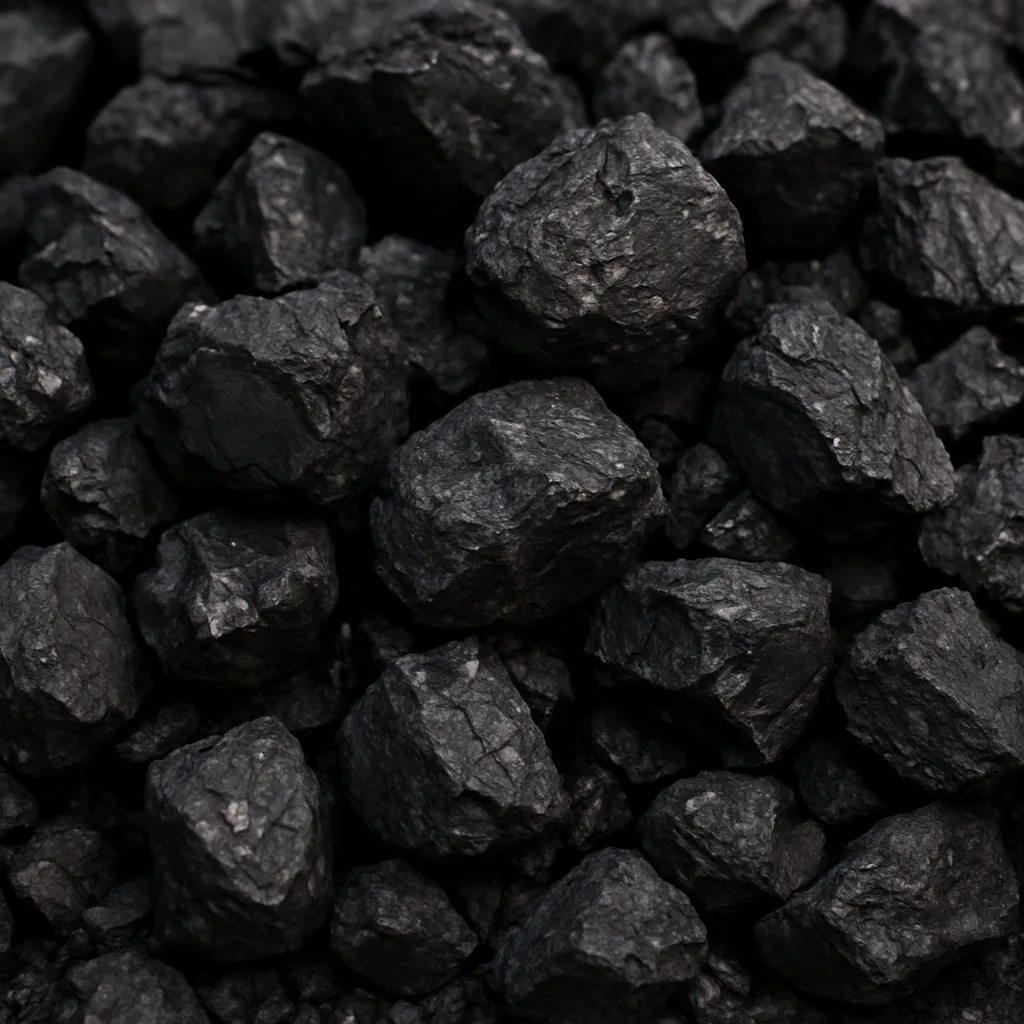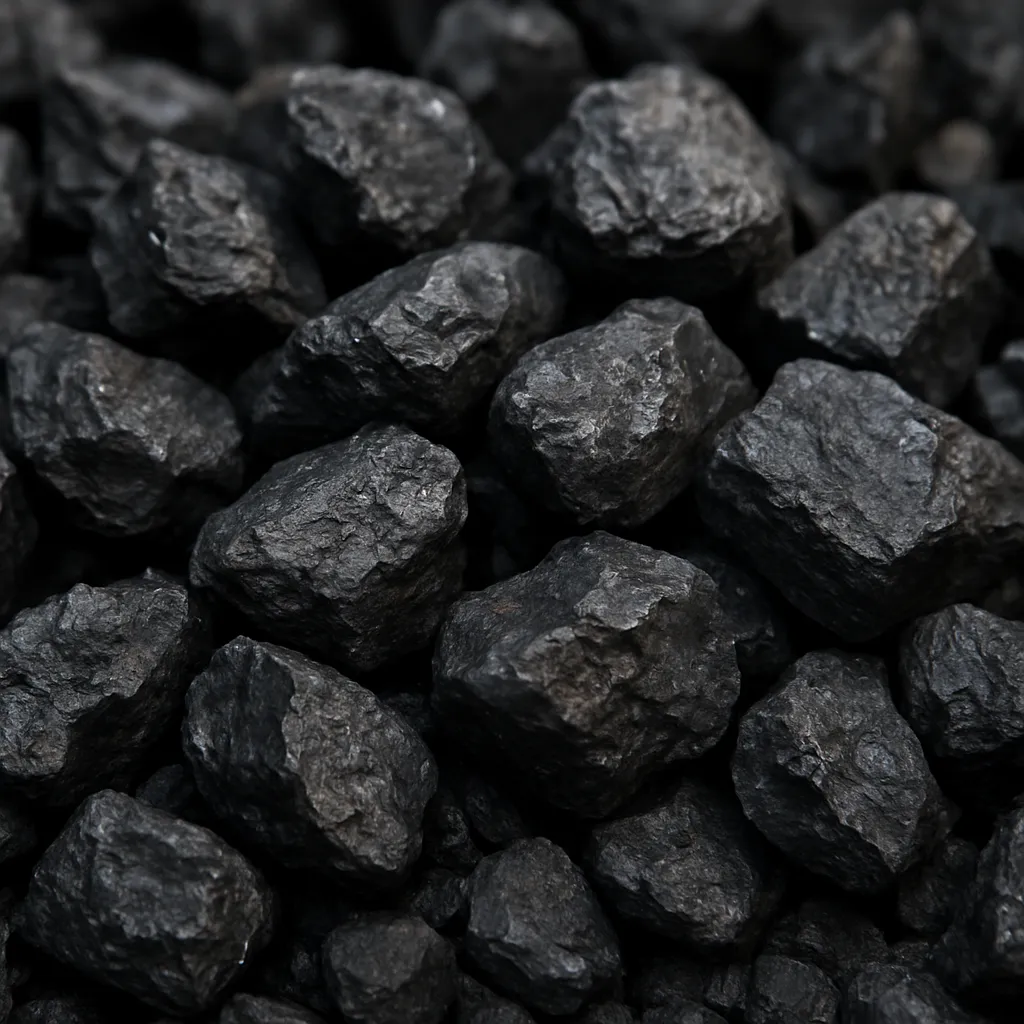
Circulating fluidized bed (CFB) boilers have become an important technology for burning a wide variety of fuels, especially lower-quality coals that are abundant but challenging for conventional combustion systems. This article explores the nature of coal used in circulating fluidized bed systems, where such coals occur and are mined, their economic and industrial significance, relevant statistics, environmental aspects, and other notable facts that make CFB-compatible coal important for modern energy and industrial applications.
Characteristics of coal suitable for circulating fluidized bed combustion
Coal fired in CFB boilers differs in many practical ways from the high-grade coals typically used in pulverized-coal plants. The CFB process tolerates a broader range of physical and chemical properties, enabling the use of coals that would otherwise be uneconomic.
- Rank and calorific value: CFBs are commonly fueled by coal ranging from lignite and sub-bituminous grades up to medium-high volatile bituminous coals. Typical calorific values for CFB fuels lie roughly between 8 and 25 MJ/kg (dry basis), allowing CFBs to exploit local low-calorific resources.
- Ash content and behavior: Many coals used in CFBs have relatively high ash contents (sometimes exceeding 20–30% and in extreme cases up to 50% in waste or run-of-mine material). The fluidized bed environment helps to handle higher ash loads by keeping ash particles entrained and facilitating removal as cyclone-separated fines and bottom ash.
- Sulfur and emissions control: A major advantage of CFB combustion is in-situ sulfur capture by adding limestone or other sorbents into the bed. Coals with high sulfur content can therefore be combusted while maintaining lower stack SO2 emissions compared with equivalent pulverized fuel systems without flue gas desulfurization.
- Moisture and fuel preparation: High-moisture coals such as lignite can be burned more effectively in CFBs because combustion occurs at lower temperatures and does not require the same degree of pulverization. Particle size requirements are also less stringent than for pulverized-coal systems; coarser fuel sizes are acceptable, reducing milling energy and costs.
- Fuel flexibility: CFB boilers can co-fire a wide variety of fuels—coal, biomass, petcoke, petroleum residues, and certain types of industrial wastes—enabling power plants to switch or blend fuels based on availability and price.
Where this coal occurs and where it is mined
Coal deposits suitable for CFB use are globally widespread because CFB technology is intentionally designed to use lower-grade, widely available fuels.
- Major coal-bearing regions: Significant reserves exist in China, India, the United States, Russia, Australia, Indonesia, and South Africa. In Europe, important lignite deposits are found in Germany, Poland, the Czech Republic, Greece, and Turkey—regions where CFB technology is often paired with local lignite mines.
- Mining methods: Surface (open-pit, strip) mining dominates for lignite and shallow sub-bituminous seams, while underground mining (room-and-pillar, longwall) is common for deeper bituminous and anthracite seams. The choice of mining method affects fuel quality delivered to CFB plants (e.g., moisture and ash contamination).
- Local industrial clusters: Many industrial regions with limited access to high-grade coal rely on local low-grade coal reserves and CFB boilers for power and process steam. Examples include lignite-driven power and district heating systems in Central and Eastern Europe and sub-bituminous coal-fired CFB capacity across parts of Asia.
- Export and import dynamics: While seaborne trade of higher-grade thermal and metallurgical coal is concentrated among major exporters (Australia, Indonesia, Russia, Colombia, South Africa, and the US), CFB users often prioritize local or regional supplies to minimize transport cost and maximize fuel security.
Economic and statistical context
The economics of coal for CFB operation must be framed by broader coal market statistics and by the unique cost drivers of CFB technology.
- Global production and reserves: World coal production in recent years has been on the order of several billion tonnes per year (roughly 7–8 billion tonnes annually in the early 2020s), with proven recoverable reserves often estimated at around one trillion tonnes—sufficient, at current burn rates, for multiple decades of supply. These broad numbers underscore why coal remains a central fuel source in many regions despite policy pressures.
- Share in electricity generation: Coal has historically supplied roughly one-third (around 30–40%) of global electricity production in the 2010s–2020s, though this share has tended to decline slowly in many markets due to the rise of gas and renewables and regulatory pressure to cut CO2 emissions.
- Cost structure: Fuel cost is a significant component of the levelized cost of electricity (LCOE) for coal plants. For CFB plants, total system costs reflect capital expenditure (CAPEX) for the boiler and auxiliary equipment, operating expenditure (OPEX) including sorbent use (limestone) and ash handling, and lower costs associated with external flue-gas desulfurization due to in-bed capture. CFBs can be economically attractive where low-cost, low-grade coal is abundant locally.
- Installed base and market trends: CFB technology has been deployed at utility scale and for industrial applications worldwide. Adoption has been strong in Asia (particularly China) and in regions with significant low-rank coal reserves. Globally, cumulative CFB capacity has reached the scale of multiple gigawatts, with new installations and retrofits continuing where fuel flexibility and emission performance are desired. Exact capacity figures vary with market reports and year-to-year additions.
- Employment and regional development: Coal mining and associated power generation have major employment and local economic effects in producing regions. CFB plants sited near mines can secure fuel supply chains, reduce transportation costs, and create local value chains for ash utilization and sorbent supply.
CFB technology: why it suits low-grade coal
Key performance features of circulating fluidized bed boilers explain their attractiveness for burning diverse coal types and for meeting air-quality requirements without extensive downstream equipment.
- Low combustion temperatures: CFBs operate at moderate bed temperatures (typically 800–900°C) which reduces thermal NOx formation compared with pulverized coal firing. Lower NOx translates directly into simpler and less costly selective catalytic or non-catalytic reduction needs.
- In-situ desulfurization: Adding fine limestone directly to the bed allows SO2 capture via CaCO3 → CaO reactions, forming calcium sulfates and sulfites. Typical sulfur capture efficiencies can reach 70–95% depending on the Ca/S ratio, residence time, and temperature, reducing the need for large flue gas desulfurization (FGD) plants.
- High tolerance for ash and variable fuel: The fluidized environment tolerates particles of varying sizes and compositions; bed mixing helps complete burnout even for fuels with poorer grindability. This reduces feedstock preparation costs and allows the use of cheaper run-of-mine or beneficiated waste coals.
- Flexibility for biomass and waste co-firing: CFB boilers can co-fire significant fractions of biomass or alternative fuels, enabling partial decarbonization or waste valorization while still using coal as a base fuel.
- Scalability and modularity: CFB units are available across a range of sizes for utility power, combined heat and power (CHP), and industrial process steam, making them suitable for decentralized plants near coal deposits.
Environmental considerations and regulation
While CFB technology offers environmental advantages compared with some conventional coal-combustion approaches, it also presents specific challenges that influence plant design, operations, and regulatory compliance.
- SO2 and NOx emissions: As noted, in-bed sorption significantly reduces sulfur emissions, and lower combustion temperatures reduce NOx. These features can make CFB plants compliant with stringent local emission limits without large external scrubbers.
- Particulate matter and mercury: CFB flue gas requires robust particulate control systems (electrostatic precipitators or baghouses). Mercury and other trace element emissions depend on fuel content; sorbent addition and particulate capture help limit release but regulatory limits may still require additional treatment.
- CO2 and climate policy: CFB combustion does not inherently reduce CO2 per unit of fuel carbon burned. Thus, coal-fired CFB plants are still subject to carbon pricing, emissions trading systems, or national decarbonization targets. Co-firing with biomass or integrating carbon capture and storage (CCS) are avenues to reduce lifecycle CO2 intensity, though they add cost and complexity.
- Ash management and utilization: High ash volumes from low-quality coals necessitate ash-handling strategies. Beneficial uses include cement and concrete raw material, road-bed materials, and mine backfill, provided chemical properties meet specification and heavy metal content is controlled.
- Water usage and local impacts: Lignite-fired CFBs may have higher moisture handling and water consumption than some alternatives; siting near mines and considering water availability are important for sustainable operations.
Statistical snapshots and market drivers
Selected quantitative perspectives help situate coal for CFB in the broader energy landscape.
- Production and reserves: Global coal production measured in the early 2020s averaged several billion tonnes per year, with major producing countries including China (the largest producer and consumer), India, the United States, Indonesia, and Australia. Proven recoverable reserves globally are commonly cited in the range of the order of one trillion tonnes, highlighting the long-term availability of coal feedstocks.
- Electricity share: Coal has historically provided roughly one-third of global power generation. Exact percentages vary year-to-year and by region: in some Asian markets coal remains dominant, while many OECD countries have reduced coal’s share via renewables and gas.
- CFB deployment trends: CFB installations have been especially prolific in regions with abundant low-grade coals or strict SO2 control requirements. Asia—China in particular—has driven much of the recent build-out, deploying CFB boilers for utility-scale plants and industrial users. Europe has relied on CFBs for lignite plants and district heating in certain countries.
- Cost comparisons: On a levelized-cost basis, CFB plants can be competitive where inexpensive local fuels and the advantage of reduced downstream emissions control apply. Precise LCOE depends on fuel price, plant capacity factor, financing, regulatory costs (including carbon), and co-firing opportunities.
Industrial applications and other interesting facts
Boilers based on circulating fluidized bed principles have been adapted to many roles beyond large-scale electricity generation.
- Industrial heat and CHP: Paper mills, chemical plants, and district heating networks use CFBs to burn local low-grade coal and biomass, achieving combined heat and power efficiencies higher than separate heat and power generation.
- Co-firing and fuel switching: Facilities can blend coal with biomass up to significant percentages—sometimes 20–50% or more depending on design—allowing operators to lower net CO2 emissions and respond to fuel market volatility.
- Waste and alternative fuels: CFB technology can accommodate certain solid recovered fuels (SRF), petroleum coke, and some industrial residues, converting waste streams into usable energy while complying with emissions limits.
- Retrofits and life extension: Existing conventional plants have been retrofitted with CFBs or converted to CFB firing in some cases to improve emissions performance or to use cheaper local fuels, extending asset lifetimes.
- Materials and sorbent supply chains: Limestone demand for in-bed desulfurization has created regional markets for fine sorbent material and has linked power plant operations to quarry and logistics industries.
Future outlook and strategic considerations
The future for coal used in circulating fluidized bed applications is shaped by competing forces: entrenched fuel availability and local economic dependence versus global decarbonization goals and the rising competitiveness of renewables.
- Near-term: In regions with abundant low-grade coal and immediate needs for reliable baseload or industrial heat, CFBs are likely to remain attractive because of fuel flexibility and favorable emissions performance for SO2 and NOx.
- Mid- to long-term: Stricter carbon policies, falling renewable costs, and the adoption of electrification and hydrogen in industry may reduce demand for coal-fired power. However, opportunities exist to integrate CFB plants with biomass co-firing, CCS technologies, or as part of hybrid systems where fuel security and dispatchability remain priorities.
- Innovation: Advances in sorbent efficiency, ash valorization, and integration with carbon capture could extend the economic life of CFB fleets while addressing climate concerns. Market drivers such as local energy security, industrial steam needs, and the economics of fuel transport will shape regional outcomes.
In summary, coal suitable for circulating fluidized bed combustion represents an important category of fossil fuels—largely low-rank, high-ash or high-sulfur coals—that can be converted to heat and power with specific operational and environmental advantages. The technology’s flexibility in fuel type, its in-situ sulfur control, and lower NOx generation make it a practical choice where local coal resources dominate and where regulatory environments reward reduced air-pollutant emissions. While global decarbonization pressures and evolving energy markets will influence future demand, CFB systems remain a key option for leveraging wide-ranging coal resources in a manner compatible with many modern emission-control expectations.