The following article provides a comprehensive overview of the El Paso Coal Mine in Colombia. It examines the mine’s location and geology, the type and quality of coal produced, economic and statistical context, social and environmental impacts, and the mine’s role within the national and global coal industry. Where specific mine-level data are limited in public sources, I note that and present contextual national- and regional-level information to help situate El Paso within Colombia’s mining sector.
Location and geological setting
The El Paso Coal Mine is situated in northern Colombia, in the broad coal-producing region that encompasses parts of the departments of Cesar and La Guajira. This area is part of Colombia’s major coal basins — including the Cesar-Ranchería Basin and the Guajira Basin — that host numerous open-pit and underground coal operations. Many of the coal deposits here were formed during the Paleogene and late Cretaceous periods, with organic-rich layers transformed by geological processes into higher-rank coal seams.
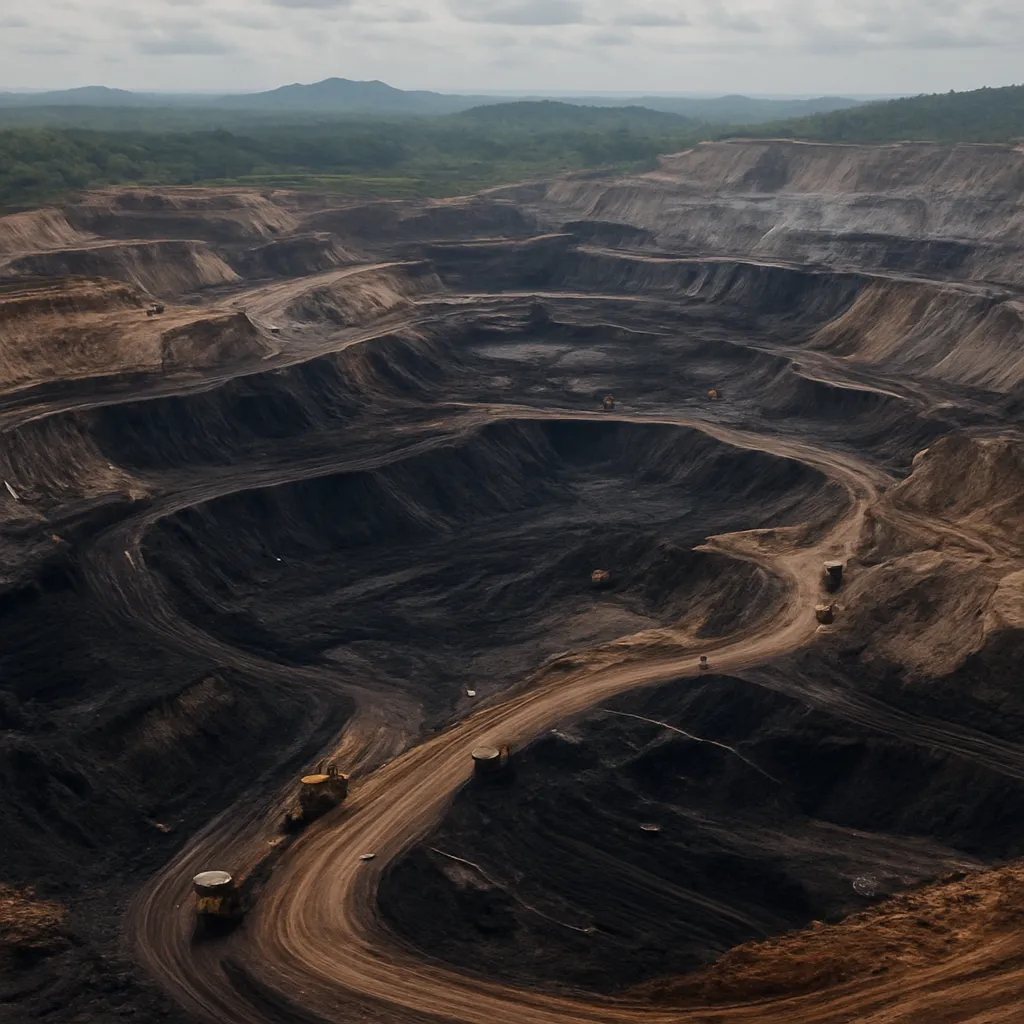
Topographically, the mine area is typically characterized by gently rolling plains and valley systems, with access provided by a network of regional roads connecting mines to processing facilities and export ports on the Caribbean coast. The presence of surface and near-surface seams has made open-pit mining the dominant extraction method in this region.
What is produced and coal type
El Paso primarily produces thermal coal — the type of coal used predominantly for electricity generation and industrial heat. In the northern Colombian basins, the coal rank generally ranges from sub-bituminous to medium-volatile bituminous coal. Colombian thermal coal is well-known for relatively low sulfur and low ash content compared to some global competitors, which contributes to its demand on international markets.
- Coal rank and quality: Medium-volatile bituminous to sub-bituminous; calorific values typically attractive for thermal power (high calorific value relative to some other export coals).
- Chemical characteristics: Commonly low sulfur, moderate ash, and favorable moisture content for export and domestic use.
- Product forms: Run-of-mine coal for washing and processing; washed coal product for export; possible fines and by-products used locally or stockpiled.
Specific seam thicknesses, calorific values (kcal/kg or MJ/kg), and washing yields vary by deposit. Publicly available mine-level analytical reports may be limited for individual smaller operations such as El Paso, so precise laboratory values for the mine are sometimes not published outside company or regulatory filings.
Mining methods and operation logistics
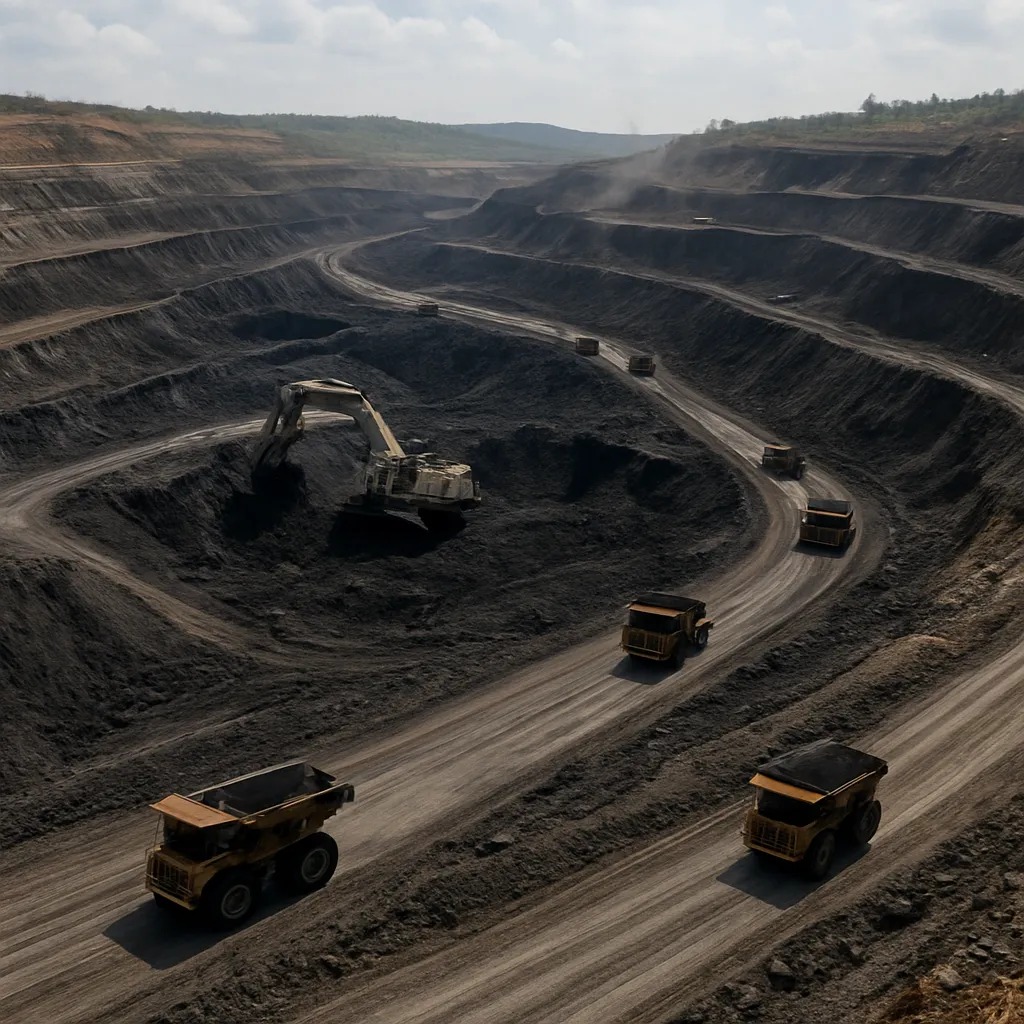
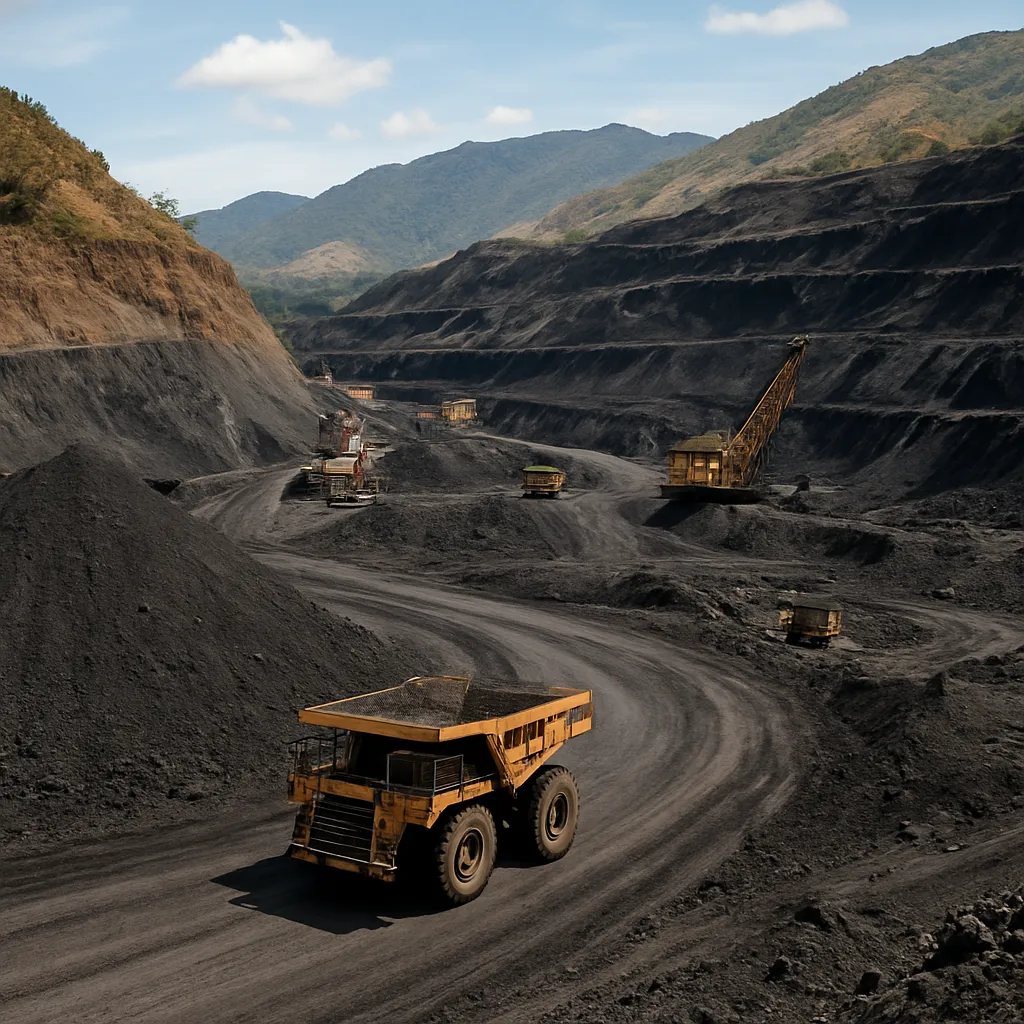
The operation at El Paso is likely dominated by open-pit techniques, reflecting regional practice. Common equipment and operational elements include:
- Large-scale earthmoving using truck and shovel fleets and/or excavators.
- Drilling and blasting for hard overburden and rock layers.
- Surface coal removal, stockpiling, and on-site or nearby washing plants (coal preparation plants) to reduce ash and improve export specifications.
- Haulage by truck or conveyor to temporary stockyards, and onward transport by road or rail to coastal ports for export.
Given Colombia’s coastal export infrastructure, key logistical nodes used by regional mines include the ports of Santa Marta, Barranquilla, and in some cases private terminals serving larger operations. For smaller mines, coal is commonly trucked to central processing or consolidation points prior to export.
Economic and fiscal significance
At the national level, coal is one of Colombia’s most important mineral exports and a major source of foreign exchange revenue. The contribution of an individual mine such as El Paso depends on its production scale, but even medium-sized mines can have significant local economic impacts.
Revenue, royalties and taxes
Mines in Colombia are subject to a framework of taxation and royalties overseen by national authorities. The government receives revenue through corporate income taxes, royalties paid to regional and national authorities, and various municipal fees. These funds can be a significant component of local budgets in coal-producing municipalities, helping finance infrastructure, education, and public services.
Under Colombian mining regulation, royalties (known as regalías) and other levies are apportioned between national, departmental and municipal governments, with some funds earmarked for regional development. The exact royalty rate and fiscal regime vary with contract terms (e.g., concessions or special contracts) and commodity prices.
Employment and local economy
Coal mines like El Paso typically provide direct employment in mining, processing, maintenance, and administration, as well as indirect jobs in logistics, services, and supply chains. For smaller municipalities, a mine’s payroll can be one of the principal sources of formal employment and can stimulate local businesses (retail, transport, housing).
In addition to wages, companies often run or finance community programs — though the scope and effectiveness of such initiatives vary widely and are frequently a focus of community-company relations and social debate.
Statistical context and production figures
Publicly available mine-specific statistics for El Paso may be limited, particularly if the operation is privately held or of medium/smaller scale. However, it is possible to situate El Paso within broader Colombian coal statistics:
- Colombia is among the world’s leading coal exporters; over recent years national coal production has been in the tens of millions of tonnes per year, with exports representing a large share of that output.
- The country’s coal exports have historically served markets in the Americas, Europe, and increasingly in Asia, depending on demand and logistical routes.
- Major Colombian coal producers (for context) include large operations such as Cerrejón and the Drummond group mines; smaller operations like El Paso complement the production portfolio and supply chain.
Because El Paso’s publicly disclosed annual production figures are not broadly published in international datasets, precise tonnages for the mine should be confirmed via company reports, regulatory filings to the Colombian Agencia Nacional de Minería (ANM), or regional authorities. Where available, such filings provide details on annual extraction, reserve estimates, and life-of-mine projections.
Role in industry and markets
El Paso contributes to Colombia’s overall position as a reliable exporter of thermal coal. The mine’s product is used for:
- domestic thermal power generation (supporting Colombia’s largely hydro-based grid during dry periods), and
- export to international buyers seeking coal with favorable sulfur and ash profiles.
Although large players dominate global market share, smaller and medium operations like El Paso provide flexibility in supply and can serve niche customers or regional demand. These mines are also strategically important in sustaining local supply chains—warehousing, trucking, port services—thus reinforcing the broader industry ecosystem.
Social and environmental considerations
The social and environmental footprint of coal mining in Colombia has been a subject of national attention, and El Paso is no exception. Key issues include:
- Land use and displacement: Open-pit operations require significant land areas, sometimes necessitating resettlement or changes in land use that affect agriculture and local livelihoods.
- Water resources: Mining and washing operations can impact surface and groundwater quality and availability, creating tensions where communities rely on limited water supplies.
- Air quality and dust: Blasting, hauling, and processing can generate dust and particulate matter with health implications if not properly managed.
- Biodiversity impacts: Clearing and habitat alteration can affect local flora and fauna; environmental licensing processes require mitigation and rehabilitation plans.
- Community relations and social investment: Companies often implement social programs, but the effectiveness, transparency, and sustainability of such efforts vary and are central to community-company dynamics.
Colombian environmental regulation mandates impact assessments, and mining concessions typically require environmental management plans and closure/reclamation commitments. Enforcement and monitoring are carried out by national and regional environmental authorities, and projects must comply with licensing requirements issued by entities such as ANLA (the National Environmental Licensing Authority) and local environmental agencies.
Reserves, life of mine and exploration
Reserve estimates and the projected life of a mine depend on verified geological studies and economic assumptions. For many regional mines, reserves are sufficient to support operations for several years to decades, depending on seam thickness, market prices, and investments in mining infrastructure.
Exploration activity in Colombian coal basins continues, driven by the potential to delineate additional resources and improve ore characterization. Advances in geological surveying, remote sensing, and drilling techniques help companies optimize mine planning and recoveries.
Challenges and future outlook
The future for mines like El Paso is shaped by multiple forces:
- Market demand: Global energy transitions influence demand for thermal coal. While some markets reduce coal use for climate reasons, other regions continue to rely on imports for power security.
- Price volatility: Coal prices can shift with global economic cycles, affecting mine profitability and investment decisions.
- Regulatory and social pressures: Heightened environmental standards, community expectations, and scrutiny can require additional investments in mitigation, reclamation, and community development.
- Operational efficiency: Investments in modern equipment, automation, and improved processing can reduce costs and environmental footprint, extending mine viability.
For El Paso, strategic adaptation—through efficient operations, environmental stewardship, and constructive community engagement—will determine long-term sustainability in a changing global energy landscape.
Interesting facts and contextual notes
- Colombian thermal coal is often prized for its lower sulfur content, which can lower costs and complexity for buyers installing emission controls.
- Major port infrastructure investments in Colombia over the past decades have improved export capacity, benefiting mines across northern coal basins.
- While large mines draw most attention, the aggregate output of numerous smaller mines like El Paso supports significant employment and regional development.
- Colombia balances a prominent coal export industry with a domestic energy mix dominated by hydropower, creating unique interdependencies between mining and national energy security planning.
Data limitations and where to find mine-level statistics
Precise, up-to-date statistics for El Paso may be limited in open international datasets. For the most accurate mine-specific figures (production volumes, reserves, employment numbers, and fiscal contributions), consult:
- Company reports and sustainability disclosures from the mine operator (if publicly available).
- Regulatory filings and concession data held by the Agencia Nacional de Minería (ANM) and the Ministry of Mines and Energy in Colombia.
- Environmental license documents from ANLA or regional environmental authorities, which can include production forecasts and environmental management commitments.
- Local municipal government reports that sometimes publish royalty receipts and employment statistics tied to mining activity.
Conclusion
The El Paso Coal Mine is part of Colombia’s rich coal-producing landscape, contributing to regional economies, employment, and national export revenues. It produces thermal coal of the type commonly found in the northern Colombian basins, generally valued for modest sulfur content and competitive calorific output. While mine-level public data can be scarce, situating El Paso within Colombia’s broader coal industry highlights its role in supply chains, regional development, and the ongoing balancing act between economic benefits and environmental-social responsibilities. Ongoing market dynamics, regulatory frameworks, and technological advances will shape the mine’s trajectory in the coming years.