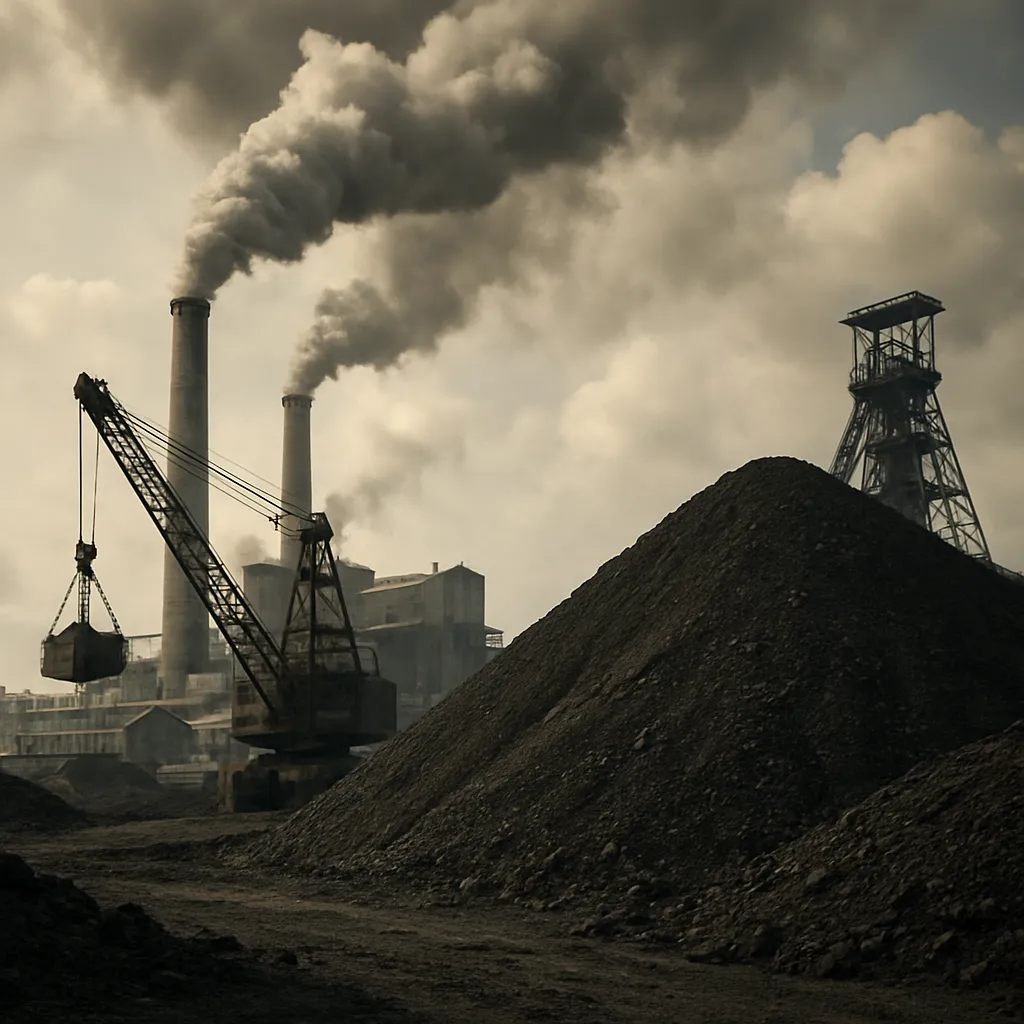
Coal has stood at the heart of industrial progress for centuries, powering everything from steam engines to modern electricity grids. Its significance extends beyond mere fuel: it has shaped economies, driven technological advances, and defined the lives of countless communities. Exploring the multifaceted world of coal reveals not only the story of a mineral resource but also the evolution of markets, the rise of labor movements, and the challenges we face in transitioning to cleaner energy sources.
The Historical Impact of Coal Mining
Origins and Early Extraction
The journey of coal as a resource began in antiquity, when early societies discovered black rock seeping out of hillsides. By the Middle Ages, small surface pits transformed into deep shafts, marking the birth of systematic extraction. These primitive operations laid the groundwork for the Industrial Revolution, providing unprecedented amounts of energy to burgeoning industries.
Coal Miners as Industrial Heroes
Deep underground, miners risked life and limb to unearth seams of rich anthracite and bituminous coal. Harsh conditions, including frequent collapses and exposure to noxious gases, forged a resilient workforce. Over time, coal miners became symbols of solidarity and strength, championing labor rights. Their struggles gave rise to pioneering unions, cementing the idea that those who power the factories and grids deserve fair wages, safe workplaces, and social recognition.
Coal as a Cornerstone of Energy Production
Throughout the 19th and 20th centuries, coal-fired power plants morphed into the backbone of national grids. Today, despite the rise of renewables, coal still generates a significant share of global electricity. Its resilience in baseload supply and abundant reserves make it a tempting fallback for nations seeking stability.
- Baseload Capacity: Constant output regardless of weather or time.
- Affordability: Low operational cost compared to some alternatives.
- Infrastructure: Established networks of rail, port, and shipping lanes.
However, the very traits that made coal indispensable—its high carbon content—also render it a leading culprit in carbon emissions. Balancing reliability with environmental stewardship has become a central policy dilemma worldwide.
Understanding Coal Stock and Market Forces
Price Drivers and Supply Chains
Coal pricing hinges on a complex interplay of factors: supply from major producers, demand in key markets, and geopolitical stability. Major exporting countries, including Australia, Indonesia, and Russia, wield considerable influence over global market dynamics. Shipping bottlenecks or trade embargoes can trigger sharp spikes, testing traders’ risk tolerance.
Investment Strategies
Investing in stocks of coal companies requires careful analysis of both operational metrics and macro trends. Key considerations include:
- Production Costs: Lower-cost mines often weather downturns better.
- Reserve Lifespan: Proven reserves indicate long-term viability.
- Debt Levels: High leverage raises bankruptcy risk in downturns.
Volatility and Risk Factors
Coal equities often exhibit higher volatility compared to utility stocks. Regulatory shifts—such as carbon taxes or emissions caps—can depress valuations overnight. Similarly, advancements in cheap renewables may erode demand forecasts, challenging long-held assumptions about coal’s future role.
Environmental Challenges and Regulatory Landscape
Coal’s environmental footprint is under intense scrutiny. Airborne particulates, sulfur dioxide, and mercury emissions take a toll on public health and ecosystems. Global agreements like the Paris Accord have placed coal-fired power plants in the spotlight, pushing governments to adopt tougher regulation or provide incentives for cleaner alternatives.
- Emissions Standards: Stricter limits on NOx, SO₂, and CO₂.
- Carbon Pricing: Fees or cap-and-trade systems to internalize environmental costs.
- Reclamation Laws: Requirements to restore mined land for ecological use.
In response, many operators have invested in cleaner coal technologies, such as flue-gas desulfurization and selective catalytic reduction. Yet, even with these upgrades, coal remains the single largest source of energy-related carbon emissions on the planet.
Technological Innovation and Future Outlook
As the world pivots toward decarbonization, coal must innovate or be phased out. Several promising avenues include:
- Carbon Capture and Storage (CCS): Capturing CO₂ at the source and injecting it into geological formations.
- Coal-to-Liquids (CTL): Converting coal into cleaner-burning synthetic fuels.
- Advanced Combustion: Ultra-supercritical boilers operating at higher pressures and temperatures for improved efficiency.
Nevertheless, the rise of solar, wind, and battery storage continues to erode coal’s share of the global energy mix. Policymakers, investors, and communities face tough decisions: Should they double down on expensive retrofits, or accelerate the transition to renewable sources? In the end, the answer will hinge on a blend of economics, innovation, and public will.