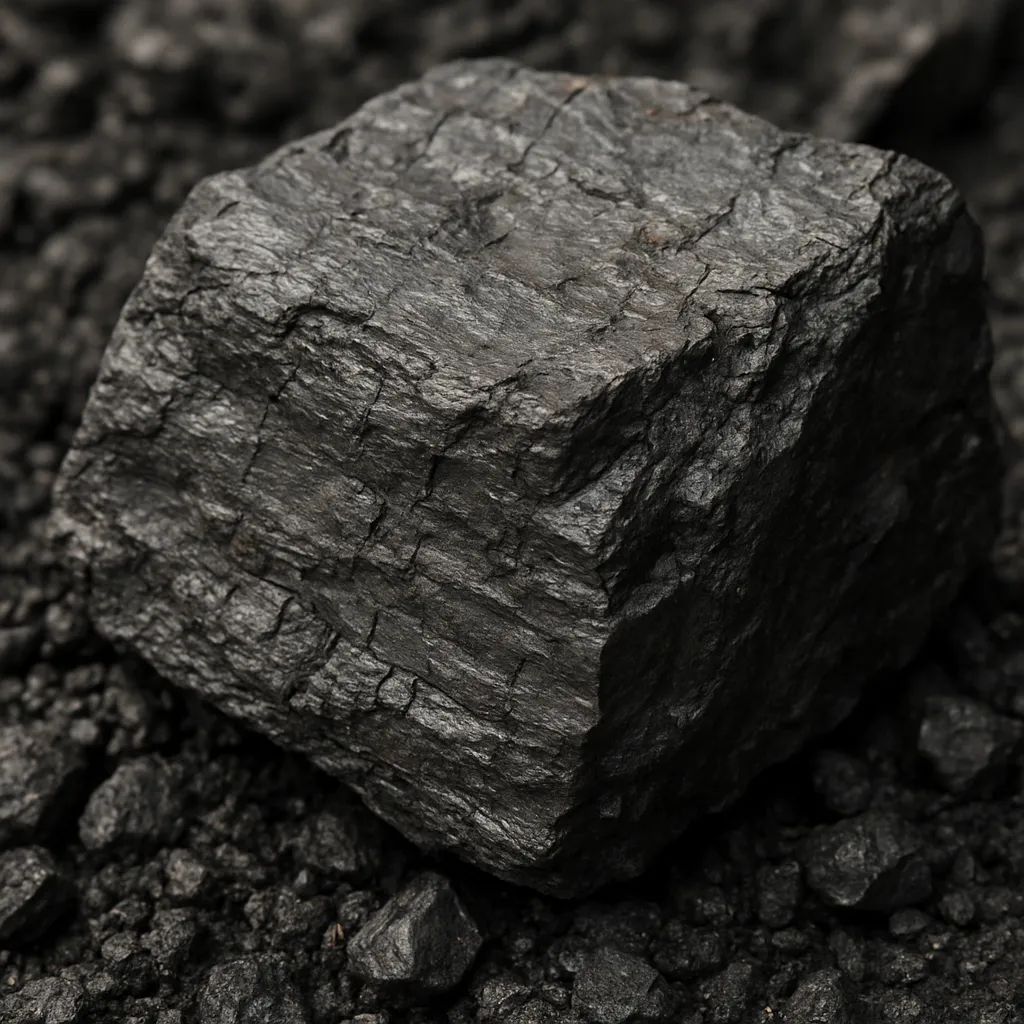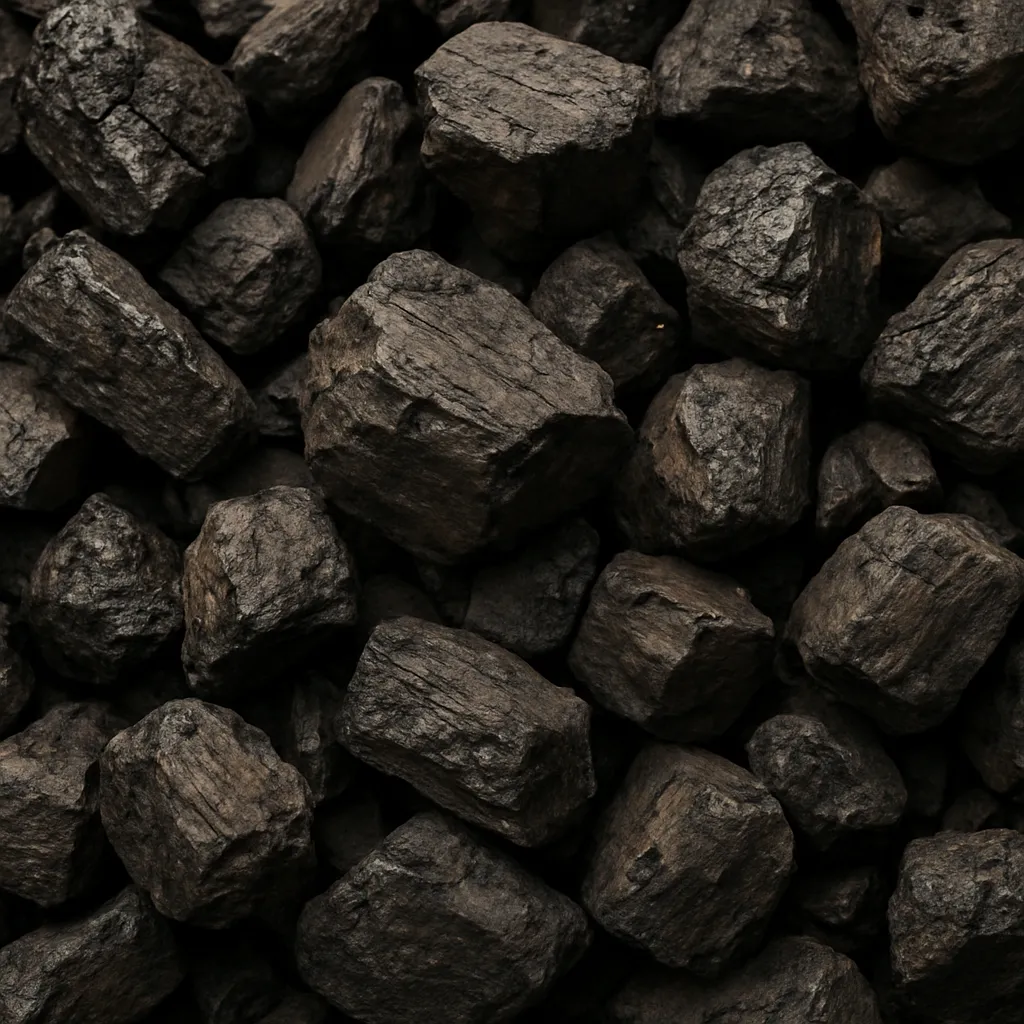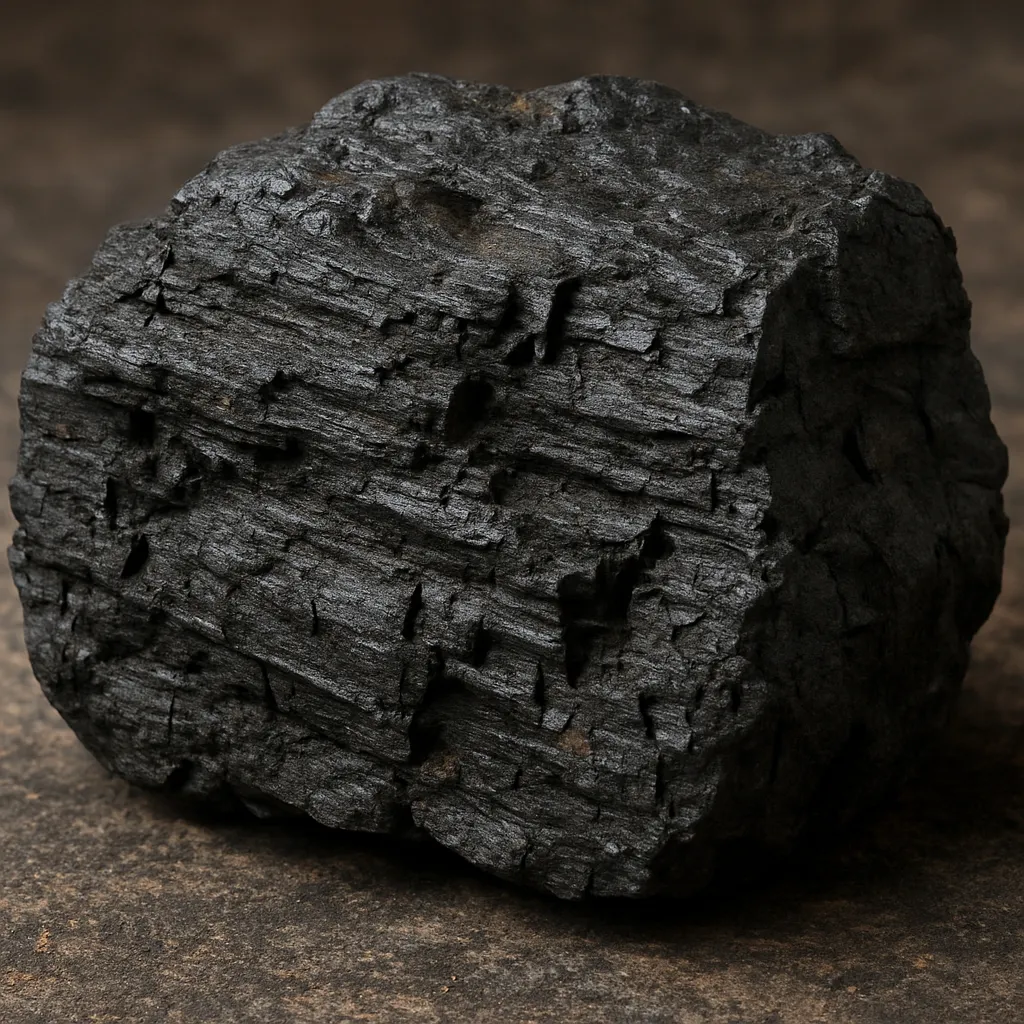
This article examines aged lignite — commonly known as lignite or brown coal — from geological, technical, economic and environmental perspectives. It explains what distinguishes aged lignite from fresh coal, where major deposits and mining operations are located, how this low-rank fuel is used in contemporary industry, what economic and statistical patterns shape its market, and what challenges and opportunities arise from its unique properties. The text highlights practical issues such as changes in quality during storage, spontaneous self-heating, and options for upgrading or substituting this fuel in a decarbonizing energy landscape.
Understanding aged lignite: formation, properties and behaviour
Lignite is a low-rank sedimentary coal formed from compressed peat under relatively low pressure and temperature conditions, typically during the Tertiary period. It contains a higher fraction of volatile matter and a high moisture content compared with higher-rank coals such as sub-bituminous, bituminous or anthracite. The calorific value (gross calorific value) of typical lignite ranges widely — commonly between about 8 and 20 MJ/kg (roughly 2,000–4,800 kcal/kg) — depending on local geology, rank and moisture. Moisture content is a key determinant of energetic quality and can range from 30% up to 70% by weight for fresh, high-moisture deposits.
The term “aged lignite” refers to lignite that has undergone physical, chemical and biological changes after extraction or prolonged storage. Aged lignite may have spent time in surface stockpiles, in open-air heaps, or in partially reclaimed mines. During this time several processes occur:
- Oxidation of labile organic compounds and partial loss of volatile matter, which can reduce heating value and alter combustion characteristics.
- Drying at the surface that reduces moisture and can increase apparent calorific value per unit mass, but may be accompanied by decomposition of labile components.
- Biological degradation by microorganisms, generating heat and changing the chemical composition of humic substances.
- Production of fines and dust through weathering and mechanical breakdown, affecting handling and emissions.
- Enhanced risk of spontaneous combustion where oxygen access and heat retention in a stockpile combine to produce self-heating hotspots.
These processes make aged lignite a material of mixed quality: in some cases drying increases shipping energy density, but oxidation and loss of volatiles can reduce overall value and impair downstream processing. For power plants and industrial users, variable characteristics complicate feedstock management, burner tuning and emissions control.
Where lignite occurs and where it is mined
Lignite deposits are typically shallow and spread over large basins, making them economically exploitable by open-pit mining. Important global regions with significant lignite reserves include Europe (notably Germany, Poland, Czechia, Greece and Turkey), the United States (North Dakota, Texas, Montana), Australia (Latrobe Valley in Victoria and parts of New South Wales), Russia, and certain parts of Asia. Many of these deposits are of relatively young geological age compared with higher-rank coals.
Europe
Europe has a long history of lignite mining. Germany has historically been the continent’s largest producer, with major basins in the Rhenish (Rhineland), Lusatian and Central German mining areas. Poland’s Belchatów mine and power complex is one of the world’s largest single sites combining open-pit lignite mining with a large mine-mouth power station. Czechia hosts significant operations in its North Bohemian Basin, and Greece developed lignite fields in Western Macedonia (Ptolemaida and Amyntaio) and Megalopolis. Turkey’s domestic lignite plays a major role in its power sector and local industry.
North America
In the United States, lignite occurs prominently in the Gulf Coast and the Northern Great Plains, especially North Dakota and Texas. North Dakota’s lignite resources have traditionally fed mine-mouth power plants and coal gasification projects. Lignite in the U.S. tends to be lower in sulphur but has site-specific calorific values and moisture contents.
Australia and other regions
Australia’s Latrobe Valley in Victoria is famous for its high-moisture brown coal reserves that supply local power stations via short-distance conveyance. Australian brown coal has been subject to intensive research because its high water content makes it inefficient to transport long distances unless upgraded. Russia and some Asian countries also have economically exploitable lignite basins that support regional industries.
Economic and statistical outlook: production, reserves, prices and employment
Lignite’s economics are shaped by its abundance, low purchase price per tonne, and the fact that mining is often positioned close to consumption — a characteristic known as mine-mouth generation. Historically, global lignite and brown coal production have accounted for a significant fraction of world coal production, with aggregated annual production on the order of hundreds of millions to over a billion tonnes depending on the measurement period and definitions used. Exact annual global figures vary year to year; what matters economically is that lignite remains an important regional energy source in many countries.
A few important economic patterns:
- Price and competitiveness: Lignite is typically sold at the mine or within short haul distances at low prices per tonne. Because it is bulky and has low energy density, long-distance transport is uneconomic unless the lignite has been dried, briquetted or upgraded.
- Employment and local economies: In many mining basins lignite provides employment, income and tax revenues. Mining towns and communities often depend heavily on lignite-related industries, which creates both economic resilience and vulnerability to structural shifts in energy policy.
- Reserves and security of supply: Countries with large lignite endowments use them as a way to secure domestic energy supply and reduce import dependence for fuels like gas or oil.
Some representative facts and figures (indicative ranges and trends):
- Gross calorific value: typically 8–20 MJ/kg for raw lignite; upgraded product can reach higher values after drying or torrefaction.
- Moisture content: commonly 30–70% for surface-mined brown coal; drying operations can lower this substantially.
- CO2 intensity: lignite-fired electricity is among the highest-CO2 emissions per unit of electricity among fossil fuels; per megawatt-hour, older lignite plants can emit roughly 1.0–1.3 tonnes of CO2, depending on plant efficiency and coal quality. Modernized plants can reduce this figure somewhat, and CCS could lower it further where implemented.
- Market size: regional markets are most important. In several European countries lignite historically supplied tens to hundreds of terawatt-hours per year in aggregated generation.
Because public policy and climate targets increasingly pressure coal use, lignite faces demand-side uncertainty. Some countries plan gradual phase-outs, while others maintain significant lignite-based fleets for energy security and economic reasons. This creates variable investment patterns in both mining and power generation.
Significance in industry and primary uses
The dominant use of lignite is for electricity generation in steam power plants located near mines. Lignite’s low price and local availability make it attractive for base-load operation in regions with ample reserves. Beyond electricity, lignite has industrial applications:
- Cement and brick manufacturing, where it can be used as a process fuel.
- Gasification and chemical feedstock: lignite can be gasified to produce synthesis gas (syngas) for chemicals, fertilizers or synthetic fuels; this is capital-intensive but technically feasible.
- Briquetting and pelletizing: to create transportable, higher-density fuels for industrial boilers and some metallurgical uses.
- District heating: when integrated into combined heat and power (CHP) plants, lignite can provide steam and heat for local industrial clusters and communities.
The industrial value of aged lignite is mediated by its altered properties. For example, aged lignite with increased fines and variable moisture can challenge fluidized bed combustors and conventional boilers. However, some aged stocks can be beneficial: surface drying can raise calorific value per mass, improving burner performance if oxidation losses are not excessive.
Environmental, safety and social considerations
Lignite mining and use present distinctive environmental and social challenges:
- Greenhouse gases: lignite combustion produces high CO2 emissions per unit of electricity, contributing disproportionately to national emissions in countries reliant on it for power.
- Air quality and pollutants: emissions of SO2, NOx and particulates can be substantial unless controlled by flue gas treatment systems such as desulphurization units and electrostatic precipitators or bag filters.
- Land use and landscape impacts: open-pit mining alters topography, affects ecosystems and requires long-term rehabilitation and recultivation to meet social and regulatory expectations.
- Water impacts: dewatering of pits, groundwater table shifts and changes in surface runoff can affect agriculture and local water supplies.
- Spontaneous combustion and safety: aged lignite stockpiles are prone to self-heating and, in extreme cases, fire that is difficult to extinguish. This creates air pollution and safety hazards for workers and nearby communities.
Risk management strategies for aged lignite include controlling stockpile geometry to limit oxygen ingress, staged addition and removal of coal to avoid long residence times, inerting with CO2 or nitrogen in certain contexts, surface covering, and implementing early-detection monitoring systems (temperature probes, gas sensors, remote thermal imaging).
Technical approaches to upgrading aged lignite and mitigating drawbacks
Given its disadvantages for transport and emissions, several technological routes have been developed to upgrade lignite or reduce its environmental footprint:
- Drying and dewatering: mechanical or thermal drying reduces moisture to increase energy density and improve combustion efficiency. Drying can be performed at the mine or integrated with power plant operation (e.g., using waste heat).
- Torrefaction and mild pyrolysis: thermal pre-treatment can produce a more hydrophobic, energy-dense product with improved grindability and storage properties.
- Gasification and synthesis: converting lignite to syngas enables production of chemicals, hydrogen or synthetic fuels, sometimes with potential for CO2 capture at the point of synthesis.
- Briquetting: densification reduces dust, improves handling and can enable longer-distance transport of energy in commodity form.
- Advanced combustion: fluidized bed combustion and circulating fluidized bed (CFB) boilers can burn lower-quality fuels with effective combustion and emission control.
- Carbon capture and storage (CCS): technically feasible but capital intensive and rarely deployed commercially at scale for lignite plants due to cost and low margins.
Each approach has trade-offs between capital costs, operational complexity and environmental benefits. For example, drying increases transportability but consumes energy or requires capital investment; gasification opens new markets but requires large plants and markets for syngas derivatives.
Case studies and regional illustrations
A few examples illustrate the interplay of geology, industry and policy:
Rhenish and Lusatian basins (Germany)
Germany historically exploited large lignite basins close to industrial demand centers. These operations shaped regional economies and created substantial energy independence. In recent years, policy decisions to phase down coal have targeted lignite fleets for gradual retirement, accompanied by just-transition programs for workers and economic diversification of mining regions.
Belchatów complex (Poland)
One of Europe’s largest single lignite operations, combining a vast open-pit mine with a large, mine-connected power station. Its operation exemplifies the mine-mouth model that keeps generation costs low but concentrates environmental impacts and creates strong local dependence on the lignite value chain.
Latrobe Valley (Australia)
High-moisture brown coal in the Latrobe Valley must be used very close to source or undergo drying. The regional economy grew around intensive local generation; debates about emissions, exports and possible export of dried or upgraded coal products have been ongoing.
Market trends, policy context and the future of aged lignite
The future of lignite is intertwined with national energy policies, climate commitments, and the economics of low-carbon technologies. Key trends include:
- Decarbonization pressure: international and domestic policies pushing toward reduced coal use affect investment in lignite extraction and in associated power plants.
- Local energy security vs. climate targets: some countries prioritize domestic, low-cost lignite to secure supply, while balancing emissions obligations through renewables deployment or efficiency measures.
- Technological adaptation: operators facing closure or reduced demand explore opportunities to repurpose infrastructure for biomass co-firing, retrofits with CCS, or conversion of sites to grid-scale storage and renewable generation hubs.
- Economic restructuring: regions with lignite industries often require tailored transition policies (retraining, infrastructure investment, environmental remediation funds) to manage employment impacts.
Aged lignite specifically raises operational questions: long-term stockpiling is less attractive under uncertain demand; there is higher incentive to use, upgrade or stabilize stocks quickly to avoid quality loss or fire risks. Where lignite plants remain in service, investments in improved combustion, emissions control and fuel handling are typical short- to medium-term responses.
Interesting technical and scientific aspects
Beyond economics and policy, aged lignite presents scientific challenges and opportunities:
- Chemical characterization: studying humic substances, volatile organic compounds released during aging, and the kinetics of oxidation informs safer storage and better utilization strategies.
- Microbial activity: microbial degradation in shallow stockpiles can generate heat and gases; understanding these communities aids prevention of spontaneous heating.
- Material science: research into binders and additives that enable briquetting of low-rank coal while minimizing emissions is active in several research programs.
- Reclamation engineering: converting opencast pits to lakes, wetlands or industrial sites requires multidisciplinary planning involving geology, hydrology and social science.
Practical guidance for stakeholders handling aged lignite
Operators, regulators and communities can apply practical measures to mitigate risks and enhance value from aged lignite:
- Inventory management: avoid prolonged surface stockpiling by optimizing production schedules and logistics to match consumption patterns.
- Monitoring systems: deploy temperature, gas and aerial thermal imaging sensors to detect early signs of self-heating and spontaneous combustion.
- Stabilization and covering: use covers, compaction and inerting to limit oxygen ingress into piles.
- Pre-treatment investment: evaluate the economic and environmental returns of drying, briquetting or torrefaction to create higher-value transportable products.
- Community engagement and rehabilitation planning: involve local communities early in closure planning, ensure transparent timelines and secure funds for environmental restoration.
Concluding perspective
Aged lignite occupies a complex niche: it remains an important regional fuel in many parts of the world because of abundant deposits and low extraction costs, especially where mine-mouth generation is established. At the same time, its low energy density, high moisture, variable quality after aging, and high CO2 emissions complicate its role in a rapidly decarbonizing global economy. Practical responses include improving storage and handling to reduce losses and fire risk, investing in upgrading technologies where economically justified, and planning socio-economic transitions in mining regions. As energy systems evolve, the ultimate trajectory of lignite will depend on the balance among local energy security needs, technological options for emissions reduction, and policy decisions driven by climate objectives.