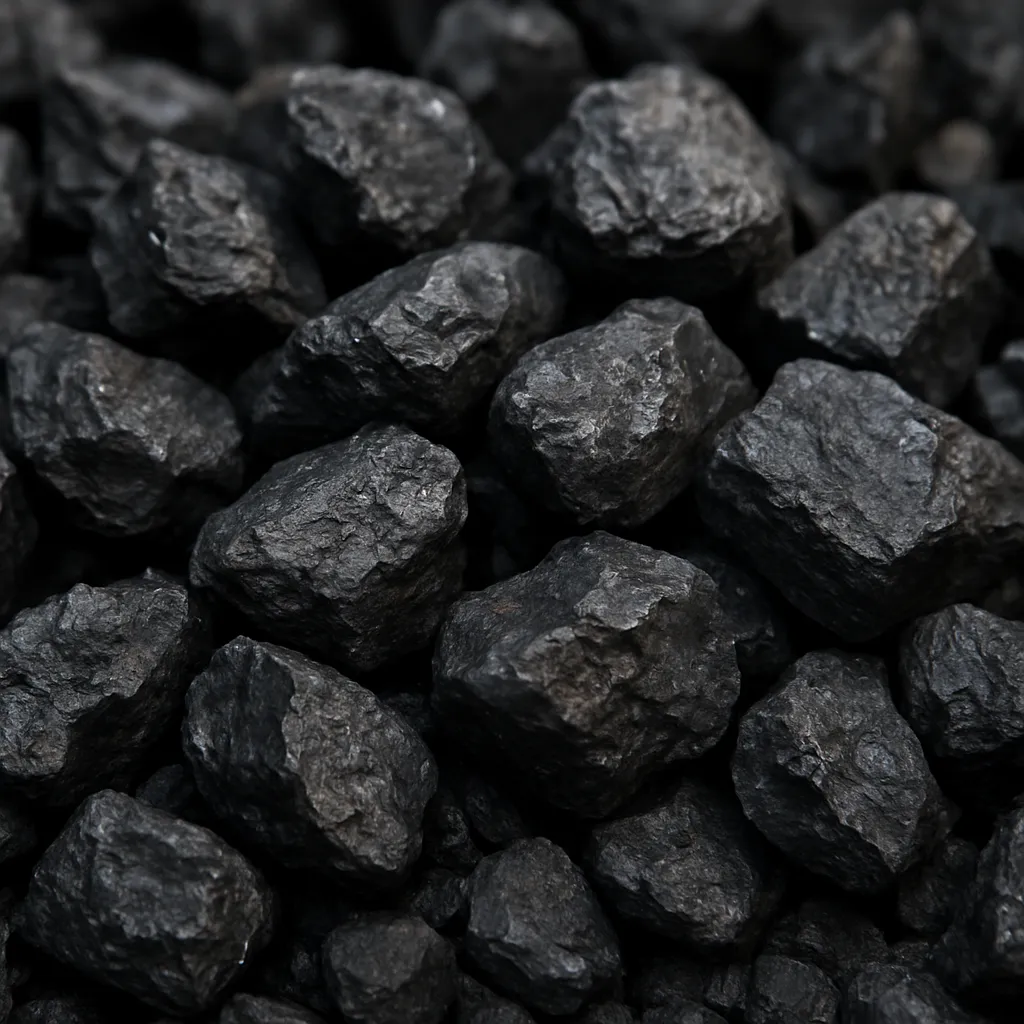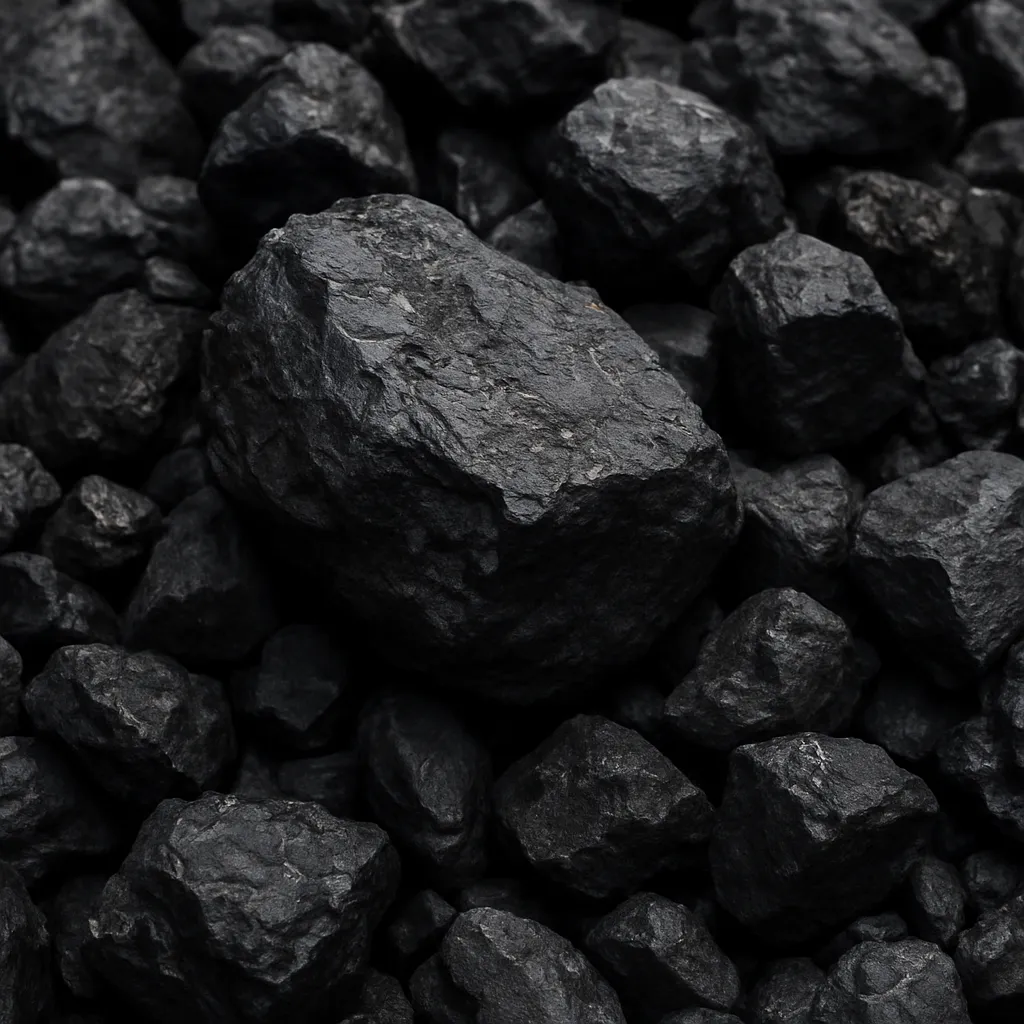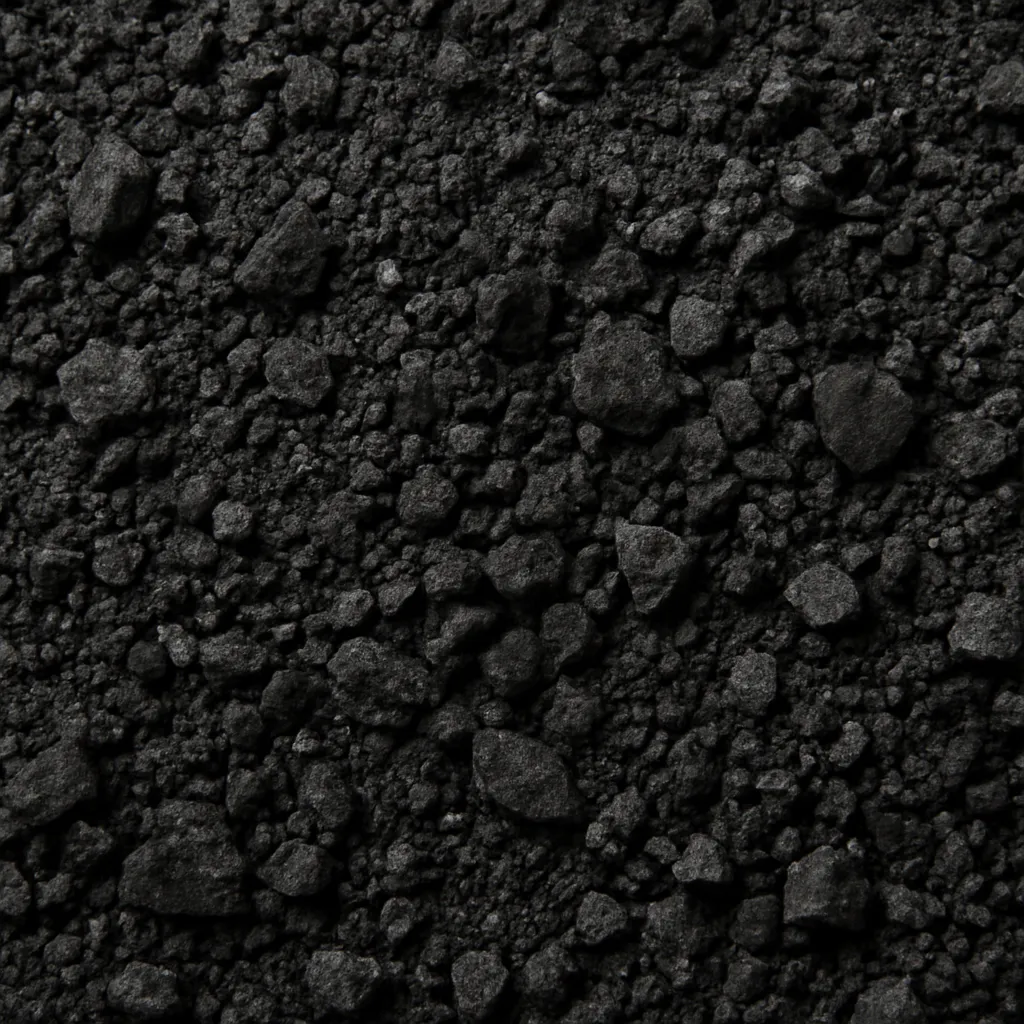
This article examines the phenomenon commonly called coal middlings — the intermediate-sized, intermediate-quality fractions produced during coal mining and preparation. Coal middlings occupy a complex place between high-grade clean coal and low-value waste: they are a byproduct of beneficiation that can be either a disposal problem or a recoverable resource depending on processing, market conditions and regulation. Below are geological, technical, economic, environmental and future-oriented perspectives on coal middlings, together with representative statistics and practical examples that illustrate their global relevance.
Occurrence and major mining regions
Coal middlings are not a separate geological rock type; they arise from the mining and handling of virtually all coal seam types. They are common where seams are variable in quality, where mechanized mining produces a wide particle-size distribution, and where coal preparation plants (washeries) separate material into clean coal, middlings and tailings. Broadly, middlings occur in:
- Bituminous coal basins where washing separates higher-quality thermal or coking coal from associated rock and smaller coal fragments.
- Sub-bituminous and lignite operations where fine fragmentation and moisture lead to large volumes of coal fines and middlings.
- Regions with intensive handling, crushing and screening (export terminals, long-distance transport hubs), which generate secondary middlings through attrition.
Major coal-producing countries that generate significant volumes of middlings include China, India, the United States, Australia, Indonesia, Russia and South Africa. Global primary coal production has been roughly on the order of 7.5–8.5 billion tonnes per year in recent years (2020–2023), of which approximately half is produced by China. The share produced by other leading countries is typically: India ~9–11%, United States ~7–9%, Australia ~6–8%, Russia and Indonesia each ~5–7%, and South Africa ~3–4%. Because middlings are a function of total production and local processing practices, areas with dense coal operations and coal washing infrastructure produce the largest absolute volumes of middlings.
What are coal middlings? Composition and properties
Coal middlings (often called washery middlings, middling coal, fines or slurry depending on context) are the fractions that are neither recovered as clean saleable coal nor discarded as coarse waste and tailings. They typically have intermediate characteristics:
- Particle size: from a few millimeters down to microns (powdery fines and slurries).
- Moisture: significantly higher than clean coal due to trapped water in slurries and fine pores; moisture can range from 10% to >40% by weight for fine slurries prior to dewatering.
- Ash content: higher than cleaned coal because middlings include contaminant mineral matter; ash values often range from 10% to 40% (or more) depending on feed geology and separation efficiency.
- Calorific value: typically intermediate — often in the range of ~12–28 MJ/kg (approx. 3,000–7,000 kcal/kg) depending on moisture and ash; coking-middlings will have different ranges.
- Sulfur and trace elements: variable; middlings can concentrate sulfur, mercury, arsenic and other minor elements, making environmental management important.
Quality variation is wide: middlings from high-quality coking coal operations may still be usable in metallurgy after blending and additional processing, while middlings from lignite operations may be suitable only for combustion after drying or for conversion into briquettes or pellets.
How middlings are produced: mining and processing practices
Middlings are generated at several stages of coal production and handling:
- Primary mining: mechanized longwall and bord-and-pillar operations produce broken coal with variable sizes and rock inclusion.
- Crushing, screening and conveying: attrition and secondary breakage at crushers and during transport generate fine fractions.
- Coal preparation plants: physical separation methods — jigs, dense medium cyclones, spiral concentrators, flotation cells and hydrocyclones — segregate coal into cleaned product, middlings and tailings. Middlings typically represent the intermediate fraction rejected from the saleable product stream.
- Storage and handling: fines accumulate in washery ponds, slurry tanks and hopper systems where water retains fine particles, creating slurry middlings that require dewatering.
Quantitatively, the proportion of middlings produced by a washery depends on feed composition and separation technique. Typical ranges reported by industry practitioners are that middlings and fines can represent 5–30% (and sometimes more) of the feed mass in coal preparation plants. In older or less optimized plants this fraction can be at the higher end; modern plants aim to minimize this through improved controls and staged processing. The exact proportion varies by country, seam geology and the commercial cut-point defining what is saleable coal.
Uses and industrial significance
Coal middlings have historically been regarded as lower-value materials, but over decades they have been integrated into a variety of commercial and industrial pathways that recover value or mitigate environmental cost. Key uses include:
- Blend into power station feed: Middlings are often blended with higher-grade thermal coal at power plants to maintain plant input calorific value while lowering fuel cost. This is one of the most common uses, especially in regions with large coal-fired fleets.
- Briquetting and pelletizing: Fine middlings can be compacted into briquettes or pellets through binders and pressure, creating a stable and transportable fuel with reduced dust and improved calorific density. Briquettes are used residentially and industrially and can achieve calorific values comparable to low-grade lump coal.
- Coking and metallurgical uses: In coking coal operations, middlings can be further cleaned or blended to produce coke blends; middlings from premium seams may be precursors to metallurgical products after upgrading.
- Gasification, pyrolysis and chemical conversion: Middlings are suitable feedstocks for coal-to-liquids, coal gasification and other thermochemical processes that produce syngas, hydrogen, chemicals and hydrocarbons.
- Activated carbon and carbon products: Middlings with appropriate fixed-carbon content can be processed into activated carbon, carbon black or specialty carbon materials for industrial applications.
- Construction materials and fillers: In some contexts middlings are used in cement kilns, brick-making, or as fillers in construction composites after appropriate treatment to stabilize contaminants and moisture.
These end-uses have clear economic implications: by converting middlings into marketable products, miners and processors can increase resource recovery, lower waste disposal costs, and create revenue streams. The choice of route depends on local energy prices, regulatory constraints, capital availability for upgrading equipment, and proximity to markets.
Economic and statistical overview
The economics of middlings management are driven by three interrelated factors: (1) the value differential between clean coal and middlings, (2) processing and transport costs, and (3) regulatory/environmental liabilities associated with disposal. Below are representative financial and market considerations:
- Price differentials: Middlings typically sell at a discount compared to washed, grade-specified coal. The discount varies widely — often between 20% and 60% of the price of clean coal — depending on calorific value, ash, moisture and local demand for lower-grade fuels.
- Processing costs: Additional beneficiation (flotation, re-washing), drying, briquetting or pelletizing increases operating expenditure (OPEX) and capital expenditure (CAPEX). Simple dewatering can cost tens of dollars per tonne-equivalent in intensive cases; full thermal drying, briquetting lines or gasification plants require major investment.
- Waste disposal and liability: Tailings and slurry storage require land, liner systems, water treatment and monitoring; these costs reduce the economic attractiveness of disposal and incentivize value recovery.
From a macro-perspective, because coal middlings are a derivative of the global coal flow, their potential market is indirectly linked to global coal trends. Global thermal coal benchmark prices have been volatile (for example, the seaborne thermal coal price index has swung widely during 2019–2023 due to supply disruptions and demand shifts). When coal prices are high, investment to upgrade middlings is more attractive; when coal prices slump, middlings are often stockpiled or sold cheaply for local consumption. Exact market sizes for middlings are not universally published, but if middlings comprise ~5–20% of global coal production by mass, that could imply an annual global middlings volume on the order of hundreds of millions of tonnes — a material resource if economically recovered.
Environmental, safety and regulatory concerns
Middlings present both environmental risks and regulatory responsibilities when not properly managed:
- Tailings and slurry impoundments: Historically, many countries stored fines and middlings in slurry ponds or tailings dams. Failures of these facilities can cause catastrophic releases of contaminated slurry, with severe ecological and human impacts.
- Acid mine drainage and leachates: Fine fractions may expose more reactive minerals to oxidation and water, increasing the risk of acid generation and mobilization of metals. Treatment of leachates increases operational costs.
- Spontaneous combustion: Fine coal in stockpiles and middlings can be prone to oxidation and self-heating, increasing fire risk. Health and safety management must address dust explosion potential and worker exposure to particulates.
- Air quality and greenhouse gases: Handling fines creates dust and particulate emissions; combustion of middlings contributes to CO2 and other emissions like SOx and NOx, depending on sulfur content.
- Regulatory trends: Environmental regulations increasingly restrict unlined impoundments, mandate closure plans, and require reuse or stabilization of waste streams. These trends push operators toward beneficial reuse or tighter containment.
Because of these issues, best-practice management integrates dewatering, stabilization, controlled storage, and where feasible, conversion into higher-value products. Environmental liabilities can make reuse economically preferable to long-term storage.
Technologies and innovations for middlings valorization
A range of technologies helps miners and processors recover value from middlings or to mitigate environmental impacts:
- Flotation improvements: Advanced reagents, microbubble flotation and column cells can increase recovery of fine coal from middlings.
- Dewatering technologies: Filter presses, centrifuges, belt presses and thermal dryers reduce moisture, making middlings transportable and suitable for combustion or briquetting.
- Briquetting and agglomeration: Cold or hot briquetting combined with suitable binders converts fines into strong, low-dust fuel logs or industrial pellets.
- Hydrothermal carbonization and torrefaction: Thermal upgrading processes increase energy density and hydrophobicity, improving combustion performance and reducing handling issues.
- Gasification and chemical conversion: Middlings can be fed to integrated gasification units to produce syngas for power, hydrogen or chemicals — potentially coupled with carbon capture to lower life-cycle CO2.
- Material valorization: Processes to convert carbonaceous fractions into activated carbon, electrodes or specialty carbon materials are gaining traction where local markets exist.
Innovation is also occurring in sensor-based sorting, machine learning-assisted process control and compact modular systems that allow smaller operations to economically treat middlings without large-scale central plants.
Case examples and practical experiences
Several regional and company-level examples illustrate middlings management approaches:
- In parts of China and India, large volumes of middlings historically accumulated in washery ponds; recent investments emphasize briquetting and thermal drying to convert fines into saleable domestic fuel, reducing water-related disposal.
- Australian export terminals and coal preparation circuits increasingly focus on minimizing fines generation and improving stockpile management to protect export quality — middlings are sometimes pelletized for local energy markets.
- In the United States, Appalachian operations with high fines content have used thermal dryers and briquetting for local industrial fuels, or sold fines as coal-water slurries for specific industrial boilers.
- South African metallurgical coal producers recycle middlings into coke blends or upgrade them with flotation circuits because metallurgical value makes recovery economically attractive.
These examples demonstrate that regional market structure (power vs. metallurgy), transport economics and environmental regulation determine which valorization pathways are viable.
Future outlook and strategic considerations
The role of coal middlings in the future energy and industrial landscape will be shaped by several countervailing forces:
- Decarbonization pressure: Coal demand is declining in many OECD and EU countries for power generation, which may reduce demand for middlings in those markets. However, developing economies with growing energy needs may continue to use lower-grade fuels for longer.
- Metallurgical demand: Steelmaking requires metallurgical coal; if supplies tighten, middlings from high-grade seams could be upgraded and blended into metallurgical feeds, preserving demand.
- Technological substitution: Growth in gas, renewables and alternative low-carbon processes for heat and chemicals could shrink markets for middlings; conversely, integration into gasification or chemical routes may create new value propositions.
- Circular economy and resource efficiency: Stronger regulation and corporate sustainability goals encourage recovery and reuse of middlings, turning a waste problem into a resource management opportunity.
Strategically, operators should evaluate middlings based on: calorific and ash profiles, proximity to potential users (power plants, cement kilns, briquetting plants), water management constraints, and capital access for upgrading technology. Where feasible, modular and flexible processing that can adapt to shifting market demands provides resilience.
Key technical and policy recommendations
For mining companies, regulators and local communities dealing with coal middlings, several practical recommendations emerge:
- Invest in modern washery design and process control to reduce middlings production and maximize product recovery.
- Prioritize dewatering and solidification methods to reduce environmental risk and create more stable feedstock for downstream processes.
- Assess local markets for briquettes, pellets or co-fired combustion to identify economically viable reuse pathways before permanent disposal.
- Implement dust control, spontaneous combustion monitoring and liner systems for any temporary storage to protect air quality and groundwater.
- Encourage public-private partnerships for technologies (e.g., gasification or activated carbon production) where public funding can help bridge the economic gap for capital-intensive projects.
These measures improve safety, reduce liabilities and can turn middlings from a disposal burden into an economic asset.
Final observations
Coal middlings exemplify the tension between resource efficiency and environmental stewardship in extractive industries. When untreated and simply stockpiled, middlings create contamination, safety and social risks; when proactively managed and upgraded, they can contribute to fuel supply, industrial feedstocks and local employment. The global volume of middlings — driven by multi-billion-tonne annual coal production — makes their management both an economic opportunity and an environmental imperative. Advances in beneficiation, drying, agglomeration and chemical conversion are expanding options for turning middlings into valuable products, while regulatory pressure and decarbonization agendas are reshaping their demand. In short, middlings are not simply waste; they are a byproduct whose fate will reflect broader choices about energy, materials and sustainability.