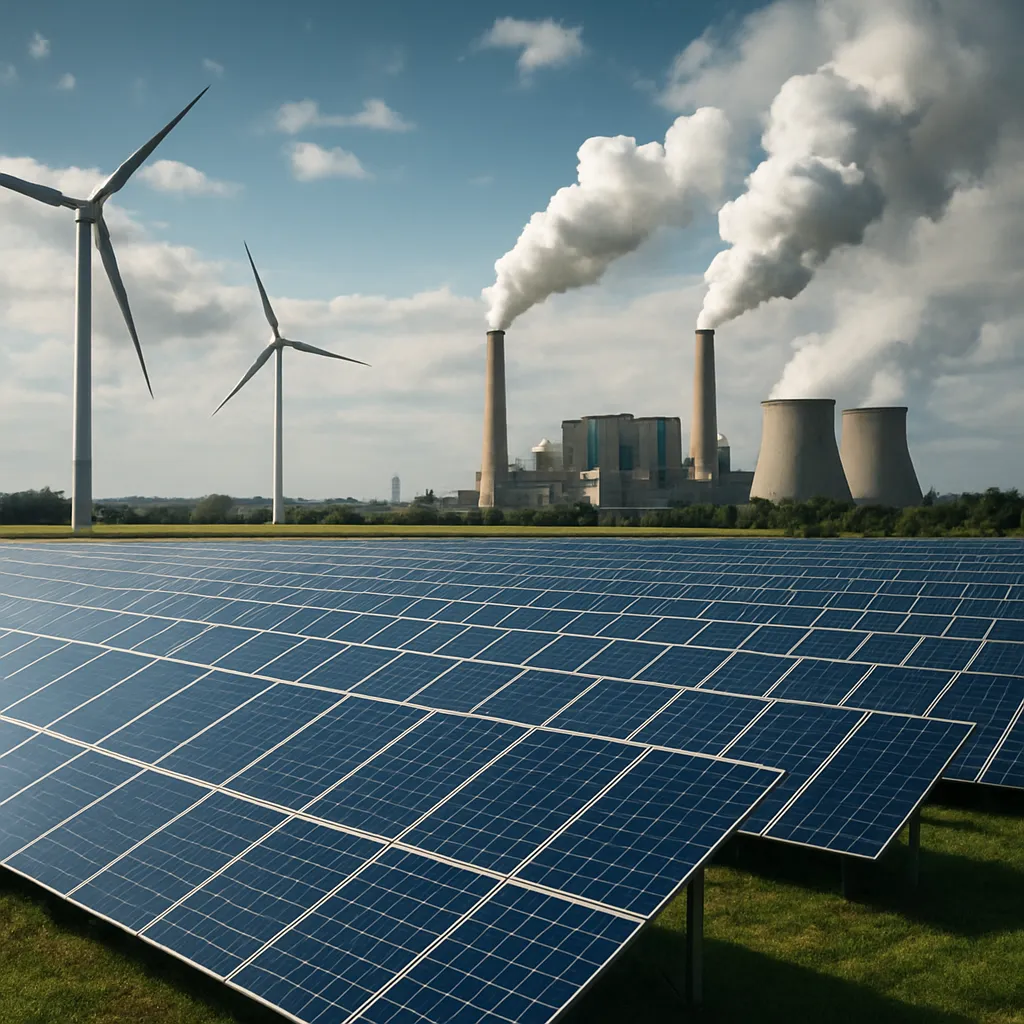
As global energy landscapes shift, the notion of a Post-Coal Economy has emerged at the forefront of policy debates and market analyses. Once the backbone of industrial growth, coal still underpins electricity grids in many regions even as nations eye a future beyond fossil fuels. This transformation involves navigating complex interactions between resource management, financial markets, environmental stewardship, and technological progress. Examining the legacy of coal, the dynamics of coal stock investments, and the pathways to a decarbonized world reveals both challenges and opportunities for industry stakeholders and society at large.
The Legacy of Coal Power
Since the dawn of the Industrial Revolution, coal has served as a primary energy driver, fueling factories, railways, and power plants. Its abundance, relative affordability, and high energy density made it the fuel of choice for decades. However, the extraction and combustion of coal leave a profound environmental footprint. Burning coal releases large quantities of carbon dioxide and other pollutants, contributing to climate change and air quality issues. Today, coal-fired plants account for a significant share of global greenhouse gas emissions.
Key aspects of coal’s historical role include:
- Industrialization and urban growth: Coal catalyzed the mechanization of manufacturing and the expansion of cities.
- Energy security: Nations with substantial coal reserves gained strategic advantages, reducing dependence on oil imports.
- Infrastructure development: Railroads and ports were built around coal mining hubs, reshaping regional economies.
- Environmental impact: Mining operations alter landscapes, while emissions affect health and ecosystems.
Despite mounting concerns over pollutants such as sulfur dioxide and particulate matter, many power producers have implemented technologies like electrostatic precipitators and flue-gas desulfurization to curb harmful emissions. Yet the core issue of high emissions remains, driving calls for cleaner alternatives.
Coal Stock Markets and Investment Dynamics
For investors, coal companies once symbolized stable returns and steady dividend yields. However, market sentiment has begun to shift as regulatory pressures increase and renewable technologies gain traction. Coal stocks can exhibit substantial volatility, influenced by factors such as:
- Global demand fluctuations: Industrial growth in emerging economies versus declines in mature markets.
- Regulatory frameworks: Stricter emissions standards, carbon pricing schemes, and mine reclamation requirements.
- Commodity price swings: Changes in coal spot prices driven by rail capacity, weather conditions, and geopolitical tensions.
- Investor activism: Funds divesting from high-carbon assets to meet environmental, social, and governance (ESG) criteria.
Some major coal producers have diversified portfolios, branching into natural gas, renewables, or integrated mining and power generation. For shareholders, the key questions revolve around risk management and long-term viability. Analysts track metrics such as market capitalization, earnings before interest and taxes (EBIT), and debt-to-equity ratios. Equally important is the ability of companies to adapt to a tightening regulatory environment and pivot toward less carbon-intensive operations.
Transition to a Post-Coal Economy
Moving beyond coal requires addressing both supply-side and demand-side factors. On the supply side, companies may face the prospect of stranded assets—mines and power plants rendered uneconomic by policies or market forces. Governments and industry players must collaborate on strategies for workforce retraining, site reclamation, and financial compensation. Demand-side measures include accelerating the deployment of renewable energy sources such as wind, solar, and hydroelectric power.
Policy instruments driving this transition include:
- Carbon pricing: Emissions trading systems and carbon taxes incentivize lower-carbon alternatives.
- Subsidy reallocation: Redirecting public funds from fossil fuels toward clean energy research and infrastructure.
- Performance standards: Mandating emissions limits for power generation and industrial processes.
- Green finance: Mobilizing private capital through green bonds, sustainability-linked loans, and ESG investment mandates.
Economic modelling suggests that an orderly shift away from coal can mitigate the social costs of unemployment and environmental damage. However, abrupt policy changes risk supply shortages or energy price spikes, underscoring the need for careful transition planning.
Technological Innovations and Future Prospects
Advances in energy technology hold promise for reducing the global coal footprint. Key innovations include:
- Carbon capture and storage (CCS): Capturing CO₂ emissions from coal plants for underground sequestration can significantly cut greenhouse gases.
- Coal gasification: Converting coal into synthetic gas provides cleaner-burning fuel for combined-cycle plants.
- Hydrogen production: Coal-to-hydrogen processes with integrated CCS could supply low-carbon hydrogen for industrial and transportation uses.
- Digitalization: Smart sensors and data analytics optimize mine safety, reduce waste, and improve efficiency across the coal supply chain.
Emerging research into biomass co-firing and advanced combustion techniques also offers pathways to decarbonize existing infrastructure. Nonetheless, these solutions often entail high capital costs and require robust policy support to scale effectively.
In the financial realm, innovation in investment structures—such as transition bonds and carbon credit derivatives—may bridge the funding gap for cleaner coal applications or rehabilitation projects. Collaboration across public and private sectors will determine how swiftly and sustainably coal can integrate into a low-carbon future.