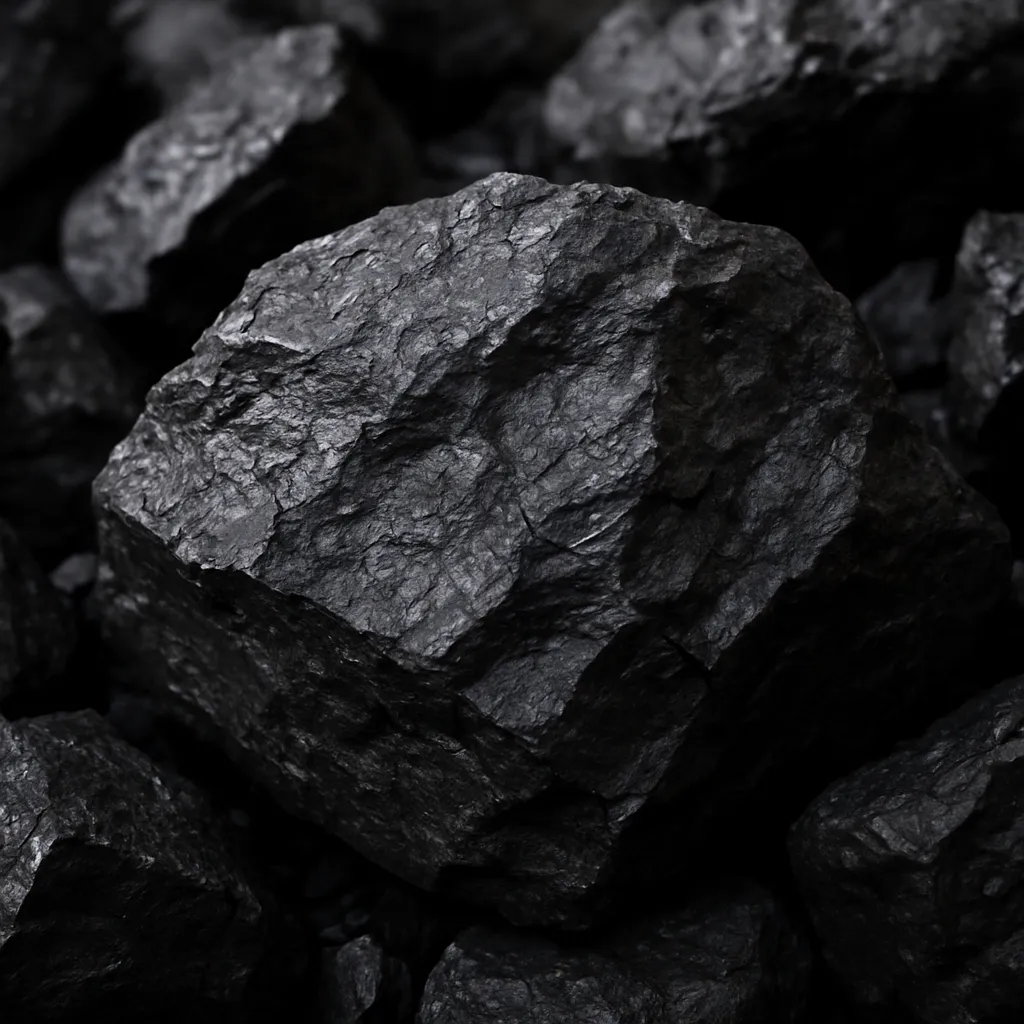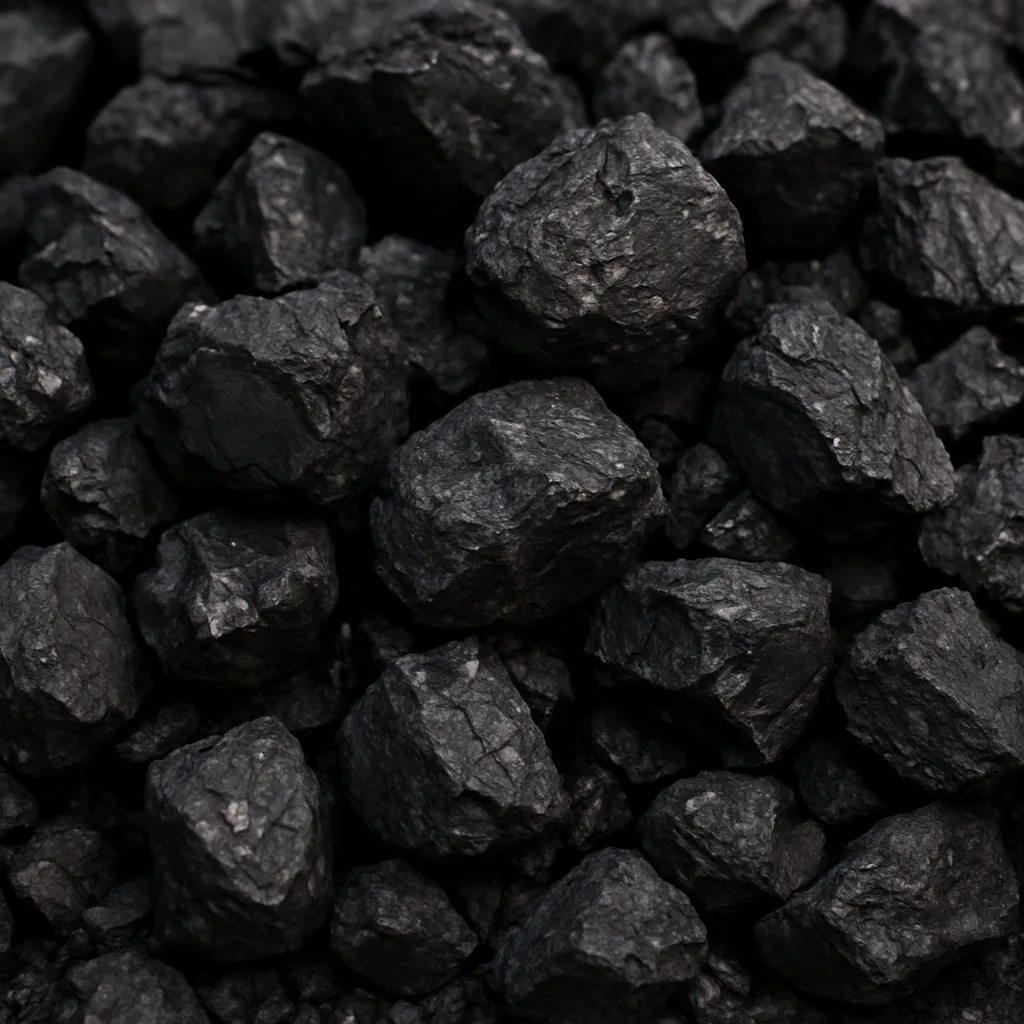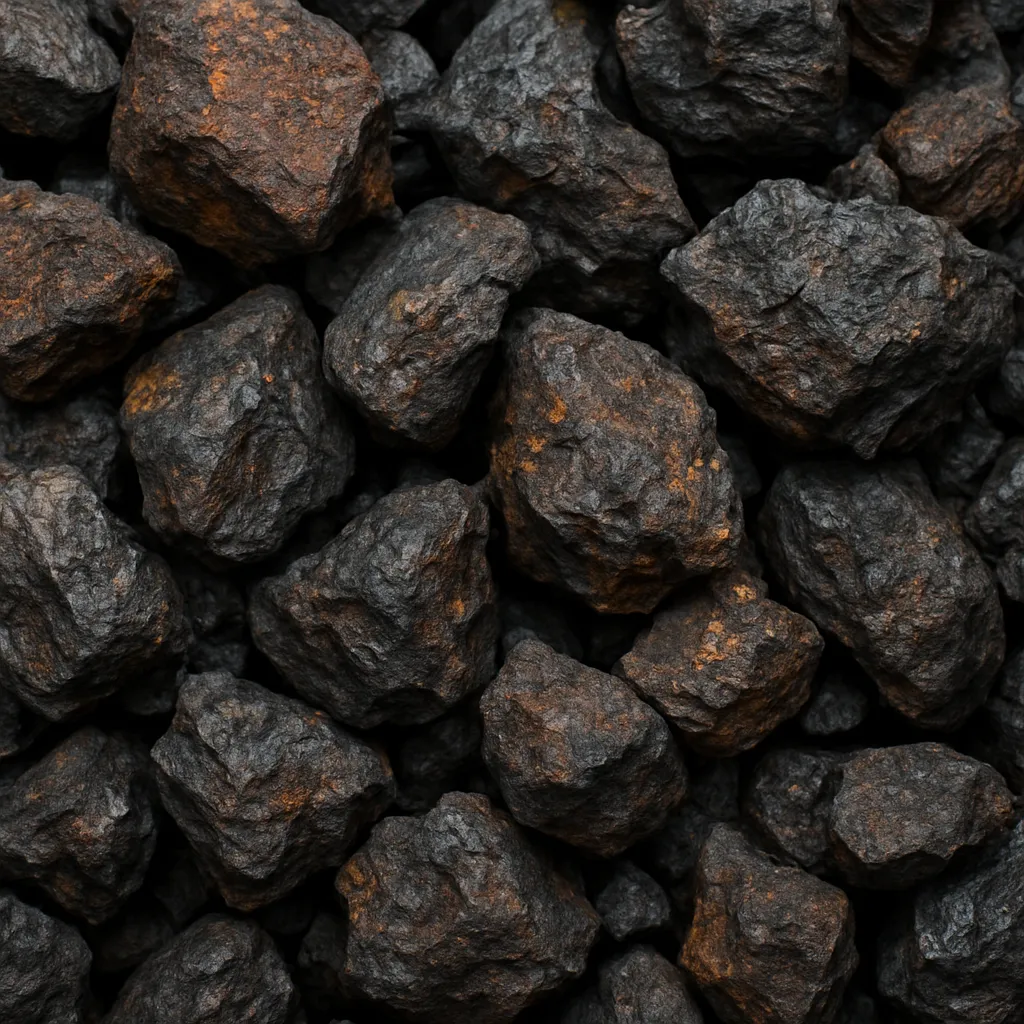
This article examines the phenomenon of oxidized coal: what it is, where it forms and occurs, how it is mined and handled, and what its economic, industrial and environmental implications are. The text covers geological and mining contexts, chemical and physical changes caused by oxidation, consequences for energy and metallurgical uses, statistics and case examples where available, and methods of detection, prevention and utilization. Throughout the article, attention is paid to the practical significance of oxidation processes for safety, marketability and resource management.
Occurrence, geological context and mining of oxidized coal
Coal is a sedimentary rock formed from accumulated organic material. In natural settings, coal deposits range from deep underground seams to near-surface lenses and placer deposits. Oxidized coal is not a separate coal type but a state developed when coal has been exposed to oxygen—either at or near the surface, in opencast mines, in mine waste piles, in poorly ventilated underground workings, or during long-term stockpiling and transport. Oxidation can be a natural, weathering-driven process or an anthropogenic consequence of mining, handling and storage.
Geographically, oxidation affects coal in all major coal-producing regions whenever conditions favor oxygen access and microbial activity. Major coal producers worldwide include China, India, the United States, Australia, Russia, Indonesia, South Africa and Colombia. Global coal production in recent years has generally been on the order of approximately 7–8 billion tonnes per year, with China alone accounting for roughly half of that output. Because a substantial portion of produced coal is extracted by surface mining and because stockpiles and spoil heaps are common, the risk of oxidation is widespread in these producing regions.
Oxidation is most pronounced in:
- near-surface lignite and sub-bituminous deposits that have been exposed to atmospheric weathering;
- coal extracted by open-cast or strip mining, where spoil and exposed seams contact air and water;
- coal waste, overburden heaps and tailings where fine particles increase reactive surface area;
- abandoned mine workings and coalfields prone to long-term spontaneous combustion.
Examples of large-scale oxidation-related problems include long-burning underground fires in the Jharia coalfield (India) and numerous district-level spoil-heap fires in parts of China, Indonesia and Eastern Europe. Many of these are associated with oxidized and self-heating coal left in exposed heaps or in shallow seams.
Chemical and physical changes during coal oxidation
Coal oxidation is a progressive, often exothermic, set of chemical reactions between coal organic matter and oxygen (and, in many cases, water and microorganisms). The process alters both the chemical composition and the physical properties of the coal. Key chemical changes include:
- increase in oxygen-containing functional groups such as carboxyl, carbonyl and hydroxyl groups;
- partial breakdown of condensed aromatic structures leading to lower aromaticity in some cases;
- possible release or redistribution of inorganic constituents and trace elements (e.g., iron, sulfur species, arsenic, mercury) due to oxidation-driven mobility;
- production of low-molecular-weight oxygenates, carbon monoxide and carbon dioxide during active oxidation or self-heating;
- microbial oxidation in moist conditions that can accelerate decomposition of labile organic matter and alter pore-water chemistry.
Physically, oxidized coal tends to have:
- increased moisture adsorption capacity due to new polar functional groups and an altered pore structure;
- reduced calorific value (lower heating value) relative to the unoxidized parent material because oxidation converts combustible organic carbon into CO2, CO and water;
- reduced coking properties for metallurgical coals: oxidation degrades plasticity and volatile release patterns crucial for coke formation;
- increased friability and generation of fine particles, which in turn accelerates further oxidation by increasing surface area.
The rates and pathways of oxidation depend on coal rank (lignite and sub-bituminous coals oxidize more readily), particle size, moisture content, presence of catalytic minerals (e.g., pyrite), temperature and the availability of oxygen. Oxidation can start at ambient conditions for finely divided coal; significant self-heating and elevated reaction rates commonly emerge when local temperatures reach the range of approximately 40–80°C, depending on coal properties and environmental forcings.
Economic and industrial implications
Oxidation of coal has multiple direct and indirect economic consequences across the production chain—from mining to final use. The most important areas of impact include:
Marketability and fuel quality
Oxidative deterioration lowers calorific value and increases moisture uptake, both of which diminish the thermal efficiency of coal-fired power plants. Buyers typically apply discounts to oxidized coal or reject material that fails to meet contractual specifications for heating value, moisture, volatile matter and coking performance. For metallurgical applications, even moderate oxidation can render coking coals unsuitable for producing blast-furnace-grade coke, directly affecting steelmaking economics.
Operational costs and safety
Spontaneous heating and combustion of oxidized coal in stockpiles, waste heaps and underground seams create serious safety and operational challenges. Mines and power stations spend significant sums on monitoring, inertisation (nitrogen blanketing), water spraying, compaction and covering of stockpiles to avoid losses. Excavation, remediation and firefighting of burning spoil heaps or seams are costly: in some regions remediation can run into millions of dollars per event, with long-term losses related to unusable land and infrastructure damage.
Emission and regulatory impacts
Oxidation can increase emissions of greenhouse gases and air pollutants from coal handling: pre-combustion oxidation generates CO2 and CO, and smoldering fires produce particulate matter, polycyclic aromatic hydrocarbons (PAHs) and other toxic pollutants. Regulators and communities often impose constraints on storage practices and require environmental controls that increase compliance costs.
Resource loss and asset impairment
Waste-heap and seam fires can destroy significant volumes of economic coal and render land unusable for decades. Quantifying global economic losses attributable strictly to oxidation and related fires is difficult due to variable reporting; however, at local and regional scales losses from long-burning fires have displaced communities, destroyed infrastructure and necessitated large-scale reclamation projects. In major producing countries, persistent oxidation problems influence future mine planning and closure strategies.
Statistical perspectives and scale
Precise statistics specifically on the fraction of globally produced coal that becomes substantially oxidized before final consumption are sparse, because oxidation is often a transient process and many operators mitigate it. Still, some general numerical perspectives help frame the issue:
- Global coal production is on the order of approximately 7–8 billion tonnes per year; about half of that comes from China, with other large contributors including India, the United States, Australia, Russia and Indonesia.
- A substantial share of production—especially in lignite and sub-bituminous categories—is destined for local power generation and is often mined by surface methods, increasing exposure to oxidation risks in storage and handling.
- Estimates of the area and volume affected by long-term coal fires vary widely. Some well-documented coalfields (e.g., in India, China, Indonesia, the United States and parts of Eastern Europe) each contain tens to thousands of hectares impacted by mine fires, with local coal losses often measured in millions of tonnes accumulated over decades in the worst-affected fields.
- Losses from spoil-heap fires and oxidized stockpiles can be significant at individual sites, and remediation costs can reach millions to tens of millions of dollars depending on the scale, but aggregated global economic loss figures specifically attributable to oxidation are not standardized in public data sets.
Given these realities, oxidation represents a non-trivial element of the coal supply chain: it affects quality, imposes operational costs and creates environmental liabilities. Many major producers therefore invest in mitigation and monitoring.
Environmental, health and safety consequences
The spontaneous heating and combustion that often accompany oxidation pose acute and chronic environmental, health and safety risks. Key issues include:
- Air pollution: smoldering coal emits particulate matter, CO, NOx, SO2 (from oxidized sulfur species), volatile organic compounds and PAHs—compounds with direct human-health impacts.
- Greenhouse gas emissions: pre-combustion oxidation produces CO2 and CO; uncontrolled fires emit large cumulative amounts of CO2 over long durations, contributing to regional greenhouse inventories.
- Soil and water contamination: oxidative weathering mobilizes metals and acid-producing sulfides (e.g., pyrite oxidation leads to acid mine drainage) that can pollute surface and groundwater.
- Land-use loss: areas affected by long-term fires often become geotechnically unstable and remain unsuitable for agriculture, habitation or redevelopment without expensive remediation.
- Occupational safety: workers near hot spots face risks of fires, explosions where gas accumulates, and exposure to toxic smoke.
Public health implications are especially acute in regions where coal fires occur near population centers. For example, underground fires that have persisted for decades in certain fields have forced relocations, increased respiratory illness and degraded agricultural productivity. The cumulative environmental footprint of oxidized coal—through air, water and land impacts—thus extends well beyond immediate economic loss.
Detection, prevention and remediation strategies
Managing oxidized coal is an engineering and environmental challenge. Industry and regulators use a combination of detection, prevention and remediation measures suited to the scale and context of the problem.
Detection and monitoring
- Temperature monitoring: distributed thermocouples and thermal probes detect self-heating in heaps and seams.
- Gas monitoring: elevated CO, CO2 and methane concentrations often indicate active oxidation or smoldering; gas composition and isotopic analysis help distinguish biological from thermal oxidation.
- Remote sensing and thermal imaging: infrared aerial surveys (including drones and satellites) identify hotspots and map temperature anomalies over large areas.
- Geophysical methods: resistivity and seismic surveys can help map subsurface voids and burning zones in underground coal seams.
Prevention and operational controls
- Minimizing exposed surface area: compacting, landscaping and progressive backfilling reduce oxygen access.
- Capping and sealing: covering stockpiles and heaps with impermeable layers or soil and vegetation reduces oxygen and water infiltration.
- Inertisation: injection of nitrogen or CO2 into storage spaces or mine workings reduces oxygen concentration and reaction rates.
- Moisture control: controlling water content can reduce spontaneous heating in some cases, though excess water can promote microbial oxidation and acid generation if not managed.
- Grading and blending: sorting and blending to remove fines or mix oxidized material with higher-quality coal can maintain product specifications.
Remediation and fire suppression
- Excavation and removal: in some cases burning waste is excavated and quenched; this is expensive and can be hazardous.
- Blanketing and inert covers: impermeable barriers or inert slurries (e.g., flyash-water mixes) can suffocate burn zones.
- Hydraulic quenching and surface flooding: water injection and flooding can extinguish surface smolders but can also exacerbate subsidence and water contamination if not carefully applied.
- Thermal isolation and vitrification: in extreme cases, high-temperature vitrification is used to stabilize contaminated material.
- Long-term rehabilitation: regrading, soil amendment (sometimes using stabilized ash or engineered fills) and revegetation are needed to restore landscapes after remediation.
Utilization and beneficial uses of oxidized coal
Not all oxidation is purely detrimental. Controlled oxidation and chemical treatment of coal can produce valuable products and enable reuse of degraded material. Examples include:
- Production of humic and fulvic acids: oxidized low-rank coals (e.g., lignite) can be chemically treated (often with oxidants such as nitric acid or hydrogen peroxide under controlled conditions) to extract humic substances used in agriculture and soil conditioners. These humic products are valuable for improving soil structure and nutrient retention.
- Activated carbon precursors: partially oxidized coals can have increased surface functionality beneficial for specific activation routes in producing activated carbons and sorbents for water and air purification.
- Fuel blending and briquetting: oxidized fines can be briquetted with binders to produce a stable fuel product with improved handling characteristics and reduced spontaneous heating risks.
- Chemical feedstocks: controlled oxidative upgrading of coal has been explored historically as a route to generate platform chemicals, carboxylic acids and oxygenated intermediates for specialty applications—though economic competitiveness versus petroleum-based routes is a constraint.
These value-added pathways require controlled processing and careful quality management. Where feasible, they can convert an oxidation liability into an economic asset while reducing waste volumes and environmental impacts.
Case examples and policy responses
Several well-documented cases illustrate the stakes and the response spectrum:
- Jharia (India): decades-long underground fires in a major coalfield have consumed substantial reserves, destroyed built infrastructure and compelled large-scale relocation and remediation. The social and economic impacts are profound and ongoing.
- Centralia (Pennsylvania, USA): an underground coal mine fire beginning in the 1960s led to the long-term abandonment of the town and extensive remediation costs, becoming a widely cited cautionary example.
- China and Indonesia: numerous smaller spoil-heap and waste-pile fires associated with rapid surface mining and inadequate waste management have prompted local authorities and companies to adopt stricter monitoring and closure practices.
Policy responses tend to emphasize preventive mine planning, early detection technologies, stricter stockpile management rules and financial provisions for post-closure liability. In many jurisdictions, environmental permitting for new mines requires plans for minimising oxidation-related risks and sets standards for reclamation.
Research needs and future directions
Several areas merit continued research and development:
- better quantification of the global scale of pre-combustion oxidation and its greenhouse-gas contribution;
- improved low-cost monitoring solutions (e.g., sensor networks, satellite-based thermal anomaly tracking) for remote or informal mining areas;
- advances in passive and active mitigation technologies tailored to different coal ranks and climates;
- development of economically viable value-added pathways for oxidized coal, including benign extraction of humic substances and engineered fuels;
- integrated approaches to mine closure that combine prevention, early detection and community-centered rehabilitation.
Stronger and more consistent reporting of losses, fires and remediation costs would also help stakeholders prioritize interventions and measure the effectiveness of improved practices.
Conclusions
Oxidation of coal is a pervasive process with broad implications for resource quality, industrial utility, safety, environmental health and economics. It occurs wherever oxygen and coal meet—on spoil heaps, in stockpiles, in shallow seams and during transport. The chemical transformations that accompany oxidation reduce heating value, degrade metallurgical properties, increase reactivity and can lead to spontaneous combustion. The economic consequences range from discounts on degraded material to expensive remediation and lost reserves, while environmental and health impacts can be severe where fires or leachates affect communities and ecosystems.
Mitigation mixes technical measures (capping, inertisation, monitoring) with operational practices (minimizing exposed surface area, progressive rehabilitation) and, increasingly, attempts to find constructive uses for oxidized coal through chemical extraction and productization. Given the scale of global coal production (on the order of 7–8 billion tonnes annually) and the prevalence of surface mining and stockpiling, oxidation remains a material concern for the coal sector. Investments in detection, prevention and beneficial reuse can reduce losses, protect communities and, in some cases, create new value streams from otherwise degraded material.
For practitioners, policymakers and communities involved with coal resources, addressing oxidation means integrating geology, engineering, environmental science and social planning into coherent management strategies—balancing short-term operational needs with long-term site stewardship and safety.