The legacy of coal mining has shaped countless towns with a unique tapestry of industry, culture, and environmental challenges. Across regions once dominated by dark mines and steam engines, communities are embracing innovative strategies to honor their past while forging a path toward a more diversified and sustainable future. From repurposed colliery buildings to interactive museums, the story of coal towns is evolving, reflecting both the challenges of economic transition and the enduring strength of local bonds.
Historical Roots of Coal Towns and Their Lasting Legacy
During the Industrial Revolution and well into the 20th century, coal became the primary energy source for factories, railroads, and households. Entire settlements sprung up near seams of black rock, transforming remote valleys into bustling hubs of production. The rhythm of everyday life in these towns revolved around the mine shaft:
- Coal extraction dictated work shifts, wages, and even local politics.
- Rows of identical miners’ houses created a sense of shared identity and solidarity.
- Community institutions—churches, schools, social clubs—flourished under the patronage of mine owners.
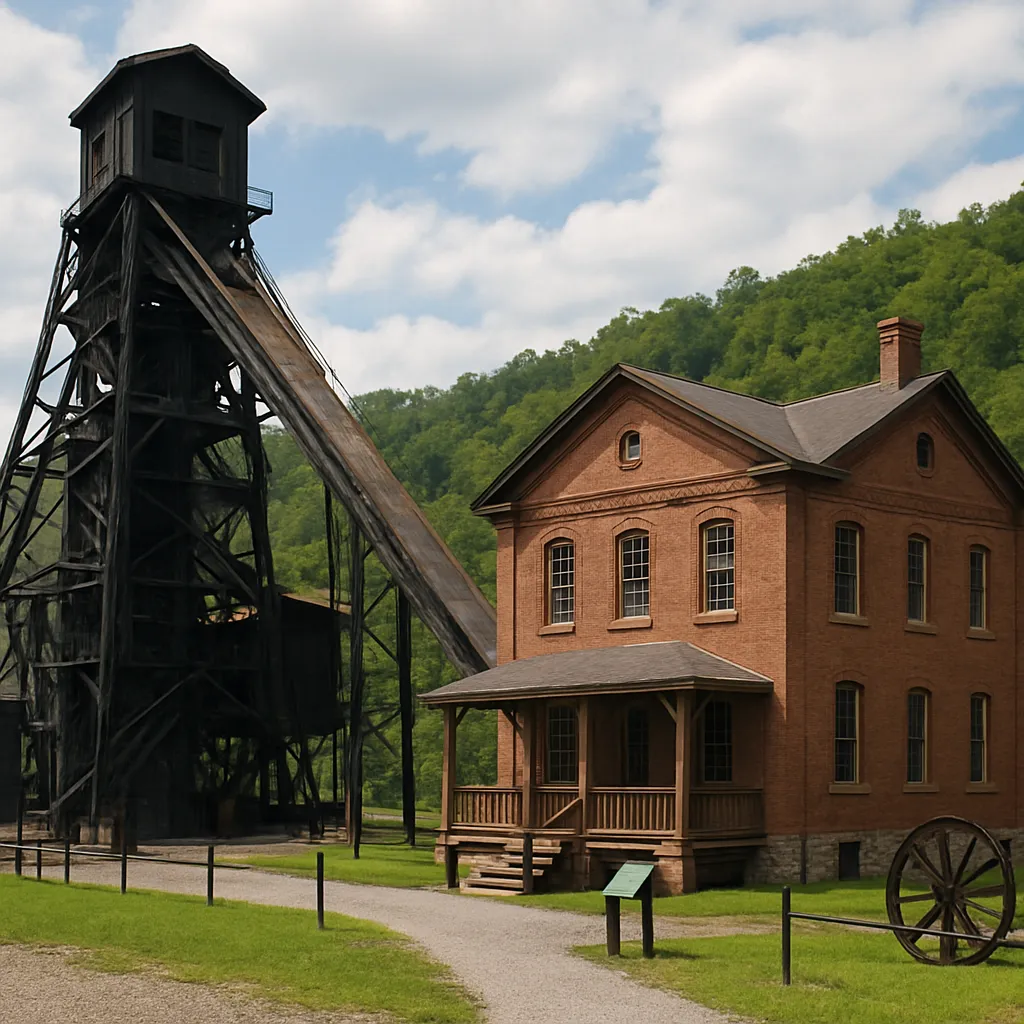
Architectural landmarks, such as the iconic winding towers and engine houses, stood as symbols of progress and power. Yet, dependence on a single industry also fostered vulnerability. When global demand softened or mines became unprofitable, towns faced unemployment, outmigration, and derelict infrastructure.
Modern Approaches to Heritage Preservation and Community Revitalization
Adaptive Reuse of Industrial Structures
One of the most visible signs of renewal is the conversion of former pithead baths and workshops into cultural centers, galleries, and artisan studios. By retaining original brickwork and steel frameworks, designers celebrate the architecture that once powered an entire economy. Examples include:
- Converted engine houses now hosting performance spaces.
- Old railway depots transformed into cafes and coworking hubs.
- Mine water pumping stations repurposed as interactive science exhibits.
Celebrating Oral Histories and Local Traditions
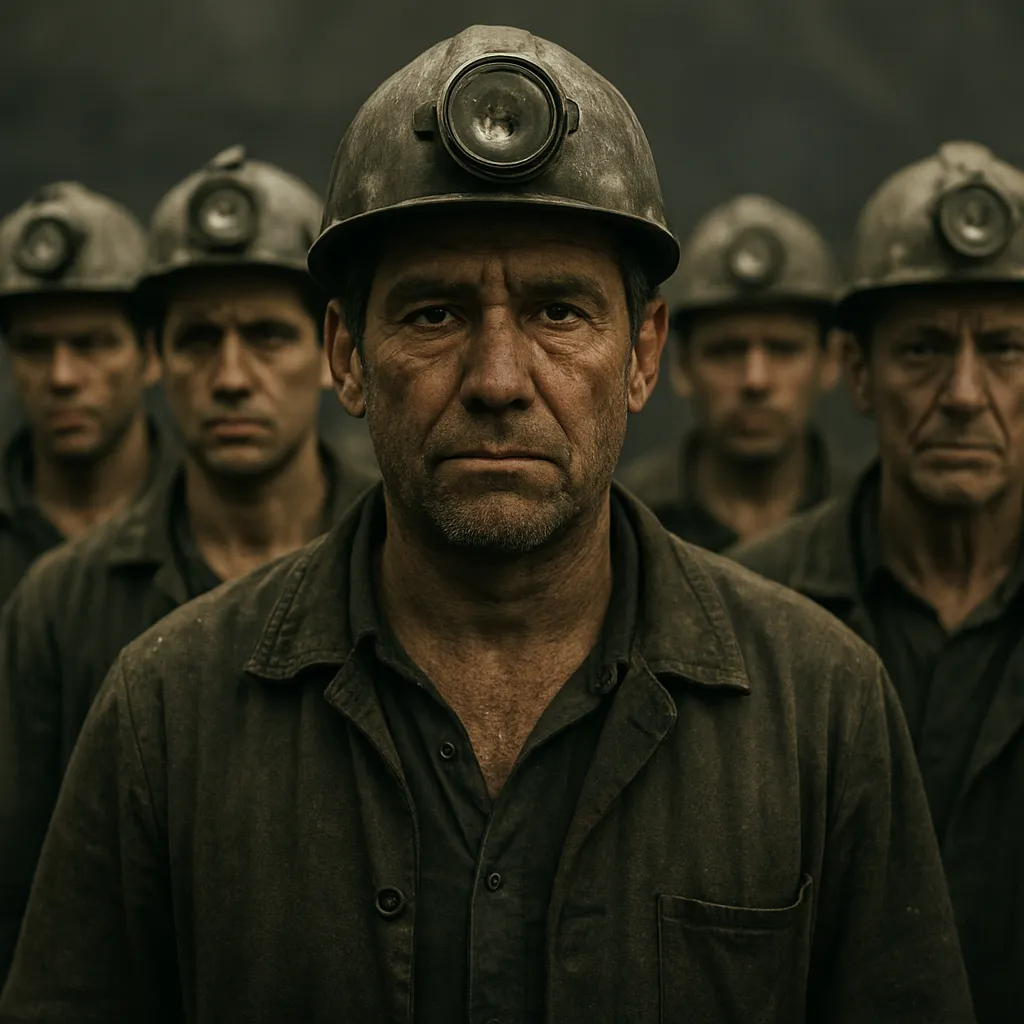
Residents, including retired miners, freely share stories of long underground shifts and acts of solidarity during disasters or strikes. Community workshops train younger generations in:
- Oral history archiving techniques.
- Traditional crafts like coal carving and blacksmithing.
- Digital storytelling and virtual reality tours.
These initiatives strengthen intergenerational ties and ensure that intangible aspects of the past are not lost. By weaving first-hand narratives into guided tours and school curricula, towns preserve a sense of community pride and collective memory.
Economic Transformation: Coal Stock, Investment Trends, and Future Prospects
Coal Stocks in Today’s Financial Landscape
Shares of coal companies, once pillars of major stock indices, have faced headwinds from increasing sustainability regulations and investor concerns over greenhouse gas emissions. Key trends include:
- Divestment campaigns by large pension funds pressuring coal giants.
- Rise of green bonds financing renewable energy projects instead of new coal mines.
- Volatility spikes tied to geopolitical tensions and supply chain disruptions.
Despite these challenges, some regional coal operators remain profitable by focusing on high-grade reserves and integrated operations. Smart investors track shifts in energy policy and carbon pricing to identify potential rebounds or transitions into cleaner technologies.
Diversification and Economic Resilience
Forward-thinking towns are pioneering mixed portfolios that balance heritage tourism with modern industries. Strategies include:
- Attracting tech incubators to repurposed industrial zones.
- Offering tax incentives for renewable energy startups near old mining sites.
- Partnering with universities for research on soil remediation and carbon capture.
These efforts reduce reliance on a single commodity and enhance long-term resilience.
Ecological Restoration and Sustainable Development
Reclaiming the Land and Reviving Ecosystems
Abandoned coal mines often leave behind spoil heaps, contaminated water, and eroded landscapes. Restoration projects tackle these legacies by:
- Regrading spoil tips to natural hill contours.
- Planting native trees and wildflower meadows to support wildlife.
- Installing wetlands and treatment systems to filter mine runoff.
Through careful planning and community involvement, degraded areas can transform into recreational trails, bird sanctuaries, and educational nature parks, showcasing the power of environmental innovation.
Renewable Energy Synergies
Coal towns are uniquely positioned to host large-scale clean energy facilities, thanks to existing grid connections and industrial infrastructure. Recent projects demonstrate how former collieries can serve as bases for:
- Solar farms perched atop reclaimed waste tips.
- Wind turbines lining ridge lines once scarred by open-cast pits.
- Biomass plants converting forestry residues from land restoration.
This synergy between past and future industries accelerates the transition to a low-carbon economy, while generating new job opportunities and revenue streams.
Preserving Cultural Significance Through Education and Tourism
Interactive Museums and Heritage Trails
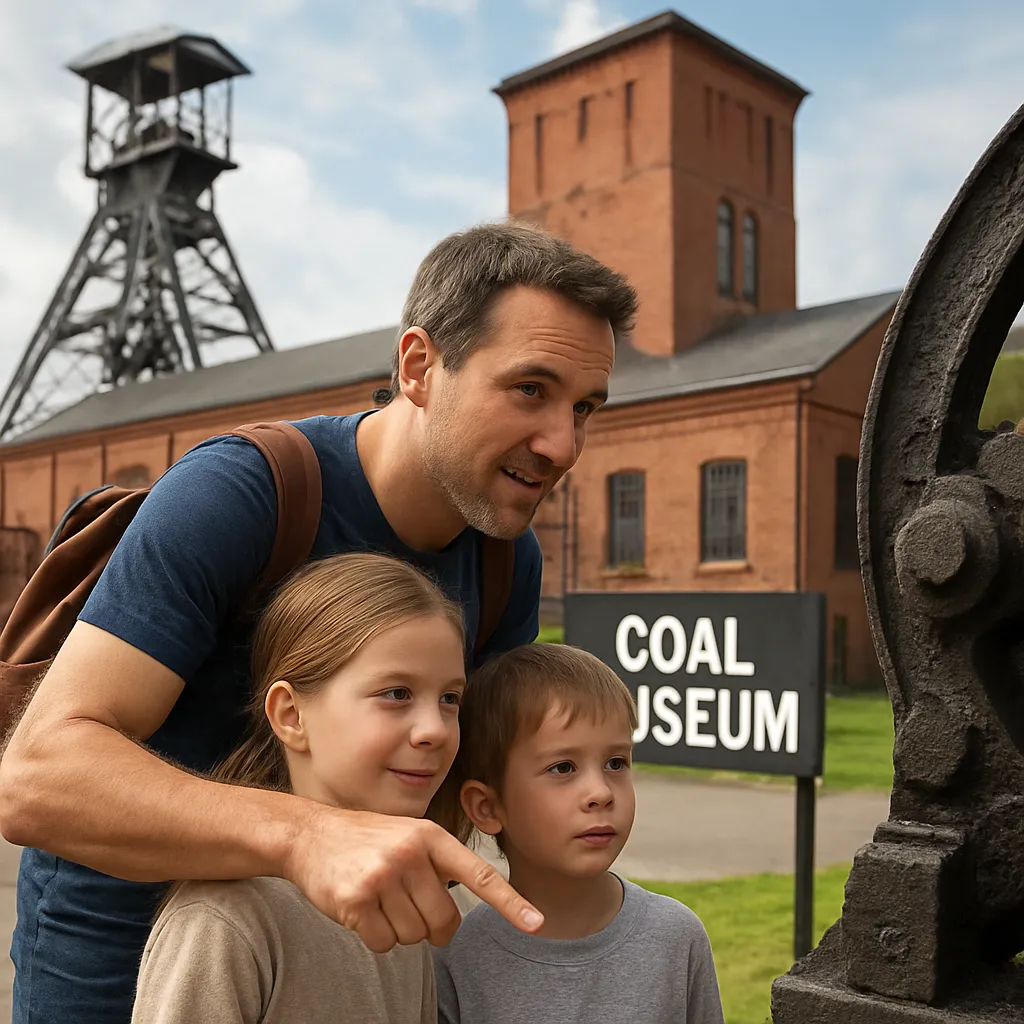
Modern museums leverage immersive exhibits, augmented reality apps, and guided underground mine tours to convey the harsh realities and triumphs of coal mining life. Heritage trails link:
- Key historic sites like colliery chapels and miners’ institutes.
- Interpretive panels chronicling major labor movements.
- Public art installations celebrating local resilience.
By offering both recreational and educational value, these attractions draw thousands of visitors annually.
Festivals and Community Events
Annual gatherings—such as miner remembrance festivals, folk music concerts, and craft fairs—keep traditions alive while boosting local economies. Participants can:
- Sample regional dishes cooked in heritage ovens.
- Watch live performances of traditional work songs.
- Join hands-on workshops on blacksmithing and stone masonry.
Such events reinforce social cohesion and spotlight the preservation of local identity.
Embracing Innovation While Honoring the Past
Coal towns stand at the crossroads of memory and possibility. Their efforts to document stories, rehabilitate landscapes, and diversify economies demonstrate a profound commitment to balancing heritage with progress. By leveraging technology, community engagement, and creative financing, these towns are not only safeguarding a rich historical narrative but also charting new directions for sustainable growth. In the interplay between dark shafts and bright horizons, the spirit of coal country thrives, proving that even the most entrenched industries can adapt and flourish under visionary stewardship.