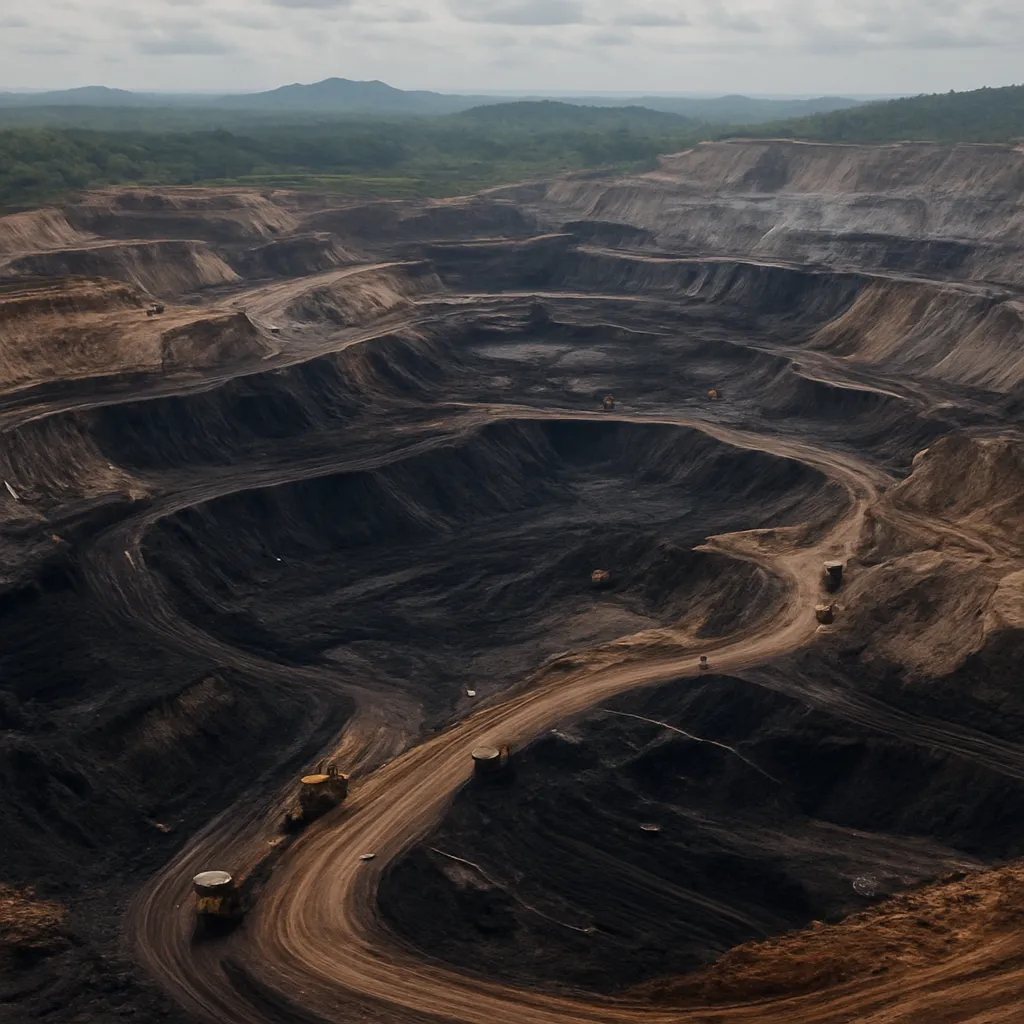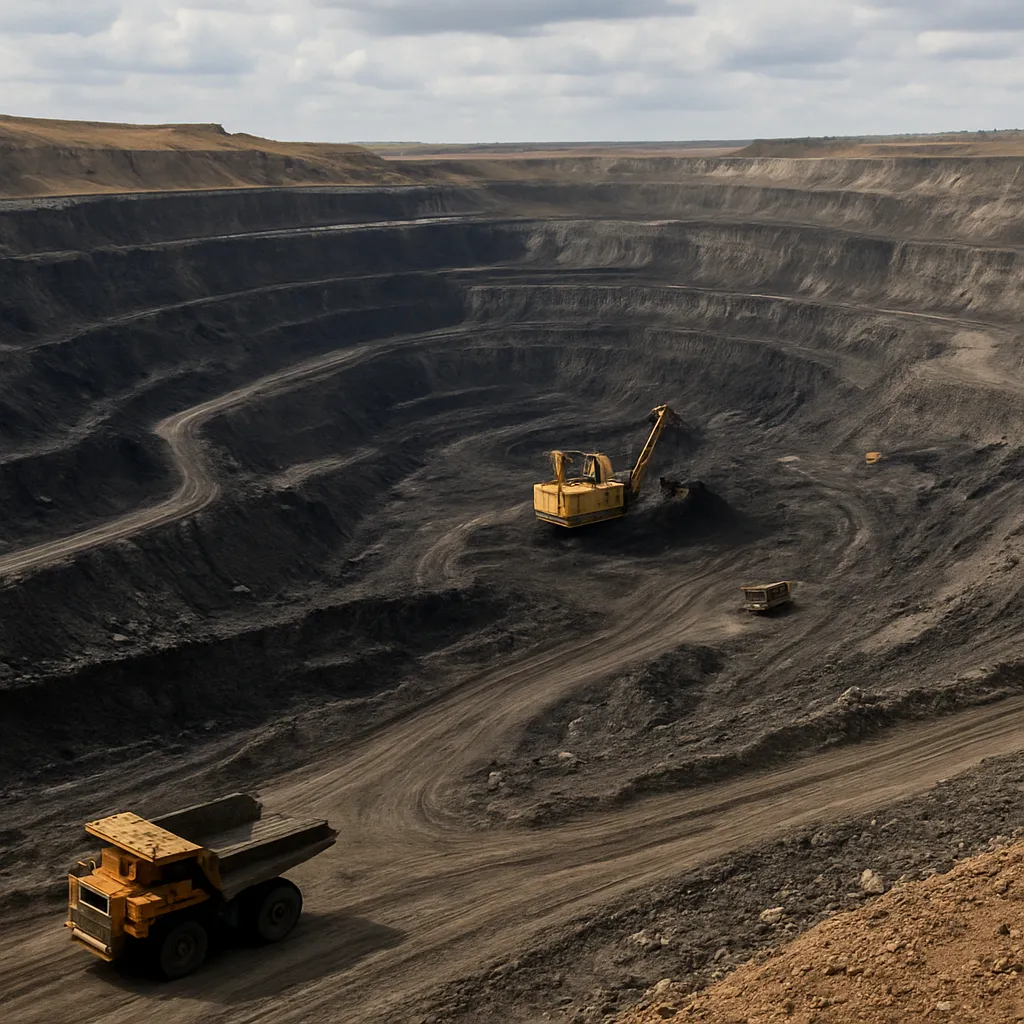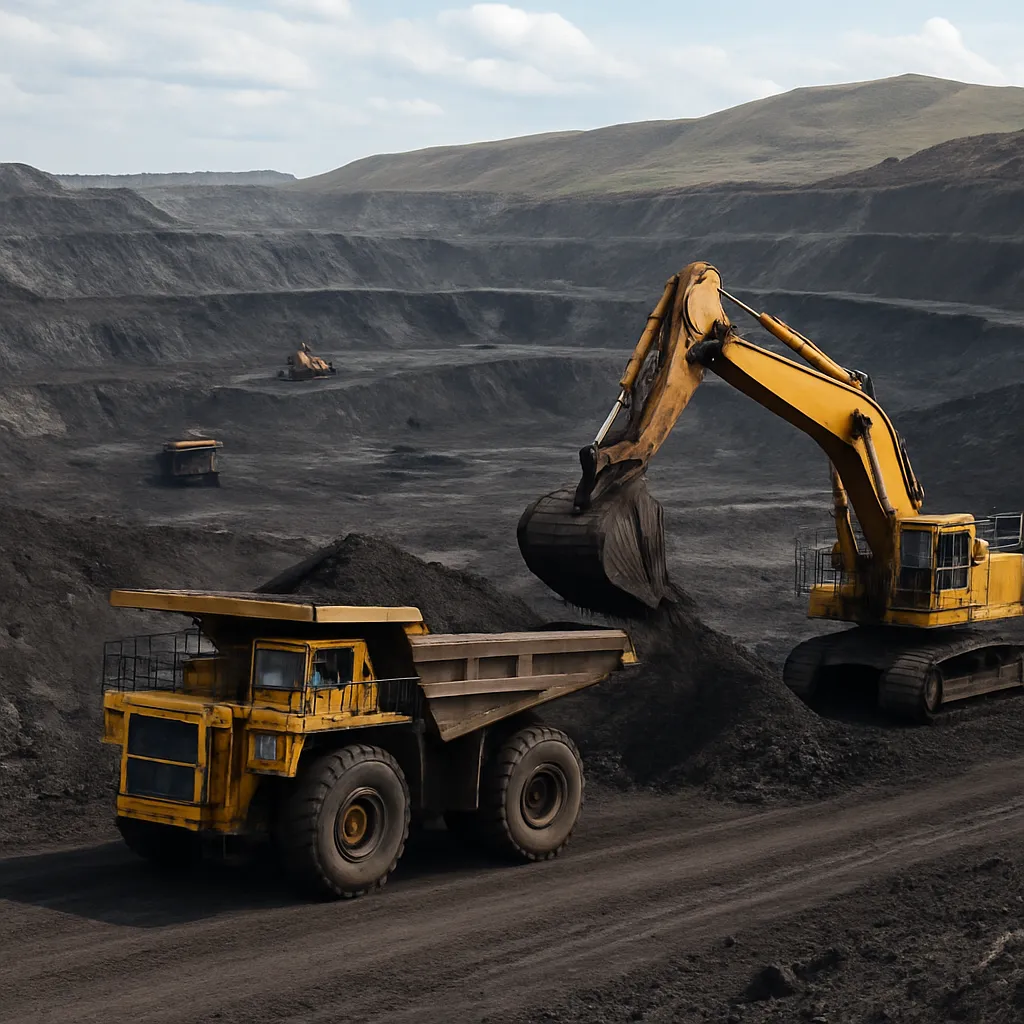
The Sibirginskaya mine is one of the many coal operations located in the vast expanse of the Russian Federation’s Siberian territories. This article examines the mine’s geographic setting, the types of coal associated with the deposit, the economic and industrial role the mine plays locally and nationally, and the broader social, environmental and technological contexts that shape its operations. It also places the mine in the context of regional and national coal statistics and trends to help readers understand its likely significance to Russia’s energy and metallurgical sectors.
Location, geology and physical characteristics
The name Sibirginskaya indicates a connection to Siberia, a region known for major coal basins such as the Kuznetsk Basin (Kuzbass), the Pechora Basin, and the Eastern Siberian coalfields. The Sibirginskaya site is situated within the geological and industrial milieu of Siberia, where thick sequences of Carboniferous and Permian coal-bearing strata are common. These coal-bearing formations typically yield both thermal and metallurgical grades of coal depending on local conditions of burial, heat, and pressure.
Geologically, Siberian coal deposits are typically characterized by layered seams with variable thickness and lateral extent. The mining conditions—whether the seams are near-surface (enabling open-pit extraction) or deep (requiring underground methods)—directly influence the choice of technology and the cost structure of operations. In Siberia, many modern operations use a mix of opencast and underground extraction depending on seam depth and geographical constraints. The Sibirginskaya deposit likely follows this pattern, with mining approaches tailored to seam depth, dip, and associated rock conditions.
- Deposit type: Coal-bearing strata typical of Siberian basins (Carboniferous-Permian age)
- Mining methods: Combination of surface and underground methods depending on seam geometry
- Accessibility: Dependent on proximity to rail infrastructure and regional logistics hubs
Coal types and product characteristics
Coal from Siberian mines commonly ranges from thermal coal used in power generation to higher-rank coking coal (metallurgical coal) used by steelmakers. The Sibirginskaya site is part of this broader spectrum: local geology and historical production trends in Siberia suggest the presence of both steam (thermal) and bituminous or semi-bituminous coals suitable for coking or blending into cokemaking recipes.
Typical quality parameters relevant to buyers and users include calorific value (energy content), volatile matter, ash content, sulfur and phosphorus content (critical for metallurgical use), and coking properties such as plasticity and strength after coking. Siberian coals used for metallurgical purposes are often valued for a balance of moderate ash and reasonable coking behavior, while thermal coals emphasize higher calorific value and lower sulfur.
- Primary products: Steam coal (power generation) and bituminous coals used for coking blends
- Quality parameters: Calorific value, ash, sulfur, volatile matter, and coking indices
- End uses: Domestic power plants, industrial boilers, and steel production (domestic and export markets)
Operations, infrastructure and logistics
Mining operations at sites like Sibirginskaya are embedded in a complex logistics network. The profitability of a mine is as dependent on extraction technology as it is on access to transportation—principally rail links that connect Siberian coalfields to domestic consumers and export terminals. In Russia, major export routes run eastward towards Pacific ports (for supply to China, Japan, Korea) and westward through the Russian rail network to European markets, though recent geopolitical changes have shifted flows increasingly to Asia.
Key operational components include:
- Extraction equipment: Draglines, shovels and trucks for open-pit; longwall faces, continuous miners, and shuttle cars for underground methods.
- Processing: Coal preparation plants that wash and size coal to meet customer specifications and reduce ash and sulfur levels.
- Transport links: Rail spurs, marshalling yards, and access to national trunk lines; in some cases, river or road links for short-haul movement.
- Support infrastructure: Worker housing, power supply, water management systems, and workshops.
Wherever possible, operators invest in preparation plants to increase product value and marketability by delivering consistent quality grades to either domestic power utilities or export buyers. The presence of a dedicated rail line or nearby transshipment hub is often decisive in the economic life of a Siberian mine.
Economic and statistical context
While company-level and deposit-level statistics for specific sites such as Sibirginskaya may be limited in the public domain, placing the mine in the broader Russian context helps gauge its potential significance. Russia is one of the world’s largest coal producers and exporters. In recent years, Russian annual coal production has generally been in the range of roughly 400–450 million tonnes, with exports historically around 200–230 million tonnes, though annual figures fluctuate with demand and policy changes.
The Kuznetsk Basin (commonly called Kuzbass) in Kemerovo Oblast is the single largest producing region in Russia, contributing a substantial share—often around 40–60% of the country’s coal output depending on the year. Eastern Siberian and Far Eastern deposits have become more important for export to Asia. The Sibirginskaya site, as part of the Siberian coal complex, contributes to regional output and to the supply chain feeding domestic power generation and industry as well as export markets.
Typical economic metrics associated with coal mines include:
- Annual production: Varies by deposit size—major Siberian mines can produce several million tonnes per year; medium operations often produce a few hundred thousand to one million tonnes annually.
- Reserves: Proven and probable reserves in Siberian deposits can range from tens to hundreds of millions of tonnes depending on the size of the deposit and the definition of reserves.
- Employment: Mines can employ from several hundred to several thousand people, directly and indirectly through contractors and support services.
- Revenue impact: Coal sales contribute to regional GDP by providing mining wages, procurement for services and equipment, and tax and royalty flows to regional authorities.
Beyond mine-specific data, some indicative national statistics help frame expectations:
- Russia coal production (recent years): ~400–450 million tonnes/year.
- Russia coal exports (recent years): ~200–230 million tonnes/year (with large year-to-year shifts tied to markets and logistics).
- Kuzbass regional share: Historically ~40–60% of national output.
Role in industry: domestic use and exports
Coal from Siberian mines serves two primary markets: domestic consumption and foreign export. Domestically, coal fuels thermal power plants, district heating, and is an essential feedstock for the steel industry when coking-grade coal is available. Externally, Siberian coal fields have gained strategic importance because of their proximity to Asian markets; rail links to Pacific ports allow Russian producers to supply Chinese, South Korean, Japanese and Southeast Asian buyers.
For metallurgical applications, coking coal commands a premium price and is central to steelmaking. If the Sibirginskaya mine produces coking-grade material or suitable blending coals, it would have direct value to steel plants both inside Russia and in export markets. Thermal coal markets are more price-sensitive and tied to global energy demand, weather, and competition from gas and renewables.
- Domestic consumers: Power utilities, cement plants, district heating and local industry.
- Export markets: Asia-Pacific buyers are increasingly important; logistics to ports determine market reach.
- Price drivers: Quality (coking vs thermal), freight costs, global energy demand and geopolitical trade patterns.
Social, environmental and regulatory aspects
Coal mining in Siberia—and mines like Sibirginskaya—operate under a complex set of social and environmental expectations. Mining provides employment and supports regional communities, but it also creates environmental challenges including landscape disturbance, water management issues, dust and air pollution, and greenhouse gas emissions. Russia’s regulatory framework requires environmental impact assessments, mine closure plans and certain rehabilitation obligations, but enforcement and practices vary by region and company.
Environmental considerations typically managed at modern operations include:
- Waste management: Disposal and stabilization of overburden and tailings from preparation plants.
- Water protection: Treatment of mine water and prevention of acid mine drainage where sulfide minerals are present.
- Air quality: Dust suppression and control of particulate emissions from handling and crushing.
- Greenhouse gases: Management of methane emissions from underground workings and CO2 from coal combustion across the supply chain.
Social impacts include employment, training and community services. Mines often are major local employers, and their operations influence housing, health services and local commerce. Modern operations increasingly emphasize corporate social responsibility measures—investment in local infrastructure, health programs, and educational initiatives to support long-term socioeconomic resilience.
Safety, technology and modernization
Safety is a perennial concern in coal mining, especially in underground operations where risks include roof collapses, methane explosions and long-term health impacts such as pneumoconiosis. Advances in mechanization, automation and digital monitoring have improved safety outcomes in many Russian mines, including:
- Automation: Use of remotely operated longwall shearers and continuous miners to minimize worker exposure in hazardous areas.
- Monitoring: Real-time gas and roof stability monitoring systems to enhance situational awareness and emergency response.
- Training: Simulation and vocational training programs that raise skill levels and awareness of safety protocols.
- Efficiency gains: Optimized haulage systems and conveyor infrastructure to reduce unit costs and environmental footprint.
Investment in such technologies often correlates with improved productivity and reduced accident rates. Companies operating in Siberia increasingly seek to modernize plants and logistics to remain cost-competitive on global markets.
Regional development and economic linkages
Coal mining has historically been a driver of regional development in Siberia. Mining towns, railheads and industrial clusters have grown around deposits. The multiplier effects of mining include demand for equipment manufacture, transport services, power and construction. Local and regional governments rely on tax and royalty revenues from mines to fund public services and infrastructure upgrades.
However, heavy economic reliance on a single commodity can expose regions to market volatility. Diversification strategies—such as development of downstream industries, retraining programs, and attracting non-mining investments—are often discussed in parallel with plans to maintain competitiveness in the coal sector.
Future outlook and strategic considerations
The future of mines like Sibirginskaya depends on a mix of geology, economics, environmental regulation and global energy trends. Key factors shaping prospects include:
- Market demand: Continued Asian demand for thermal and coking coal can sustain production; conversely, decarbonization policies in consuming countries could reduce demand for thermal coal in the long run.
- Price environment: Freight costs and world coal prices determine the profitability of Siberian exports vs domestic sales.
- Technological change: Automation and efficiency improvements will reduce unit costs and environmental impact.
- Policy and regulation: Emissions controls and mine reclamation requirements could raise operating costs but also create markets for cleaner coal technologies and carbon management solutions.
Strategically, operations that can produce higher-value coking coal, deliver consistent, low-ash products and maintain reliable logistics to Asian buyers are better positioned in a competitive market. At the same time, engagement in carbon management, methane capture, and post-mining land-use planning will shape the long-term social license to operate.
Interesting facts and broader perspectives
A few broader observations add context to the Sibirginskaya narrative:
- Geographical scale: Siberia hosts some of the world’s largest coal basins, and its mines are integral to global coal supply chains.
- Export pivot: In recent years Russia’s coal export focus has increasingly shifted toward Asia, altering investment patterns and logistics priorities.
- Resilience: Coal remains a resilient commodity in many markets due to its use in steelmaking and power generation in regions where alternative fuels are less competitive.
- Transition challenges: The global shift to lower-carbon energy sources poses both challenges and opportunities—mines that lower the carbon footprint of supply chains or that produce essential metallurgical coals may retain strong demand.
Concluding summary
The Sibirginskaya mine exemplifies the important role of Siberian coal operations within the Russian energy and metallurgical complex. Although detailed public statistics for a specific site may be limited, the broader regional and national data make clear that coal extraction in Siberia supports substantial production volumes, feeds domestic industry, and supplies export markets—especially in Asia. The future of such mines will be shaped by market demand for coking and thermal coal, investments in technology and safety, environmental and regulatory requirements, and the evolving logistics landscape that connects Siberian deposits to global consumers. Over the medium term, mines that balance competitive costs, consistent product quality and proactive environmental management will be best placed to thrive in a changing world.