Coal has played an indispensable role in shaping modern civilization, driving the wheels of the Industrial Revolution and powering economies around the globe. From the earliest discoveries of this abundant fossil fuel to its complex supply chains today, coal remains at the heart of debates over energy, environment, and industry.
The Formation of Coal and Early Exploitation
Millions of years ago, dense forests and swamps covered vast regions of our planet. As plant material accumulated, layers of sediment pressed down, transforming organic matter into peat and, with time and pressure, into coal. This process locked away vast amounts of carbon, creating a concentrated energy source.
By the Middle Ages, small-scale coal mining began in England and China. Early mining relied on simple shafts and wood supports, making it labor-intensive and dangerous. Nonetheless, the pungent smoke and fast-burning nature of coal proved superior to charcoal for heating and metalworking. Pioneers recognized that coal could heat homes, fuel forges, and drive rudimentary steam pumps.
The Industrial Revolution and the Rise of Coal Stock
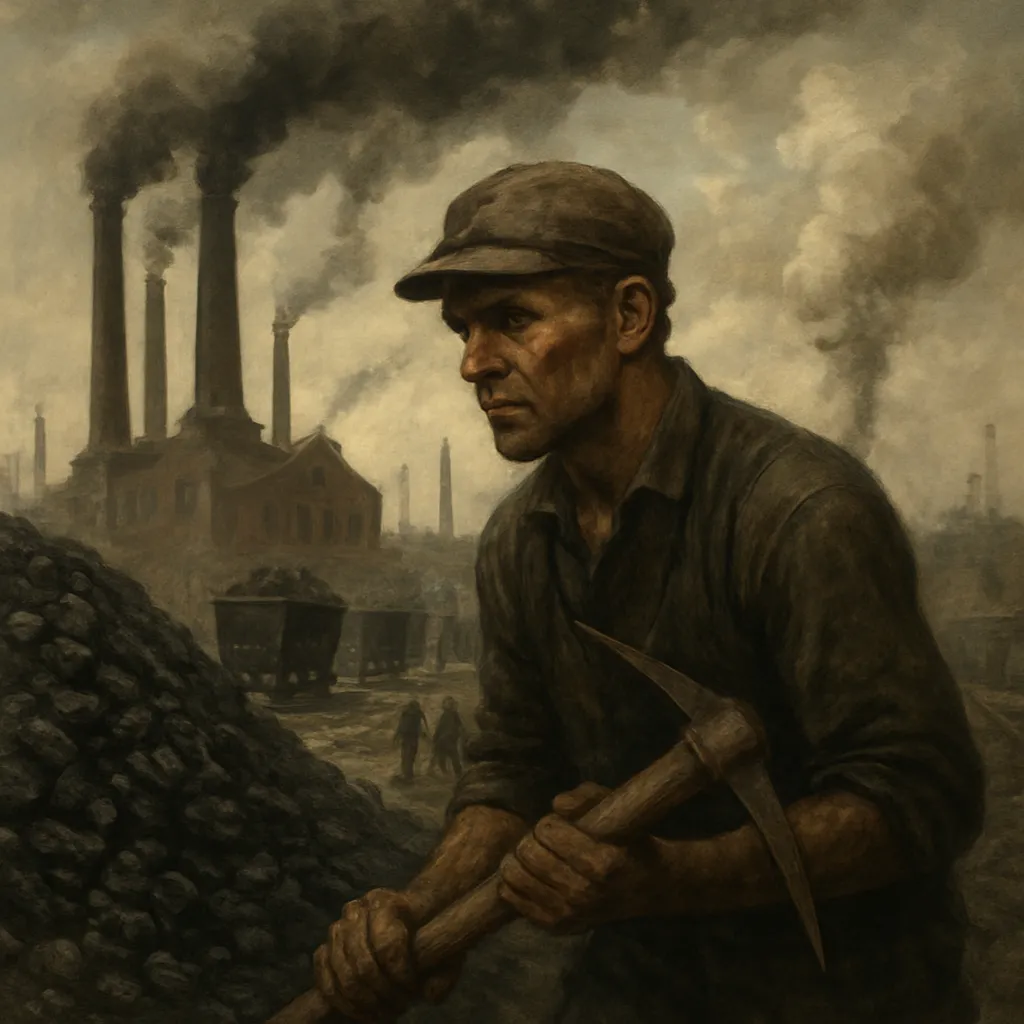
The 18th and 19th centuries witnessed an unprecedented surge in demand. Widespread use of the steam engine transformed manufacturing, railways, and shipping. Coal provided the high-energy fuel needed to heat boilers, generating steam to power new machinery and locomotives. As factories boomed, entrepreneurs built vast stockpiles of coal near urban centers and ports to ensure an uninterrupted supply chain.
- Coal mines expanded horizontally and vertically, employing thousands of miners.
- Engineered stockyards and bunkers emerged, showcasing early examples of bulk material logistics.
- Rail networks linked mines to industrial hubs, revolutionizing transport and trade.
The concept of coal stock management became crucial. Warehouse managers monitored consumption rates, seasonal demands, and fluctuations in mine output. In Britain, the coal stock at the Thames docks symbolized national prosperity, with towering mounds of black ore awaiting shipment across the Empire.
Technological Advances in Coal Utilization
The 20th century ushered in major innovations. Pulverized coal combustion enhanced boiler efficiency, while fluidized bed reactors allowed more complete burn and lower emissions. Coal gasification and liquefaction offered pathways to produce synthetic natural gas and liquid fuels. These methods expanded the versatility of coal far beyond steam power.
From Stockpiles to Automated Handling
Modern ports use conveyor belts, stacker-reclaimers, and shiploaders to handle millions of tons of coal with minimal human intervention. Sensors track stockpile volume, temperature, and moisture, ensuring safe storage and transport. Such systems underscore the importance of advanced logistics in maintaining uninterrupted energy flows.
Coal in Power Generation
Coal-fired power plants have supplied baseload electricity worldwide for decades. Advances in turbine design and flue gas cleaning have improved plant efficiency and reduced particulate releases. Innovations like supercritical and ultra-supercritical boilers push operating temperatures and pressures, squeezing more kilowatt-hours from each ton of coal.
Economic and Geopolitical Dimensions of Coal Stock
Coal remains a cornerstone of economic stability for many nations. Countries with abundant reserves leverage coal stock as a strategic asset, balancing imports and domestic output. In emerging economies, coal-fired power plants accelerate industrialization and urban growth. Managing these stockpiles influences currency stability, trade balances, and energy security.
- Export-oriented producers build strategic reserves to meet peak demand in buyer nations.
- Import-dependent countries maintain stockpiles to hedge against price volatility.
- International agreements—such as coal trading partnerships—shape regional politics.
Volatility in global markets can trigger rapid changes in coal pricing. Speculators, government agencies, and coal companies all monitor stock levels to predict shortages or surpluses. Strong inventory management reduces the risk of blackouts and keeps power plants running smoothly.
Environmental Challenges and the Future of Coal
Despite its benefits, coal combustion contributes significantly to greenhouse gas emissions, acid rain precursors, and air pollutants. Public pressures and regulatory frameworks push for cleaner alternatives. Technologies such as carbon capture and storage (CCS) aim to trap CO2 before it enters the atmosphere, offering hope for “clean coal” solutions.
In parallel, efforts to rehabilitate abandoned mines transform defunct stockyards into solar farms, wetlands, or recreational spaces. These initiatives highlight a shift from extracting every last lump of coal to sustainable land stewardship. Meanwhile, research explores coal-to-chemical processes for producing fertilizers, plastics, and other valuable commodities, diversifying the role of this ancient resource.
As global energy strategies evolve, coal may transition from a primary fuel to a feedstock for industrial processes. Smart algorithms now optimize stockpile usage, blending high- and low-grade coals to meet specific performance and environmental targets. In doing so, the legacy of coal extends beyond heat and power into the realm of advanced materials.
Conclusion
The journey of coal—from prehistoric forests to modern stockpiles—reflects the dynamic interplay between natural resources, technology, and human ambition. While debates over its future continue, the story of coal remains a testament to mankind’s ability to harness Earth’s treasures in pursuit of progress.