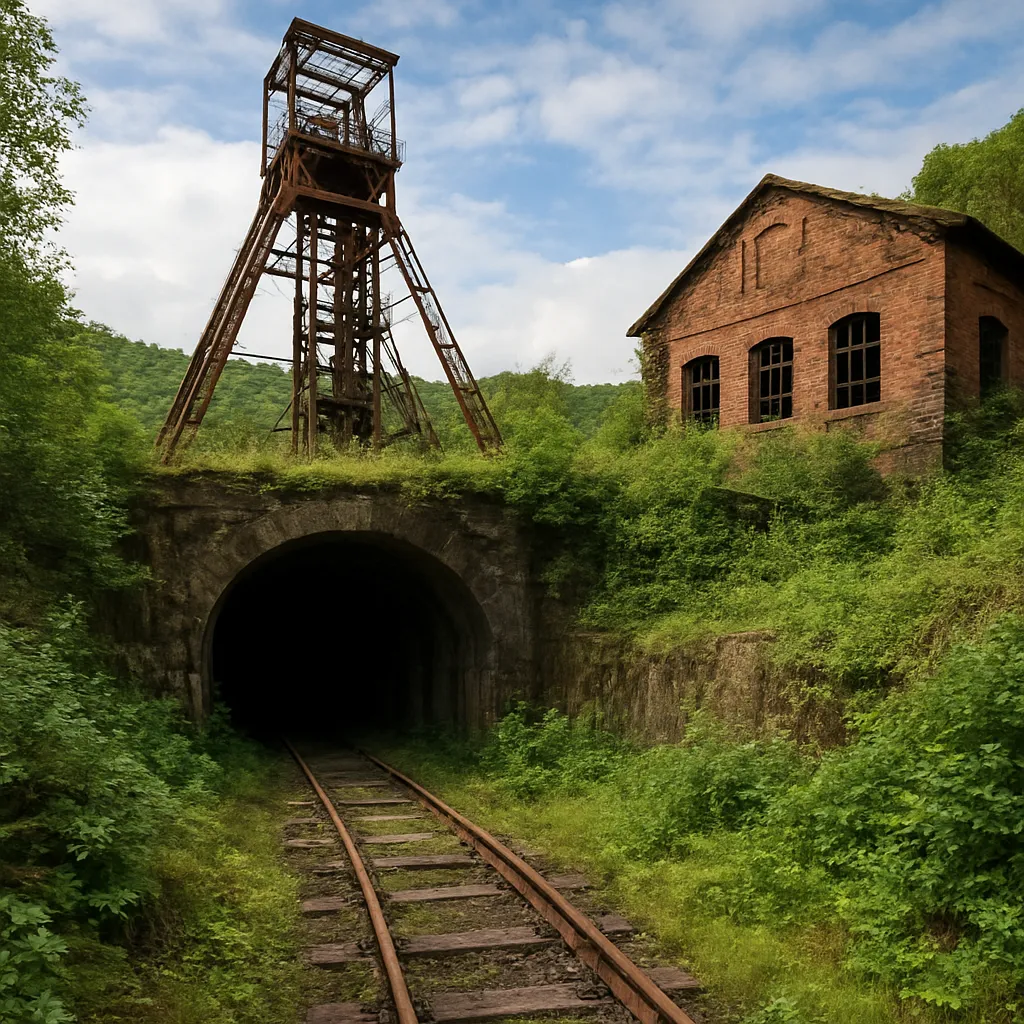
Hidden beneath layers of rusted equipment and overgrown vegetation lies a world where history converges with nature in unexpected ways. Abandoned coal mines, once hubs of industrial activity, have gradually become canvases for geological marvels and ecological revival. Exploring these forgotten sites reveals not only the story of carbon extraction but also dramatic shifts in landscapes, investment perspectives on coal stock, and innovative reclamation practices that blend science with art.
The Geological Legacy Beneath the Surface
Coal deposits form over millions of years as plant matter is buried, compressed, and heated under the Earth’s crust. These subterranean processes give rise to seams of coal—a fossil fuel varying in rank from peat to anthracite. Abandoned mines offer a rare glimpse into this natural history:
- Seam Exposure: Erosion often exposes coal seams along cliff faces and riverbanks, showcasing layers of sediment rich in organic material.
- Stratigraphic Markers: Miners followed these markers to locate high-quality veins, leaving behind shafts that intersect ancient swamps and forests.
- Mineralogical Diversity: Sulfides, oxides, and trace minerals form spectacular crystalline structures within mine tunnels.
Tracing Coal Formation
The formation of coal unfolds through four key stages: peat, lignite, bituminous, and anthracite. Each stage reflects increasing degrees of metamorphism, heat, and pressure. Abandoned mine walls often reveal color shifts from brownish peat layers to glossy black anthracite, telling a story of geological transformation.
Remnants of Extraction Techniques
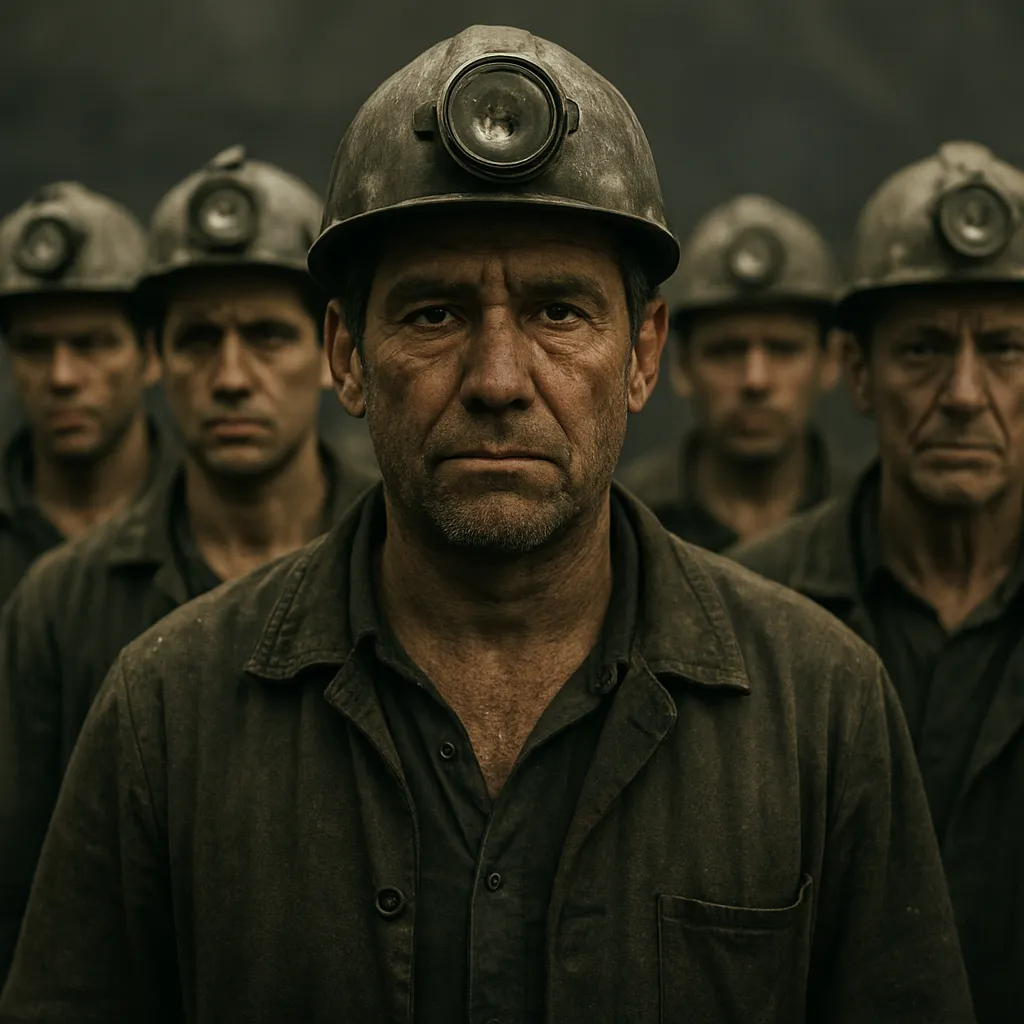
Historical mining methods, from hand-drilled stopes to mechanized longwall shearers, carved unique passageways. Ventilation shafts, rusted rails, and wooden props have decayed into patterns of natural decay and human ingenuity. These relics document the evolution of technology and its impact on both men and environment.
Investing in Coal Stocks: Risks and Rewards
Although global markets are increasingly focused on renewable energy, coal stock remains an important asset class for many investors seeking diversification. Understanding the dynamics of this sector is crucial for making informed decisions.
Market Drivers
- Industrial Demand: Steel production and power generation still rely on coal in many regions.
- Regulatory Policy: Emissions standards can drastically affect coal demand and stock valuations.
- Geopolitical Tensions: Supply disruptions in major coal-producing countries lead to price volatility.
Risk Factors
Investors must weigh several uncertainties before adding coal equities to their portfolios:
- Environmental Regulations: Stricter carbon taxes and emission caps could reduce profitability.
- Alternative Fuels: Natural gas and renewables often undercut coal on cost and ecological grounds.
- Reclamation Liabilities: Abandoned pits carry cleanup obligations that impact corporate balance sheets.
Opportunities for Growth
Despite headwinds, coal companies can pivot toward value-added byproducts such as coke for steelmaking or invest in carbon capture and storage (CCS) technologies. This shift requires capital but opens new revenue streams and improves public perception.
Ecological and Aesthetic Transformations
Once coal extraction ceases, nature begins to reclaim these industrial scars. Over decades, flora and fauna colonize abandoned workings, creating ecosystems of surprising complexity and beauty.
Water-Filled Pits and Lakes
Many disused mines fill with groundwater, forming turquoise lakes that reflect mineral-rich sediments. These water bodies attract biodiversity—from algae blooms to migratory birds—turning industrial wastelands into havens for wildlife.
Plant Succession and Habitat Creation
Early colonizers like mosses, grasses, and pioneering shrubs stabilize spoil heaps. Eventually, hardwoods and conifers form secondary woodlands. In some regions, rare orchids and ferns thrive on acidic soils left by coal waste.
- Woodland Pockets: Overgrown slag heaps become mini-forests with complex food webs.
- Grassland Mosaics: Open spoil areas support wildflowers, pollinators, and small mammals.
- Wetland Refuges: Abandoned shafts collect rainwater, fostering amphibians and aquatic invertebrates.
Visual and Cultural Appeal
Photographers, artists, and adventurers are drawn to the stark contrasts of rusted beams against verdant greenery. Urban explorers document cryptic symbols left by miners, while light installations animate tunnels with ethereal glow. Some communities embrace old mine sites as venues for festivals and outdoor art exhibits, celebrating both industrial heritage and restoration.
Forging Sustainable Futures for Abandoned Mines
Reclaiming coal mine landscapes requires careful planning, significant resources, and community engagement. Innovative approaches are redefining what is possible:
Renewable Energy Installations
Flat, post-mining terrain offers ideal locations for solar farms and wind turbines. Projects in Europe and the United States repurpose former coalfields into green power hubs, supporting local economies and reducing carbon footprints.
Geothermal and Carbon Sequestration
Deep mine shafts maintain elevated underground temperatures suitable for geothermal heating systems. Meanwhile, old tunnels serve as candidates for carbon sequestration, storing CO₂ in rock formations and mitigating climate change impacts.
Community-Led Heritage Parks
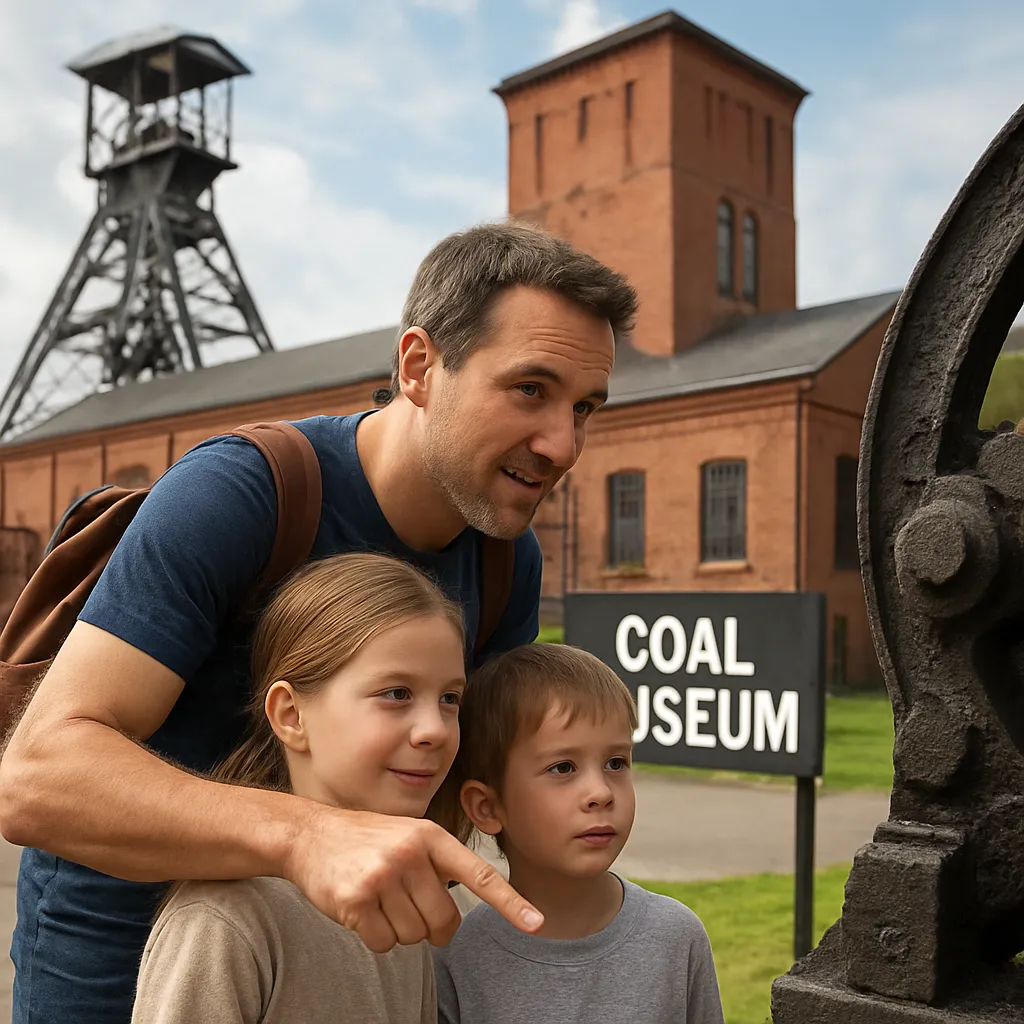
Collaborations between governments, NGOs, and residents transform abandoned mines into heritage parks. Guided trails, interpretive centers, and interactive exhibits invite visitors to explore mining techniques, worker stories, and natural recovery. Such initiatives highlight the resilience of both landscapes and communities, ensuring that the hidden beauty of abandoned coal mines remains appreciated by future generations.