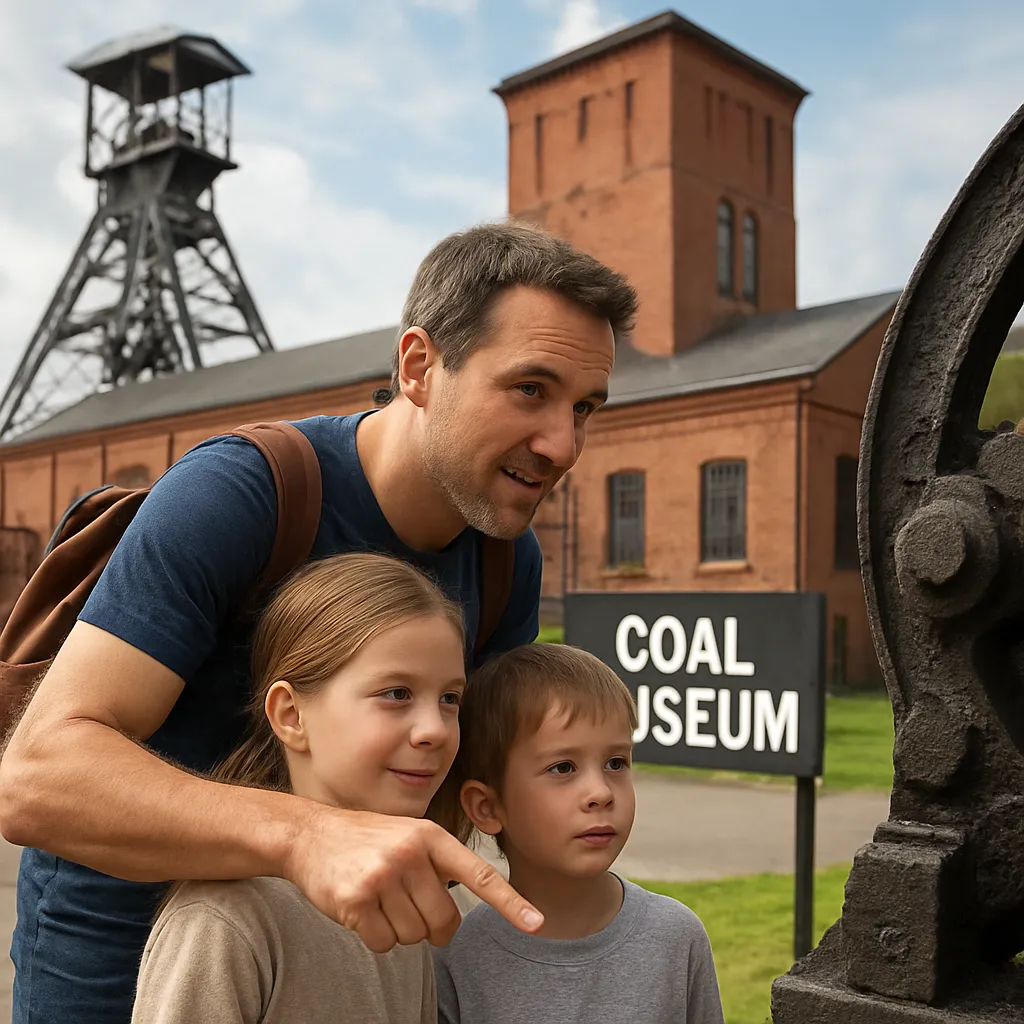
The intricate relationship between coal extraction and human movement has shaped communities, economies, and the landscape for centuries. This article delves into key aspects of the global carbon-based fuel business, the financial instruments tied to its fortunes, and how shifts in mining activity drive demographic changes. By examining production trends, stock valuations, and migration dynamics, we gain insights into the forces that will influence energy markets and social structures in the decades ahead.
Global Coal Industry and Its Evolution
The history of coal stretches back to preindustrial times, when it was first mined on a small scale for heating and metalworking. Over the past two centuries, mechanization and railway expansion transformed coal into a cornerstone of the Industrial Revolution. Today, it remains a vital energy source in many nations despite growing concerns over emissions and climate change. Several factors have shaped the modern coal industry:
- Technological Innovation: Advanced extraction methods such as longwall mining and continuous miners have boosted output and improved safety, though they also demand higher capital investment.
- Environmental Regulation: Stricter laws and emissions standards in Europe, North America, and parts of Asia have pressured producers to adopt clean-coal technologies or face plant closures.
- Competition from Renewables: Solar, wind, and natural gas have captured market share by offering lower pollution footprints and, in some regions, reduced costs.
- Geopolitical Shifts: Trade disputes and supply-chain disruptions can alter import-export balances, influencing domestic energy prices and national security concerns.
Despite these challenges, emerging economies continue to rely heavily on coal to fuel industrial growth and urbanization. India and Indonesia, for instance, have expanded mine openings to meet soaring power demands, while nations with established infrastructure focus on efficiency improvements and emissions mitigation.
Coal Stocks and Investment Trends
Investors often look to coal miners and utility companies as proxies for economic growth in industrial regions. Coal-related equities and exchange-traded funds (ETFs) provide exposure, but they also carry unique risks tied to commodity cycles and policy shifts. Consider these major themes:
- Volatility in Commodity Prices: Coal prices can swing dramatically based on weather patterns, shipping bottlenecks, and demand from steelmakers. A cold winter in Europe or a record-breaking drought in Southeast Asia can send coal futures soaring.
- Dividend Yields: Many established coal producers maintain attractive payouts when cash flows are strong. However, dividend cuts can occur abruptly when margins compress or regulatory costs rise.
- ESG Pressures: Environmental, Social, and Governance criteria increasingly influence portfolio managers. Funds that track ESG ratings may exclude or downweight coal names, restricting potential capital flows.
- Corporate Restructuring: Bankruptcy filings and debt renegotiations have reshaped the sector. Well-capitalized players may acquire distressed assets at deep discounts, altering the competitive landscape.
Asset allocators must balance potential returns from high-yielding coal stocks against the probability of sudden policy changes, product substitution, and environmental liabilities. Some investors employ hedging strategies, such as options or short positions, to mitigate ups and downs in coal equity performance.
The Interplay Between Coal Mining and Migration Patterns
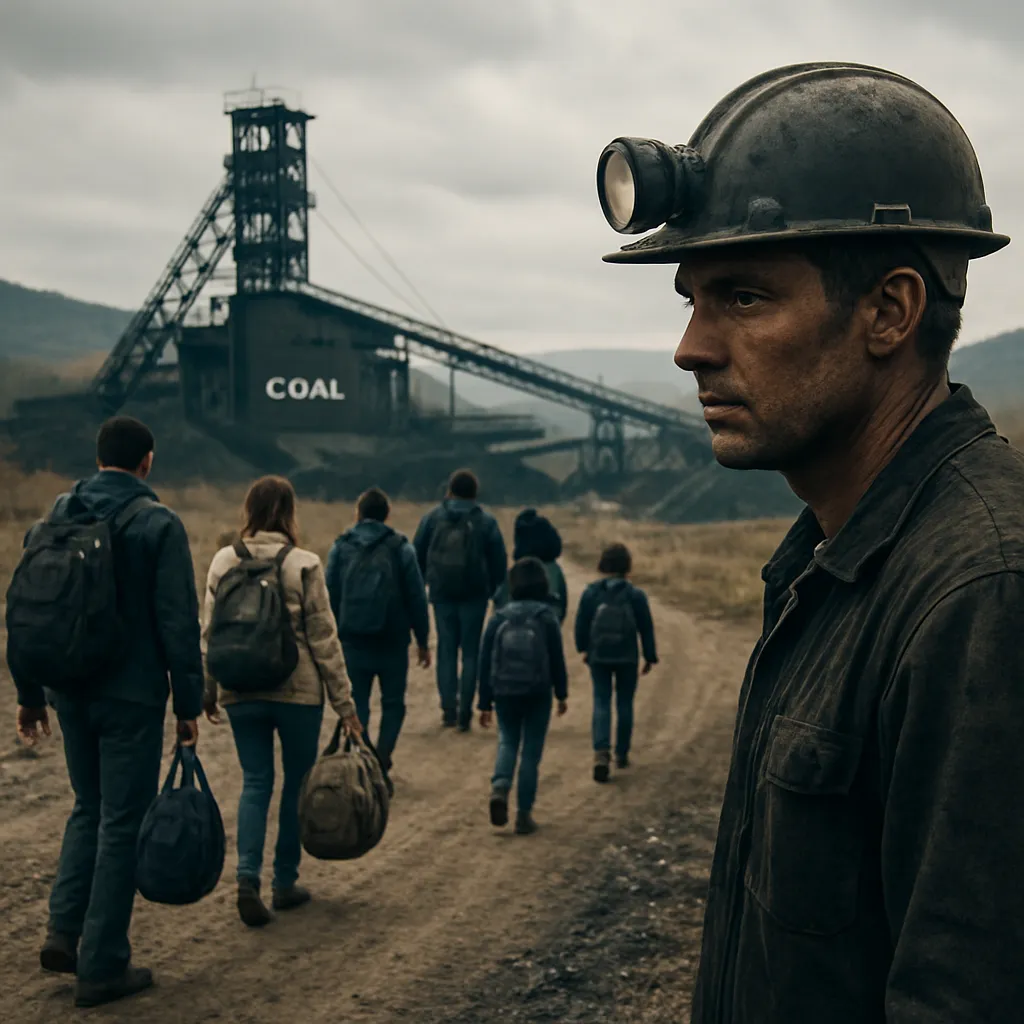
Migration trends often mirror the ebb and flow of employment opportunities in regions centered on infrastructure and resource extraction. Coal towns, once thriving hubs, may face decline when mines close or transition to automation. Key dynamics include:
- Push Factors: Layoffs, environmental hazards, and declining regional investment force workers to seek jobs elsewhere, often in urban centers or more diversified economies.
- Pull Factors: New mining concessions in other provinces or countries attract labor migrants with promises of higher wages, housing allowances, and the allure of frontier development.
- Seasonal Migration: Temporary recruitment drives for peak extraction seasons can lead to cyclical flows of labor, affecting local businesses, housing markets, and social services.
- Family Succession: Generational shifts occur as younger residents opt for education and non-mining careers, leaving aging populations behind in coal-dependent regions.
Rural-to-urban migration linked to mine closures contributes to the growth of mega-cities, stretching public services and housing. Conversely, the opening of new coalfields in remote areas can spark the rapid construction of towns and transport networks, sometimes without adequate planning for schools, hospitals, or environmental safeguards.
Socioeconomic Impacts on Coal-Dependent Communities
The rise and fall of coal operations imprint long-lasting legacies on local residents. Beyond employment, mines influence healthcare, education, and civic identity. Some of the most significant effects are:
- Infrastructure Development: Early rail lines, roads, and power plants often emerged to support mining activity. These assets can be repurposed or fall into disrepair when demand wanes.
- Public Health: Respiratory diseases and accidents have plagued miners for decades, prompting calls for compensation schemes and stricter safety protocols.
- Education and Skills: Training programs tailored to coal extraction can become obsolete without diversification efforts, leaving workers ill-equipped for alternative industries.
- Community Cohesion: Shared labor traditions foster strong social bonds, but they can also create resistance to economic change and limit acceptance of new occupations.
Transition initiatives, such as retraining centers and government grants, aim to soften the blow of mine closures. However, successful transformations depend on early planning, stakeholder collaboration, and sustained investment in local entrepreneurship.
Future Outlook and Challenges
The next decade will determine whether coal retains a role in the global energy mix or becomes a relic of industrial history. Several emerging trends will influence outcomes:
Decarbonization Technologies
- Carbon capture, utilization, and storage (CCUS) projects may allow coal-fired plants to operate with reduced greenhouse gas emissions, though high costs remain a barrier.
- Hydrogen co-firing trials could repurpose existing boilers, but widespread adoption hinges on low-cost, green hydrogen supply.
Policy and Market Signals
- Carbon pricing mechanisms, from emission trading systems to carbon taxes, provide economic incentives to curb coal consumption.
- Subsidy reforms that redirect funds from fossil fuels to renewables will reshape the competitive landscape and influence capital allocation.
Social Equity and Migration
- Ensuring a just transition for coal miners and host communities is paramount. Without social support, migration pressures can exacerbate urban poverty and displacement.
- Public-private partnerships can foster new industries in former coal regions, promoting entrepreneurship and retaining skilled workers.
As the world navigates the balance between energy security and environmental responsibility, the fate of coal mining—and the communities built around it—remains uncertain. Policymakers, investors, and civic leaders must collaborate to address legacy challenges, facilitate human mobility, and encourage sustainable alternatives. Only through coordinated efforts can the sector evolve in a manner that respects both economic needs and planetary boundaries.