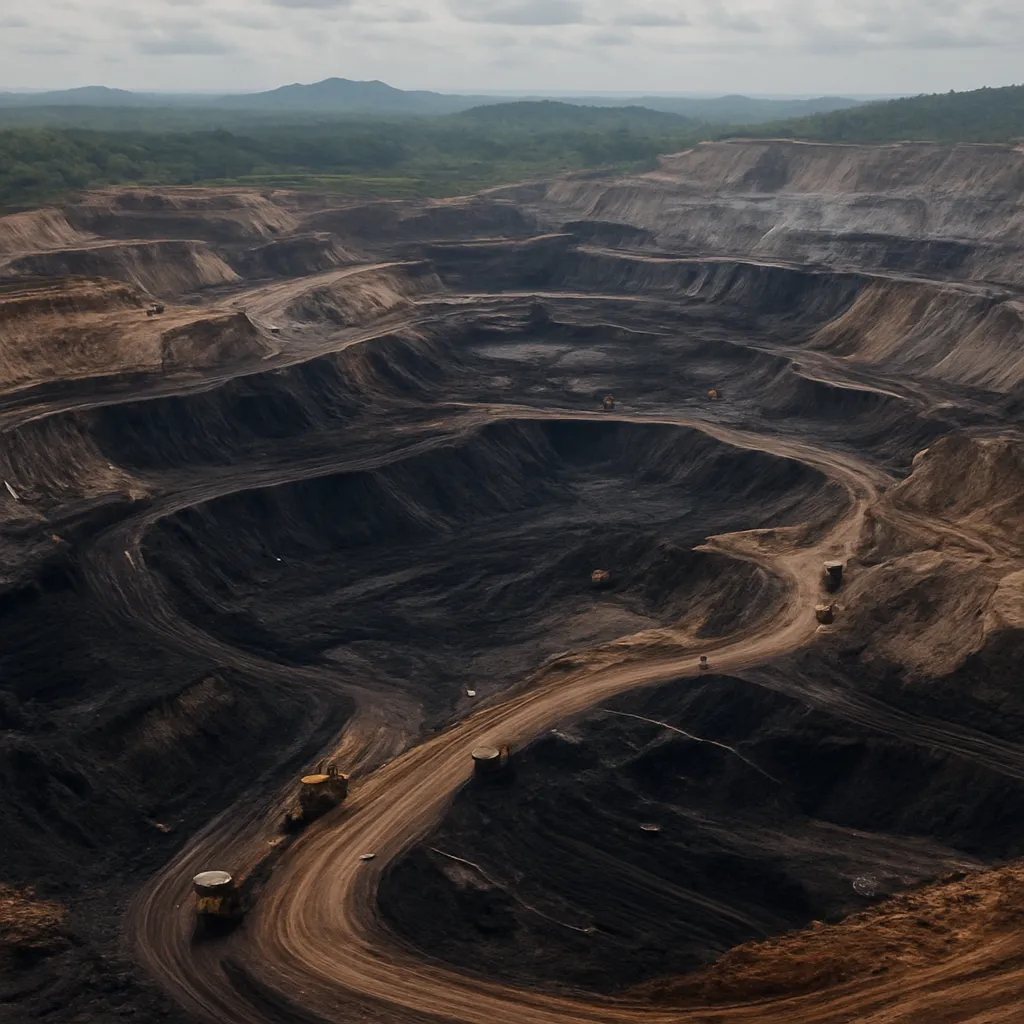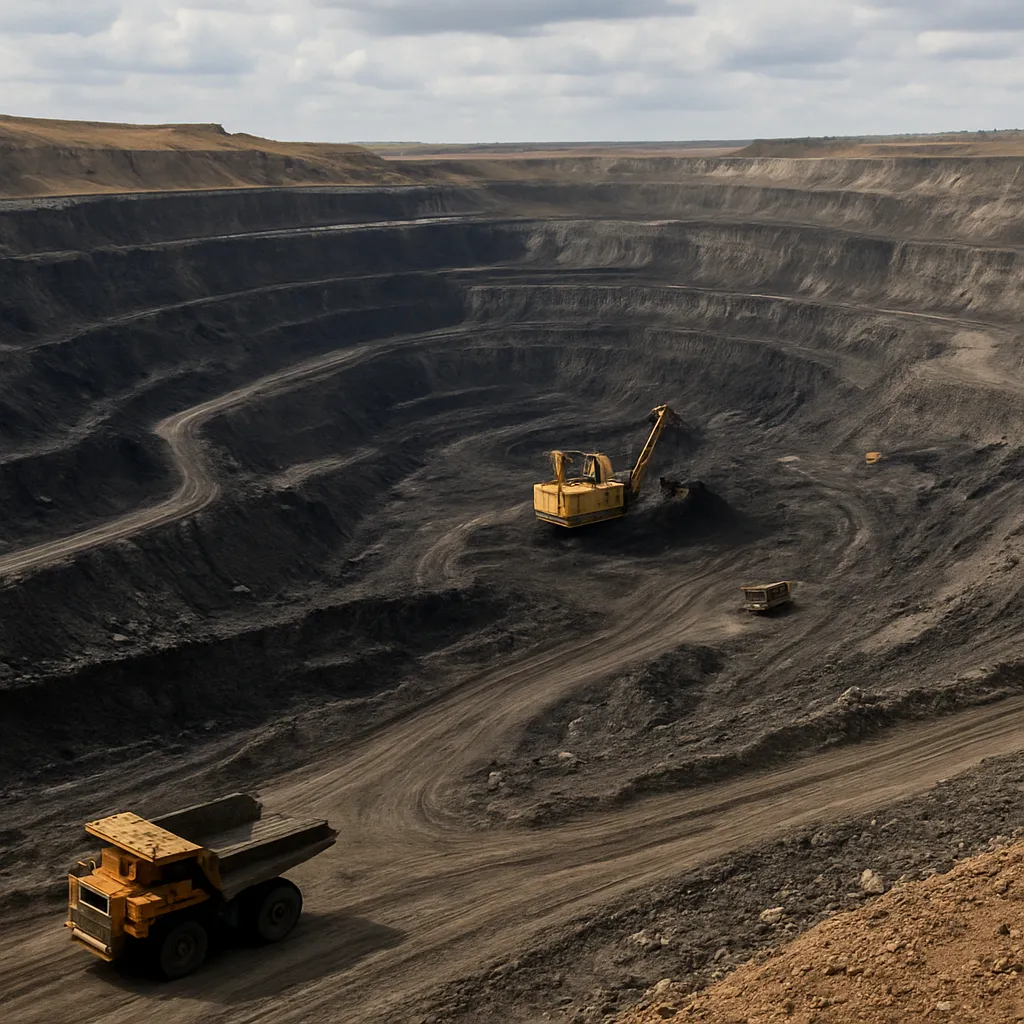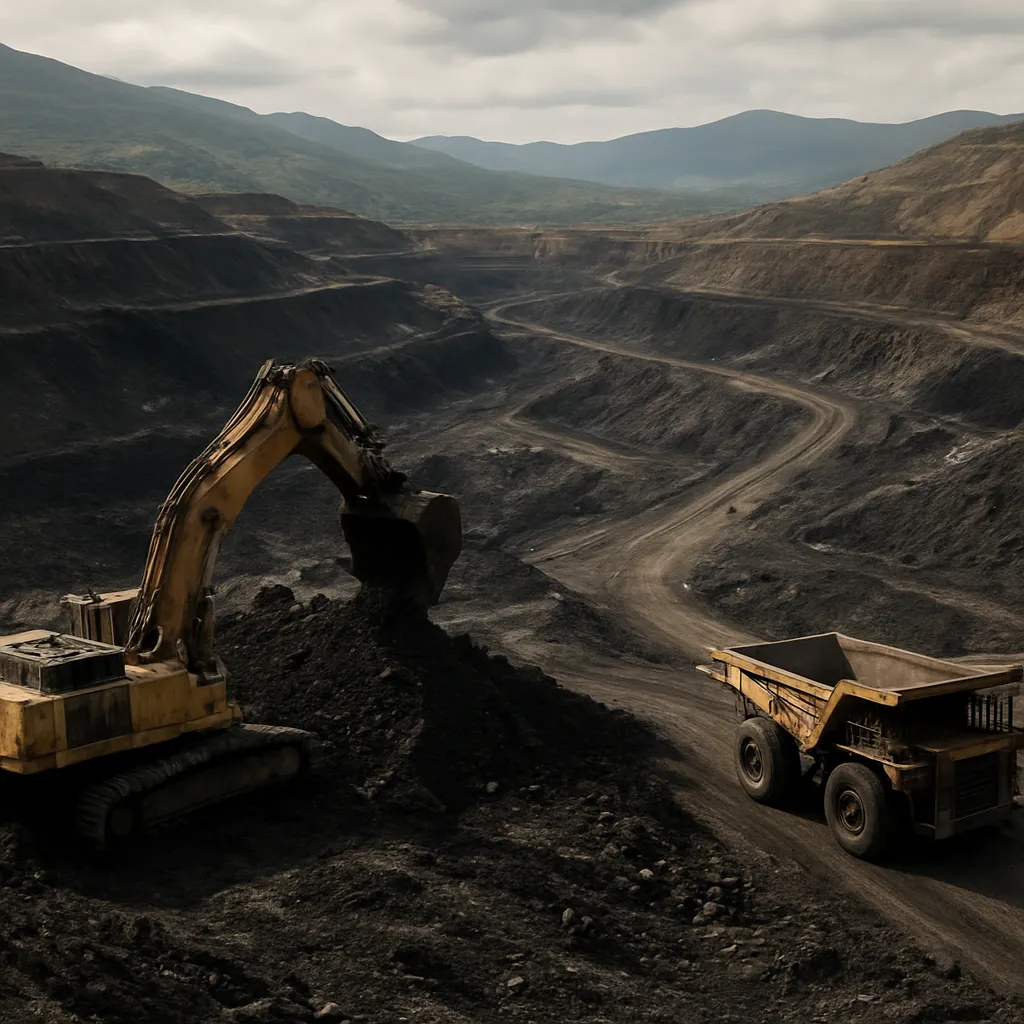
The Soko Mine is a lesser-known but locally important coal mining site in Serbia. While overshadowed by the country’s major lignite basins, this mine illustrates many typical features of Serbian coal extraction: dependence on **lignite**, integration with local economies, environmental challenges, and a contested future in the face of energy transition. The following article reviews the mine’s geological setting, production characteristics, economic role, environmental impacts, and the broader context of coal in Serbia. Where precise, publicly available data on Soko Mine are limited, the discussion places the site in the context of verified national and regional statistics and widely documented industry trends.
Location and geological setting
Soko Mine is part of Serbia’s network of coal mining sites that exploit near-surface **lignite** deposits formed in the Neogene and Quaternary periods. Coal in Serbia is concentrated in several basins; the most prominent are the Kolubara and Kostolac basins, but many smaller deposits and mines—including sites like Soko—exist across the country. The exact geological characteristics vary by site, but the common pattern is shallow, blanket-type **lignite** seams with comparatively low rank and calorific value when contrasted with hard coals found elsewhere in Europe.
Typical geological features associated with mines similar to Soko include:
- Layered sequences of clay, sand, and peat-derived materials with interbedded **lignite** seams.
- Near-surface seams accessible by open-pit (surface) mining or shallow underground workings.
- Groundwater interaction that often requires dewatering and drainage management.
The presence of widespread **lignite** in Serbia has historically driven the development of thermal power plants close to the mines, minimizing transport costs and creating integrated pit-to-power complexes. Although Soko Mine itself is smaller in scale compared to Kolubara and Kostolac, it shares the same regional geological controls and economic logic.
Coal type, reserves and production characteristics
The predominant product at Soko Mine is **lignite**, a low-to-medium calorific value brown coal typically used for electricity generation. Lignite in Serbia is characterized by:
- Lower carbon content and higher moisture relative to bituminous coal.
- Lower calorific value (frequently in the range of 7–15 MJ/kg, varying by seam and moisture content).
- Suitability primarily for nearby **thermal power plants** rather than long-distance export due to its handling and drying needs.
Publicly available detailed reserve and production figures for Soko Mine are limited. Smaller mines like Soko often have reserves measured in the low millions to tens of millions of tonnes rather than the hundreds of millions or billions characteristic of major basins. Production at such sites can range from local, intermittent extraction supplying small thermal installations or district heating systems to steady multi-year operations with medium output depending on market conditions and local demand.
At a national level, Serbia’s mining sector remains heavily dependent on **lignite**. In recent years the country’s annual lignite production has generally been measured in the order of tens of millions of tonnes, with the largest share coming from the Kolubara and Kostolac basins. Lignite is the primary fuel for the bulk of Serbia’s electricity generation, and even smaller mines contribute to this domestic fuel base by supplying local plants or serving as supplementary sources for grid-connected facilities.
Mining methods and onsite operations
Soko Mine’s operations, like those of many Serbian coal sites with surface or shallow seams, typically employ one or more of the following extraction methods:
- Open-pit (surface) mining using draglines, shovels, and haul trucks for benches and seam recovery.
- Small-scale underground workings where seams are deeper or local topography restricts surface extraction.
- Combination operations with initial surface stripping followed by selective underground extraction for thinner seams.
Supporting infrastructure often includes coal crushing and screening facilities, conveyor links, short rail or truck transport to nearby power plants, and water management systems. Onsite processing tends to be limited because the main product—**lignite**—is typically used in relatively raw form at proximate thermal stations. Dust control, slope stability monitoring, and groundwater management are routine operational concerns.
Economic and social significance
Even smaller mines like Soko play a meaningful role at the local level. Their significance includes:
- Employment: Mining creates direct jobs in extraction, equipment maintenance, and administration, and indirect jobs in supply chains, transport, and local services.
- Local revenues: Taxes, royalties, and local investments from mining operations support municipal budgets and infrastructure.
- Energy security: Domestic coal reduces reliance on imported fuels and stabilizes energy supply for regional thermal plants.
- Industrial input: Coal supports heavy industry and district heating in adjacent towns and industrial zones.
Nationally, the coal sector—dominated by a handful of large open-pit complexes—has historically accounted for a substantial share of electricity generation. It remains a critical component of Serbia’s energy mix, providing baseload power and a degree of energy independence. Coal-fired power plants in Serbia have supplied on the order of two-thirds of electricity in some recent years, though this percentage can fluctuate with hydropower availability, energy efficiency measures, and market dynamics.
Despite its local benefits, the coal sector’s direct contribution to GDP is modest compared with services and manufacturing. Nonetheless, in coal-dependent municipalities, the mine’s presence can be a determining factor for economic stability. Closure or downsizing of a mine like Soko would therefore have outsized local socioeconomic impacts without adequate transition planning.
Environmental challenges and mitigation
Coal mining and combustion present a range of environmental issues that are particularly evident at small and medium-sized operations. For Soko Mine and similar sites, typical concerns include:
- Land disturbance: Open-pit mining changes landscapes, removes soil and vegetation, and can fragment habitats.
- Water impacts: Dewatering, altered groundwater flows, and potential contamination from runoff or mine drainage.
- Air quality: Dust from mining, handling, and transport; particulate matter and emissions at nearby combustion facilities.
- Greenhouse gases: CO2 emissions from coal combustion are a central climate concern—combustion of lignite emits more CO2 per unit of energy than higher-grade coals.
- Waste management: Overburden and ash disposal require engineered solutions to avoid long-term contamination.
Mitigation measures commonly applied or required by regulators include progressive **rehabilitation** and reclamation of mined-out areas, installation of sedimentation ponds and water treatment facilities, dust suppression systems, revegetation programs, and stricter handling of overburden and ash. In recent years, Serbia has increasingly faced international and EU-related pressure to tighten environmental standards and reduce greenhouse emissions, prompting modernization programs in some sites and planning for waste containment and land restoration.
Health and safety considerations
Workplace safety is a primary concern in coal mining. Even smaller mines must adhere to national rules on occupational health and safety, covering:
- Mine ventilation and dust exposure limits to protect respiratory health.
- Safe operation and maintenance of heavy equipment to reduce injury risks.
- Emergency response capacity for incidents like fires, slope failures, or flooding.
Social health impacts in communities near mines include air quality-related respiratory issues and noise; addressing these requires coordinated policies between operators, health authorities, and local governments.
Statistical context and available data
Because Soko Mine is not among the largest national operations, comprehensive, standalone statistics are sometimes sparse in public datasets. However, placing the mine in the national context helps to appreciate its relative scale and importance:
- Serbia’s energy mix has been historically dominated by **coal-fired generation**, often accounting for around two-thirds of electricity supply in recent years—though exact percentages vary annually with hydrology and demand.
- The largest mining basins (Kolubara and Kostolac) produce the bulk of the country’s lignite; many smaller sites collectively contribute additional volumes and flexibility to the system.
- Annual national lignite production has typically been measured in the tens of millions of tonnes; production at small mines like Soko represents only a fraction of that total.
- Employment in mining and energy-related manufacturing remains regionally important, even as national employment patterns shift toward services.
Where precise local production and reserve figures for Soko are required for planning or research, the most reliable sources are the Serbian Ministry of Mining and Energy, company annual reports if a corporate operator exists, and local municipal records. Independent geological surveys and academic studies occasionally publish deposit-specific studies for smaller basins.
Role in the broader energy transition
The future of coal sites such as Soko is influenced by several overlapping trends:
- Decarbonization pressures: Global and European commitments to limit greenhouse gas emissions push national governments to reduce reliance on coal.
- Technological shifts: The falling costs of renewables (solar, wind) and battery storage increase the competitiveness of non-fossil technologies.
- Policy and finance: Access to international finance, EU pre-accession funds, and climate-linked investments are often conditional on emissions reductions and environmental performance.
- Social and regional policies: Just transition frameworks are increasingly emphasized to support coal-dependent communities with retraining, economic diversification, and infrastructure investments.
For Soko Mine, these factors mean that continuing operations will require either adaptation—such as improved environmental controls, reduced emissions intensity, or co-firing with alternative fuels—or eventual phased closure combined with local economic redevelopment programs. In many parts of Serbia, the transition to lower-carbon energy is likely to be gradual, with coal remaining part of the mix into the medium term, but with shrinking share and stricter standards.
Rehabilitation, reuse and post-mining land use
Rehabilitation planning is a crucial part of responsible mine lifecycle management. Options for post-mining land use at a site like Soko can include:
- Agricultural restoration with soil regeneration and crop reestablishment.
- Forestry or ecological restoration to re-establish native habitats and carbon sinks.
- Industrial redevelopment where former industrial sites are repurposed for light manufacturing, logistics, or renewable energy installations (e.g., solar farms on reclaimed mine benches).
- Recreational uses such as lakes formed by controlled flooding of worked-out pits (with careful water quality management), parks, or tourism amenities.
Successful rehabilitation requires funding, technical planning, and stakeholder engagement—particularly with local communities who will live with the legacy of mining. International best-practice increasingly links reclamation to broader economic development strategies to ensure beneficial, long-term outcomes.
Interesting facts and local nuances
- Integration with local industry: Smaller mines like Soko often have direct contractual or informal supply relationships with nearby thermal plants, small industrial boilers, or municipal heating schemes.
- Seasonal dynamics: Demand for coal for district heating can create strong seasonal production cycles that influence mine scheduling and labor needs.
- Cultural and historical ties: In many Serbian mining regions, mining has shaped local identity, with multigenerational families working in mines and related trades.
- Data accessibility: While the major basins are well covered by statistical publications, smaller mines may be documented primarily through local government reports and company disclosures.
Local governance and community engagement
Effective governance at mines such as Soko depends on transparent engagement among the operator, national regulators, and municipal authorities. Key topics of community concern include environmental monitoring results, employment prospects, and plans for decommissioning or expansion. Early and continuous consultation can reduce conflict and support cooperative planning for post-mining futures.
Concluding summary
Soko Mine exemplifies the characteristics and challenges of many small-to-medium coal mining operations in Serbia. Its primary product—**lignite**—is integral to local energy supply and employment but is also associated with environmental impacts and climate concerns. While detailed production and reserve statistics for Soko are not always publicly prominent, the mine’s significance should be evaluated within Serbia’s broader coal landscape, which has historically relied on domestic lignite to supply base-load power. The coming decades will likely see continued pressure for cleaner energy, environmental remediation, and socially sensitive transition measures that will shape the future of Soko Mine and similar sites across the country.