The Sonepur Mine is one of the many coal mining sites associated with India’s vast and historically important coal industry. Located in the region commonly referred to as Sonepur (within the broader coal-bearing belts of eastern India), this mine and its surrounding mining infrastructure represent a local expression of the country’s dependence on coal for power generation, industrial heat and economic development. This article examines the mine’s geography and geology, the nature of coal extracted, operational and economic aspects, environmental and social dimensions, and prospects for the future. It also situates Sonepur in the wider context of India’s coal sector.
Location, regional setting and geology
The Sonepur Mine is situated in eastern India within a coal-bearing province that is part of the greater Gondwana coal basin system. The broader region includes several important coalfields distributed across states such as Odisha, Jharkhand, Chhattisgarh, West Bengal and Andhra Pradesh. The Sonepur area lies near established transport corridors, which link mines to power stations, industrial consumers and national rail networks. Proximity to rail and road logistics is a defining characteristic of the commercial viability of mines like Sonepur.
Geologically, coal seams in the Sonepur area are typical of the Indian Gondwana sequence: they formed in Permian–Carboniferous to Mesozoic swamps and river systems and were later buried and thermally matured to produce coal ranks mostly in the sub-bituminous to bituminous range. The seams often occur within a sequence of sandstones, shales and occasional limestones. In many eastern Indian mines, seams vary in thickness from less than a meter to several meters; where thicker, they are more amenable to large-scale surface extraction methods.
The mineralogical and petrographic character of Sonepur coal reflects influences common to the region: variable ash contents, presence of mineral impurities (clays, pyrite), and a range of volatile matter. These traits influence the coal’s end uses and the processing required before delivery to thermal power plants or other industrial consumers.
Type of coal extracted and technical characteristics
The primary product of the Sonepur Mine is thermal coal intended for power generation and other heat-related industrial uses. The coal is typically classified as non-coking, meaning it is not suited for metallurgical coke production used in blast furnaces. Typical properties of coal from mines in this part of India, including the Sonepur vicinity, are:
- Rank: sub-bituminous to low-volatile bituminous.
- Calorific value: commonly in the range of approximately 3,200 to 5,800 kcal/kg, depending on seam and beneficiation.
- Ash content: often elevated, typically ranging from about 15% to over 40% on an as-received basis for unwashed coal; washing can reduce ash to more acceptable levels for specific consumers.
- Sulfur content: generally low to moderate, reflecting the typical composition of Gondwana coals, but local variations occur.
- Moisture and volatile matter: variable depending on seam and depth—with higher moisture common in surface and shallow seams.
The relatively high ash and variable calorific value are important operational considerations. Coal from Sonepur usually undergoes pre-shipment sorting and, where facilities exist, beneficiation (washing and sizing) to improve calorific output and reduce ash. The availability of nearby coal washeries and blending facilities affects how much raw coal needs onsite processing versus downstream treatment at power stations.
Mining methods and operational features
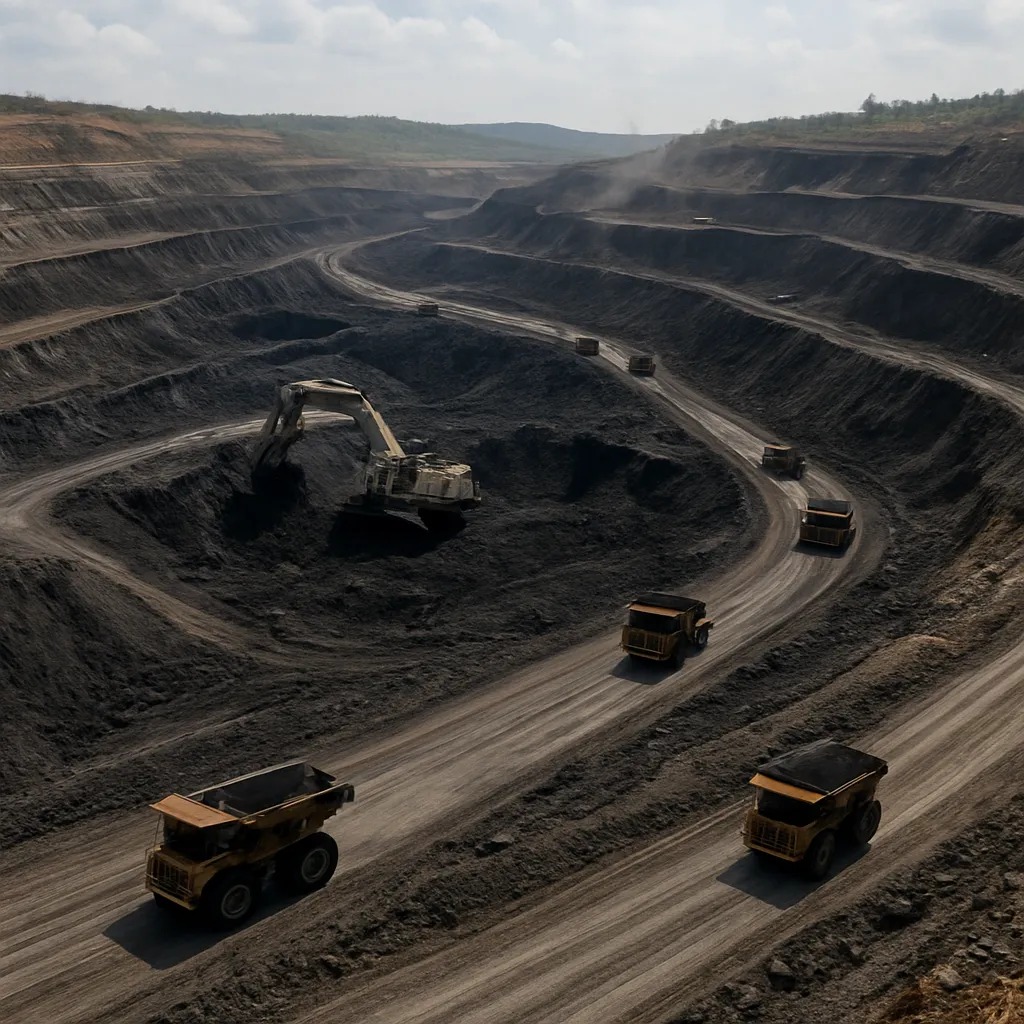
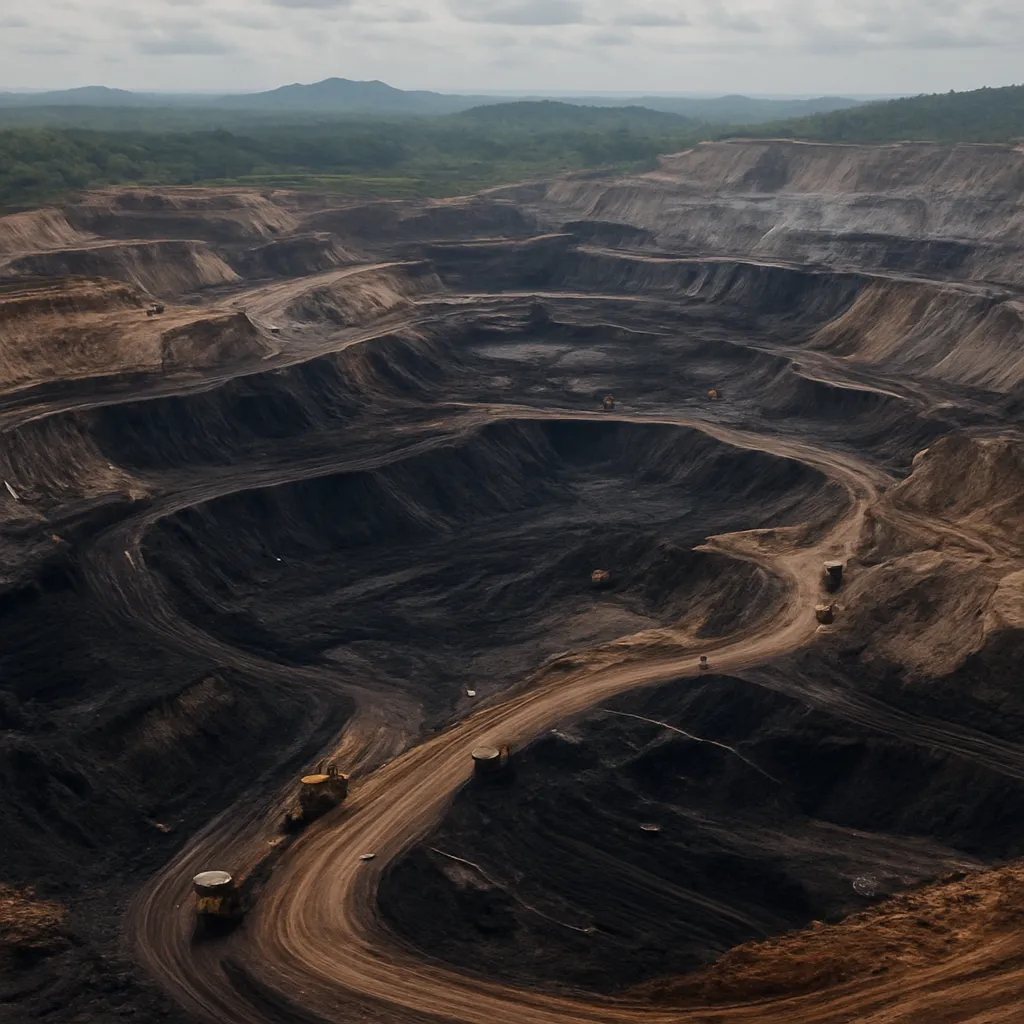
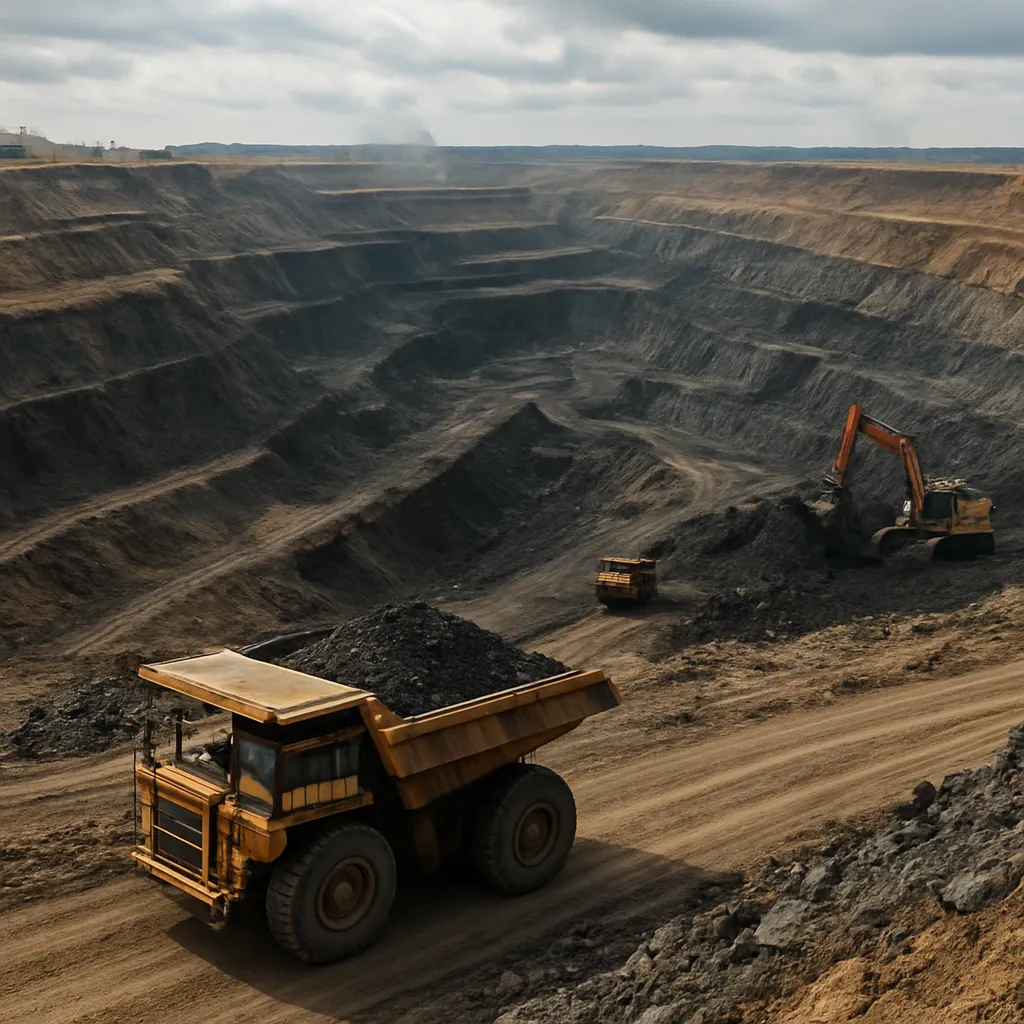
Mining at Sonepur typically uses either opencast (surface) or shallow underground methods depending on seam depth, thickness and economic factors. In many Indian coalfields, opencast mining is favored when geology permits because of its economic efficiency and high extraction rates. Opencast methods at Sonepur involve progressive removal of overburden, deployment of heavy earthmoving machinery, haulage by dump trucks and loading for rail transport. Where seams are deeper or land constraints are significant, mechanized underground mining (bord-and-pillar or bord-and-stow) may be employed.
Key operational elements include:
- Pre-mining geological and hydrogeological studies to map seam distribution and water inflows.
- Progressive environmental management plans for overburden placement, topsoil preservation and rehabilitation.
- Dust control, noise mitigation and water management systems to limit impacts on local communities.
- Onsite coal handling plants for sizing, screening and blending.
- Rail loading facilities or conveyor connections to mainline rail to move coal to power plants and customers.
Mechanization levels at mines such as Sonepur vary; while some operations are highly mechanized with draglines, shovels and continuous miners, smaller or older sections may use more conventional equipment and manual labor. Mechanization influences productivity, safety and employment patterns.
Economic importance and market role
Sonepur Mine contributes to multiple aspects of the local and regional economy. As a producer of energy-grade coal, it helps feed thermal power plants that are fundamental to India’s electricity system. Coal remains the backbone of India’s power generation fleet: historically contributing between roughly 60% and 75% of electricity generation depending on the year and seasonal dynamics.
Economic impacts of the mine include:
- Direct employment: mining operations, transport, maintenance, geology and administrative staff.
- Indirect employment: contractors, service providers, local suppliers, truckers and ancillary businesses.
- Local revenue generation: royalties, taxes and in some cases development funds supporting local infrastructure, schools and healthcare.
- Industrial supply linkage: steady coal deliveries to nearby power stations and industries reduce fuel supply risk for manufacturing and municipal electricity supply.
At the national scale, India is one of the world’s largest coal producers. While precise output from the Sonepur Mine depends on operational scale and investment, the mine is part of the larger coal supply chain on which India’s energy security depends. Nationally, India’s coal production has historically been in the range of several hundred million tonnes per year (with total production crossing the 700–900 million tonne band in recent years when including captive and commercial production). Coal accounts for a significant share of primary energy consumption, and mines such as Sonepur feed that demand.
Statistical context and production figures
Specific public production figures for Sonepur Mine are not always available in centralised public datasets, especially for smaller sites or those under private/captive ownership. However, some contextual statistics useful to understanding Sonepur’s place in the sector:
- India’s proven coal reserves are often cited as in the order of hundreds of billions of tonnes (estimates commonly referenced are around the 300–320 billion tonne range for demonstrated geological reserves), giving the country a significant long-term domestic supply base.
- National coal production in the 2010s and early 2020s typically ranged from about 700 to 900 million tonnes per year when combining production by Coal India Limited, subsidiaries, Singareni, captive mines and private producers.
- Electricity generation in India has relied on coal for roughly two-thirds of total generation on an annual basis, though the precise share varies by season and year as renewables and gas capacity evolve.
- Typical mine productivity and employment figures vary widely: large opencast sites can produce multiple million tonnes per year with a few thousand direct employees, while smaller or underground mines produce far less and employ different labor mixes.
If and when operator or government reports specifically enumerate Sonepur’s annual production, those figures would provide specific tonnage, seam grades and operational capacity. In their absence, it is reasonable to place Sonepur within the broader regional production matrix — a contributor to east India’s coal supply chain serving power and industrial consumers.
Infrastructure, transport and logistical links
Transport infrastructure is vital for any mine’s commercial success. Mines like Sonepur typically rely on a combination of:
- Rail connections to major trunk lines for bulk movement of coal to thermal power stations, ports (for limited export or coastal movement) and industrial hubs.
- Road connections for short-haul distribution and movement of equipment, supplies and personnel.
- Onsite conveyors, stockyards and coal handling plants to ensure loading efficiency.
Reliability of rail links and the presence of coal handling terminals at receiving plants reduce turnaround times and improve the economics of coal delivery. Investment in conveyor systems and mechanized rail loading can significantly cut transport costs and reduce emissions and dust during handling.
Social and environmental considerations
As with many coal mining sites, Sonepur faces a series of environmental and social challenges that must be managed responsibly. Key issues include:
- Land use change and displacement: opencast mining requires substantial land, and operations may necessitate resettlement of communities or changes in agricultural land use.
- Air quality: dust from blasting, overburden movement and coal handling can affect local air quality; mitigation includes dust suppression, covered conveyors and regular monitoring.
- Water management: mining alters surface water and groundwater regimes. Proper dewatering, treatment of mine discharge and protection of drinking water sources are critical.
- Rehabilitation: progressive backfilling, landscaping and reforestation of exhausted benches are necessary for long-term land restoration.
- Occupational safety: maintaining safe conditions for mine workers, ensuring adequate training and emergency preparedness are core responsibilities of operators.
Social programs—education, healthcare, skill development and local procurement—are commonly used to build positive community relations. Regulatory frameworks in India require environmental clearances, public consultations and compliance with pollution and rehabilitation norms; how effectively these are implemented at any site, including Sonepur, determines local outcomes.
Role in regional industry and linkages to power generation
Sonepur’s strategic value is largely derived from supplying thermal coal to regional power stations, industrial boilers and sometimes to cement and brick manufacturing where coal remains a primary heat source. Coal supply stability from mines like Sonepur helps maintain grid reliability and supports industrial output.
Blending strategies are commonly used to meet specific calorific value requirements of power plants: higher-grade coal may be blended with lower-grade consignments to achieve contractual specifications. The presence of nearby washeries and quality-control systems reduces the need for costly blending at the power plant end and improves thermal efficiency in combustion units.
Regulatory framework and ownership models
India’s coal sector historically involved state-owned firms (Coal India Limited and subsidiaries, Singareni Collieries) and various public-private structures. Since policy reforms of the late 2010s and early 2020s, the government opened up coal block allocations, auctions and captive mining to private players under regulated frameworks. Some mines operate under long-term leases, captive-use arrangements for specific industrial consumers, or as commercial producers selling into the market via e-auctions and long-term supply agreements.
Sonepur’s ownership and operational management—whether state entity, private consortium or captive industry mine—shapes priorities (commercial sale vs captive supply), investment in mechanization and environmental compliance approaches. The regulatory framework requires environmental clearances, land acquisition approvals and mining leases issued by state and central authorities.
Future prospects, modernization and transition challenges
The future of Sonepur Mine is tied to both the near-term reality of India’s energy mix and the longer-term transition dynamics toward lower-carbon options. Key factors shaping prospects include:
- National energy demand growth: continued demand for reliable baseload power keeps thermal coal relevant for the medium term.
- Efficiency and emissions controls: upgrading washing, combustion efficiency and emissions control at receiving plants improves coal’s environmental footprint and can lengthen mine life through higher demand for improved-grade coal.
- Economic competitiveness and investment: availability of capital for mechanization, mine expansion and environmental mitigation influences productivity and social outcomes.
- Policy and market shifts: growth of renewables, energy storage and commitments to net-zero targets creates uncertainty but also provides incentives to optimize coal use and reduce environmental impacts through cleaner coal technologies.
For Sonepur specifically, modernization could involve higher mechanization, investments in onsite beneficiation and stronger community development programs. At the same time, operators face the task of planning for a long-term energy transition by maximizing resource recovery while minimizing environmental liabilities.
Interesting facts and broader context
- Many Indian coal mines, including those in the Sonepur vicinity, are situated in regions with rich cultural and agricultural traditions; mining therefore coexists with diverse local livelihoods.
- Technological improvements—such as continuous miners, automated haulage and real-time monitoring—are gradually reaching more mines, raising productivity and safety standards.
- The Indian coal sector has seen policy changes aimed at improving transparency in allocations and stimulating investment, thereby affecting local mines’ access to capital and markets.
- While India’s long-term climate goals encourage a shift away from unabated coal use, domestic coal remains central to economic development in many regions, making mines like Sonepur important to local employment and revenues for the foreseeable future.
In sum, the Sonepur Mine exemplifies a typical Indian coal operation embedded in the country’s larger energy system. It produces primarily thermal coal with the characteristics common to the Gondwana basins—variable calorific values and notable ash content—and plays a practical role in feeding regional electricity and industrial needs. The mine’s economic footprint includes direct and indirect employment, revenue generation and contribution to regional industrial stability. At the same time, Sonepur faces the standard environmental and social challenges of coal mining, requiring robust mitigation and community engagement. Its medium-term future will depend on operational modernization, regulatory compliance and how national energy policy balances immediate energy security needs with longer-term decarbonization goals.