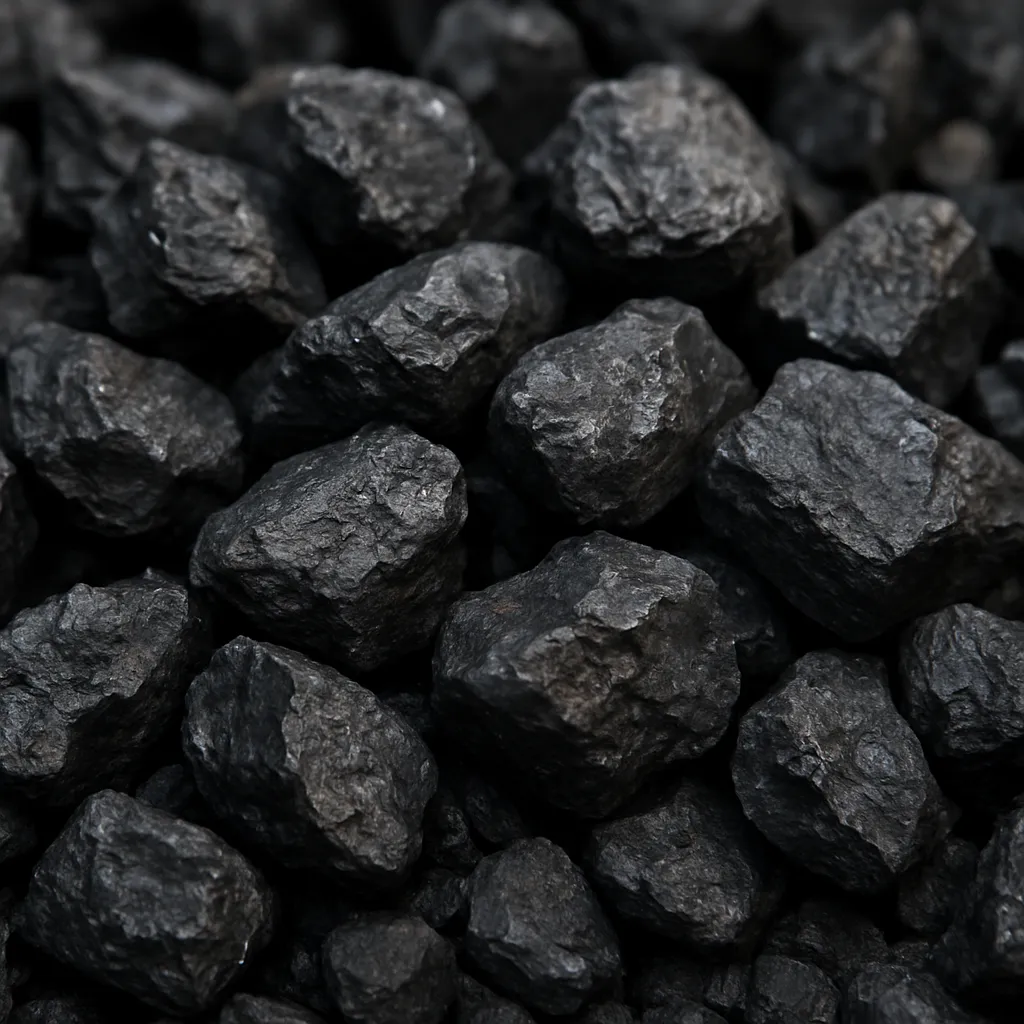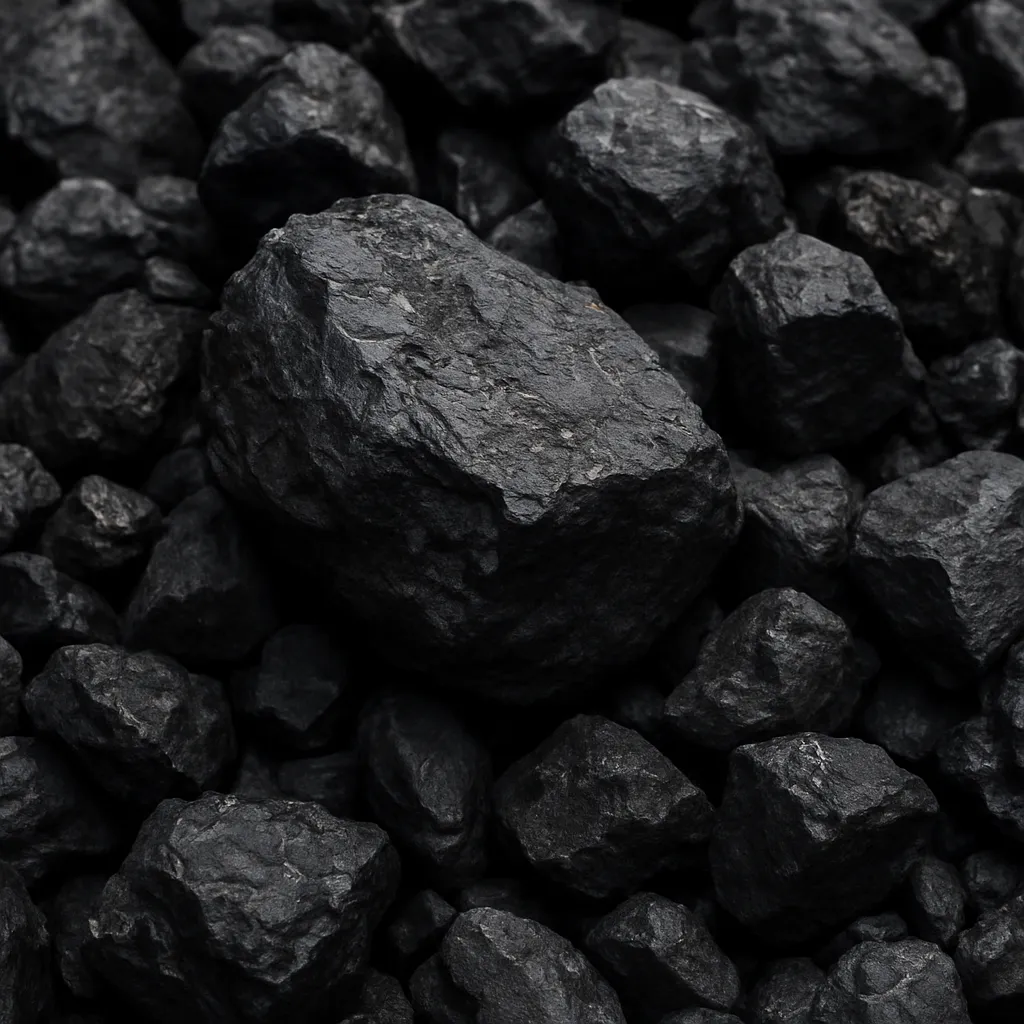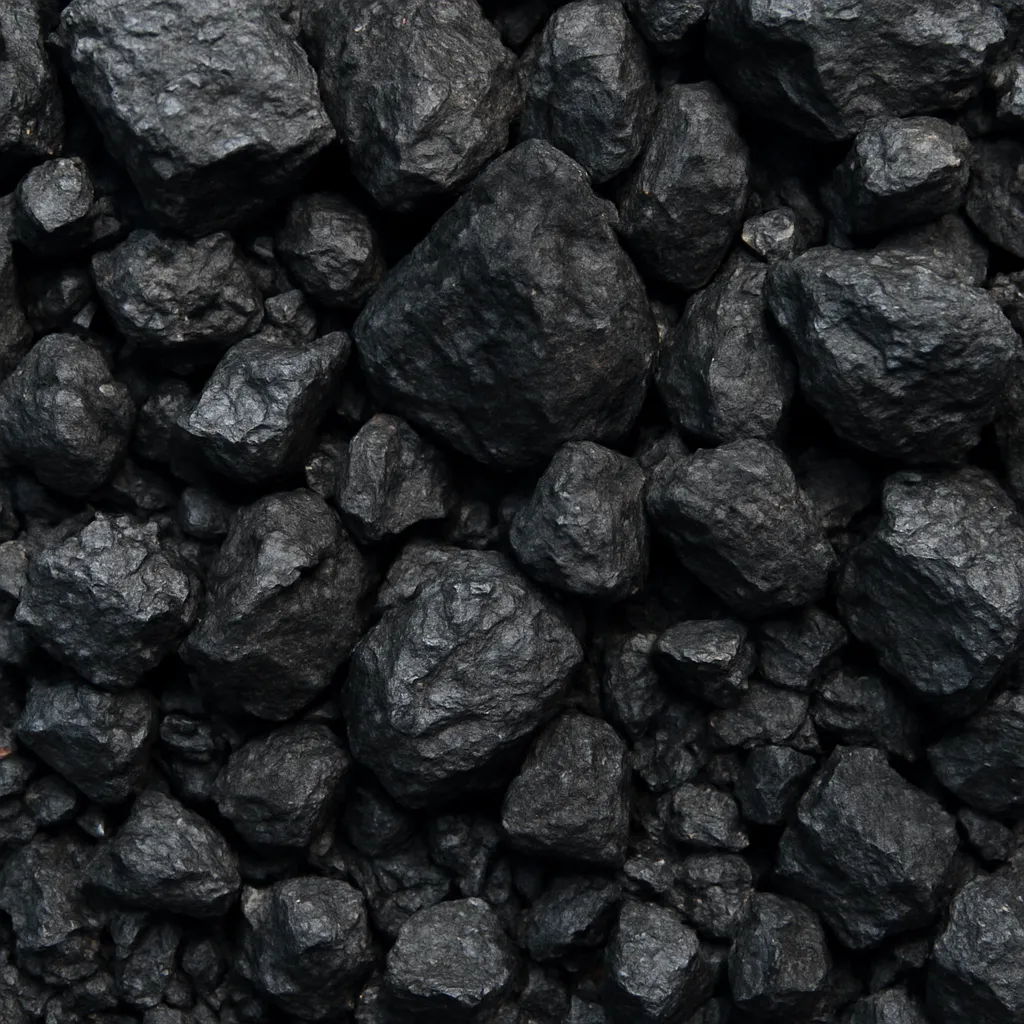
Soft coking blend coals occupy a special place in the global coal and steel industries. They are neither the hardest, most strongly caking coking coals nor simple thermal coals; instead they act as essential ingredients in carefully designed blends that produce high-quality coke for traditional ironmaking. This article explains what soft coking blend coal is, where it is found and mined, its economic and industrial importance, statistical perspectives on production and trade, environmental and regulatory challenges, and emerging trends that will shape its future.
Geological nature and technical properties
Soft coking blend coal (often called soft coking coal or weakly caking coal) refers to a group of coals of lower rank than hard coking coals but that nevertheless show some plasticity and swelling characteristics when heated in the absence of air. These physical and chemical responses during carbonization are what make them useful in blends for cokemaking.
Key technical characteristics
- Plasticity and caking behavior: Soft coking coals show moderate plasticity and can partially fuse and form a coherent mass during heating. Measurable indices include the Gieseler plastometer values, Free Swelling Index (FSI) and crucible swelling numbers (CSN).
- Volatile matter and fixed carbon: They typically have higher volatile matter than hard coking coals but sufficient fixed carbon to contribute to coke strength. Typical volatile matter ranges are broad (20–35% on a dry basis), depending on rank.
- Ash and sulfur: Quality is affected by ash and sulfur contents. Lower ash (<10–12%) and low sulfur (<1–1.5%) are preferred to minimize impurities in coke and downstream steelmaking.
- Blend role: Soft coking coals do not usually form strong coke on their own; instead they are blended with stronger coking coals to produce the desired coke quality (measured by coke strength after reaction — CSR — and coke reactivity index — CRI).
The value of a soft coking coal lies in how it modifies the coke characteristics: it can improve coke reactivity, reduce costs (as it is often cheaper than premium hard coking coal), and help tailor coke porosity and mechanical properties for specific blast furnace conditions.
Occurrence and major producing regions
Soft coking coals are geologically widespread. They are typically associated with bituminous coal seams that formed under conditions producing intermediate coal ranks. Major coal basins that produce coals used as soft coking components include basins in Australia, Russia, China, the United States, Canada, Colombia, South Africa, Poland and Mongolia. Distribution and specific seam characteristics vary by region.
Regional overview
- Australia — Australia is the world’s leading exporter of seaborne metallurgical coal. While the Bowen and Surat Basins (Queensland) and parts of the Hunter Valley (New South Wales) are famous for premium hard coking coals, a variety of softer coking coals and PCI (pulverized coal injection) coals are also mined and blended to meet coke oven requirements.
- Russia — The Kuzbass (Kemerovo) and eastern Siberian basins provide a large share of Russia’s metallurgical coal. Coals from these regions include both strong and softer coking types used domestically and exported to Europe and Asia.
- China — China has extensive coal resources in Shanxi, Shaanxi, Inner Mongolia and Heilongjiang, some of which serve metallurgical needs. Domestic production is oriented to internal steelmaking, with soft coking coals included in many blends.
- United States and Canada — Appalachian and Illinois Basin coals in the US, and western Canadian coals, include seams used for coking blends, particularly for domestic coke plants and export markets.
- Colombia — A rising seaborne supplier of metallurgical and thermal coals; some Colombian coals are used as blending components for cokemaking and PCI markets.
- South Africa and Poland — Both countries have long histories of metallurgical coal use. Polish Upper Silesian coals include coking varieties used in local steel and coke plants.
- Mongolia and Kazakhstan — Regions with substantial coal reserves that increasingly supply metallurgical coal and soft coking blends to neighboring markets, notably China.
Exact seam names and quality parameters vary; some deposits yield coals that are inherently soft coking, while in other basins relatively thermal coals are upgraded by washing and beneficiation to serve as blend components.
Mining, processing and blending practices
Production of soft coking blend coal involves typical coal mining techniques as well as post-extraction processing tailored to cokemaking specifications. The overall goal is to supply a blend that, when carbonized in coke ovens, produces coke with the necessary mechanical strength, reactivity and minimal impurities.
Mining and beneficiation
- Mining methods include both underground and open-pit operations depending on seam depth and geology.
- Washing and screening are commonly used to reduce ash and sulfur, which improves the coal’s value as a coking blend component.
- Drying and dewatering steps may be applied to control moisture before shipment.
Blending and cokemaking
- Coke blends are formulated using laboratory and pilot-scale coking tests. Parameters such as FSI, Gieseler plastometer readings, and CSN inform the blending ratios.
- Typical industrial practice mixes several coals (strong coking, medium and soft coking, and PCI coals) to achieve target coke quality at minimum cost.
- Process control in industrial coke ovens monitors coking time, temperature profile and emissions; soft coking coals can influence oven permeability and volatile matter evolution.
Because soft coking coal can be less expensive than premium hard coking coal, it plays an important role in cost optimization. However, careful metallurgical testing is essential because substituting too much soft coking coal can degrade coke strength and affect blast furnace performance.
Economic and statistical overview
Metallurgical coal markets are a subset of the broader global coal market and are significantly influenced by steel demand, international trade flows, and supply-side disruptions. Soft coking coals are traded both domestically (to nearby coke plants) and internationally as part of blended cargoes.
Production and trade patterns
- Global metallurgical coal (coking coal, including both hard and soft types) production has historically represented roughly 10–15% of total global coal output. Global coal production in recent years has been on the order of several billion tonnes annually; by approximation, metallurgical coal production is often cited in the low hundreds of millions of tonnes per year.
- Australia is the largest seaborne exporter of metallurgical coal, accounting for a substantial share (often above one-third) of global seaborne metallurgical coal exports. Russia, the United States, Canada, Colombia and Mozambique are other important exporters.
- Major importers of seaborne metallurgical coal include China, Japan, South Korea, India and European countries. China combines domestic production with imports to meet steel industry needs.
Price trends and market drivers
- Prices for metallurgical coal have been volatile. For example, supply disruptions, logistics bottlenecks, and demand surges around 2020–2022 led to sharp price increases in both hard coking coal and PCI markets. Historical spot prices for premium coking coal occasionally surged to several hundred US dollars per tonne in times of tight supply.
- Soft coking coals, being lower in price relative to premium hard coking coal, are sensitive to variations in domestic production and washing capacity. Their demand is tied to the health of the steel sector and coke plant throughput.
- Changes in tariffs, export restrictions, and trade policies—especially by large producers—can rapidly shift regional availability and price structure of blend components.
Value chain economics
The economics of soft coking blends are complex. Factors affecting value include:
- Coal quality adjustments via washing and beneficiation (capital and operating costs).
- Transportation — rail and port logistics are major cost components; long-distance seaborne trade favors countries with competitive logistics (e.g., Australia).
- Coke yield and quality — better blends produce higher-yielding, stronger coke, reducing downstream costs in blast furnace operation.
- By-product values — value from coke oven by-products (tar, benzene, ammonia) can partially offset coke production costs in integrated plants.
Importance in the steel industry and industrial applications
Coke is essential for traditional blast furnace ironmaking: it serves as a fuel, a reducing agent, and a structural support for the burden inside the furnace. The properties of coke influence furnace permeability, gas flow, and reduction kinetics. Soft coking blend coals, while not sufficient alone to produce top-grade coke, are crucial components of blends that optimize both performance and cost.
Role in blast furnace and beyond
- Blast furnace operation — Coke quality (strength, size stability, reactivity) impacts furnace productivity, coke rate (kg coke per tonne of hot metal), and campaign life.
- Pig iron quality — impurities from coal ash and sulfur can carry through unless controlled by blending and downstream refining.
- PCI (pulverized coal injection) — some soft coking coals, after grinding, find use as PCI coals to partially replace coke and reduce overall coke consumption; their volatile characteristics and combustion behavior are important for injection performance.
- By-products — oven gas, coal tar and other chemicals derived from cokemaking support chemical industries in regions with integrated operations.
Environmental, social and regulatory aspects
Cokemaking and the use of coking coal are associated with environmental impacts that attract regulatory attention and community scrutiny. These include greenhouse gas emissions, air pollutants, wastewater from coke plants and land disturbance from mining.
Environmental considerations
- CO2 emissions from cokemaking and blast furnaces are substantial. Steelmaking using coke is one of the larger industrial sources of CO2, driving interest in decarbonization strategies.
- Air pollutants — volatile organic compounds (VOCs), particulate matter, sulfur oxides and nitrogen oxides are emitted during cokemaking and coal combustion, requiring treatment systems and emission controls.
- Water and soil impacts — coal washing and coke oven effluents require careful management to prevent contamination.
- Land and biodiversity — open-pit mining and tailings disposal influence local ecosystems; reclamation and mine closure planning are increasingly regulated.
Regulatory and market responses
- Carbon pricing, emissions trading systems and regulatory limits on pollutants can increase the effective cost of coking coal-based steelmaking.
- Public policy encouraging low-carbon steel (through incentives or procurement standards) influences the long-term demand for traditional coke and its blend components.
- Some jurisdictions have tightened permitting for new cokemaking facilities; existing plants increasingly invest in emission controls and by-product recovery to reduce environmental footprint and improve economics.
Future trends, innovations and strategic considerations
The future of soft coking blend coal is intertwined with trends in global steel demand, technological innovation, and decarbonization policies. Several pathways and innovations are reshaping the role of coal in iron and steel production.
Technological developments
- Advanced blending and quality prediction — greater use of laboratory simulation, machine learning and assay data to design cost-effective blends while maintaining coke performance.
- Alternative ironmaking routes — direct reduced iron (DRI) using natural gas or hydrogen, and electric arc furnaces (EAF) using scrap steel, reduce dependence on coke; however, many regions will continue to rely on blast furnace routes for years due to infrastructure and raw material constraints.
- Carbon capture and utilization/storage (CCUS) — integration of CCUS with cokemaking and blast furnace operations could lower the carbon footprint of traditional steelmaking and extend the viable life of coal-based supply chains.
- Improved cokemaking processes — modern ovens with better heat recovery and emission controls make cokemaking cleaner and more efficient.
Market and geopolitical dynamics
- Concentration of reserves and exporter strategies mean that geopolitical events and trade policies can rapidly alter seaborne availability and prices.
- Consumer-country policies (e.g., import restrictions or sustainability criteria) may shift sourcing patterns—buyers increasingly seek traceability and lower-emission supply chains.
- Investment in local beneficiation and washing plants can turn lower-grade coals into valuable blend components, shifting economic benefits closer to mining regions.
Interesting facts and practical considerations
Several lesser-known aspects about soft coking blends are of practical interest to industry professionals and observers:
- Not all coking coal is equal — even coals with similar proximate analyses can behave differently during coking; therefore empirical testing is indispensable.
- Blends can be optimized to reduce coke cost per tonne of hot metal even if some premium coal is part of the mix — the objective is whole-process performance, not just minimizing the price of coal input.
- Coke yield matters — small changes in blend composition can alter coke yield (kg coke per tonne coal), and because coke is invaluable to blast furnace operation, yield optimization has direct economic impact.
- Research into “eco-coke” and carbon-efficient cokemaking seeks to retain the function of coke while reducing environmental impact through additives, improved oven design and process integration.
- Historical perspective — the evolution of cokemaking technology over more than a century shows continuous adaptation: from by-hand coal charging and primitive ovens to today’s highly instrumented batteries and gas cleaning systems.
Concluding observations and outlook
Soft coking blend coal will remain relevant for as long as conventional blast furnace steelmaking persists. It provides an economically important lever for steelmakers to balance performance and cost by tailoring blends rather than relying solely on scarce premium hard coking coals. At the same time, environmental pressures and alternative steelmaking technologies create uncertainty for long-term demand. Markets for soft coking blends will be shaped by a combination of metallurgical research, investment in processing and emissions control technologies, and strategic decisions by major producers and consumers. Regions with competitive mining, beneficiation capacity and efficient logistics are likely to maintain or grow their roles as suppliers, while innovation in cokemaking and steelmaking pathways will determine how quickly reliance on coal diminishes. Key factors to watch include global steel output trends, carbon policy developments, and investments in CCS and hydrogen-based ironmaking.
The technical complexity of cokemaking and the economic importance of properly designed blends make soft coking coals indispensable today — and a subject of intense focus as the steel industry seeks both competitiveness and sustainability.