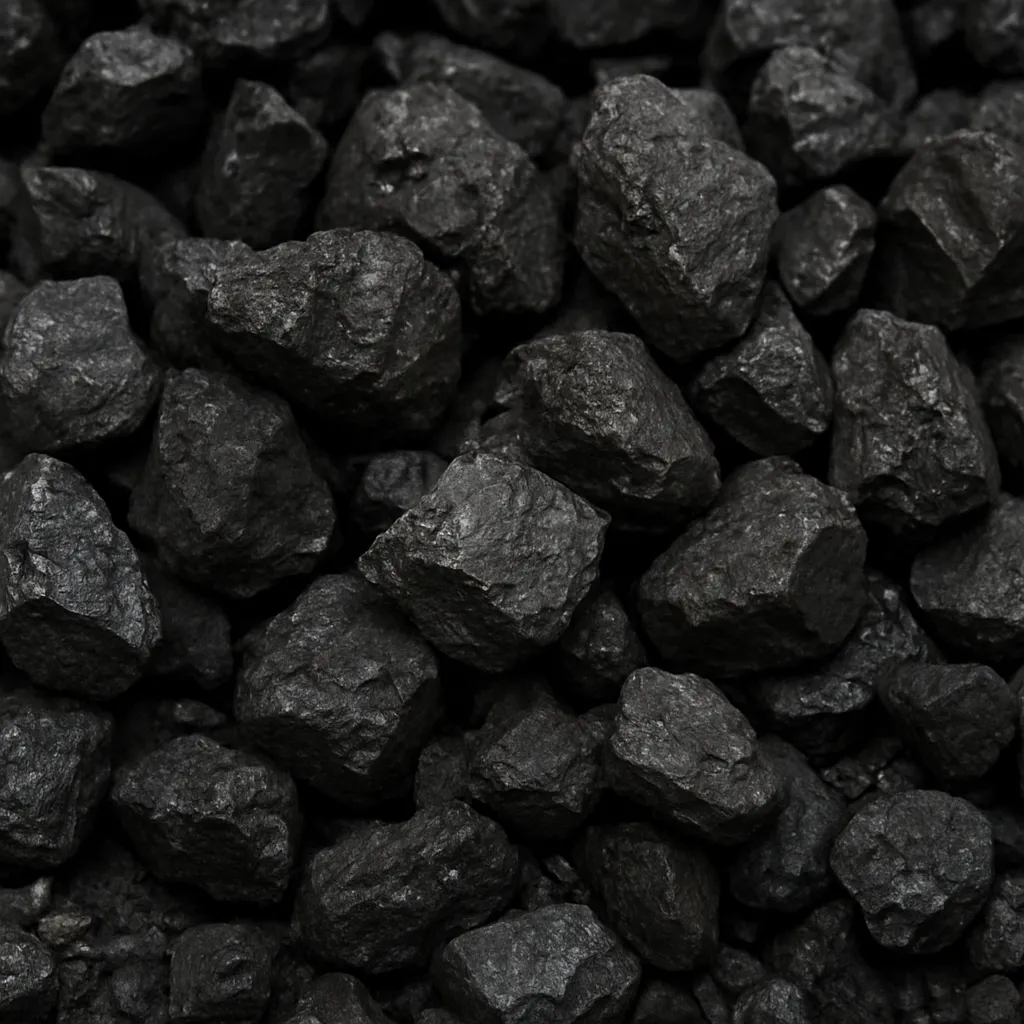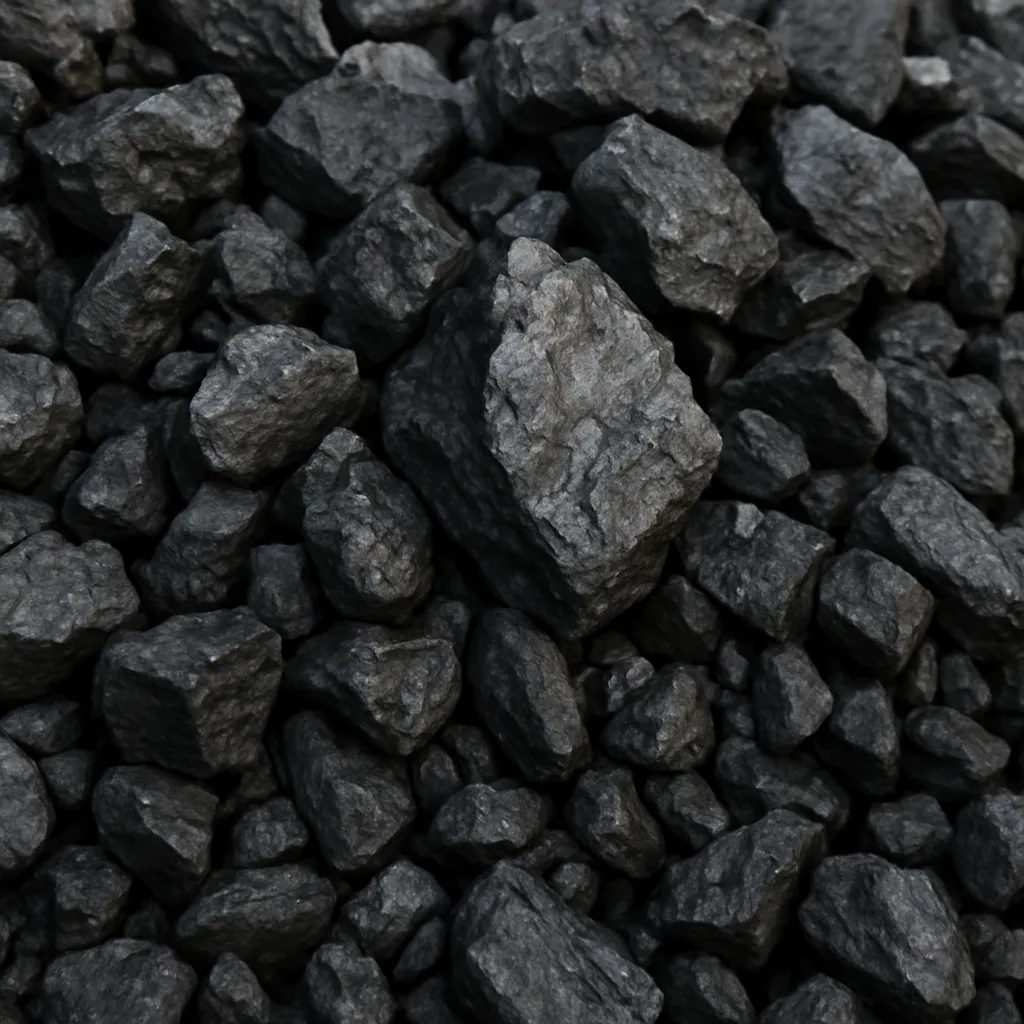
Hard coking blend coal plays a pivotal role in the global metals and energy complex. This specialized grade of metallurgical coal is blended and processed to produce high-strength coke, an essential reducing agent and structural support in traditional steelmaking using the blast furnace route. In this article we explore the geological nature and technical properties of hard coking coal, where it is found and mined, key economic and trade statistics, its industrial significance, environmental and technological trends that affect its future, and other notable facts that illustrate why this commodity remains critical to modern industry.
Geology, Properties and Blending: What Makes a Hard Coking Blend
Nature and rank of coking coals
Hard coking coal (HCC) belongs to the family of bituminous coals that exhibit particular plasticity and caking behavior when heated in the absence of air. Under controlled pyrolysis in coke ovens, these coals soften, swell, and resolidify into a porous, strong carbonaceous residue called coke, which must support the burden inside a blast furnace while enabling gas and liquid flows. The intrinsic properties needed include a combination of volatile matter, fixed carbon, and an appropriate vitrinite/maceral composition. Laboratory metrics such as fluidity tests, petrographic analysis and mechanical strength of the produced coke determine suitability for high-quality blends.
Blending principles and the “blend” concept
A hard coking blend is rarely a single seam coal; it is typically a carefully constructed mixture of coals with complementary attributes to achieve a target coke quality. Blending aims to deliver consistent plasticity, optimal swelling characteristics and a high coke strength after reaction. Blends often include hard coking coals as the backbone, combined with semi-soft or even some non-coking coals to adjust cost and metallurgical performance. Industrial customers (coke producers and steel mills) therefore value reliability and predictable performance in delivered blends.
Key physical and chemical characteristics
- High fixed carbon and low ash content—gives high calorific value and less furnace slag burden.
- Moderate to low sulphur and phosphorus—important to avoid steel contamination.
- Appropriate volatile matter—controls plasticity and coking behavior.
- Petrographic composition—vitrinite-rich coals usually caking and usable for coke production.
Where Hard Coking Coal Occurs and Where It Is Mined
Geographical distribution
Deposits of commercially coking coal are distributed across multiple geological basins worldwide. Major producing and exporting regions include Australia, Russia, North America (United States and Canada), China, India, Mongolia, and parts of South Africa and Colombia. The most prized export volume of hard coking coal tends to come from basin settings with thick, high-rank seams such as the Bowen Basin (Australia), Kuznetsk Basin (Kuzbass, Russia), and certain deposits in Canada (British Columbia) and the Appalachian region (USA).
Major producing countries and trade roles
- Australia — the world’s largest seaborne exporter of metallurgical coal; Australian HCC is widely used by steelmakers in Asia and beyond.
- Russia — significant producer and exporter, supplying both Europe and Asia; domestically also a large consumer for its integrated steel industry.
- United States and Canada — meaningful production with established trade to global markets, as well as internal use in steel plants.
- China and India — large producers but also major consumers; China has substantial domestic production but imports HCC to supplement domestic supplies for higher-grade coke production.
- Mongolia and Colombia — exporters that have increased their presence on the seaborne market, with Mongolia notably supplying China.
Mining methods and logistics
Hard coking coal is mined by both underground and open-pit methods depending on seam depth and geology. Logistics and port infrastructure are crucial: seaborne shipping is the backbone of international trade, and proximity to deepwater ports significantly enhances the competitiveness of producing regions. Rail systems linking mines to ports (e.g., in Australia, Russia, Canada) are strategic assets for the coking coal industry.
Economic and Statistical Overview
Global production and consumption
Exact year-to-year numbers fluctuate with market conditions, but metallurgical coal (including hard coking coal) represents a substantial segment of the global coal market. In recent years, global production of metallurgical coal has been measured in the hundreds of millions of tonnes annually. Consumption is driven primarily by the steel sector: crude steel production typically exceeds 1.8–2.0 billion tonnes per year, and historically around 60–75% of steel is made via the blast furnace-basic oxygen furnace (BF-BOF) route that relies heavily on coke. Consequently, the steel sector is the dominant consumer of hard coking coal.
Seaborne trade and export shares
The seaborne market for coking coal is particularly important because several high-quality HCC producers are remote from end-user markets. Australia dominates seaborne exports, often accounting for roughly 40–50% (or more) of global coking coal exports. Other exporters such as Russia, the United States, Canada and Colombia collectively supply significant volumes. Importers include major Asian steel-producing nations—China, Japan, South Korea, India—where demand for coke quality and consistency is high.
Price dynamics
Prices for hard coking coal are cyclical and sensitive to steel demand, supply disruptions, weather events, mine strikes and geopolitical developments. The period between 2020–2023 demonstrated high volatility: demand recovery after the COVID-19 shock, combined with logistical bottlenecks and geopolitical tensions, pushed spot prices to multi-year peaks at times. Price swings can be dramatic: contract prices are often negotiated quarterly or annually between suppliers and steelmakers, while spot market prices respond rapidly to short-term imbalances. For producers and consumers, price volatility translates into revenue risk and procurement challenges.
Employment and regional economic impact
In producing regions, hard coking coal mining supports significant employment, both directly in mining operations and indirectly in transport, port services and equipment supply chains. For some export-dependent economies, metallurgical coal exports are a substantial source of foreign exchange and regional economic activity. Conversely, regions with heavy reliance on coal mining face long-term challenges in diversification as global steel decarbonization efforts gain momentum.
Industrial Significance: Steelmaking and Beyond
Role in traditional steelmaking
Hard coking coal is the foundational feedstock for producing coke used in blast furnaces. The qualities of coke—mechanical strength, porosity, and reactivity—directly influence blast furnace performance, productivity, energy consumption, and steel quality. High-grade coke supports higher productivity, lower coke rates per tonne of hot metal, and operational stability.
Downstream uses and byproducts
Coke ovens not only produce coke but also generate coke oven gas and extract valuable chemical byproducts such as benzene, toluene and naphthalene. These byproducts have industrial uses in chemical manufacturing and energy recovery, adding to the economic value of coke-making operations. In foundries, coke remains important for melting and holding furnaces where a high-quality reducing atmosphere and fuel are required.
Alternatives and process evolution
Technological pathways exist that reduce reliance on coking coal: Direct Reduced Iron (DRI) technologies using natural gas (or hydrogen in emerging pilots) and electric arc furnaces (EAF) depend less (or not at all) on coke. Many steelmakers are pursuing DRI-EAF routes to cut carbon intensity. However, globally the transition is gradual: many integrated steel plants will continue to rely on coke for years or decades, particularly in regions where energy sources for DRI are limited or costly.
Environmental, Regulatory and Transition Issues
Emissions and environmental footprint
Coke production and blast furnace steelmaking are among the more carbon- and pollutant-intensive industrial processes. Carbon dioxide emissions, particulate matter, volatile organic compounds and other pollutants arise from coking and coke utilization. Environmental regulation has tightened in many jurisdictions, increasing the costs of compliance for coke oven operators and prompting investments in emissions control, waste heat recovery, and byproduct utilization systems.
Decarbonization pressures
The global push to decarbonize the steel sector imposes long-term demand uncertainty for hard coking coal. Policies incentivizing low-carbon steel, carbon pricing, and corporate sustainability commitments encourage investments in DRI, hydrogen-based reduction and improved scrap-based recycling with EAFs. Nevertheless, because roughly two-thirds (variable by region) of current crude steel production still uses BF-BOF, demand for HCC is not expected to disappear overnight—especially where capital costs and energy availability make rapid conversion impractical.
Technological responses
Coke plants and steelmakers are adopting multiple measures to reduce environmental impact: better energy efficiency in ovens, recovery and use of coke oven gas, advanced emission control systems, and partial substitution strategies (e.g., pulverized coal injection to lower coke rates). Research into carbon capture and storage (CCS) and novel processes that integrate low-carbon hydrogen with reduced coal inputs offer pathways to preserve some role for metallurgical coal in a lower-emission steel industry.
Market Risks, Geopolitics and Strategic Considerations
Supply security and geopolitical risk
Because the highest-quality coking coals are geographically concentrated, geopolitical events, trade restrictions, and transport disruptions can quickly create global ripple effects. Steelmakers often seek diversified sourcing and long-term contracts to mitigate risk. Strategic stockpiles, vertical integration (mine ownership by steelmakers), and investment in alternative routes are common risk-management responses.
Investment cycles and mine development
Investment in new HCC mines is capital-intensive and faces long lead times from exploration to commercial production. Cyclical prices influence the pace of development: strong margins spur new projects, while price downturns delay or cancel investments. Environmental permitting and social license to operate have become increasingly important determinants of project feasibility, affecting project timelines and costs.
Key Statistics and Recent Trends (Indicative)
Global steel and coal interplay
- Global crude steel production has typically ranged near 1.8–2.0 billion tonnes annually in recent pre- and post-pandemic years, a primary driver for metallurgical coal demand.
- Seaborne metallurgical coal trade is dominated by a handful of exporters: Australia often accounts for roughly 40–50% of exported volumes, with Russia, the Americas and Colombia making up most of the rest.
- Blast furnace routes historically consume the majority of metallurgical coal, with the share of BF-BOF steelmaking commonly cited in the range of 60–75% depending on regional industrial structure.
Note: specific annual volumes and price series vary by source and year; numbers above are indicative trends rather than precise annual statistics. Buyers and analysts typically consult agency reports (energy agencies, trade associations, commodity research firms) for up-to-date tonnages and contractual price benchmarks.
Interesting and Less-Known Facts
- Not all coals that burn well make good coke: coking behavior is a particular set of properties that must be tested in the laboratory; some coals are non-caking despite high calorific value.
- Coke strength after reaction (CSR) and coke reactivity index (CRI) are vital metrics used by steelmakers to assess coke suitability under blast furnace conditions.
- Coke ovens are complex chemical factories. In addition to coke, they produce a range of chemicals that historically underpinned coal chemical industries in many countries.
- Hard coking blends can often be tailored to specific furnace designs and operational philosophies—some steelworks prefer higher-strength coke to enable higher furnace burden or specific pellet use.
- In some regions, long-term contracts and mine-ownership by steelmakers reduce spot market dependence, creating distinct market segments between spot and contract volumes.
Outlook and Conclusions
Hard coking blend coal remains a strategic raw material for the global steel industry. While technological and policy trends are pushing steelmaking toward lower-carbon routes, the large installed base of BF-BOF plants and the superior metallurgical performance of coke mean HCC will remain an important commodity for the medium term. Market dynamics—driven by steel demand, mine capacity, export infrastructure, and geopolitical events—will continue to produce price volatility. Industry stakeholders face the twin challenges of managing near-term commercial risk while investing in pathways that reduce carbon intensity and secure a long-term, sustainable supply of metallurgical inputs.
Overall, the future of hard coking coal is tied closely to the pace of industrial transformation in steel, the economics of alternative technologies, and policy frameworks that price or regulate carbon and emissions. For producers, consumers and policymakers alike, balancing economic value, energy security and environmental responsibility will define the role of HCC in the decades ahead.