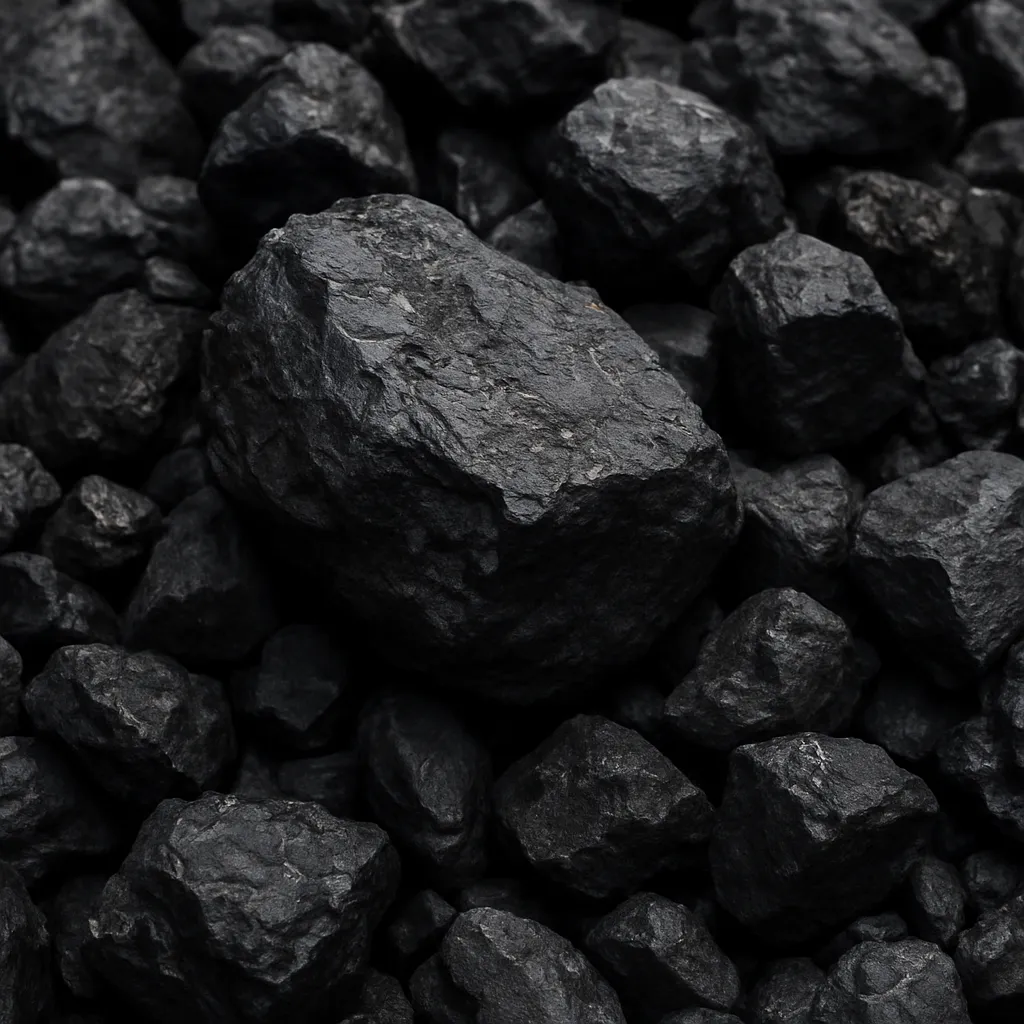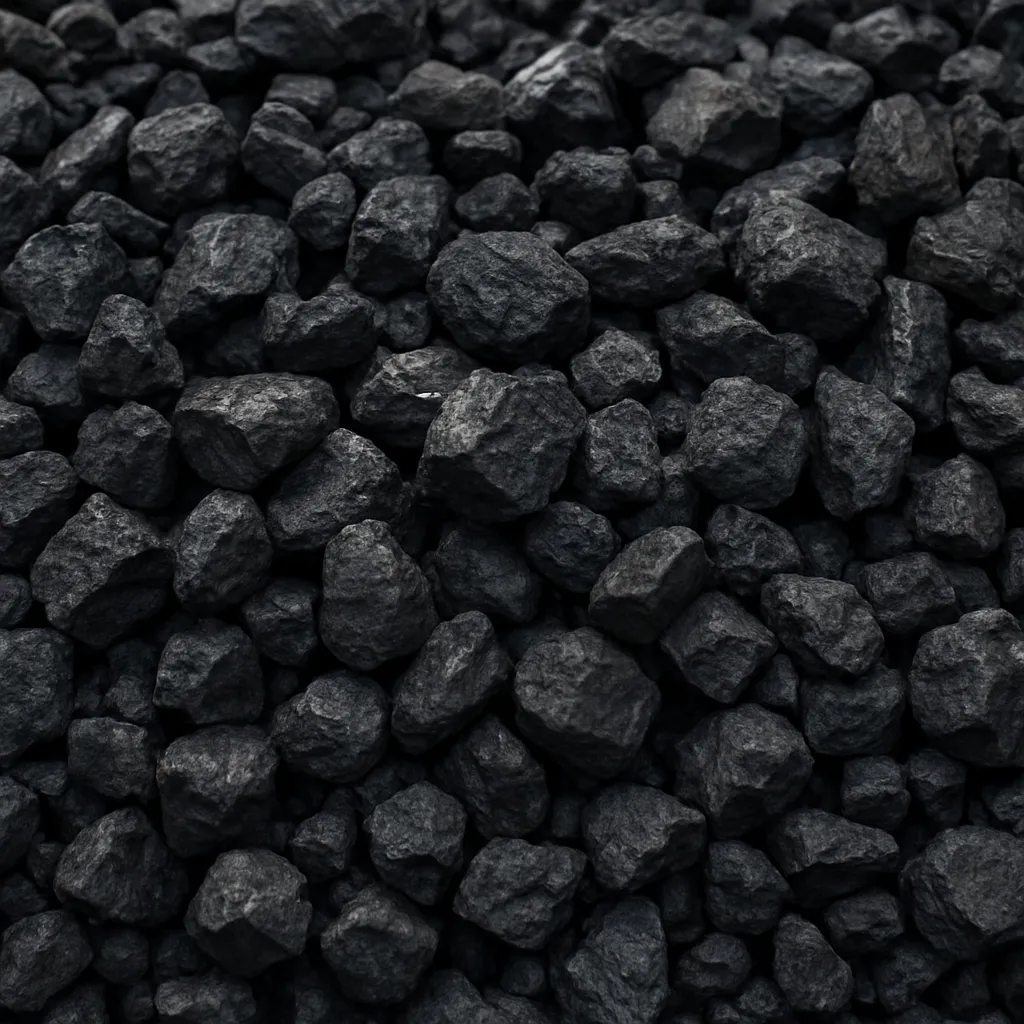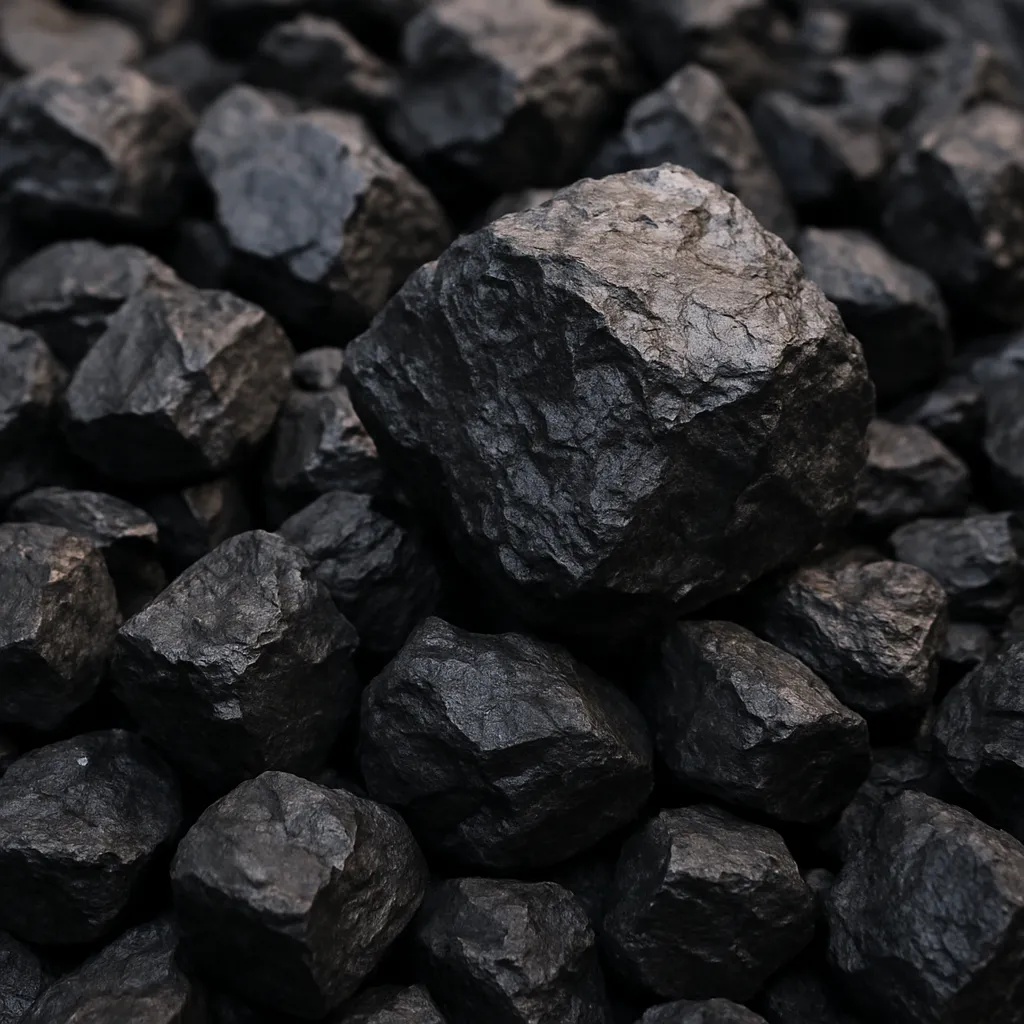
Super-premium coking coal occupies a niche but critical position in the global energy and metals complex. This special grade of coking coal is prized for its exceptional physical and chemical properties that produce strong, porous coke — a vital reducing and structural material in traditional iron and steelmaking. The following article explores where super-premium coking coal occurs, how and where it is mined, its economic and trade dynamics, its technological importance in industry, environmental implications, and prospects for the market and technology. Throughout the text, key terms and concepts are emphasized for clarity.
Geology, Characteristics and Occurrence
What makes a coal “super-premium”?
The term super-premium coking coal refers to coals that rank among the highest quality for metallurgical purposes. These coals typically have a combination of favorable traits: high fixed carbon, low inherent moisture, low ash and sulfur content, a reactive but thermally stable structure on heating, and strong caking/coking properties. Such coals yield high-quality coke with excellent mechanical strength and low reactivity in the blast furnace environment. Industry tests that quantify these properties include the Free Swelling Index (FSI), Gieseler plastometer results, volatile matter, and coke strength metrics such as Coke Strength after Reaction (CSR) and Coke Reactivity Index (CRI).
Typical rank and petrographic features
Super-premium coking coals are usually high-volatile to medium-volatile bituminous coals, sometimes approaching semi-anthracitic rank, with a high proportion of vitrinite macerals and favorable petrographic composition. The high vitrinite content contributes to good plasticity during heating and to the formation of coherent coke structure. Low inertinite, minimal mineral matter (ash), and low sulfur and phosphorus are desirable since impurities reduce coke strength and can poison steelmaking processes.
Major geological provinces and basins
These coals occur in well-known coal-bearing basins worldwide. Among the most important are:
- Bowen Basin and Hunter Valley (Australia) — source of much of the world’s premium seaborne coking coal, especially from Queensland and New South Wales.
- Kuznetsk Basin (Kuzbass), Russia — a major producer with significant reserves of high-quality metallurgical coal.
- Appalachian and Illinois Basins (United States) — historically important metallurgical coals, with a mix of underground and surface mining operations.
- Basins in China (e.g., Shanxi, Shaanxi) — large domestic supply but variable quality; China also imports premium coals to blend.
- Indian coalfields (e.g., Jharia, Raniganj) — contain high-grade coking coals but constrained by geology and mining challenges.
- British Columbia and Alberta (Canada) — produce premium coking coal for export markets.
Mining, Processing and Quality Enhancement
Extraction methods
Super-premium coals are extracted both by open-pit (surface) mining and underground methods, depending on geology and seam depth. Large scale open-cut operations in Australia often produce extensive volumes of premium coal with mechanized draglines and truck-shovel fleets. Underground longwall mining is common in Russia, China, and parts of Europe, delivering consistent seam quality but with higher operational complexity.
Washing, blending and preparation
Raw run-of-mine coking coal almost always undergoes beneficiation. Washing and dense medium separation reduce ash and sulfur content and increase the proportion of usable coking fraction. The washed product is then blended to meet coke oven and blast furnace specifications: blends combine coals with complementary plasticity, volatile matter, and swelling properties to produce coke with target CSR/CRI scores and mechanical strength. Super-premium coals often command a price premium because they reduce or eliminate the need for extensive blending with lower-grade coals.
Quality metrics used commercially
Key commercial metrics that determine value include:
- Free Swelling Index (FSI) — measures coal’s tendency to swell and form coke.
- Coke Strength after Reaction (CSR) and Coke Reactivity Index (CRI) — indicate coke performance under blast furnace conditions.
- Ash, sulfur, phosphorus contents — contaminants that lower metallurgical value.
- Fixed carbon and volatile matter — affect coke yield and oven behaviour.
High-performing coals that deliver strong coke with low reactivity are designated as super-premium and attract the highest prices on the seaborne market.
Global Production, Trade and Economics
Production and trade patterns
The global market for metallurgical coal is smaller than the thermal coal market but economically vital. The seaborne trade in coking (metallurgical) coal has typically been on the order of roughly 180–220 million tonnes per year in recent years, with some year-to-year variation driven by economic cycles, steel demand and supply-side disruptions. A substantial share of that trade is composed of premium coals that can be classified as super-premium.
Major exporters of seaborne coking coal include:
- Australia — the largest seaborne supplier, often responsible for about half of the traded volume. Australian mines in Queensland and New South Wales supply much of the super-premium product.
- Russia — significant exporter of metallurgical coal from Kuzbass and other regions.
- United States — produces premium metallurgical coals, particularly from the Appalachian region, for domestic and export markets.
- Canada — Atlantic and Pacific ports facilitate exports of high-quality coking coal.
Major importers are steel-producing nations such as Japan, South Korea, European countries, and parts of Southeast Asia and South Asia. China and India are both large steel producers; China relies on a mix of domestic production and imports for high-quality blends, while India is a major importer of premium coking coal due to limited domestic availability of high-grade metallurgical coal.
Price dynamics and market drivers
Prices for super-premium coking coal are highly cyclical and sensitive to:
- Global steel demand — tied to construction, automotive and heavy industry cycles.
- Changes in supply — mine outages, weather disruptions, labor strikes, and geopolitical events can rapidly tighten markets.
- Logistics and freight rates — seaborne exports depend on shipping capacity and port infrastructure.
- Policy and trade barriers — tariffs, export controls and environmental regulations can alter flows.
When supply is tight or blast furnace utilization is high, super-premium coking coal commands steep price premiums over ordinary metallurgical and thermal coals. Conversely, rapid growth in electric arc furnace (EAF) steelmaking or greater scrap availability can reduce demand for coking coal and compress prices.
Value chain and revenue impacts
Because super-premium coking coal reduces blending needs and produces higher-yield, stronger coke, integrated steel producers are willing to pay significant premiums for consistency and performance. For mining companies, premium coking coal often underpins higher margin operations; revenues are a function of both volume and the grade premium. Export-oriented mining regions invest in rail and port infrastructure to maximize access to lucrative Asian markets, particularly for super-premium products.
Industrial Significance and Technical Uses
Role in iron and steel production
The single most important industrial use of super-premium coking coal is in the production of coke for blast furnaces. Coke serves two primary functions in blast furnaces: it is a chemical reductant, donating carbon to reduce iron oxides to metallic iron, and a mechanical support that forms the permeable burden allowing gases to flow through the furnace. Higher-quality coke improves furnace stability, reduces consumption of reductants, and can improve hot metal quality. This makes super-premium coal especially valuable where blast furnaces run at high throughput or where metallurgical performance margins are tight.
Foundry and specialty applications
Beyond blast-furnace coke, certain exceptionally low-ash, low-sulfur coals are used to make foundry coke and other specialized carbon products for metallurgical furnaces and the chemical industry. Coke oven by-products — tar, light oils, ammonia and benzene compounds — form a valuable chemical stream for industrial processing, adding revenue streams to coke production.
Substitution and technology trends
The steel industry is evolving. Electric arc furnaces (EAFs), which mainly use recycled steel scrap and rely far less on coking coal, have grown market share. Direct Reduced Iron (DRI) technologies, especially gas-based DRI, also reduce dependence on metallurgical coal. Nonetheless, a large portion of global crude steel continues to be produced via the blast furnace-basic oxygen furnace (BF-BOF) route, and for those operations super-premium coking coal remains indispensable. Additionally, coal can be used indirectly in some DRI processes (coal-based DRI) where natural gas is scarce, preserving a role for metallurgical coal under certain regional energy regimes.
Environmental, Social and Future Considerations
Emissions and decarbonization challenges
The use of coking coal in blast furnaces is carbon-intensive. Coke production and BF-BOF steelmaking are significant sources of CO2 emissions in the industrial sector. For countries and companies committed to decarbonization pathways, reducing reliance on metallurgical coal is a priority: strategies include switching to EAFs powered by renewable electricity, increasing scrap usage, deploying hydrogen-based direct reduction, and applying carbon capture, utilization and storage (CCUS) at scale in integrated steel plants and coke ovens.
Community, health and reclamation issues
Mining of super-premium coal, as with all coal mining, carries social and environmental costs: land disturbance, water use and contamination risks, dust and particulate emissions, and impacts on local communities and indigenous lands. Modern operations increasingly incorporate progressive land rehabilitation, water management, and community consultation. Legal and reputational risks have incentivized companies to adopt best-practice environmental and social governance (ESG) standards.
Market resilience and strategic stockholding
Because high-quality coking coal is both geographically concentrated and crucial for steelmaking, governments and steelmakers sometimes maintain strategic stockpiles or diversification strategies to secure supply. This strategic value became particularly visible when logistics or geopolitical tensions constrained supply, revealing the vulnerability of integrated steel operations to premium coal shortages.
Statistics and Trends — Contextual Figures
Some headline facts and contextual statistics to frame the discussion:
- Global crude steel production has been on the order of roughly 1.8–1.9 billion tonnes per year in recent years, making steel one of the largest industrial commodity markets by volume.
- Seaborne trade of metallurgical coal typically ranges in the ballpark of 180–220 million tonnes annually; a meaningful share of this trade is premium and super-premium coal.
- Australia supplies approximately 45–55% of the seaborne metallurgical coal market, making it the dominant exporter of premium coals.
- Major importing economies for premium coking coal include Japan, South Korea, Europe’s integrated steel producers, and parts of South and Southeast Asia; China and India, while large steel producers, also participate actively in the seaborne market for specific premium grades.
- Typical blend use in a blast furnace can require between 0.5 and 0.8 tonnes of coking coal equivalent per tonne of crude steel, depending on technology and recycling rates — a range that illustrates how changes in steelmaking routes materially affect metallurgical coal demand.
Outlook and Strategic Considerations
Short to medium term
In the near term, demand for super-premium coking coal will largely track global industrial activity and the pace of steel production via BF-BOF mills. Infrastructure investment cycles, automotive production, and construction trends influence steel demand and, consequently, metallurgical coal markets. Supply-side events — mine ramp-ups, closures, and interruptions — will continue to generate price volatility.
Long-term transformation
Over the long term, the industry faces structural change as decarbonization strategies take hold. The speed and scale of EAF and hydrogen-based DRI adoption will be a major determinant of future metallurgical coal demand. Meanwhile, opportunities for specialty uses of premium coal — in high-value foundry coke and certain carbon products — could sustain a base-level demand for super-premium grades even as bulk demand declines.
Investment and policy implications
For mining companies, investments in high-quality reserves and efficient logistics remain attractive business propositions while the premium market lasts. For steelmakers and policymakers, securing diversified sources, investing in coke and furnace efficiency, and accelerating low-carbon steel technologies are central to reducing exposure to volatile premium coal markets and to meeting climate commitments.
Interesting and Lesser-Known Facts
- Historically, the availability of high-grade coking coal was a key determinant in where steelmaking centers developed — regions with premium coals often became industrial heartlands.
- Coke ovens are not only a source of coke but also produce chemical by-products that form a small but valuable chemical industry in some regions.
- Not all coking coals are interchangeable — small differences in petrographic composition can change blending requirements and furnace performance, explaining the consistent market premium paid for super-premium quality.
- Advances in coal-washing technology and blend engineering can, in some cases, upgrade lower-quality feedstocks sufficiently to reduce reliance on the most expensive super-premium coals.
Concluding Perspectives
Super-premium coking coal remains a high-value commodity with outsized importance relative to its trade volume. It underpins traditional blast-furnace steelmaking by enabling the production of strong, low-reactivity coke and contributes to industrial chemical streams. The market for these coals is geographically concentrated, price-sensitive and exposed to both short-term disruptions and long-term structural change driven by decarbonization and technological substitution. For the foreseeable future, however, super-premium coking coal will continue to play a central role where integrated steel production persists, while concurrently facing pressure from environmental policies and technological shifts toward lower-carbon steelmaking pathways.
Key highlighted concepts in this article: super-premium, coking coal, metallurgical coal, coke, blast furnace, Bowen Basin, Kuznetsk, exports, demand, sustainability.