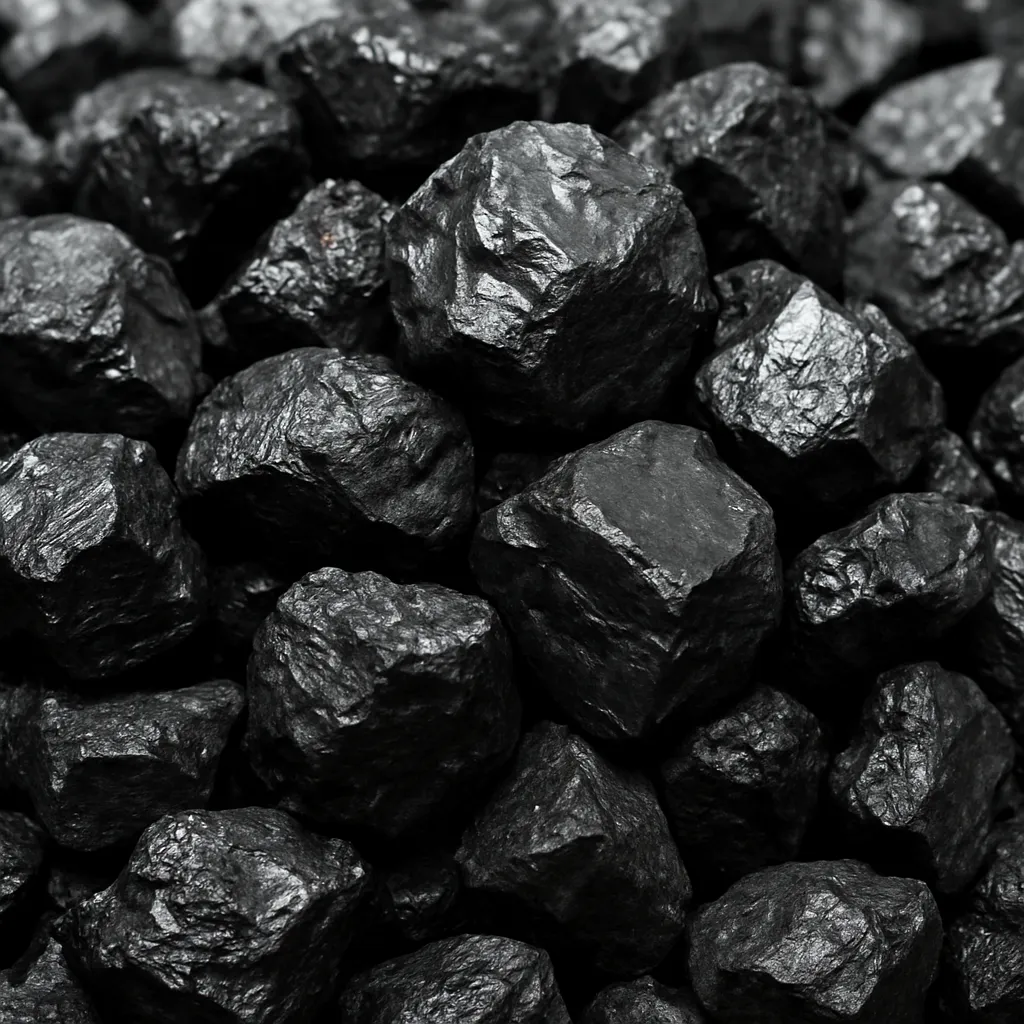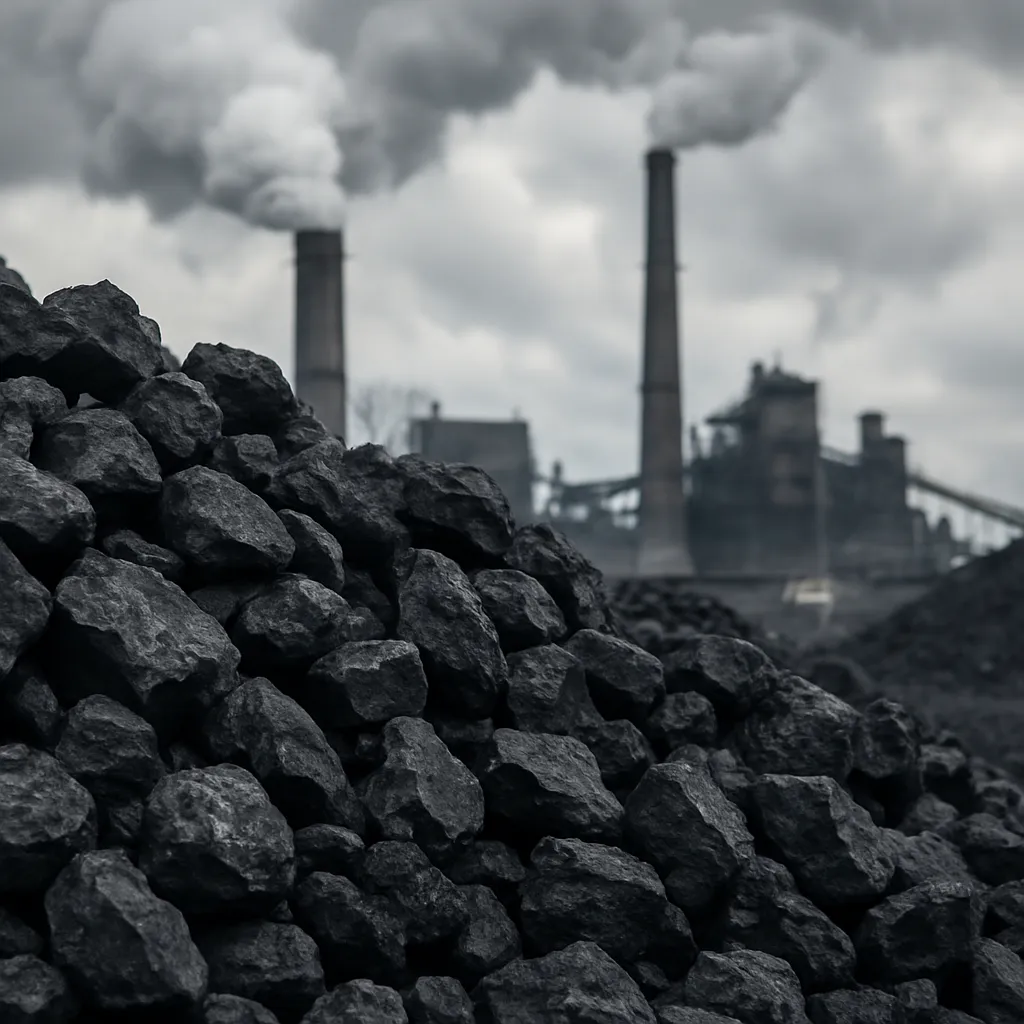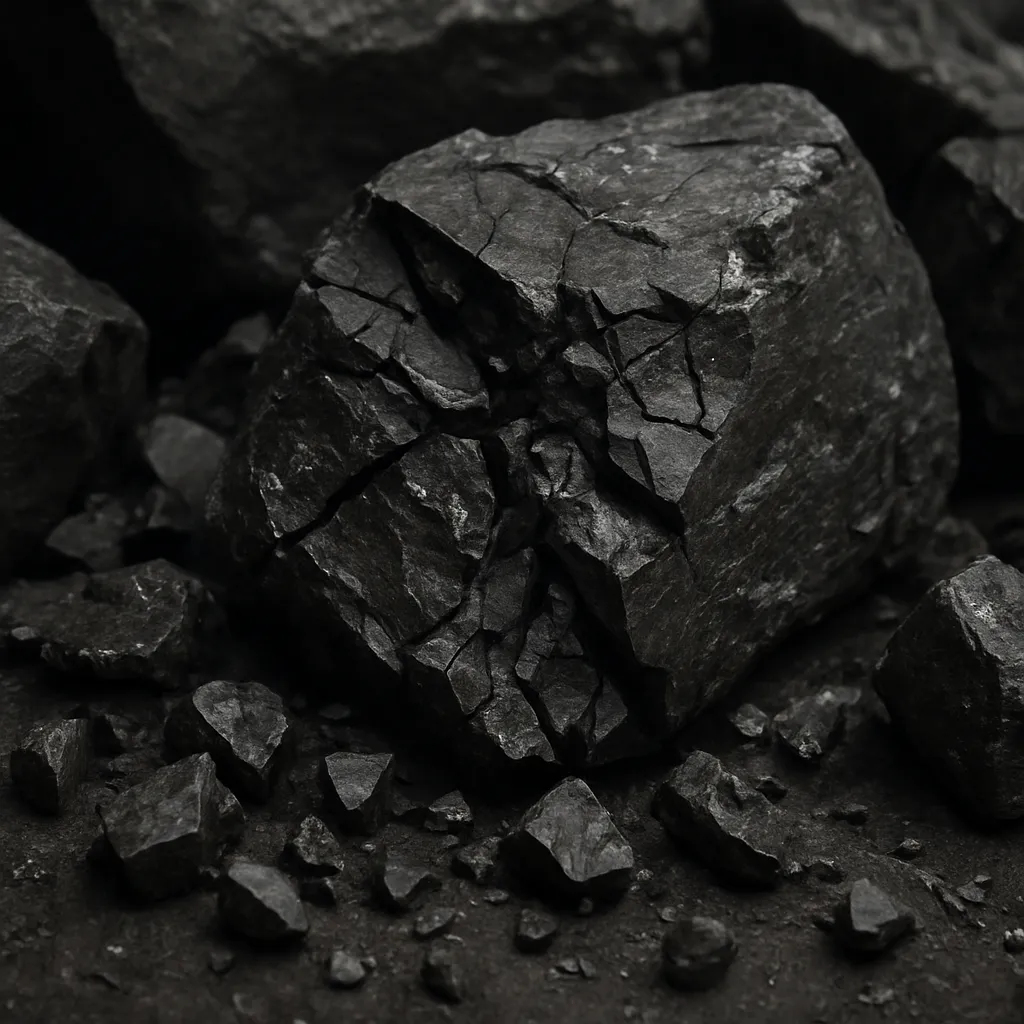
The phenomenon of coal that readily breaks into smaller pieces during extraction and handling — commonly referred to as shatter-prone coal — presents a set of geological, operational and economic challenges across the global coal industry. This article describes the geological causes and distribution of such coal, identifies areas where it is commonly encountered, outlines the mining and processing consequences, summarizes available economic and statistical context, and explores mitigation measures and future trends. The goal is to provide a comprehensive view for industry professionals, policymakers and researchers concerned with production efficiency, product quality and mine safety.
Geological nature, physical properties and occurrence
Not a formal coal rank, the term shatter-prone refers to mechanical behaviour: seams or tons of coal that disintegrate into a high proportion of small fragments and fines during excavation, blasting, loading, transport and processing. The tendency to shatter is controlled by a combination of coal petrography, microstructure, bedding and cleat systems, in situ stress, gas content and weathering.
Physical properties and mechanisms
- Vitrinite content and maceral composition: Coals rich in certain macerals (e.g., high vitrinite content) may be more brittle or, conversely, more plastic under stress depending on rank and maturity. The micro-constituents influence fracture propagation.
- Cleat and jointing geometry: Well-developed natural fractures (cleats) create planes of weakness. When these are closely spaced and poorly cemented, coal will break along them, forming fines.
- Microfractures and weathering: Oxidation along cleats and near-surface weathering weaken the coal matrix, increasing brittleness.
- Gas and moisture: Methane and other gases influence mechanical behaviour; rapid gas release or pressure changes can cause fragmentation. Moisture content affects strength and the propensity to crumble during handling.
- Stress relief and mining-induced loading: Rapid decompression (as during tunnel or longwall face advance) and dynamic stresses from blasting or cutting cause strain energy release and brittle failure.
Where shatter-prone coal is found
Shatter-prone behaviour is not restricted to a single coal rank or basin; it has been documented in a wide variety of coalfields worldwide. Common locations and contexts include:
- Deep, high-stress basins where rapid unloading occurs during mining (examples: parts of the Appalachian Basin in the United States, some Russian basins).
- Basins with intricate cleat systems and highly fractured seams (examples reported from the Upper Silesian Coal Basin in Central Europe and certain Chinese coalfields).
- Bowen and Surat Basins in Australia where certain seams yield a high proportion of fines during mechanised extraction.
- South African Highveld and Indian Gondwana coals, where geological heterogeneity and weathering zones can produce friable coal near shallow seams.
Because geological variability is high, the exact local distribution of shatter-prone coal is typically determined by site-specific geotechnical and petrographic testing rather than by basin-scale generalization.
Mining, processing and industrial impacts
The presence of shatter-prone coal affects almost every stage of the coal value chain. Its economic and operational consequences are significant for miners, processors, utilities and metallurgical customers.
Operational challenges in extraction
- Increased fines generation: High proportions of particles below optimal sizing reduce saleable product and cause handling difficulties. Fines often demand additional cleaning, dewatering and briquetting steps.
- Equipment wear and downtime: Fine abrasive material increases wear on conveyors, feeders, crushers and washery equipment, raising maintenance costs and reducing productivity.
- Reduced productivity: When seams shatter, longwall faces and continuous miners can experience reduced advance rates due to clogging, frequent maintenance and the need for selective cutting.
- Blasting and control complexities: Mine planners must adjust blasting patterns and mechanical cutting strategies to minimize fragment generation, often sacrificing short-term extraction rates.
- Dust and explosion hazards: High fines increase airborne dust concentrations, elevating safety risks and requiring more stringent dust suppression and explosion mitigation measures.
Processing, product quality and market impacts
Shatter-prone coal complicates downstream processing and reduces the market value of several product types:
- Thermal coal: Excessive fines are harder to transport and burn efficiently in pulverized fuel systems; they can increase unburned carbon and slagging tendencies in boilers.
- Coking coal: Metallurgical customers require specific size fractions and fluidity characteristics. Fragmentation can dilute or destroy the particle size distribution needed for high-quality coke, reducing the coal’s value for steelmaking.
- Washability and yield loss: Fine material often reports to slimes in washeries and cannot be recovered economically, resulting in yield loss and higher treatment costs.
- Logistics and shipping: High fines content raises the risk of dust during loading and transport and may trigger contractual penalties or require additional measures such as wetting, coating or briquetting.
Economic and statistical perspective
Comprehensive, globally harmonised statistics specifically categorizing the fraction of coal that is shatter-prone are not generally compiled by major international bodies; the issue is typically captured in operational metrics (fines generation, washery yields, product downgrades) reported by individual mines or companies. Nevertheless, it is possible to place the phenomenon in the broader context of the coal industry.
Global coal production and market context (approximate figures)
- Global coal production in recent years has ranged roughly between 7 and 8 billion tonnes per year (raw coal basis) depending on demand and policy changes.
- Major producing countries include: China (roughly half of global production), India (several hundred million tonnes per year), the United States, Australia, Indonesia and Russia. Exact annual figures vary by source and year.
- Coal remains a major source of electricity generation worldwide, supplying roughly one-third of global electricity in the early 2020s; however, its share is gradually declining in many regions due to renewables and policy-driven phase-downs.
Within this global context, shatter-prone behaviour translates into measurable economic penalties for operators:
- Yield losses: In mines with severe fragmentation, fines and slimes can represent a substantial share of extracted mass. Industry reports and case studies commonly cite generation of fines in the range of 5–30% of raw tonnage in problem operations; the exact value depends on geology and mining methods.
- Price discounts: Metallurgical coals lose value if they fail to meet sizing and quality specifications. Discounts can range from single-digit percentages to large penalties if coking performance is compromised or the coal is downgraded to steam coal.
- Capex and opex increases: Investments in additional screening, washing, briquetting, dust suppression and specialised handling increase both capital expenditure and operating costs. Studies show that specialised fines recovery and agglomeration plants can add tens of millions of dollars to project costs in medium-to-large operations.
Data limitations and typical on-site metrics
Because shatter-prone behaviour is a site-specific problem, the industry monitors several operational indicators rather than compiling a single global statistic:
- Percentage of product passing a given sieve size (e.g., material < 0.5–1 mm).
- Washery yield and rejects (tonnes of saleable coal per tonne of ROM).
- Maintenance costs and unplanned downtime attributed to abrasive fines.
- Dust monitoring indices and associated occupational safety incident rates.
These metrics are used by mine managers and processing engineers to quantify the economic impact and to evaluate the cost–benefit of mitigation measures.
Mitigation, processing solutions and best practices
Numerous approaches can reduce the negative effects of shatter-prone coal. The best strategy is multispectral: combine geological knowledge, mining practice adjustments, processing innovations and product management.
Pre-mining and mining controls
- Detailed geotechnical and petrographic mapping: Core logging, image analysis, and mechanical tests (e.g., point load, uniaxial compressive strength) identify brittle zones ahead of extraction.
- Selective mining and mine sequencing: Avoiding the most friable benches, or mining them with specialised methods, reduces fines production.
- Controlled blasting and low-impact extraction: Using mechanical cutting rather than high-energy blasts, and optimising blast design, minimises fragmentation.
- Real-time monitoring systems: Vibration, face stability and fragmentation size monitoring enable on-the-fly adjustments to cutting speed and support.
Processing and product recovery
- Advanced screening and classification: Multi-stage screens and hydrocyclones separate fines early for dedicated treatment.
- Fine coal technologies: Flotation, centrifugation, enhanced gravity separation and wet high-intensity magnetic separation (where applicable) recover value from fines.
- Agglomeration and briquetting: Fine coal can be compressed into briquettes for sale to power stations or for coking blends if properties permit; binders and thermal treatment restore handleable product dimensions.
- Co-product markets: Some fines can be diverted to alternative uses (e.g., carbon products, activated carbon precursors) where local market conditions exist.
Safety and environmental controls
- Dust suppression systems (water sprays, surfactants) and enclosed conveyors reduce airborne dust and explosion risk.
- Enhanced ventilation and methane management reduce the combined hazard of fine coal dust and gas.
- Slurry management and tailings treatment are critical when fines are wet-processed; dewatering and stable disposal minimise environmental footprint.
Significance for industry, policy and future directions
The existence and management of shatter-prone coal are important not only for immediate mine economics but also for broader policy and industrial strategy.
Implications for metallurgical and thermal coal markets
In metallurgical supply chains, consistent particle size and plasticity are essential. Shatter-prone coal can complicate long-term contracting, reduce steelmaker confidence, and push buyers toward blended solutions or alternative sources. For thermal coal markets, fines require additional handling and may be less attractive for export markets with strict contractual specifications.
Investment, plant design and regional economies
Regions with abundant shatter-prone seams may require higher initial capital investment to reach acceptable product yields. This can affect project feasibility, local employment and the regional value chain. Conversely, investments in fines recovery and value-adding (briquetting, carbon products) can create new economic opportunities.
Research and innovation needs
Key areas for future progress include:
- Better predictive models linking coal petrography and in situ stress to fragmentation outcomes.
- Low-energy, low-fines extraction methods and cutter technologies.
- Cost-effective fine coal treatment and transformation to high-value products.
- Integrated approaches combining geology, mining engineering and processing to reduce total life-cycle impacts and costs.
Case studies and practical examples (selective)
Practical operational experience offers useful lessons. Below are summarised, anonymised examples illustrating the range of challenges and responses:
- A European deep-mine operation encountered up to 20% fines generation when advancing through a highly cleated seam. After relocating longwall face geometry and adopting modified cutting rates and water sprays, fines fell to under 8%, saving the operator considerable washery and transport penalties.
- An Australian open-cut operation reported handling issues with a particular seam that produced sticky microfines; investments in a two-stage screening and high-efficiency centrifuge system allowed recovery of an additional 6% of ROM as saleable product.
- A metallurgical coal supplier in Asia faced discounts due to particle size distribution outside coking specifications. The supplier introduced on-site briquetting for the fines fraction, enabling resale into the power market and stabilising revenues while preserving steel market relationships.
Concluding perspectives
Shatter-prone coal is a cross-cutting issue that links geology, engineering, economics and safety. While it does not define a coal type in the usual rank sense, its mechanical behaviour can materially alter project economics and operational risk. Effective management requires early identification, tailored mining and processing strategies, and investment in fines recovery or product transformation options. Given the continuing global demand for coal in many markets (both thermal and metallurgical) and the rising pressure to improve environmental and safety performance, attention to the problem of fragmentation and fines will remain a priority for the industry.
Glossary of selected bolded terms
- shatter-prone — tendency of coal to fragment into small particles.
- coal — sedimentary carbon-rich rock used for energy and metallurgy.
- fines — small particles produced during mining and handling.
- mining — the extraction process and associated engineering practices.
- coking — process and coal type used to produce metallurgical coke.
- vitrinite — a coal maceral affecting mechanical properties.
- productivity — operational output per unit time or cost.
- safety — measures to protect workers from dust, explosions and structural failure.
- basins — geological regions where coal seams form.
- mitigation — measures to reduce fines generation and its consequences.