The Lalmatia Coal Mine is one of many mining operations situated within India’s extensive eastern coal belt. While it may not rank among the largest nationally known collieries, Lalmatia plays a distinct role in the local economy and contributes to the region’s long history of coal extraction. This article presents an overview of Lalmatia’s location and geology, the types of coal and mining methods employed, the mine’s economic and industrial significance, available statistics and estimates, as well as environmental and social considerations and future prospects.
Location and geological setting
The Lalmatia Coal Mine lies in the coal-rich Damodar Valley region of eastern India, a geological basin that spans parts of the states of Jharkhand and West Bengal. The Damodar Valley has been the center of Indian coal mining since the 19th century and contains several important coalfields, including Jharia, Raniganj, Bokaro, and Giridih. Lalmatia is part of this broader coal-bearing province and benefits from the same Carboniferous–Permian stratigraphy that gives rise to significant coal seams across the valley.
Geologically, the coal seams in this part of India are found within Permian and lower Gondwana formations, deposited in mire and fluvial environments that favored the accumulation of dense organic matter. These formations produced a variety of coal ranks depending on burial depth and thermal history. In the Damodar basin the coal is generally of thermal rank suitable for power generation, though some seams exhibit better properties and higher fixed carbon content.
Coal types, reserves and mining methods
Coal quality and classification
Coal from the Lalmatia area is predominantly of the bituminous or sub-bituminous class, commonly used as thermal coal in power plants and for industrial processes. These coals typically have moderate to high moisture content, variable volatile matter, and ash content that depends on seam and parting thickness. Some seams may possess higher calorific value and lower ash, making them more desirable for specific industrial applications. The exact quality parameters (calorific value in kcal/kg, ash percentage, sulfur content, and moisture) vary seam to seam and over time as deeper horizons are exploited.
Reserves and production capacity
Publicly available, mine-specific reserve and production figures for Lalmatia are limited in open-source literature compared with larger, centrally-managed collieries. Smaller collieries in the Damodar Valley commonly report reserves that range from a few hundred thousand tonnes to several million tonnes of extractable coal depending on seam thickness and area. Production capacities similarly range from tens of thousands to a few hundred thousand tonnes per year for smaller operations, while large dedicated blocks can exceed that. For perspective, India’s national coal production has been in the order of several hundred million tonnes annually, with major state-owned companies producing the majority of that output; regional collieries such as Lalmatia contribute at a local scale to meet both industrial and domestic fuel demand.
Mining methods
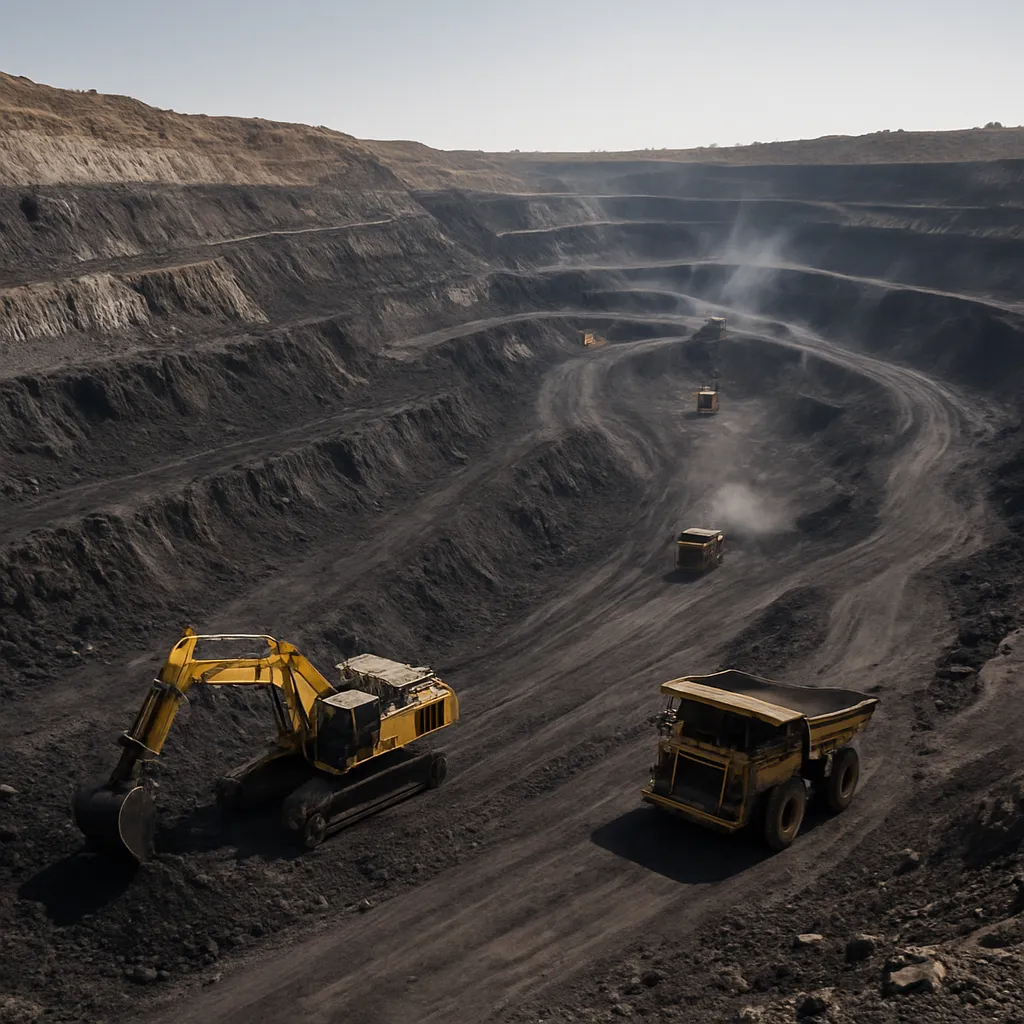
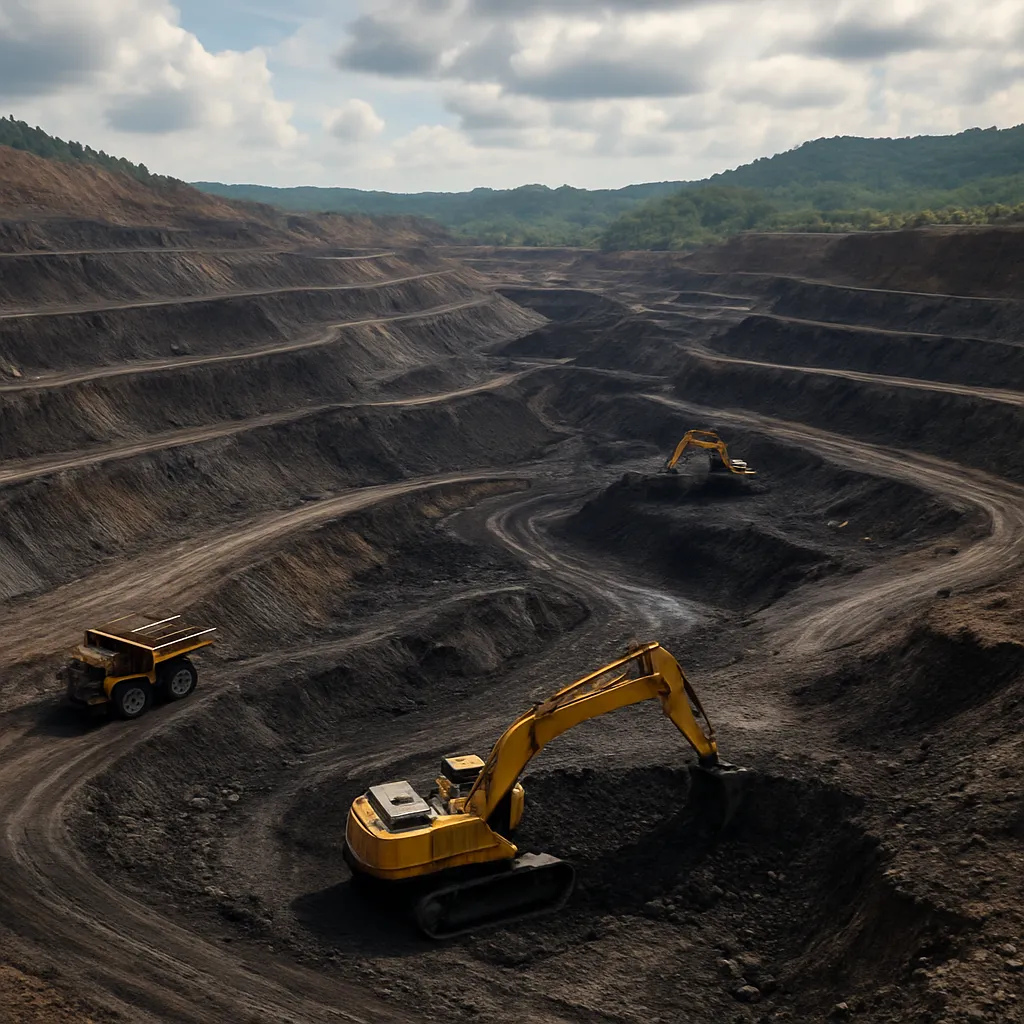
Mining in Lalmatia and surrounding collieries typically utilizes a mix of surface and underground techniques, depending on seam depth, geology, and environmental constraints. Common mining methods include:
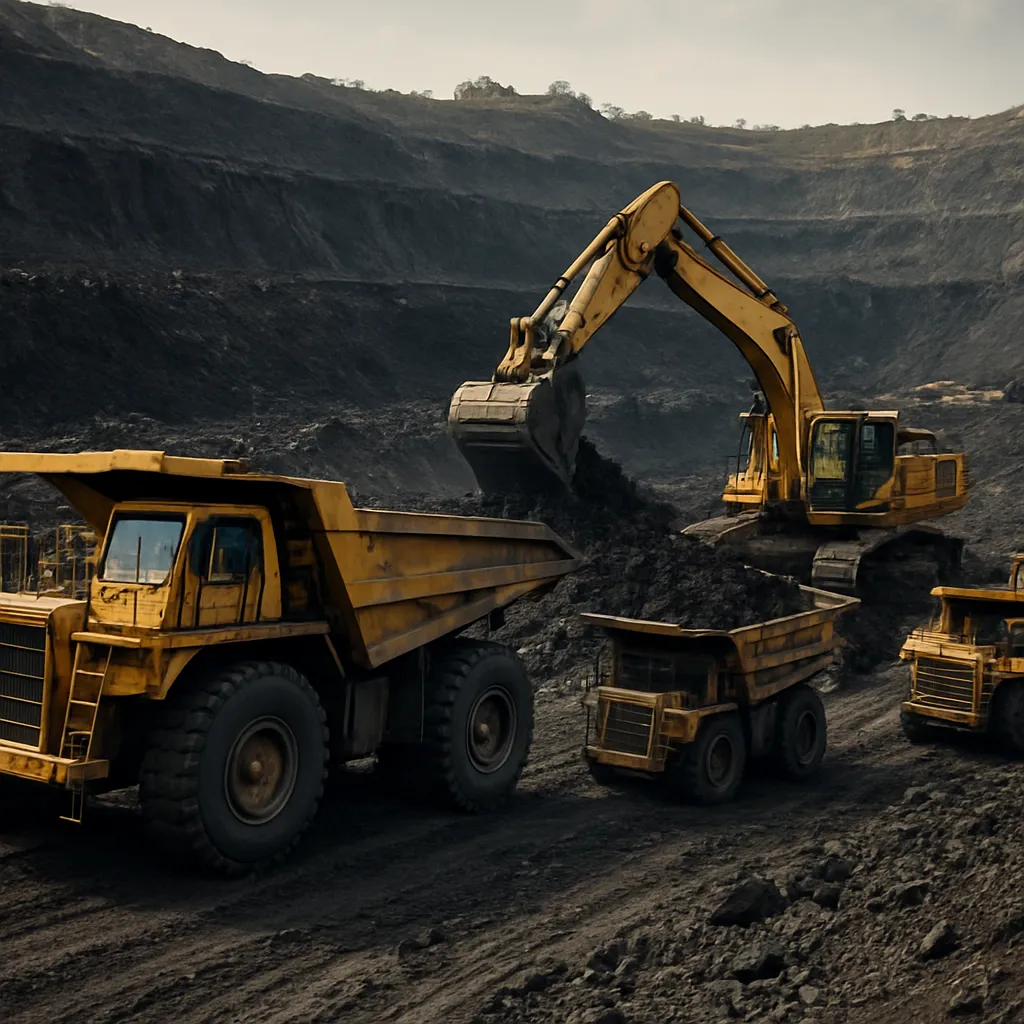
- Open-pit (opencast) mining — used where seams are near the surface; it allows for high production rates and mechanization but has greater surface footprint.
- Underground mining — adopted when seams occur at greater depth; methods can include bord-and-pillar, longwall, or mechanized room-and-pillar depending on equipment and seam properties.
- Small-scale mechanized and manual working — in smaller collieries or older workings, a combination of mechanized cutting, drilling and manual removal persists.
Modernization trends in the region emphasize mechanization, improved safety standards, and progressive mine closure plans. Mines like Lalmatia may be subject to periodic reorganization, investment in heavy earth-moving equipment for opencast workings, or retrofitting for more efficient underground extraction.
Economic and industrial significance
Although not necessarily a national flagship, the Lalmatia Coal Mine contributes importantly to local economies in several ways. Coal from Lalmatia and nearby collieries feeds regional power stations, brick kilns, small manufacturing units, and household energy needs where access to cleaner fuels is limited. The mine’s presence creates a range of direct and indirect employment opportunities and underpins local supply chains.
Employment and livelihoods
Mining operations at Lalmatia provide direct jobs for miners, supervisors, geologists and technical staff as well as indirect jobs in transport, equipment maintenance, and local commerce. Coal mining regions in eastern India often show high dependency on mining incomes, and even relatively small collieries can be central to village and town economies. Skill development programs, training in mine safety, and employment transitions for contract laborers are part of ongoing socioeconomic engagement in the region.
Local industry linkages
Key linkages include:
- Power generation: coal supplies to nearby thermal plants and captive power units.
- Brick and ceramic manufacturing: coal as a fuel source for kilns.
- Metal and chemical industries: coal used as feedstock or heat source for smaller industrial units in the region.
- Transport services: rail and road logistics for dispatching coal bolsters ancillary employment.
Given its role in supporting such sectors, Lalmatia contributes to regional industrial resilience even as India diversifies its energy mix.
Statistical context and available data
While mine-specific statistics for Lalmatia are not comprehensively reported in international databases, it is useful to place the mine within national and regional statistical frameworks to understand scale and impact.
National and regional coal statistics (context)
- India is one of the world’s largest coal producers and consumers; annual national production has been in the hundreds of millions of tonnes in recent years, driven primarily by state-run enterprises and a large number of regional collieries.
- Approximately 70–80% of India’s coal production historically has been produced by major public sector companies, with the remainder from captive mines, private, and smaller operators. These proportions can vary year to year.
- The eastern coal belt, including the Damodar Valley, contributes a significant share of India’s total production and houses some of the richest coal seams in terms of thickness and continuity.
Mine-level data and limitations
For Lalmatia, credible data points that are sometimes available through company reports, government mining plans, or local administration include:
- Estimated extractable reserves (expressed in million tonnes) — often reported in internal mine plans.
- Annual production figures (tonnes per year) — varying significantly with mechanization level and mine life stage.
- Workforce numbers — including permanent and contract employees.
- Rehabilitation and environmental compliance expenditures — increasingly mandatory in modern mining leases.
Because Lalmatia may be operated by regional subsidiaries, private contractors, or integrated into larger district operations, consistent public reporting can be sparse. Independent surveys, academic studies, and government mine inspectors provide intermittent snapshots but comprehensive long-term time series are less common for smaller collieries.
Environmental and social aspects
Environmental footprint
Coal mining in Lalmatia, as in other parts of the Damodar Valley, has multifaceted environmental impacts:
- Land disturbance: opencast mining alters topography and can remove productive agricultural land, requiring planned reclamation.
- Water: dewatering of underground mines, contamination of surface water by mine runoff, and pressure on local groundwater resources are common concerns.
- Air quality: dust and particulate emissions from haulage and extraction operations can affect nearby settlements; coal-fired transport and processing also contribute to local pollution.
- Subsidence: underground workings, if not properly managed, can lead to surface subsidence, damaging infrastructure and habitats.
Mitigation measures increasingly adopted include progressive backfilling of opencast pits, afforestation of reclaimed land, installation of dust suppression systems, lined slurry ponds, and strict water treatment protocols. Environmental management plans are part of mine permitting processes, and compliance is monitored by state and national regulators.
Social impacts and community relations
Coal mines influence social dynamics in several ways. Mines provide incomes and infrastructure investments (roads, power, schools), but they can also lead to displacement, disruption of traditional livelihoods (agriculture and craft), and public health challenges. Responsible mining practice involves:
- Community consultation and compensation frameworks for displaced households.
- Programs for local health, education and skill development.
- Periodic impact assessments and grievance redress mechanisms to address community concerns.
Local NGOs, government agencies, and mining companies often collaborate on social development projects, but the effectiveness of such programs varies across locations and over time.
Safety, regulation and governance
Mining safety is a priority across India, and regional mines like Lalmatia operate under national legislation and oversight from bodies such as the Ministry of Coal and the Directorate General of Mines Safety (DGMS). Regulations encompass worker safety protocols, mine planning norms, environmental clearances, and reporting obligations.
Key regulatory and governance aspects include:
- Periodic safety audits and mandatory worker training.
- Environmental Impact Assessments (EIA) and post-clearance monitoring.
- Lease and royalty regimes administered by state governments, ensuring revenue flows to local authorities.
- Emerging focus on transparency and digitization of records, enabling better public monitoring.
Investment in mechanization and safety technology—such as continuous miners, real-time gas monitoring, and automated haulage—reduces accident rates and improves productivity, although implementation timelines depend on capital availability and regulatory incentives.
Economic metrics and fiscal contributions
While exact fiscal numbers for Lalmatia are dependent on production volumes and royalty structures, typical metrics to examine for such a mine include:
- Annual revenue from coal sales — influenced by coal grade and contractual prices for power plants or industrial buyers.
- Royalties and taxes paid to state and central governments — these constitute important resource revenues for local development.
- Capital expenditure on equipment, mine development and environmental compliance — investments that also stimulate the local economy.
At a broader scale, coal mining regions generate multiplier effects where wages and supplier purchases stimulate retail, transport, hospitality and service sectors. For communities around Lalmatia, these multiplier effects can be critical drivers of economic activity.
Future prospects, challenges and opportunities
The future of the Lalmatia Coal Mine will be shaped by a combination of geological factors, policy direction, market demand, and social-environmental imperatives.
Challenges
- Transition pressures: India’s national energy transition—driven by renewables and efficiency—could reduce long-term thermal coal demand, altering mine economics.
- Environmental constraints: stricter environmental regulations and community expectations require higher spending on mitigation and rehabilitation.
- Resource depletion: as near-surface seams are exhausted, deeper or less economical seams may require more costly extraction.
Opportunities
- Modernization: mechanization can improve safety and productivity while reducing unit extraction costs.
- Value addition: coal beneficiation and processing can raise coal quality for specific markets, capturing additional revenue.
- Diversification: land reclamation projects can be repurposed for agriculture, solar parks, or industrial estates, supporting post-mining livelihoods.
- Carbon management: investments in methane capture, improved combustion efficiency, and carbon offset projects can mitigate greenhouse gas impacts and create new revenue streams.
Strategic planning that aligns mining operations with community needs, environmental protection and evolving energy markets will determine Lalmatia’s role in the coming decades.
Interesting facts and broader significance
Some notable observations about mines like Lalmatia that reflect wider patterns in India’s coal sector:
- Heritage of mining: the Damodar Valley region is historically significant, with coal mining shaping settlement patterns and industrialization since colonial times.
- Energy security: regional mines contribute to local and national energy security by supplying thermal coal to power plants and captive units.
- Technological evolution: small collieries are gradually adopting digital surveying, mechanized cutting and transport automation, narrowing the productivity gap with larger mines.
- Local economies: coal mining remains a major employer in many areas, and mines like Lalmatia underpin ancillary industries and infrastructure development.
Concluding remarks
The Lalmatia Coal Mine exemplifies a class of regional collieries embedded in India’s eastern coal belt. While not always in the national limelight, such mines exercise substantial influence on local economies, supply chains, and industrial activities. The mine’s coal—largely suited to thermal applications—continues to be an important energy input for nearby power and industrial operations. At the same time, Lalmatia faces the common challenges of modern coal mining: balancing productivity with environmental stewardship, ensuring worker safety and social equity, and navigating a shifting energy landscape. Improved transparency in reporting, targeted investments in modernization and rehabilitation, and community-inclusive planning are pathways through which Lalmatia can continue to deliver value while minimizing adverse impacts.