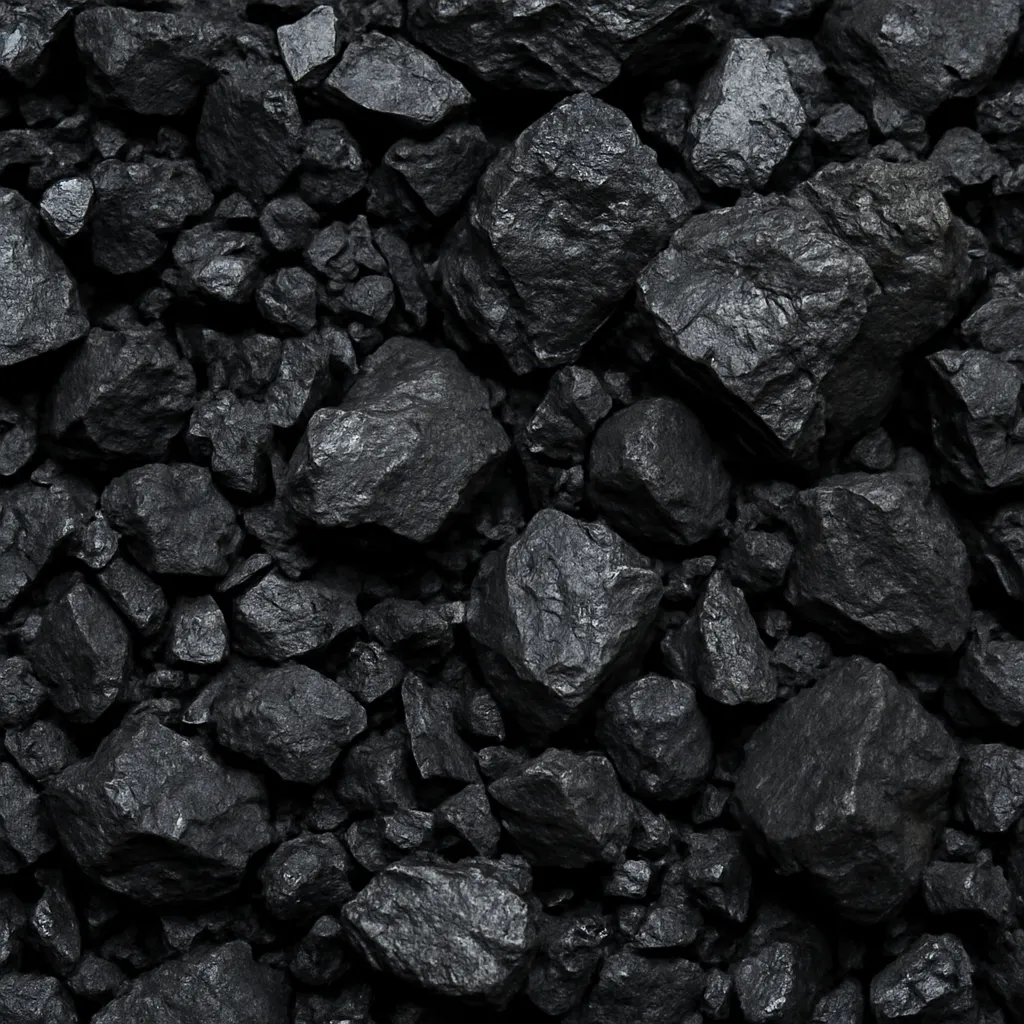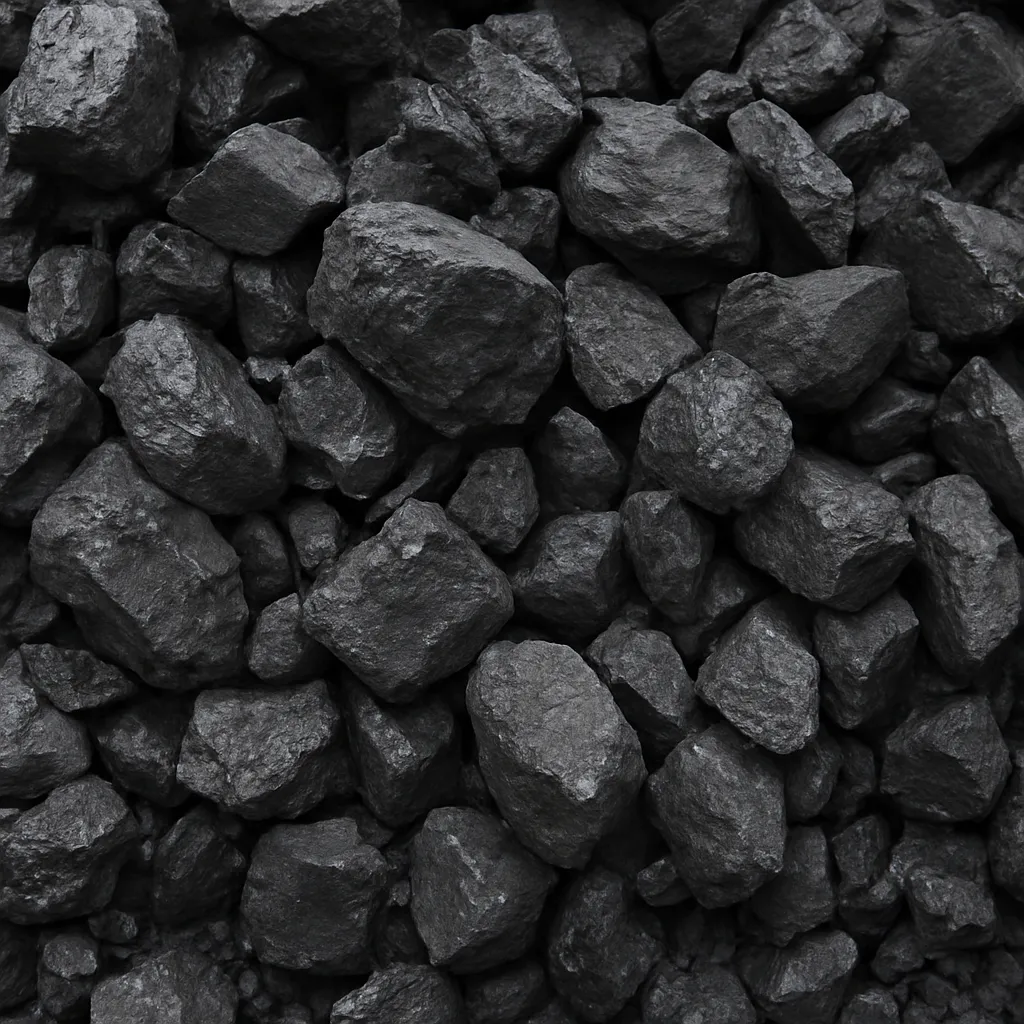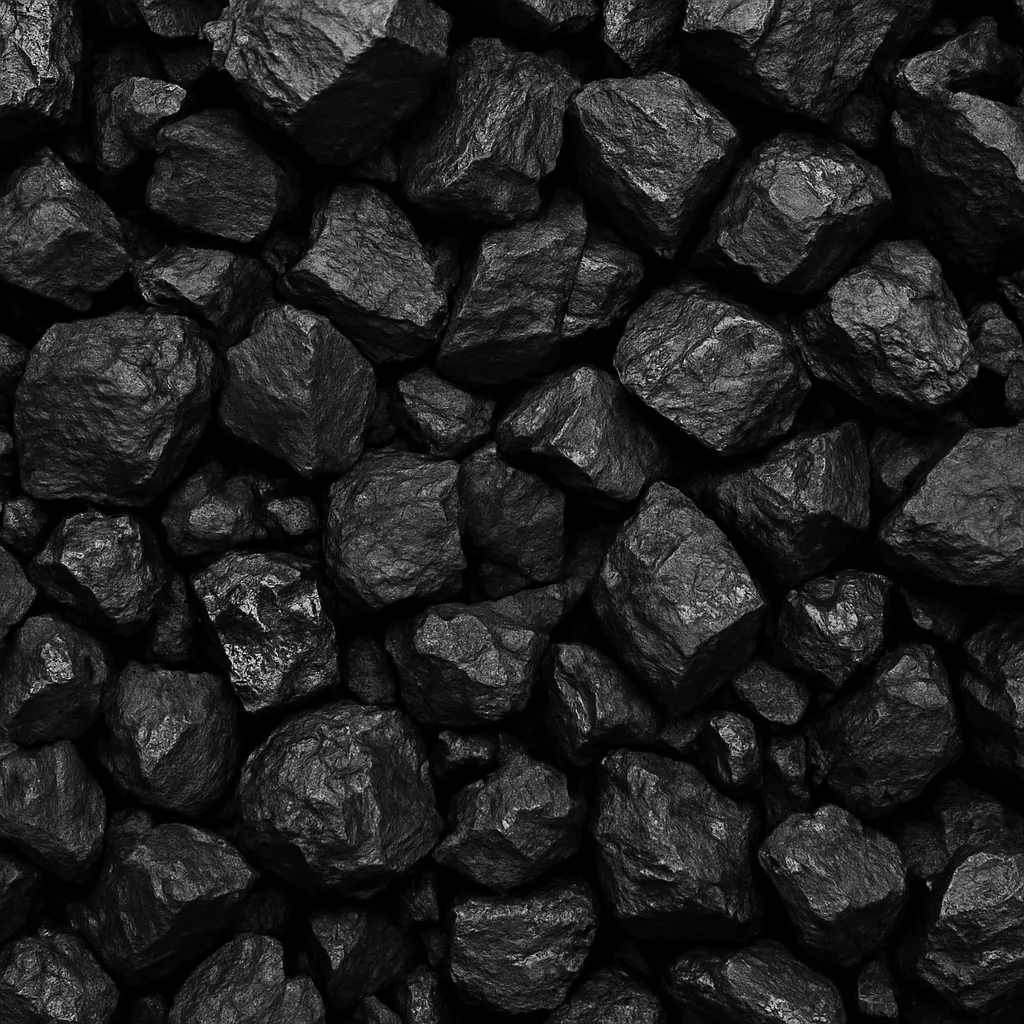
Dense coal occupies a special place among the variety of coal types because of its high material compactness, elevated fixed carbon and calorific value, and specific industrial applications. In this article we explore what is commonly understood by “dense coal” — typically high-rank coals such as anthracite and dense bituminous varieties — where these coals are found and mined, their geological origin and physical properties, the economics and statistics that shape their market, industrial significance (especially in metallurgy and chemical processing), environmental and technological issues, and some lesser-known but interesting facts.
Physical characteristics, formation and classification
Coal is classified by rank, which reflects the degree of coalification — the progressive changes in organic matter under heat and pressure. What people refer to as dense coal generally includes the highest-rank coals: anthracite and high-density bituminous coal seams. These coals exhibit high carbon content, low moisture, low volatile matter and correspondingly high energy density. Typical properties include:
- Fixed carbon often exceeding 85% by mass in anthracite; high-rank bituminous coals typically range from 70–85% fixed carbon.
- Low volatile matter and moisture, which improve combustion stability and reduce smoke and some pollutants per unit of energy.
- Higher calorific values: anthracite commonly ranges from about 28–34 MJ/kg, while dense bituminous coals are frequently in the 24–32 MJ/kg range (values vary by deposit).
- Hard, compact texture and higher bulk density relative to lower-rank coals such as lignite and sub-bituminous.
Dense coals are typically formed from plant material that, during prolonged burial and tectonic activity, underwent stronger metamorphism than for lower-rank coals. Geological settings that favor dense coal formation include deep burial basins followed by orogenic events that imposed heat and pressure. In many regions, anthracite is associated with ancient mountain-building episodes.
Global distribution and major mining regions
Dense coals are distributed unevenly around the globe — they are relatively rare compared with lower-rank coals, and large economic deposits occur in particular geological provinces. Key regions and producing countries for high-rank/dense coals include:
- China: China has diverse coal basins and contains large quantities of higher-rank coals, including anthracite in northern provinces (e.g., Shanxi, Shaanxi) and dense bituminous seams elsewhere. China remains the single largest coal producer and consumer worldwide, and much of its domestic production includes dense high-quality coal used in industry and metallurgy.
- Russia and Ukraine: Both countries have historically important anthracite and high-rank bituminous deposits — the Donbas region (Donetsk Basin) is a well-known source of dense coal. Russia’s Kuznetsk Basin (Kuzbass) also contains higher-grade coals used for metallurgical and energy purposes.
- United States: Anthracite deposits are concentrated in northeastern Pennsylvania (historical Baxter and Scranton areas), though much U.S. production today is bituminous coal from the Appalachian, Illinois and Powder River basins. High-quality metallurgical coal is mined in the Appalachian region and the Illinois Basin.
- Australia: A major exporter of metallurgical and high-grade bituminous coal, with important basins in Queensland and New South Wales supplying global steelmaking markets.
- South Africa: Produces a range of coal types; high-grade coals from certain basins are important for metallurgical processes and domestic energy.
- Vietnam and China border regions: Notable anthracite deposits (e.g., Quang Ninh province in Vietnam) supply domestic heating and industrial needs.
- Poland and Germany: Central Europe hosts important hard coal deposits, although production levels have declined over time; Poland’s Silesian Basin historically produced high-quality hard coal used for metallurgy and power.
Globally, dense coals make up a smaller share of total tonnage than lower-rank coals, but they are disproportionately important because of their specialized uses and higher market value.
Mining methods, processing and quality improvement
Dense coals are extracted using a combination of surface and underground mining techniques, depending on seam depth, thickness and geology. Because dense coals are often harder and more competent rock, mining these seams can present different technical challenges and advantages:
- Underground longwall and room-and-pillar mining: common in deep, continuous seams of dense coal. Harder coal can support different roof control strategies but may require more powerful cutting equipment.
- Opencast/mining at surface: where seams are shallow, large-scale surface mining is efficient and common; however, environmental footprint and restoration obligations are significant.
- Processing and beneficiation: Dense coals used for metallurgical or premium thermal markets often undergo washing and preparation to remove ash and sulfur, improving calorific value and reducing impurities. Dense medium separation, jigging, froth flotation and fine coal dewatering are typical processing steps.
- Coking and blending: not all dense coals are suitable for cokemaking, but certain dense bituminous coals have the right volatile and plasticity properties to produce high-quality coke. Blending operations adjust seams of different quality to meet coking and thermal specifications.
Mining and processing also aim to minimize contamination with rock and non-combustible minerals, because dense coal users (steelmakers, specialty chemical plants, activated carbon producers) require consistent, low-ash feedstocks.
Industrial uses and economic importance
Despite global shifts toward low-carbon energy, dense coals retain critical roles in several industries because of their specific properties:
- Metallurgical/steelmaking: The most economically significant use of certain dense bituminous coals is for coke production. Coke is a porous, carbon-rich material used as both a fuel and a reducing agent in blast furnaces. Premium coking coal commands substantial price premiums over thermal coal because supply is limited and quality requirements are strict.
- High-grade thermal fuel: Dense coals with high calorific values are prized where emissions control, transport efficiency, or space constraints favor fuels with greater energy per mass—examples include certain industrial boilers and niche heat processes.
- Chemical feedstock and carbon products: Dense coals are often used to produce activated carbon, carbon electrodes, and other specialty carbon products due to their high fixed carbon and low impurity levels.
- Gasification and liquid fuels: High-rank coals can serve as feedstock for coal gasification and coal-to-liquids (CTL) technologies where such projects exist, though economic and environmental factors influence viability.
Economically, dense coals generate higher revenues per tonne than lower-rank coals because of their market uses and lower treatment costs in end-use. Markets for metallurgical coal (which frequently overlaps with dense coal categories) are influenced by global steel demand, shipping logistics, and short-term supply disruptions.
Statistical overview and market dynamics
Global coal markets are extensive and diversified. While lower-rank coals dominate by tonnage for electricity generation, dense and metallurgical coals play outsized roles in industrial value chains. Some widely observed market patterns include:
- Production concentration: China accounts for a very large share of global coal production and consumption, including a substantial portion of higher-grade coal used domestically. Other major producers of higher-grade and exportable coals include Australia, Russia, the United States, Indonesia (focused on thermal exports but also hosts higher-grade seams), and South Africa.
- Trade flows: Australia and Indonesia are leading coal exporters; Australia is especially important in the global metallurgical coal trade that supplies East Asia, Europe and the Americas.
- Price volatility: Prices for metallurgical coal and premium thermal coal experience sharper swings than lower-grade thermal coal because supply is less flexible and stocks are smaller. Events such as mine closures, weather disruptions (floods, cyclones), geopolitical tensions and rapid changes in steel demand can produce sudden price spikes.
Approximate production and trade magnitudes (order-of-magnitude, based on recent years):
- Global coal production: multiple billions of tonnes per year (commonly reported in the 7–9 billion tonnes range in the early 2020s). Dense coal comprises a minority of this tonnage but accounts for a large share of value-added coal trade.
- Leading national outputs: China produces several billion tonnes annually (roughly half of world production), India around one billion tonnes, and other major producers such as the United States, Australia, Indonesia and Russia each produce in the hundreds of millions of tonnes per year (figures vary by year).
Because market figures shift year to year, exact numeric values depend on the reporting year and source (e.g., International Energy Agency, World Coal Association, national statistical agencies). Nevertheless, it is broadly accurate that dense and metallurgical coals, while lower in total tonnage, are critical to the economics of the steel industry and to energy-intensive industrial processes.
Environmental aspects, emissions and mitigation technologies
Dense coals, like all fossil fuels, produce carbon dioxide when combusted. However, their higher energy density means that per unit of energy delivered there can be slightly lower CO2 emissions compared to lower-grade coals because less mass is combusted for the same heat output. That said, the absolute emissions per unit energy remain substantial and climate concerns apply equally.
- Air pollutants: dense coals typically have lower volatile matter and sometimes lower sulfur and ash content after beneficiation, which can reduce emissions of particulates, SOx and certain organics, but this is highly deposit-specific.
- Carbon capture, utilization and storage (CCUS): industries that rely on dense coal (e.g., steel and chemical production) are exploring CCUS to reduce process emissions. Retrofitting or integrating CCUS can be technically feasible but adds cost and complexity.
- Cleaner processes: gasification and combined-cycle systems can offer higher conversion efficiency and lower local emissions for specialized applications, but economics depend on energy prices and policy incentives.
Environmental impacts also include mining-related land disturbance, water usage and potential acid mine drainage in some geological settings. High-density coals do not inherently create different environmental hazards in mining compared with other coals, but regional geology and mining methods determine local impacts.
Technological innovations and future trends
Several technological and market trends shape the future of dense coal use:
- Steelmaking transitions: traditional blast furnace (BF) and coke-based routes remain dominant globally; however, alternatives like direct reduced iron (DRI) using hydrogen and electric arc furnaces (EAF) reduce or eliminate the need for coking coal. Widespread transition depends on hydrogen availability, electricity costs and policy timelines, so demand for metallurgical coal may persist in many regions for decades.
- Value-added carbon products: higher-quality dense coals can be feedstocks for specialty carbon materials, offering higher-margin uses that are less easily displaced by electrification.
- Efficiency and emissions abatement: incremental improvements in coal processing, combustion controls, and deployment of CCUS could prolong certain industrial uses while reducing climate impacts.
- Market consolidation and logistics: dense coals for metallurgy are traded in global seaborne markets with concentrated sources; improvements in port capacity, rail logistics and mine automation influence competitiveness.
Interesting facts and lesser-known uses
A few intriguing aspects of dense coal and its role in human industry:
- Anthracite’s uses extend beyond fuel: because of its hardness, low dust and relatively low emissions on burning, anthracite has been used historically in domestic heating, specialized industrial furnaces and as filtering media in water treatment applications.
- Historical economic impact: anthracite mining spurred the growth of entire towns and regional economies — for example, the anthracite fields of Pennsylvania powered early American industry and led to distinctive cultural and labor histories.
- Specialty activated carbons: certain dense coals are excellent precursors for activated carbon used in water purification, air filtration and chemical separations because their high fixed carbon and pore development properties create superior adsorption characteristics.
- Coal-derived carbon fiber and electrodes: although petroleum and other precursors are commonly used, high-grade coals have been investigated as raw materials for advanced carbon products in resource-constrained settings.
Summary and concluding perspective
Dense coal, encompassing high-rank coals such as anthracite and dense bituminous varieties, remains a strategically important commodity despite global decarbonization pressures. Its combination of high carbon content, solid energy density, and suitability for metallurgical and specialty carbon applications ensures ongoing demand in specific industries—most notably steelmaking. Geologically, dense coals are less common and are concentrated in specific basins around the world, including regions in China, Russia, the United States, Australia, and parts of Europe and Southeast Asia. Economically, dense coal and metallurgical coal fetch higher prices and are traded in dynamic global markets sensitive to industrial demand, logistics and geopolitical events.
From a policy and technology standpoint, the future of dense coal intersects with the pace of steelmaking transformation, the economics of CCUS and hydrogen, and evolving environmental regulations. While electrification and low-carbon alternatives will reduce some coal uses, dense coal’s roles in high-temperature industrial processes and specialty carbon markets mean it will likely remain relevant for a transitional period — particularly where alternative technologies are not yet scalable or cost-competitive.
Overall, dense coal exemplifies how a relatively small fraction of a resource (by tonnage) can have outsized industrial and economic significance. Its stewardship — through improved mining practices, beneficiation, emissions mitigation and targeted use in high-value applications — will shape how societies balance industrial needs with environmental commitments in the years ahead.