Ultra-dry anthracite occupies a niche but important place in the global energy and industrial landscape. As one of the highest-rank coals, its combination of exceptionally low moisture, high fixed carbon content and elevated calorific value makes it attractive for specialized applications ranging from metallurgical processes to filtration media. This article outlines the geological characteristics, global distribution and mining, economic and statistical context, industrial uses, environmental considerations and the future outlook for ultra-dry anthracite.
Geology and physical-chemical characteristics
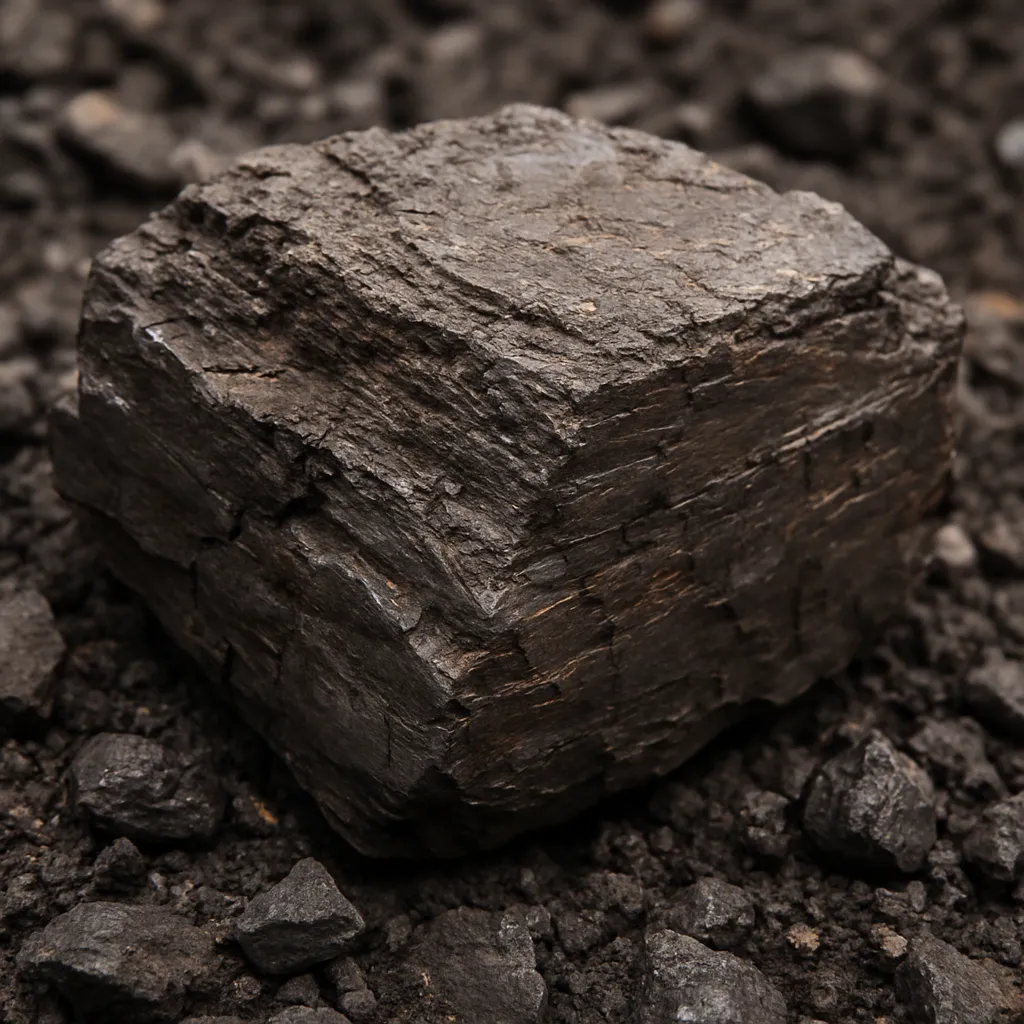
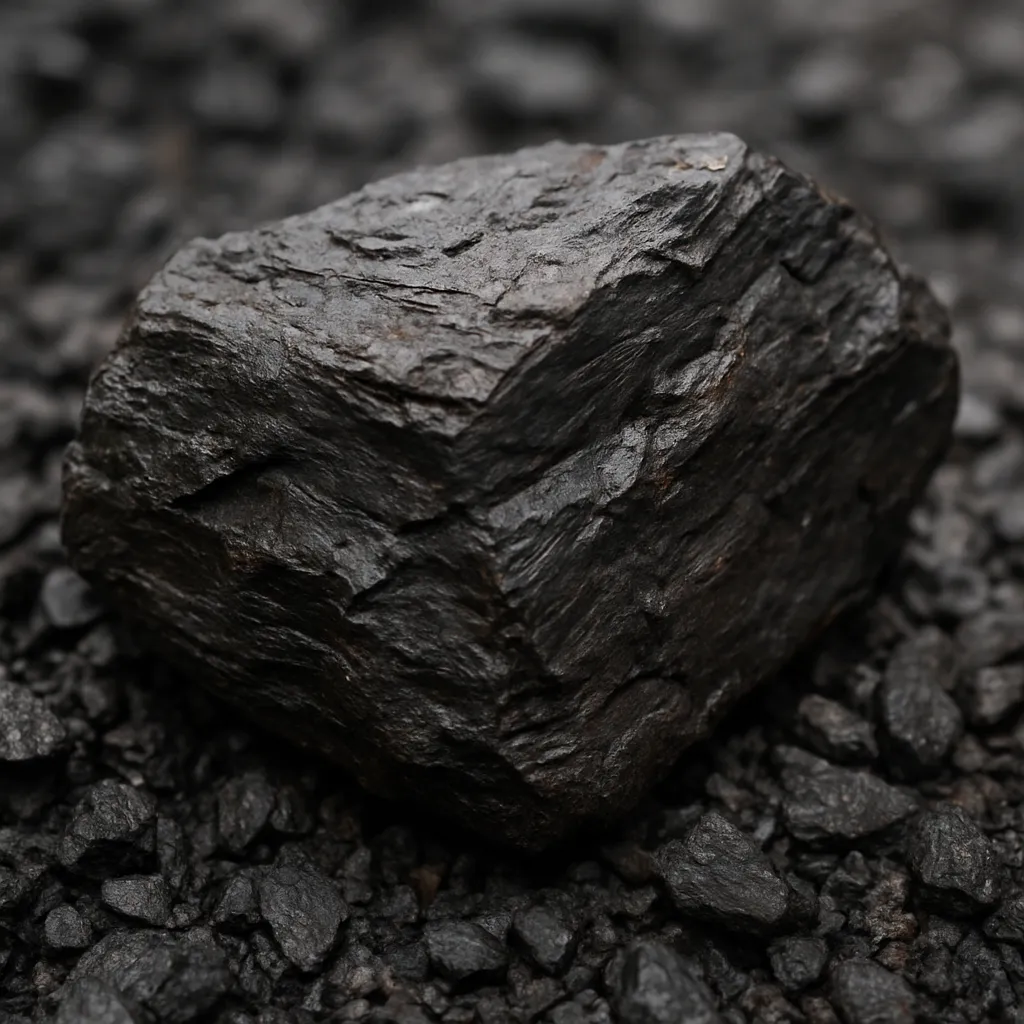
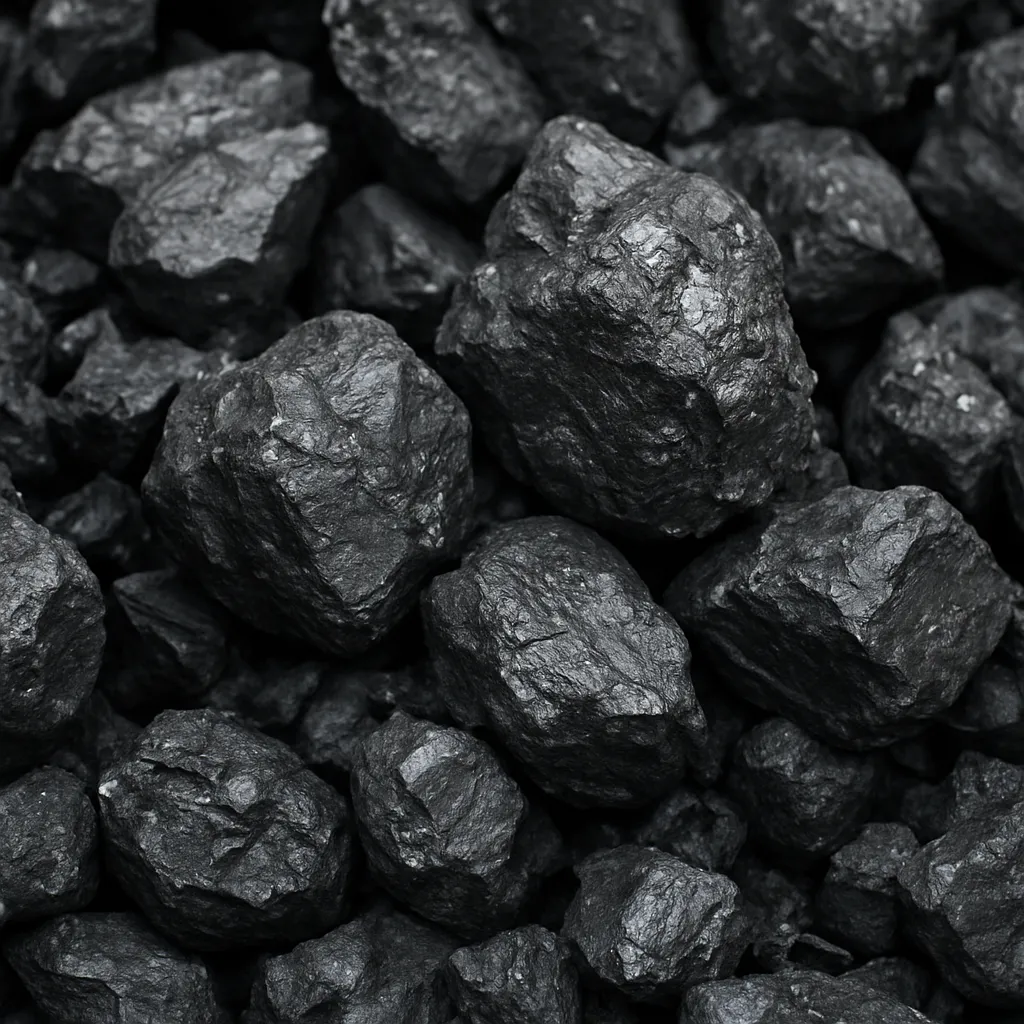
Anthracite is the highest metamorphic rank of coal, formed under deeper burial and greater pressure and temperature than bituminous and sub-bituminous coals. Classic anthracite is characterized by a shiny, hard appearance, a relatively high density and a compact structure. Compared with lower-rank coals, anthracite has much higher proportion of fixed carbon and substantially lower volatile matter and moisture. These factors produce a cleaner, hotter and more efficient combustion profile.
Defining “ultra-dry” anthracite
The term ultra-dry anthracite is commonly used to describe anthracite material with exceptionally low inherent moisture content, typically achieved through natural dryness at deposit or by post-mining drying and beneficiation. While standard anthracite often contains a few percent moisture by weight, ultra-dry anthracite usually has moisture levels below 3%, with premium products measuring 1% or even lower. The reduction in moisture translates directly into higher usable heat per tonne, reduced transport weight of non-energy content and improved behavior in pulverized coal systems and metallurgical processes.
Chemical composition and energy properties
- Fixed carbon: typically ranges from ~86% to 97% on a dry basis; ultra-dry material pushes the measurable fixed carbon to the upper end due to negligible moisture.
- Volatile matter: very low, commonly below 10% and often under 5% for high-rank anthracite.
- Calorific value: gross calorific value (higher heating value) commonly in the range of 28–34 MJ/kg for anthracite; ultra-dry material can approach the higher end of this range because less energy is lost to evaporating moisture during combustion.
- Ash and sulfur: ash content varies with deposit (from a few percent to >20% for some seams); sulfur is often low (<1%) in many anthracite reserves, which helps reduce SOx emissions when burned.
Global occurrence and mining regions
Anthracite is not evenly distributed worldwide; it is found in specific basins where geological history produced intense coalification. Ultra-dry anthracite is a subset of these resources, either naturally low in moisture or upgraded after extraction.
Major producing regions and notable deposits
- China: hosts substantial anthracite resources and is the world’s largest coal producer overall. Chinese anthracite deposits are important both for domestic energy and industrial applications. Several northern provinces produce high-rank coals used in metallurgy and heating.
- Russia and the CIS: significant anthracite and high-rank coal reserves are located in regions such as the Donetsk Basin (historically) and parts of Siberia. These coals supply local heavy industries and are exported to neighboring markets.
- United States: northeastern Pennsylvania is the classic anthracite region, historically central to the U.S. Industrial Revolution. Modern U.S. anthracite production is much smaller but still supplies domestic markets for residential heating, industrial uses and specialty applications.
- South Africa: certain high-grade coals suitable for anthracitic use exist and supply metallurgical and industrial demand in local and export markets.
- Vietnam and parts of Southeast Asia: anthracite deposits in Vietnam have been mined and exported as a niche product, particularly to nearby industrial consumers.
- Other regions: smaller anthracite occurrences are found across Europe (e.g., parts of the UK historically), Australia (limited), North Korea (notable for anthracite used domestically), and scattered basins globally.
Mining methods for anthracite vary with seam depth and geology. Surface (open-pit) mining is used where seams are shallow; deep underground mining is typical where seams are buried. Because anthracite is dense and brittle, special handling and comminution approaches are often required to minimize fines and preserve product quality. Post-mining processing can include washing, density separation and drying to produce ultra-dry specifications.
Economic and statistical overview
While anthracite represents a relatively small fraction of total global coal production, it commands economic importance due to its distinct properties. Its markets are specialized, and pricing reflects premium characteristics such as higher energy density, cleaner combustion and suitability for particular industrial tasks.
Market size and share
Exact global statistics for anthracite vary year to year and by data source, but a few general observations are consistent:
- Anthracite accounts for a modest share of global coal production; it is much smaller than the production volumes of bituminous and sub-bituminous coals used in large-scale power generation.
- Demand for anthracite is driven more by industrial consumers (metallurgical, chemical, filtration) and niche energy markets than by bulk electricity generation.
Pricing and trade dynamics
Ultra-dry anthracite typically trades at a premium relative to lower-rank coals due to higher delivered heat per tonne and reduced handling/transport penalties for moisture. Pricing drivers include:
- Grade and specification: lower moisture, higher fixed carbon and lower ash or sulfur all increase value.
- Logistics and distance to market: high-density material benefits from efficient shipping and proximity to consumers; long-haul transport reduces competitiveness.
- Substitution and competition: where natural gas, biomass or lower-grade coals are cheaper, anthracite competes on performance and environmental profile rather than price alone.
Economic roles
Key economic roles of ultra-dry anthracite include:
- Providing a high-quality reductant and fuel in specialized metallurgical processes.
- Serving as feedstock for activated carbon and filtration media—industries that pay premiums for low-ash, low-sulfur raw material.
- Supporting regions and communities dependent on anthracite mining; local employment and associated services often track with the fortunes of the commodity.
Industrial uses and significance
Because of its properties, ultra-dry anthracite finds applications that capitalize on its consistent combustion and chemical behavior.
Metallurgical applications
Anthracite can be used as a reductant in metallurgical processes where a high fixed carbon content and stable combustion are necessary. Specific uses include:
- Foundry coke substitution in certain furnaces and processes—when processed appropriately, anthracite can be an efficient source of carbon for melting and reduction.
- Pulp and paper or chemical industries that require consistent thermal energy with low contaminant input.
- In some steel-making contexts, high-grade anthracite is used for pulverized coal injection (PCI) or as part of blends to control furnace chemistry.
Energy generation and industrial heating
While most large-scale power plants use cheaper bituminous or lignite coal, anthracite is preferred in smaller, high-efficiency boilers and process heaters where space heating, steam production and cleaner combustion are valued. Ultra-dry anthracite reduces the need to evaporate water during combustion, improving thermal efficiency and lowering flue gas volumes.
Water treatment, filtration and activated carbon
Anthracite’s hardness and low attrition make it an excellent filtration medium in municipal and industrial water treatment plants. It is often used in dual-media filters in combination with sand to remove suspended solids. Additionally, anthracite can be processed into activated carbon—an important product for adsorption of organic compounds, heavy metals and for gas purification—where feedstock quality strongly influences final product performance.
Residential and commercial heating
In some regions, particularly where anthracite is locally abundant, it is used for domestic heating. Ultra-dry anthracite is prized for its clean burn, long burn times and minimal smoke or soot. However, its generally higher price limits widespread residential use to areas where it is a traditional fuel or where customers are willing to pay a premium for cleaner combustion.
Processing, handling and quality improvement
To meet strict specifications for ultra-dry anthracite, mines and processors employ a series of beneficiation and drying steps. Key methods include:
- Washing and density separation to reduce ash and impurities.
- Thermal drying (e.g., rotary dryers) or advanced drying technologies (microwave, vacuum drying) to reach ultra-low moisture levels without damaging coal structure.
- Screening and sizing to produce consistent lumps, briquettes or fine fractions suitable for pulverized coal systems.
- Blending of different seam qualities to achieve target ash and calorific values.
Environmental, regulatory and sustainability considerations
Although anthracite burns cleaner than lower-rank coals in terms of particulates and volatiles, it is still a fossil fuel and carries environmental and regulatory implications.
Emissions and pollution control
Advantages of anthracite in environmental terms include lower volatile organic compound emissions and often lower sulfur content than many bituminous coals. That said, combustion still emits CO2, and other pollutants (NOx, particulates, trace metals) must be controlled with appropriate flue-gas cleaning technologies. Because ultra-dry anthracite produces more heat per unit mass, it can reduce the CO2 emitted per unit of energy compared with wetter coals, but absolute CO2 output remains significant.
Regulatory landscape
Environmental regulations that penalize CO2 emissions, sulfur oxides or particulates can affect anthracite’s competitiveness versus alternative fuels (natural gas, renewables). In jurisdictions with stringent emissions controls, the premium for cleaner coal may be offset by carbon pricing or mandates for low-carbon energy.
Reclamation and community impacts
Mining activities, including those for anthracite, require careful land reclamation and environmental management to mitigate impacts on water quality, biodiversity and local communities. Responsible operators implement progressive rehabilitation, water treatment and community development programs to reduce long-term liabilities.
Statistical snapshots and trends (contextual estimates)
Because anthracite is a niche product compared to the global coal industry, precise year-to-year figures depend on definitions and classification by local agencies. The following contextual points summarize observed patterns and reasonable estimates:
- Share of global coal: anthracite constitutes a small percentage of total coal production—commonly described as a fraction of global output dominated by bituminous and sub-bituminous coals.
- Regional concentration: production is concentrated in a handful of countries with suitable geology—this concentration can create localized market power and price differentials.
- Price volatility: anthracite prices are sensitive to metallurgical and industrial demand, transport costs and competition from alternative reductants and filtration feedstocks.
For industry stakeholders, tracking regional production statistics, import-export balances and inventory levels is crucial because supply shocks (mine closures, transport disruptions) can rapidly change regional prices for ultra-dry anthracite.
Future outlook, innovation and market drivers
Anthracite’s future will be shaped by several intersecting influences: energy transition policies, industrial demand for high-quality carbon feedstocks, technological change in mining and processing, and competition from alternative materials.
Drivers supporting demand
- Specialized industrial needs: sectors that require high-purity carbon or stable, high-temperature fuel will continue to favor anthracite.
- Water treatment and activated carbon industries: rising demand for clean water and pollution control can sustain markets for anthracite-derived filtration products.
- Efficiency and emissions advantages: where lifecycle analyses favor anthracite over wetter, lower-grade coals, buyers may pay premiums for ultra-dry product.
Challenges and headwinds
- Decarbonization policies: tightening CO2 policies, carbon pricing and a shift toward renewables reduce long-term demand for all coal types.
- Competition from alternative materials: natural gas, biomass co-firing, electrically-driven reduction processes in metallurgy and synthetic adsorbents may displace some anthracite uses.
- Resource depletion and cost: high-quality anthracite seams are finite; extraction becomes more expensive as near-surface resources are exhausted, affecting the economics of ultra-dry product supply.
Technological innovation
Opportunities exist to enhance the role of anthracite through innovation in several areas:
- Advanced drying technologies that reduce energy consumption in producing ultra-dry product.
- Improved beneficiation to lower ash and sulfur, increasing the competitiveness of anthracite for filtration and metallurgical uses.
- Integration with carbon capture and utilization/storage (CCUS) in industrial installations where anthracite is used, potentially mitigating its CO2 footprint.
Interesting facts and historical perspective
Anthracite has a rich history and some distinctive attributes worth noting:
- Historical importance: anthracite was a vital fuel in the 19th-century industrialization of regions such as northeastern United States, powering steam engines, factories and railways.
- Energy density: on a mass basis anthracite provides significant energy, which historically made it valuable for industries where transport efficiency mattered.
- Specialty markets: because of its physical hardness and low degradation, anthracite has enduring value as a filtration medium—an application quite different from bulk combustion.
- Versatility: beyond burning, high-quality anthracite can be a feedstock for carbon-based materials and chemical processes requiring consistent and low-impurity carbon.
Concluding observations
Ultra-dry anthracite is a specialized commodity that blends geological rarity, industrial utility and regional economic importance. Its distinguishing features—very low moisture, high fixed carbon and strong calorific output—make it valuable in metallurgical processes, filtration and niche heating applications. While the global trend toward decarbonization presents long-term challenges, short- and medium-term demand is supported by sectors that require high-quality carbon feedstocks and by markets where efficiency and emissions advantages of ultra-dry anthracite yield tangible operational benefits. Continued innovation in drying, beneficiation and emissions control will influence how anthracite competes in an evolving energy and industrial landscape.