The following article provides an in-depth overview of the Lampunut Coal Mine in Indonesia, covering its location, geological characteristics, the type of coal extracted, economic and industrial significance, social and environmental aspects, and available statistics and projections. Where specific public data about Lampunut are limited, the discussion places the mine in the broader context of Indonesia’s coal sector and regional mining practices to give a practical understanding of its likely role and impacts.
Location, Access and Regional Context
The Lampunut Coal Mine is located in Indonesia, a country renowned for its extensive coal resources across islands such as Sumatra, Kalimantan (Borneo) and Sulawesi. The mine sits within a regional coal-bearing basin that is typical of Indonesian deposits: sedimentary sequences containing peat-derived and plant-rich strata. The geographical setting offers a combination of inland open-pit opportunities and proximity to river or coastal port infrastructure that enables coal transport for both domestic power generation and export markets.
In terms of logistics, most Indonesian coal operations use a mix of road haulage, conveyor systems, river barges and coastal shipping. Lampunut’s connection to regional roads and waterways determines its operational model: mines near navigable rivers or coastal ports typically rely on barges and short-sea shipping, while more inland sites use road or rail links to larger export terminals. The mine’s accessibility influences production scale, capital investment and operating costs—factors that shape its competitiveness in the regional coal market.
Geology and Type of Coal Extracted
Geologically, coal deposits in Indonesia commonly fall into the low- to medium-rank categories formed from tropical peat and deltaic plant material buried and compacted over millions of years. At Lampunut, the extractive focus is on coal that is primarily used for thermal applications—power generation and steam production—rather than metallurgical (coking) uses. Typical properties for such coals in the region include:
- Calorific value commonly in the range of 4,000–6,500 kcal/kg (gross as-received).
- Moisture and volatile matter that reflect sub-bituminous to high-volatile bituminous rank.
- Ash and sulfur contents that vary by seam; many Indonesian coals are moderate in ash and low in sulfur relative to some global benchmarks.
These coal characteristics influence the mine’s market positioning: lower-rank thermal coal is often sold into nearby markets and to countries with large coal-fired power capacity such as India, China, Southeast Asian nations and domestic Indonesian power plants. The coal from Lampunut is likely blended or washed when necessary to meet buyer specifications—wash plants or coal beneficiation processes are common on-site or at nearby terminals to improve calorific value and reduce ash.
Mining Method and Operational Practices
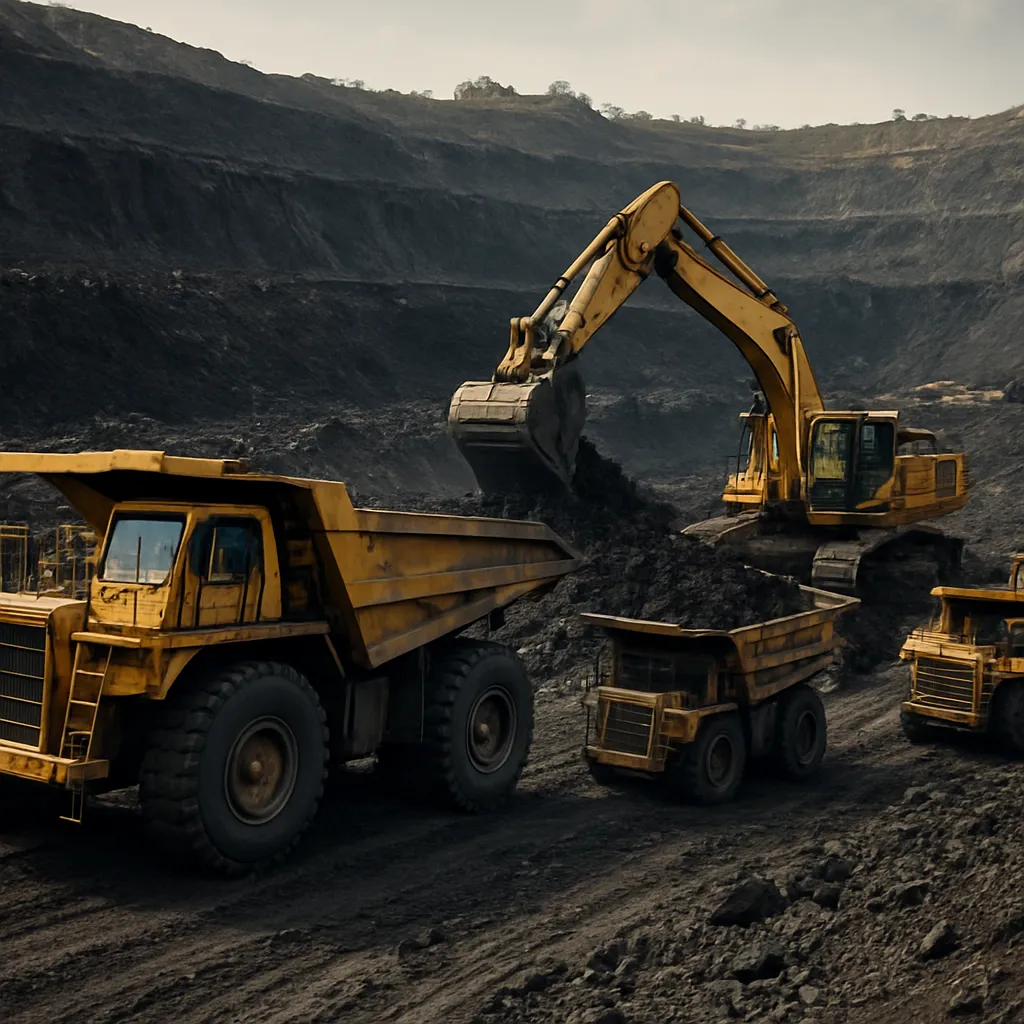
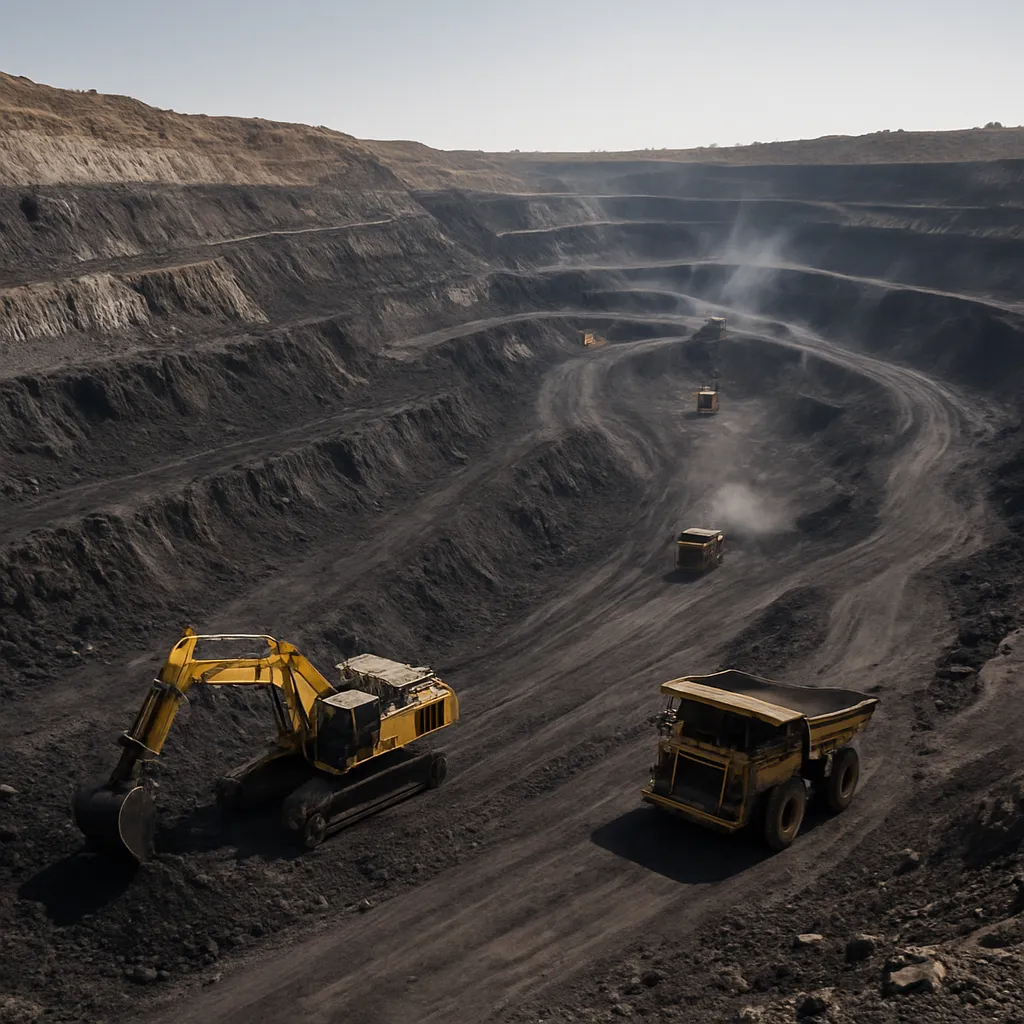
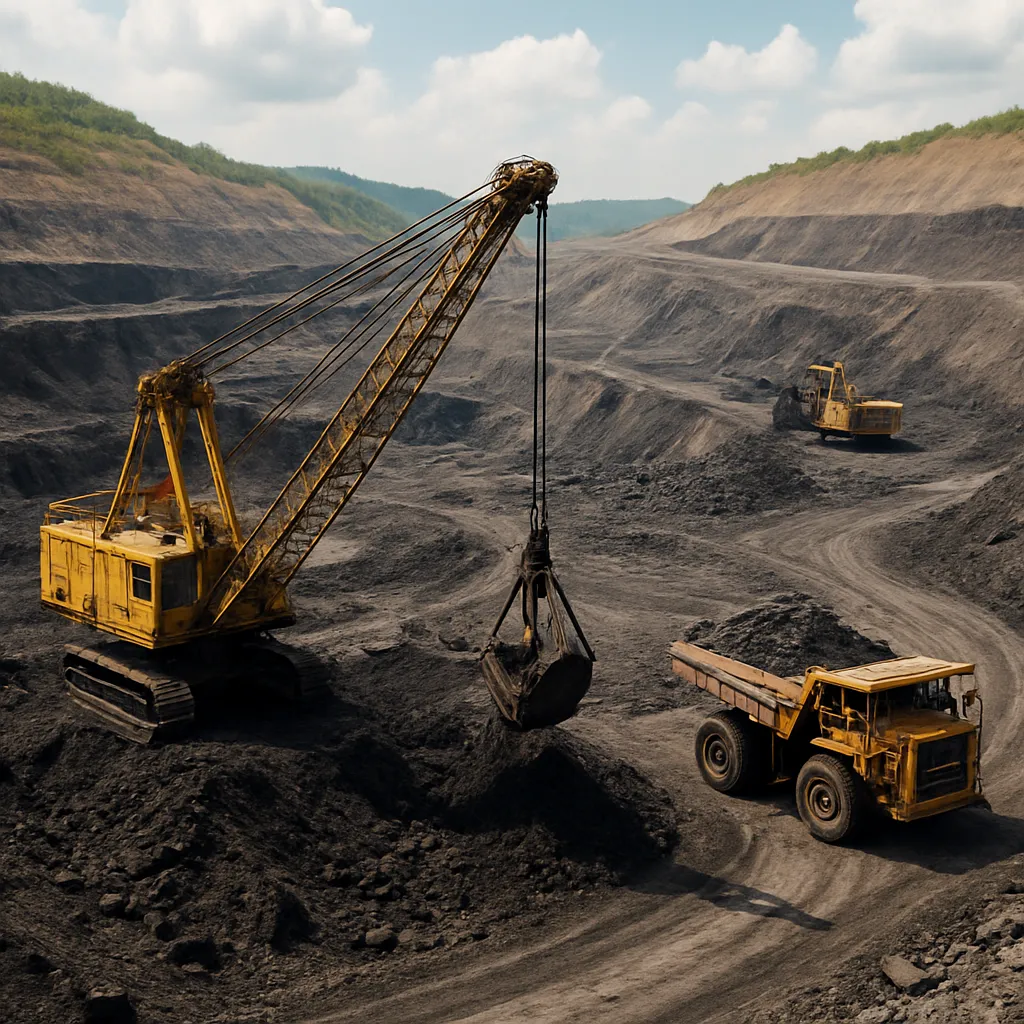
Mining at Lampunut typically follows the open-pit model found across many Indonesian coalfields. Open-pit methods are preferred for shallow, laterally extensive seams and allow mechanized operations with excavators, haul trucks, dozers and loaders. Key operational elements likely include:
- Progressive stripping to remove overburden and expose coal seams.
- Use of heavy mobile machinery and on-site maintenance workshops.
- Coal handling plants for primary crushing, screening, and sometimes beneficiation.
- Stockyard management and load-out facilities connecting to barges, rail or trucks for onward transport.
Mining productivity and cost-efficiency at Lampunut depend on factors such as strip ratio (volume of overburden per tonne of coal), seam continuity, equipment availability and workforce skill levels. Modern operations increasingly adopt digital monitoring, fleet management systems and safety management frameworks to optimize output and reduce downtime.
Economic Significance and Market Dynamics
Lampunut contributes to both the local and national economy in several ways. As a coal-producing operation, it generates direct revenue through production and sales, and indirect economic activity by supporting local suppliers, transport providers and service industries. Coal remains a major export commodity for Indonesia and is central to the country’s fiscal balance in resource-rich provinces.
Key economic aspects include:
- Employment: Mining operations provide direct jobs in extraction, processing and management, and indirect employment in logistics, maintenance and local commerce. A mid-sized mine can employ hundreds to several thousand people during peak operations.
- Local government revenue: Royalties, taxes and land lease payments benefit provincial and district budgets, funding infrastructure, health and education programs—though the distribution and magnitude depend on contractual arrangements and national fiscal policies.
- Export earnings: Indonesia is one of the world’s major coal exporters. Lampunut’s production—if exported—feeds international markets, often contributing to foreign exchange earnings for the operator and, through taxation, to the state.
- Supply to domestic power sector: Coal mines near power plants often provide long-term supply contracts. Domestic offtake supports national electrification efforts and energy security goals.
Statistical Information and Data Availability
Public, mine-level statistics for Lampunut may be limited in open sources. Many Indonesian mines report production and reserve figures in company publications or regulatory filings, but smaller or privately held operations can have sparse public disclosure. Where direct Lampunut figures are not available, it is useful to consult regional and national coal statistics to frame its likely scale:
- Indonesia’s coal production: In recent years Indonesia has produced several hundred million tonnes of coal annually, making it one of the world’s largest producers and exporters of thermal coal.
- Export destinations: Historically, major importers of Indonesian coal have included India, China, Japan, South Korea and other Southeast Asian markets; the exact market mix for Lampunut depends on contractual relationships and logistics.
- Mine production scale: Small mines may produce under 1 million tonnes per year; medium operations commonly produce between 1–5 million tonnes; large operations exceed 10 million tonnes annually. Lampunut’s classification within this range requires operator disclosure or government permit records for precision.
If precise Lampunut metrics such as proven reserves, annual production tonnage and employment counts are required for commercial or academic purposes, these are typically accessed via:
- Company annual reports and investor presentations (if the operator is publicly listed).
- Ministry of Energy and Mineral Resources (ESDM) publications and mining permit registries in Indonesia.
- Local/regional government reports and environmental impact assessments (EIAs) submitted during permitting.
Industrial Role and Supply Chain Integration
Lampunut plays a role in the broader coal supply chain that spans extraction, processing, transport and final combustion in power plants or industrial boilers. Important supply-chain considerations include:
- Port and transport linkages: Efficient load-out to river barges or coastal terminals minimizes logistic costs and allows access to international markets. Congestion at ports or limited draft can constrain exports and increase supply-chain costs.
- Blending and quality control: To meet buyer calorific value and ash specifications, Lampunut coal may be blended with other coals or beneficiated to improve quality—this affects price realisation.
- Contracting and pricing: Long-term offtake agreements provide revenue stability, while spot sales expose producers to market price volatility. Lampunut’s revenue model will depend on the balance of contract types.
Environmental, Social and Governance (ESG) Considerations
Mining operations such as Lampunut are subject to environmental and social scrutiny. Contemporary best practices emphasize minimizing environmental footprint, ensuring worker safety and fostering community benefits. Key ESG themes relevant to Lampunut include:
- Environment: Managing land disturbance, rehabilitating mined land, controlling dust and emissions, and protecting water quality are primary environmental responsibilities. Sedimentation control and runoff management are critical in tropical settings with heavy rainfall.
- Community: Mines can bring employment and infrastructure investment, but may also create social pressures including displacement, resource competition and shifts in local economies. Community engagement programs and benefit-sharing mechanisms are important for social license to operate.
- Health & Safety: Ensuring safe working conditions, emergency preparedness and occupational health services reduces accident rates and improves productivity.
- Regulation: Compliance with Indonesian mining regulations, environmental permits and rehabilitation bonds is mandatory. International buyers and financiers increasingly require compliance with environmental and social standards as part of their procurement and investment criteria.
Rehabilitation and mine closure planning are often mandated from the start of operations. Successful closure involves progressive reclamation, soil restoration, revegetation and sometimes repurposing post-mining landscapes for agriculture, forestry or community infrastructure.
Challenges and Risks
Lampunut, like other coal mines, faces a set of operational and market risks:
- Price volatility: Global coal prices fluctuate with demand cycles, energy transitions and policy changes, which affect profitability.
- Regulatory shifts: Stricter environmental regulations, carbon pricing or coal phase-out policies in importing countries can reduce demand.
- Operational risks: Weather events, high strip ratios, equipment failures and workforce disruptions impact production continuity.
- Reputational and financial pressures: International banks and insurers are increasingly sensitive to coal-related financing, potentially raising capital costs or limiting access to new financing for coal projects.
Future Outlook and Strategic Importance
Looking forward, the Lampunut Coal Mine’s trajectory will depend on several factors:
- Regional energy demand: Continued reliance on coal in Southeast Asia for baseload power could sustain demand for Lampunut’s coal in the medium term.
- Market diversification: Developing domestic offtake or diversifying export destinations can hedge against regional market swings.
- Operational efficiency: Investments in mechanization, digital monitoring and beneficiation can improve margins and reduce environmental impacts per tonne produced.
- Transition planning: Operators are increasingly planning for an energy transition by exploring diversification into minerals that support low-carbon technologies, or by committing to rehabilitation and social investment to ensure post-mining community resilience.
For Lampunut specifically, a prudent strategic approach balances immediate revenue generation with responsible environmental management and community engagement. Transparent reporting of production, reserves and ESG performance will shape its acceptance among international buyers and financiers.
Additional Notes and Where to Find More Data
Detailed, up-to-date statistics about the Lampunut Coal Mine (such as exact reserves, annual production volumes, ownership structure and workforce size) are best obtained from primary sources: operator disclosures, Indonesian government mining and energy publications, environmental impact assessments filed at permitting, and trade data from customs or port authorities. National-level sources such as Indonesia’s Ministry of Energy and Mineral Resources and industry bodies publish comprehensive reports on coal production, exports and pricing trends that provide necessary context when mine-level data are scarce.
In summary, Lampunut is representative of many Indonesian coal operations: focused on producing thermal coal with established logistical links to regional and international markets, significant for local economies through employment and fiscal contributions, and increasingly operating under the dual pressures of environmental stewardship and market dynamics. Its future relevance will hinge on how effectively it navigates operational challenges, market shifts and evolving global expectations about the energy transition.