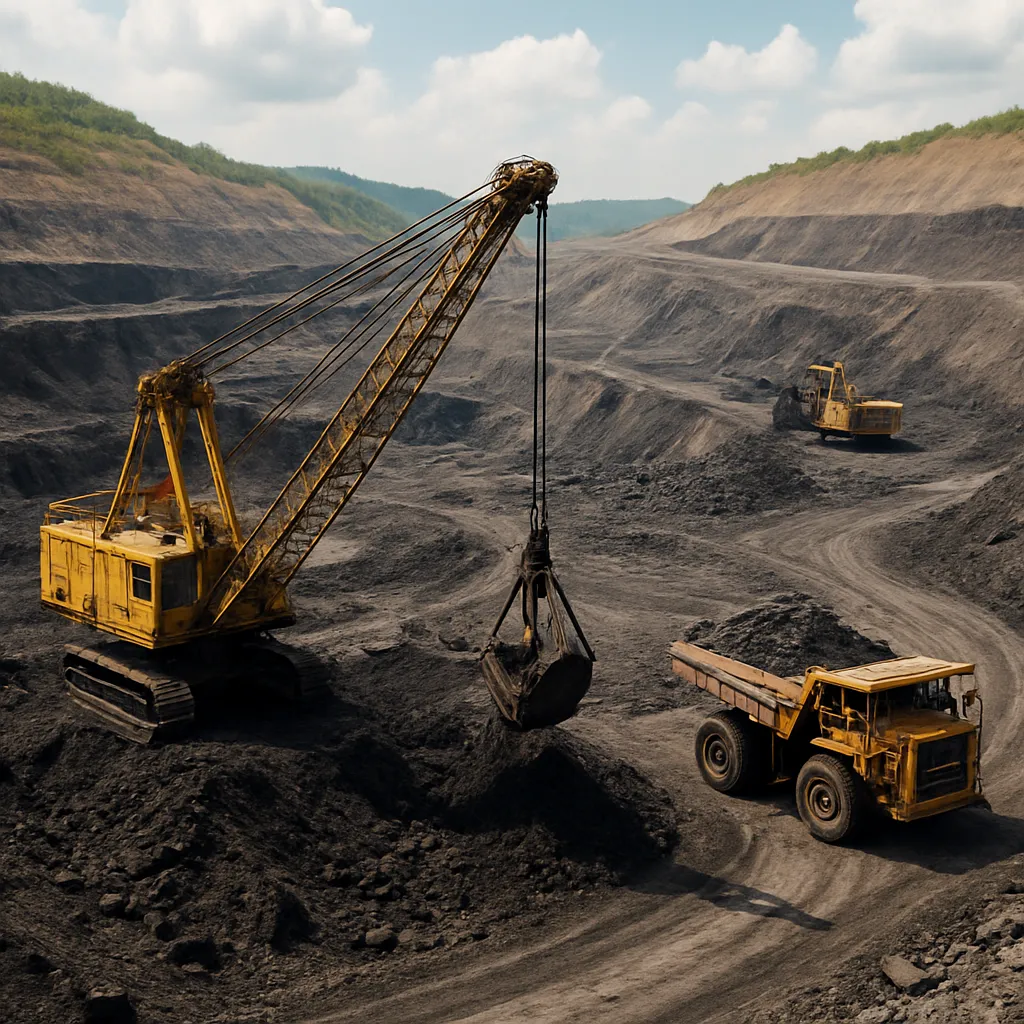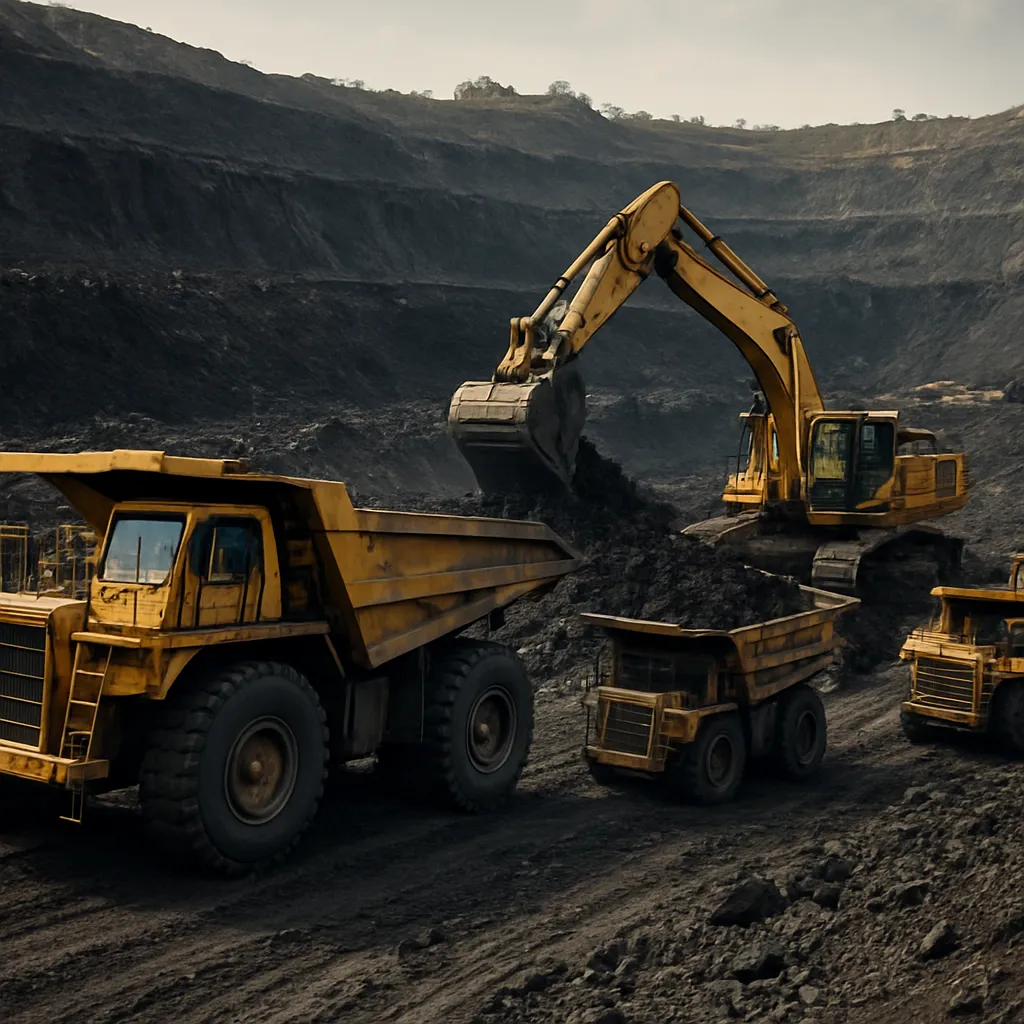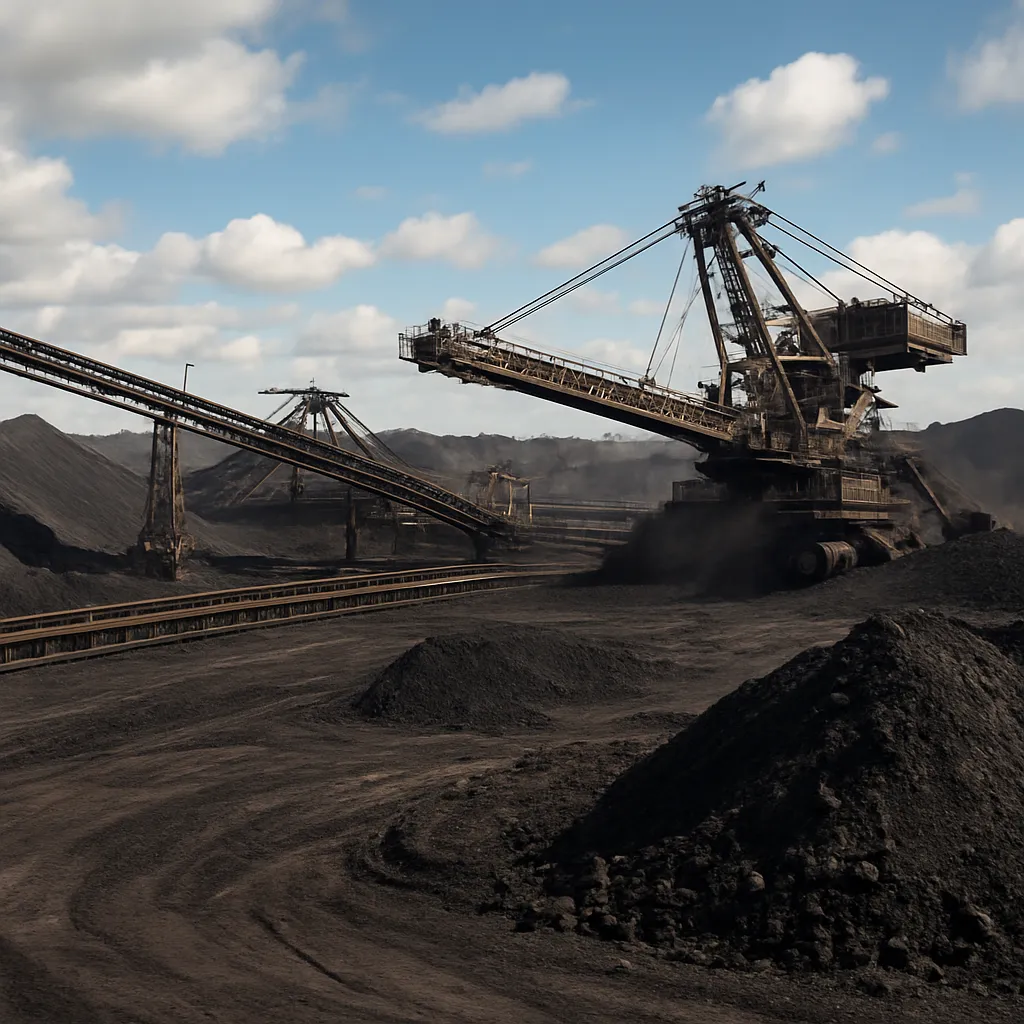
The Liddell Colliery, set within the coal-rich landscapes of the Hunter Valley in New South Wales, Australia, is a notable example of a long-established coal mining operation that has played a significant role in regional energy supply, local employment and the broader Australian coal industry. This article reviews the mine’s location, geology, mining methods, the type and uses of coal produced, its economic and industrial importance, environmental and social considerations, and prospects for the future. Where precise figures are not publicly consistent across all sources, summary ranges and contextual industry data are used to provide a rounded, fact-based picture.
Location, Setting and Geological Context
The Liddell Colliery is located in the Hunter Valley, one of Australia’s most important coal-producing regions, within the Muswellbrook and Singleton local government areas of New South Wales. The Hunter Valley sits north of Sydney and contains an extensive system of coal seams that formed in Permian-age sedimentary basins. These seams are part of the larger Sydney Basin geology and are interbedded with sandstones, siltstones and mudstones.
Geologically, Liddell taps into seams that are typically classified as bituminous or “black coal,” which in the Hunter Valley context are often described by subcategories such as high-volatile or medium-volatile coals depending on seam and depth. Coal at Liddell has traditionally been thermally oriented—suitable for electricity generation—though coals from the general Hunter Valley can also be used for steelmaking feedstock depending on quality attributes.
Accessibility to export infrastructure is a defining advantage of the Hunter Valley. Liddell’s proximity to rail corridors that feed to the Port of Newcastle—and to domestic power plants in the region—gives it logistical integration with both domestic energy markets and international export channels.
What Is Mined and Coal Characteristics
At Liddell Colliery the primary product is thermal coal, used principally for electricity generation, though coal quality can vary across seams and over the life of the mine. Key coal quality attributes of interest include calorific value (energy content), ash yield, volatile matter, and sulfur content. These determine whether coal is directed to the domestic power sector, blended for specific user needs, or exported to international markets.
- Coal type: Predominantly bituminous thermal coal, suitable for combustion in power stations.
- Typical uses: Domestic power generation, industrial heat and, in some instances (depending on quality), limited metallurgical applications when blended to meet specifications.
- Quality drivers: Seams vary in calorific value and ash; management involves washing, blending and logistics to meet end-user specifications.
Liddell’s coal has historically contributed to local thermal power generation, including nearby coal-fired power stations, while a portion of output may move through the Hunter Valley logistics chain to export markets. The mine’s output characteristically fits a regional profile where coal producers supply both domestic and international demand depending on market conditions and contractual arrangements.
Mining Methods, Infrastructure and Operations
Operations at Liddell have utilized mechanized underground mining methods common to the Hunter Valley’s seam types. This often includes longwall mining where feasible, supported by continuous miners and ancillary equipment in development headings. Modern operations emphasize mechanization, safety systems, ventilation management and gas control (notably for methane), together with a suite of surface facilities for coal handling, processing and rail loading.
Key operational components:
- Underground extraction: Longwall and development panels to maximize recovery of targeted seams.
- Coal handling: On-site preparation plants (where present) for washing and sizing, followed by rail-loading facilities connected to the Hunter Valley rail network.
- Safety and automation: Emphasis on ventilation, gas monitoring, ground control and increasing automation to improve productivity and reduce risk.
Infrastructure linkages to the Hunter Valley Coal Chain—including rail and port facilities—are central to converting mined tonnages into delivered product for power stations and overseas buyers. Coordination along this supply chain is critical to managing throughput, inventory and contractual obligations.
Economic and Industrial Significance
The Liddell Colliery has a local and regional economic footprint that stretches from direct employment and business-to-business transactions to public revenues such as royalties and taxes. Mining operations of this scale typically support a supply chain of contractors, service providers and logistics firms, thereby multiplying economic impact in the local economy.
Employment is a primary local benefit—mines like Liddell employ operators, engineers, geologists, safety and environmental specialists, administrative staff and contractors. While specific headcount varies over time with the mine’s phase and mechanization levels, operations of similar size traditionally sustain hundreds of direct jobs and many more indirect roles in the regional economy.
From a fiscal perspective, royalties and corporate taxes contribute to state and federal coffers. Royalties on coal production fund public services and infrastructure projects in New South Wales; in addition, capital investment in mine expansions and maintenance provides periods of heightened local economic activity.
The mine’s product has had industrial significance by supporting power generation in the region and contributing to Australia’s exports. The Hunter Valley is a bedrock of Australia’s coal export capability, and mines like Liddell form part of the aggregated capacity that helps position Australia as one of the world’s leading coal suppliers.
Statistical Context and Production Trends
Precise, up-to-date production figures for a specific mine can vary by year and depending on publicly available reporting. Historically, mines in the Hunter Valley have produced in the range of low millions to tens of millions of tonnes per annum, depending on mine size and stage. Liddell’s annual production historically fell within the lower end of that spectrum relative to some of the largest open-cut operations in the Hunter Valley.
Broader context: Australia, as a nation, exports several hundred million tonnes of coal annually (combined thermal and metallurgical). The Hunter Valley corridor is responsible for a substantial share of that volume because of its dense cluster of mines and export-focused logistics chain. Market dynamics—including international demand for thermal coal, domestic electricity policy and carbon pricing mechanisms—affect dispatch decisions, contract obligations and investment plans at individual collieries.
Environmental Management, Impacts and Rehabilitation
Mining in the Hunter Valley, including at Liddell, has been subject to environmental regulation and oversight aimed at managing land disturbance, water resources, biodiversity and air emissions. Common environmental management themes include:
- Land management and rehabilitation: Progressive rehabilitation of disturbed land to restore native vegetation and stable landforms following mining activities.
- Water stewardship: Monitoring and management of groundwater and surface water impacts, sediment control, and treatment of mine-affected water to meet regulatory standards.
- Air quality and dust control: Use of dust suppression, stockpile management and air monitoring programs to minimize community impacts.
- Biodiversity: Surveys and measures to protect threatened species and habitats; offsetting and conservation programs where impacts are unavoidable.
- Subsidence and surface impacts: For underground mines, subsidence management plans address potential impacts to surface infrastructure, natural drainage and ecosystems.
Community consultation, heritage assessments (including Indigenous heritage), and compliance with state environmental approvals are core elements of operating responsibly within a populated and ecologically variable landscape like the Hunter Valley. Modern mines also report on greenhouse gas emissions and undertake measures to reduce methane and carbon intensity where feasible.
Social and Community Dimensions
Mines such as Liddell are embedded into local communities through employment, local procurement and social investment. Key social dimensions include:
- Community investment: Sponsorships, funding for local infrastructure, education and health services, and community partnerships.
- Workforce development: Apprenticeships, training programs and transition support as operations scale up or down.
- Indigenous engagement: Cultural heritage assessments, employment programs and agreements to ensure recognition of traditional owners’ rights and values.
- Transition planning: As older mines approach end-of-life, planning for economic diversification and post-mining land use becomes critical for community resilience.
Community perspectives on mining are diverse—recognizing economic benefits while also raising concerns about environmental and social impacts. Operators typically engage continuously with stakeholders to address these matters and to align mine activity with community expectations and regulatory requirements.
Technological Trends and Safety
Mining technology continues to evolve and influence operations at collieries like Liddell. Automation, remote operation of equipment, improved ventilation and monitoring systems, and digital analytics for resource and safety management are increasingly common. Safety remains paramount, with continuous improvements in training, emergency response, and systems to monitor ground control, gas, and worker health.
Ventilation and methane management are especially important in underground thermal coal operations to ensure worker safety and to reduce fugitive methane emissions. Some operators invest in methane capture and utilization technologies where feasible, converting a safety and environmental challenge into an energy resource.
Future Outlook and Strategic Considerations
The future for any coal mine in Australia depends on a mix of geological, economic, regulatory and market factors. Key considerations for Liddell Colliery include:
- Market demand: Global demand for thermal coal, particularly in Asia, and domestic electricity market conditions determine dispatch and revenues.
- Regulatory environment: State and federal policies on mining approvals, environmental standards and climate policy impact operational costs and the longevity of coal assets.
- Reserve life: Remaining recoverable reserves and the economics of extracting them (including costs of deeper or more complex workings) are decisive for mine life.
- Community and workforce transition: Planning for an eventual closure phase that protects employment pathways and provides for land rehabilitation.
Some mines in the region have adjusted operations, diversified business models or entered sale processes as companies respond to changing energy markets and investor preferences. For mines that remain active, balancing profitable extraction with rigorous environmental management and community engagement defines the path forward.
Interesting Facts and Broader Significance
Beyond production statistics and economic contribution, Liddell Colliery exemplifies several broader themes in modern resource industries:
- Integration into global supply chains: Regional mines contribute to global energy security through export channels while also supplying domestic power needs.
- Technological evolution: The transition from labor-intensive to highly mechanized operations has reshaped workforce skill requirements and productivity.
- Landscape legacies: Rehabilitation and post-mining land use planning are increasingly prominent concerns, reflecting shifting societal expectations about environmental stewardship.
- Policy crossroads: Mines like Liddell sit at the intersection of energy policy, climate goals and regional economic planning—making them focal points in debates about energy transition and regional development.
Conclusion
The Liddell Colliery stands as a representative component of the Hunter Valley’s long history as a coal-producing heartland. Its coal—predominantly thermal bituminous—has been central to regional power supply chains and to Australia’s coal export profile. While precise annual production and employment figures vary over time, the mine’s contributions to local economies, provision of raw fuel for electricity generation, and integration with major export logistics reflect its ongoing industrial significance. Looking ahead, the interplay of market demand, environmental regulation and community expectations will shape the mine’s operations and legacy, with rehabilitation and transition planning critical for maximizing long-term benefits to the region.