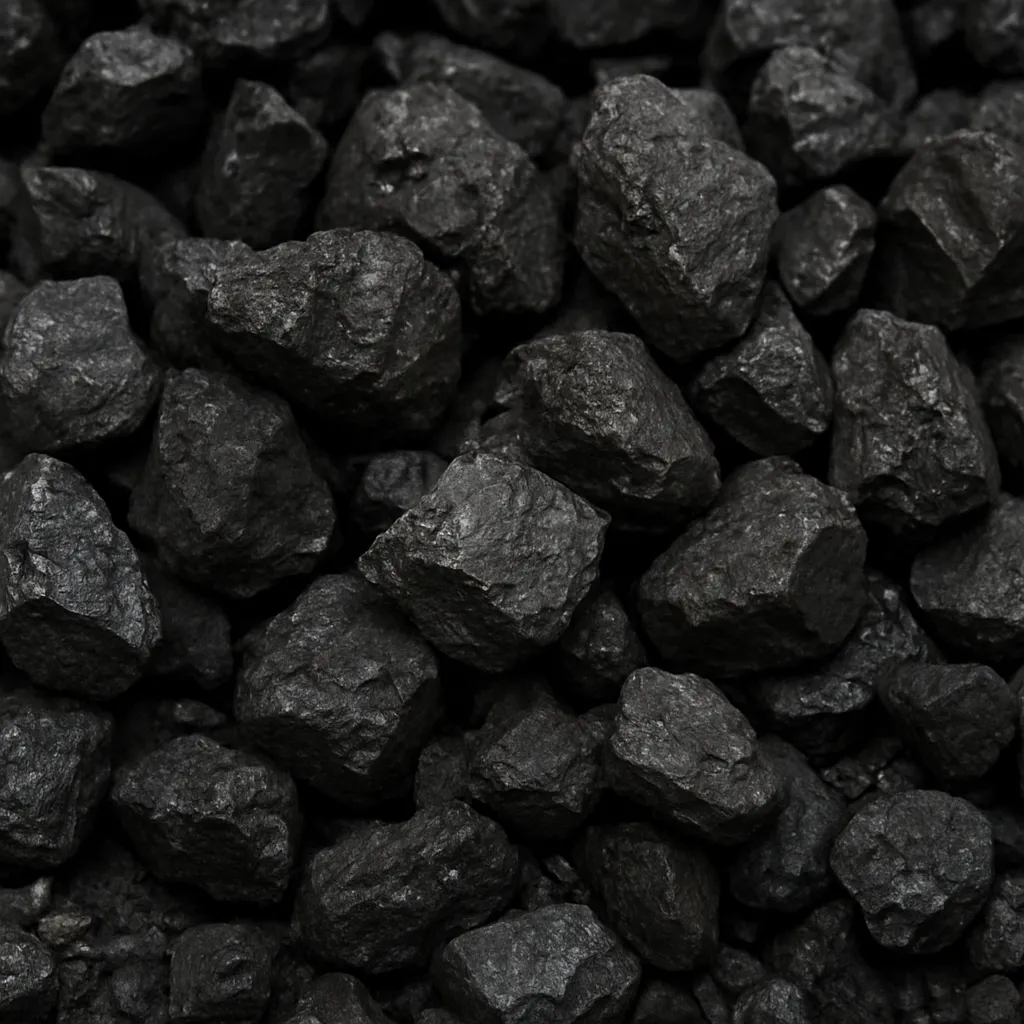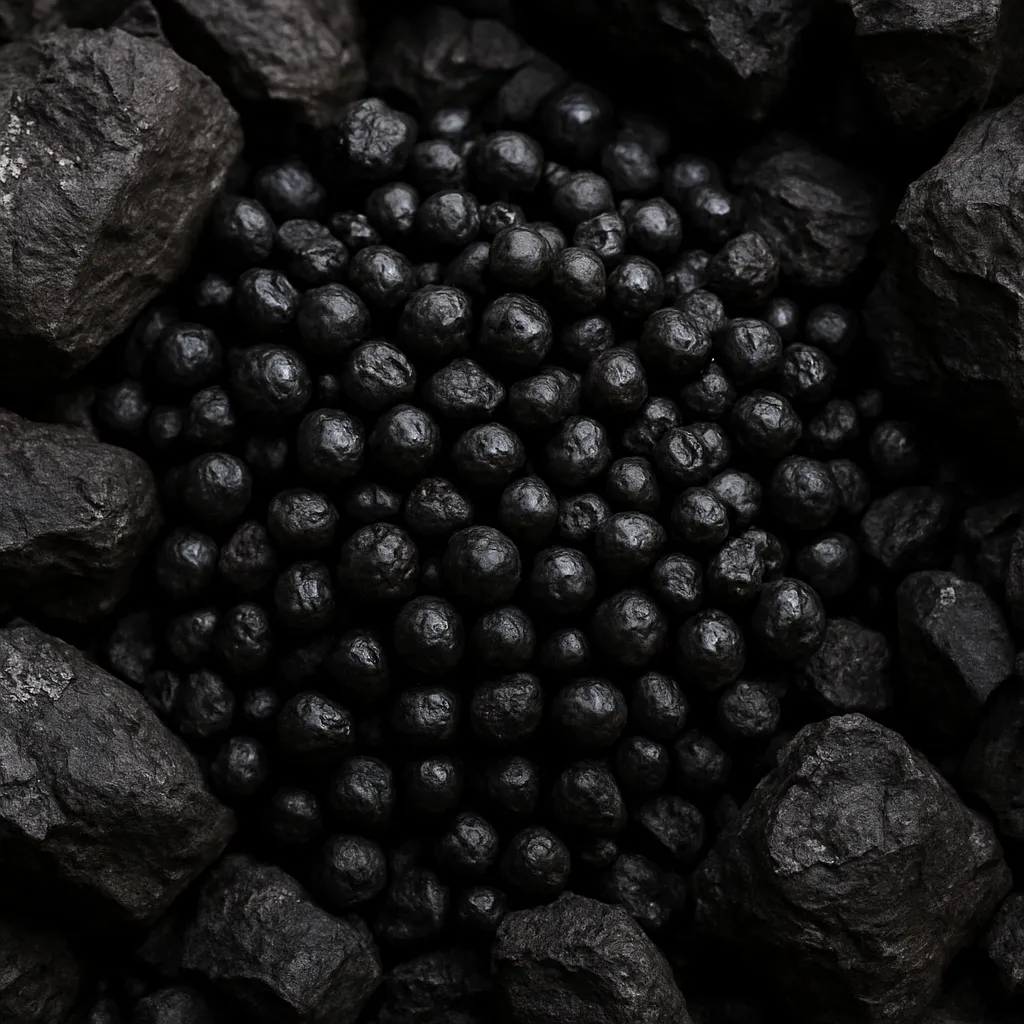
Pea coal is a widely recognized commercial grade of coal valued for its convenient size and versatile uses, especially in household heating and small industrial applications. This article examines what pea coal is, where it is produced and consumed, its role in markets and industry, and the environmental and economic forces shaping its future. Throughout the text you will find detailed descriptions of mining and processing methods, trade and consumption patterns, and practical considerations for users and policy makers. Key concepts such as pea coal, size, calorific value, and emissions are emphasized to guide readers to the most important points.
Definition, Characteristics and Classification
Pea coal is not a separate geological type of coal but rather a commercial size grade produced from various coal ranks. It is typically generated by screening and, if necessary, crushing larger lumps to produce a relatively uniform small lump size suitable for particular uses. The name “pea” reflects the small, rounded lumps that resemble peas in size and appearance. Because pea coal can be produced from different ranks—ranging from anthracite (hard, high-carbon coal) to bituminous varieties—its physical and chemical characteristics vary considerably depending on origin.
Typical physical characteristics
- Size: size specifications vary by country and supplier, but pea coal is commonly produced in a size range of roughly 6–25 mm (screen sizes depend on local standards). Exact cut points differ by market and intended use.
- Density and hardness: influenced by coal rank—anthracite pea is harder, denser and cleaner-burning than bituminous pea.
- Calorific value: varies by rank; typical ranges are roughly 20–33 MJ/kg for commercially used pea coal (higher for anthracite, lower for lower-ranked bituminous grades).
- Sulfur and ash: dependent on the seam and washing; sulfur content may range from very low (0.2–0.5%) in cleaned anthracite to several percent in higher-sulfur bituminous coals.
Because pea coal is a product of processing rather than a singular seam type, buyers should assess quality by proximate and ultimate analysis (moisture, volatile matter, fixed carbon, ash, sulfur, and calorific value) rather than name alone.
Where Pea Coal Occurs and Is Produced
Geologically, coal occurs in sedimentary basins where ancient plant material was buried, compacted and altered over geological time. Pea coal is therefore produced wherever there are accessible coal reserves and an established coal processing and distribution infrastructure. Production can be both a direct outcome of mining seams of particular rank and the result of processing and sizing operations applied to run-of-mine coal.
Major producing regions and examples
- North America: Anthracite pea coal is historically associated with northeastern U.S. (Pennsylvania). Bituminous pea coal is produced across Appalachian and midwestern basins where coal is processed for domestic, industrial and export markets.
- United Kingdom and Ireland: Historically important coalfields in Wales, Yorkshire and Scotland supplied domestic-sized coals (including pea and nut). Today, much domestic coal production has declined but imports and regional distribution continue to supply niche markets.
- Europe (Central and Eastern): Coalfields in Poland, the Czech Republic, and Romania produce coal that is often screened to produce small-size grades for household and small-industrial uses.
- Asia and Oceania: Large coal-producing countries such as China, India, Australia and Indonesia supply many coal size fractions. In China and India, small-size coal is widely used in domestic and small-scale industrial heating.
- Russia and Central Asia: Significant production of size-graded coals for domestic heating and industrial use.
In many markets pea coal is less about the geological origin and more about the local supply chain: mines, preparation plants, and local merchants who bag and sell screened sizes for household stoves, bakeries, greenhouses and small industrial boilers.
Mining, Processing and Quality Control
Pea coal is typically produced in coal preparation plants where ROM (run-of-mine) coal is crushed, screened and often washed. The goal is to deliver a uniform, saleable size fraction with controlled impurity levels and acceptable thermal performance. Processing steps and quality-control measures are crucial to produce a consistent product that meets regulatory and customer expectations.
Processing steps
- Crushing: larger lumps are crushed to liberate coal and produce manageable size fractions.
- Screening: multi-deck screens sort coal into lump, nut, pea, and smaller fractions. Screen apertures determine commercial size definitions.
- Washing and density separation: in many operations coal is washed to remove mineral matter (ash) and reduce sulfur and ash content.
- Drying and blending: moisture control can be important for bagged retail product; blending of different seams is common to achieve target calorific value and burn characteristics.
- Packing and distribution: pea coal is commonly sold loose in bulk to local merchants or bagged (10–25 kg bags) for retail sales.
Quality control frequently includes laboratory proximate and ultimate analyses, calorific testing, and routine dust and particle-size monitoring. End-user acceptance criteria may include low fines content, predictable burn rate, and minimal clinker formation.
Economic and Market Aspects
The market for pea coal has both retail and industrial components. Retail demand historically comes from residential heating and small commercial users; industrial buyers use pea coal in small boilers and process heating where a small lump size makes fuel handling easier. The economics of pea coal are influenced by local fuel alternatives (natural gas, electricity, wood pellets), price of larger coal grades, regulatory constraints on burning coal indoors, and transportation costs.
Market structure and pricing
- Locality matters: because coal transport costs are significant relative to the commodity price for small-size grades, pea coal markets are usually local or regional. Availability tends to be best near historical coalfields or ports with active coal handling facilities.
- Retail versus wholesale: small consumers typically pay a premium for bagged or convenience-sized pea coal compared with bulk industrial coal due to packaging and handling costs.
- Price drivers: coal rank (higher-rank commands higher prices per tonne calorific unit), processing costs, environmental compliance (dust control, packaging), and competition from alternatives all affect price.
Global context: worldwide coal production has been on the order of roughly 7–8 billion tonnes annually in recent years (pre-2023), with significant contributions from China, India, the United States, Australia and Indonesia. Those national totals are dominated by thermal and metallurgical coal for power generation and steelmaking; small-size fractions such as pea coal represent only a modest slice of total tonnage but can be economically significant in local retail markets.
Uses and Industrial Significance
Pea coal finds applications in multiple sectors because the size is convenient for small stoves, bakeries, greenhouses, and small industrial boilers. Its main advantages are ease of handling compared to fine coal, good combustion characteristics when properly matched to the appliance, and suitability for bulk feeding or hopper-fed small boilers.
- Residential heating: many domestic stoves and multi-fuel appliances are designed to burn small lumps; pea coal provides a balance between steady burn and easy ignition.
- Commercial bakeries and food processing: historical use where coal-fired ovens require a small, controllable fuel size.
- Small industrial boilers: pea coal is used in small or modular boilers where automated feeding is intended but very small fines would cause bridging.
- Blending and metallurgical feedstock: in some contexts, pea-sized coal is a component of blends for coke preparation or for small gasification units, though metallurgical processes typically require specific coal properties beyond size.
Importantly, pea coal is seldom a feedstock for large coal-fired power stations, which prefer larger lump sizes or pulverized coal supplied as slurries or powdered fuel. Its niche role is therefore concentrated in distributed heating and small-scale industrial operations.
Environmental, Health and Regulatory Considerations
Burning coal—regardless of size—produces combustion by-products (CO2, NOx, SO2, particulate matter, and ash). Pea coal, by virtue of being small lump coal, can produce significant particulate emissions if appliances are poorly designed or if burning is uncontrolled. Many jurisdictions have enacted rules and incentives to reduce residential coal combustion or to require the use of low-emission “smokeless” fuels in urban areas.
Air quality and health
- Particulate matter (PM2.5 and PM10): residential coal burning can be a major contributor to local particulate pollution, with well-documented health impacts including respiratory and cardiovascular disease.
- Sulfur dioxide and acid deposition: higher-sulfur coals produce SO2 unless desulfurized in the supply chain; this is less of an issue with cleaned anthracite pea coal but significant with untreated bituminous varieties.
- Carbon dioxide: combustion of coal releases CO2 proportional to carbon content; reducing residential coal combustion is often part of municipal and national decarbonization strategies.
Regulatory responses vary: some cities and countries have banned the sale of certain smoky coal grades or restricted coal burning during pollution episodes; others provide grants for fuel-switching (to gas, electric heating, or heat pumps) or promote smokeless anthracite-type products. The balance between energy affordability and air quality goals shapes policy toward pea coal in many regions.
Trends, Challenges and the Future
The future of pea coal reflects larger energy-system transitions as well as local socioeconomic realities. In high-income countries with decarbonization commitments, residential coal use has declined sharply due to the shift to gas and electric heating and to strict emissions regulations. In contrast, in many lower-income and rural regions, coal (including small-size fractions) remains a cheap and reliable heating fuel where alternatives are less accessible.
- Decline in developed markets: electrification and natural gas networks, plus regulations on domestic coal burning, reduce demand for pea coal in many cities.
- Persistent niche markets: remote areas, traditional industries and cultural preferences can sustain demand for pea coal for years to come.
- Opportunities for cleaner products: washed anthracite pea, densified coal briquettes and treated smokeless fuels can reduce emissions and prolong market life in regulated areas.
- Supply-chain resilience: local production and small-scale distribution often make pea coal less vulnerable to global price swings than export-focused coal sectors, but transport costs remain a limiting factor.
Practical Notes for Buyers and Users
If considering pea coal for heating or industrial use, attention to quality, appliance compatibility and local regulations is essential. Important considerations include calorific value, moisture and ash content, sulfur levels, and the fraction of fines (dust). Proper storage—dry, ventilated and off the ground—reduces losses from moisture and spontaneous combustion risk in large bulk piles.
- Match coal rank to appliance: anthracite pea burns longer and cleaner than bituminous pea but may be harder to ignite.
- Check for certifications: where available, choose suppliers that provide analysis and traceability.
- Manage emissions: use approved stoves and chimneys; consider particulate filters or transition to low-emission fuels to meet local air-quality rules.
Statistical Context and Quantitative Observations
Although pea coal itself is a small fraction of global coal tonnage, it plays an outsized role in localized heating economies. Some pertinent quantitative observations to place pea coal in context:
- Global coal production: in the 2010s and early 2020s global annual coal production was on the order of 7–8 billion tonnes. China is the largest producer and consumer by far, accounting for roughly half of global consumption in many years.
- Regional significance: in parts of Europe and eastern North America, household coal burning historically represented a meaningful share of seasonal fuel demand; even as aggregate volumes fall, the retail market for bagged small-size coals remains active in certain communities.
- Price sensitivity: small-size coal retail prices reflect processing, packaging and distribution costs; because of high per-tonne handling costs, retail users often pay a significant premium compared with bulk industrial buyers.
Precise tonnages for pea coal specifically are rarely reported in international statistics because national and global coal statistics aggregate by use (thermal, metallurgical) and rank rather than by commercial size. Local industry associations or national statistical agencies sometimes publish retail coal sales by product type, which is the best source for detailed local figures.
Interesting and Lesser-Known Facts
- Pea coal can be produced intentionally from higher-quality anthracite seams to create a near-smokeless domestic product, combining convenience with lower visible emissions.
- In some historical contexts, “pea” and “nut” coals were blended to achieve an optimal burn profile: small pieces for quick ignition and larger pieces for sustained heat.
- Pea coal particles, because of their size, can cause fewer mechanical flow problems than very fine coal in small-hopper stokers—an important practical advantage in certain boilers.
- Some small-scale industrial users value pea coal for reliable combustion in low-tech equipment where advanced fuel-feed systems are unavailable.
Conclusion
Pea coal remains a pragmatic fuel for many local markets where small lump size, handling convenience and proven combustion behavior are valued. While global trends toward decarbonization and clean-air policies are shrinking the role of residential coal in many countries, pea coal will likely persist in niches where alternatives are constrained by cost, infrastructure or tradition. Policymakers and users alike must weigh the benefits of affordability and fuel security against the public-health and climate impacts of continued coal combustion. For those who continue to rely on pea coal, attention to quality control, cleaner-burning varieties and appropriate appliances can mitigate many environmental concerns while preserving utility.
Note: All technical ranges and global totals are presented as indicative summaries. Quality and regulatory details vary by country and supplier; potential buyers should consult local standards and laboratory analyses for exact specification and compliance requirements.