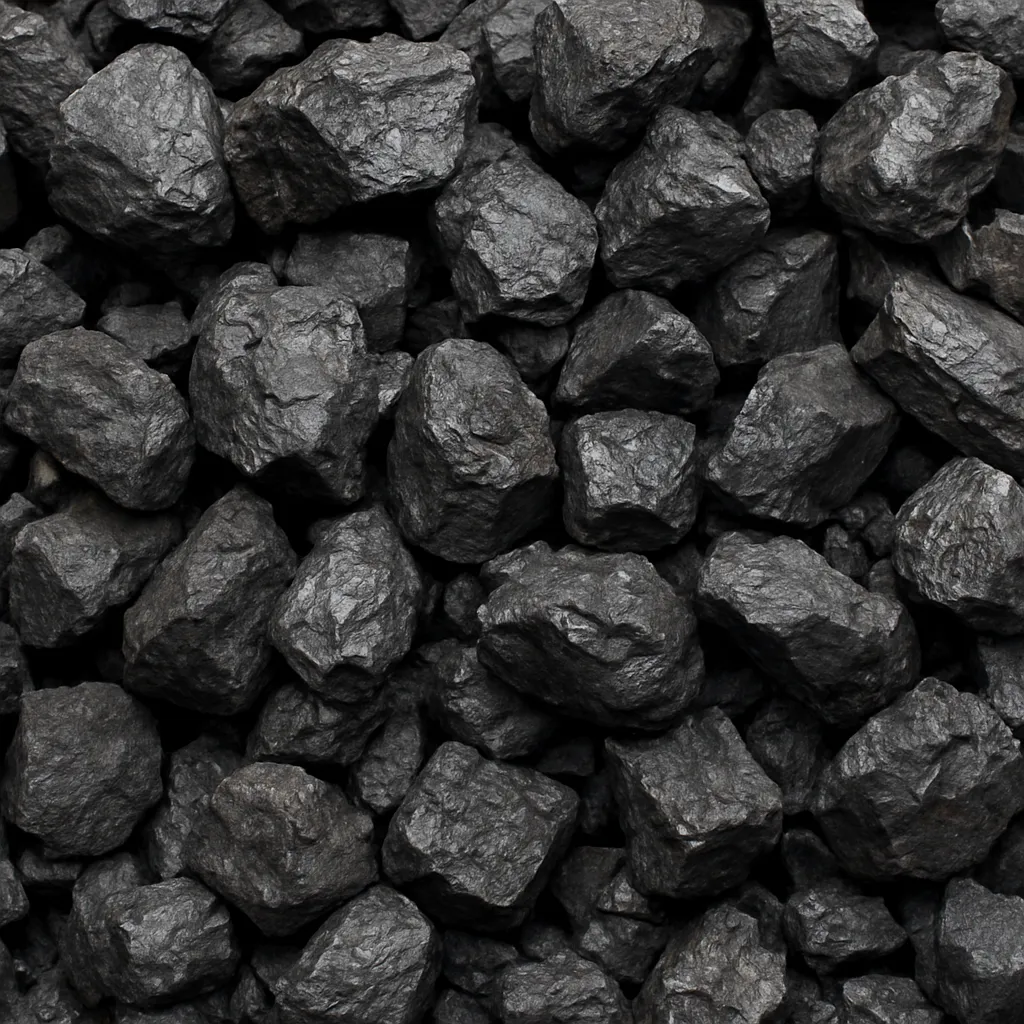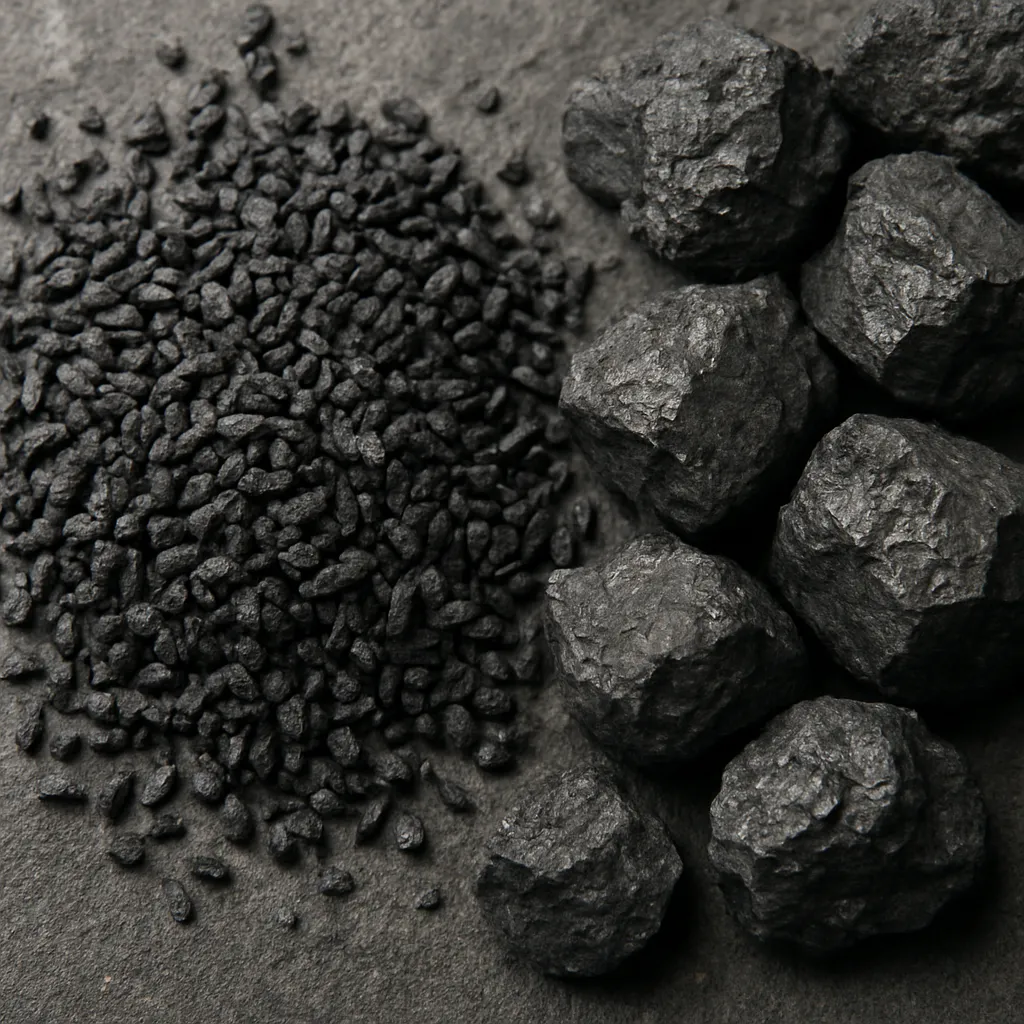
Rice coal is a term increasingly used to describe solid fuels derived from the agricultural residue of rice production — primarily rice husk — that have been carbonized, compressed or otherwise processed to function as a fuel. This article explores the nature of this fuel, where the raw material is produced and processed, how it is converted into usable fuel, its economic and industrial significance, environmental implications, and the main challenges and opportunities associated with its wider adoption. Throughout the text, key technical and policy concepts are highlighted to help the reader quickly grasp the most important points.
What rice coal is and how it is made
At its core, rice coal refers to fuels derived from rice husks or rice husk char that mimic the function of conventional coal for heating, cooking, and some industrial applications. Rice processing produces a large volume of husks — the outer protective layer removed during milling — which are ligno-cellulosic biomass. When subjected to thermal treatment, these husks can be transformed into a range of products:
- untreated fuel: raw rice husk burned directly as fuel;
- charcoal/biochar: produced by pyrolysis or slow carbonization;
- briquettes or pellets: densified forms combining char or husk with binders and additives to improve bulk density and combustion characteristics;
- torrefied rice coal: heat-treated under inert atmosphere (torrefaction) to improve grindability and energy density;
- activated carbon and specialty carbon products: high-value outputs from controlled thermal processes.
Production methods range from simple pit or drum carbonization used by small producers to sophisticated industrial pyrolysis units and briquetting lines. The choice of process determines the product’s calorific value, ash characteristics, mechanical strength, and suitability for specific end uses. Rice-husk-derived fuels are valued for being made from an abundant agricultural residue and for offering a pathway to reduce dependence on wood fuel and imported fossil coal in many regions.
Geography: where rice coal feedstock occurs and where it is produced
The geographic distribution of rice coal is directly tied to global rice cultivation. Rice is grown predominantly in Asia, with major producing countries including China, India, Indonesia, Bangladesh, Vietnam, Thailand, and the Philippines. Secondary production occurs in parts of Africa, Latin America and the southern United States. Where rice is produced, rice husk is an abundant by-product.
Key patterns:
- High-volume rice production regions (Southeast and South Asia, southern China) are the principal potential sources of rice husk feedstock.
- Local processing clusters often develop near milling centers to reduce transport costs, because raw husk is bulky and low-density unless preprocessed.
- Several countries have developed small-to-medium enterprises and larger industrial facilities that convert husk into briquettes, power, or other products; Vietnam and Thailand are often cited as leaders in rice-husk-based power generation and briquette production, while India has a wide network of small producers.
Because rice husk availability correlates with rice harvest cycles, many producers have built seasonal storage and processing capacity. Regions with constrained access to forest fuel or imported coal are particularly active in seeking rice-husk-based alternatives.
Technical and material characteristics
Understanding rice coal requires appreciating the raw material properties and how thermal processes change them.
- Raw rice husk: typically high in silica content and relatively low bulk density. Moisture content at harvest is variable and affects calorific value and storage stability.
- Rice husk ash (RHA): when husk is combusted or carbonized, the residual ash is rich in silica, often containing a very high proportion of amorphous silica under controlled conditions — a property that makes RHA valuable in cement and other industrial uses.
- Biochar and char: carbon-rich products from pyrolysis with higher energy density, improved handling properties, and potential for soil amendment applications.
- Briquettes and pellets: densification significantly increases bulk density and facilitates transport and use in stoves, boilers and small-scale power systems.
Energy values vary based on process and moisture. Typical ranges reported in the literature and in industry practice are:
- raw rice husk (dry): lower heating value often in the range of about 12–16 MJ/kg;
- briquetted or torrefied rice products: can approach 15–22 MJ/kg depending on moisture removal and densification;
- biochar from rice husk: energy density and combustion characteristics depend on carbonization temperature and residence time, but these products generally burn hotter and more steadily than raw husk.
A trade-off exists between maximizing combustible carbon (higher heating value) and retaining desirable ash properties: incomplete or low-temperature carbonization may leave more volatiles and lower energy density; excessively high temperatures can convert amorphous silica in the ash to crystalline forms, reducing its value for industrial applications.
Economic and statistical context
Rice coal economics must be viewed in the context of rice production volumes, local energy markets, logistics and policy incentives. While exact figures vary by country and year, several broad statistics and economic relationships shape the sector:
- Global rice production: on the order of several hundred million tonnes annually. As a general rule, rice husk amounts to roughly 15–25% of paddy weight, so global husk generation can easily reach tens to over a hundred million tonnes per year in aggregate — a substantial potentially usable biomass stream.
- Local substitution potential: in regions with high rice production, rice-husk-derived fuels can substitute a meaningful fraction of traditional biomass and, in some uses, low-grade fossil coal, particularly when logistics and processing are organized at scale.
- Costs and pricing: the raw material itself is often low cost or nominal (a by-product) but handling, drying, carbonization, and densification add value and cost. In localized markets, briquettes and char products can be price-competitive with wood charcoal or low-grade thermal coal once transport and stove compatibility are factored in.
- Value-add streams: rice husk processing can generate not only fuel but also silica-rich ash for cement and refractory industries, activated carbon for filtration, and biochar for agricultural soil improvement — diversifying income streams and improving project viability.
Examples of economic use-cases:
- Household cooking fuel: densified rice-husk briquettes are marketed in urban and peri-urban areas as cleaner alternatives to raw biomass.
- Small industrial heat: brick kilns, bakeries, rice mills and small factories often adopt rice-husk-fired boilers.
- Power generation: several grid-connected and captive power plants in Asia employ rice husk in grate-fired or fluidized-bed boilers to produce electricity at scales from a few MW to tens of MW.
- Co-firing with coal: rice-husk pellets are sometimes co-fired in coal-fired boilers to reduce fossil fuel consumption and emissions.
Industrial significance and common applications
Rice-husk-derived fuels have found multiple niches:
- Power generation: stand-alone rice-husk power plants and cogeneration systems at large rice mills create heat and electricity from a locally available fuel. This can strengthen energy security and reduce grid dependency.
- Industrial heat: brick and tile kilns, ceramic producers, and small process industries often use rice-husk-fired burners due to stable supply and reduced fuel costs.
- Household and commercial cooking: briquettes designed to fit existing stoves help urban households avoid wood or charcoal consumption while reducing indoor smoke.
- Material inputs: rice husk ash serves as a pozzolanic additive in cement and concrete, improving durability and reducing cement demand; high-silica RHA is prized in specialty materials.
- Soil amendment and carbon sinks: biochar from rice husk can improve soil properties, retain water and nutrients, and provide a partial carbon sequestration benefit when applied to soil.
Because rice-husk fuels often produce less particulate matter and different emission profiles than raw biomass or low-quality coal, they can enable local improvements in air quality when deployed with appropriate combustion technology.
Environmental impacts and policy context
Replacing open burning of rice residues or the use of wood fuel with processed rice coal has several environmental implications:
- Air quality: controlled combustion in appropriate boilers or stoves reduces black carbon and smoke compared to open burning or inefficient stoves.
- Greenhouse gases: using a biomass-derived fuel can be climate-beneficial if sustainable management and lifecycle accounting are applied; biochar application to soil locks some carbon in a stable form.
- Resource efficiency: converting an agricultural waste into fuel reduces landfill use and the need for virgin fuel sources.
- Industrial waste valorization: RHA provides a substitute for some industrial silica inputs, reducing the environmental footprint of cement and other sectors.
Policy drivers that influence uptake:
- Regulations banning agricultural residue burning encourage conversion to fuel products.
- Renewable energy incentives, carbon credits and circular-economy schemes can make rice-husk projects more financially attractive.
- Standards and quality assurance for briquettes and pellets improve market acceptance by ensuring consistent performance and low-emission combustion.
Challenges, technical limitations and health issues
Despite advantages, several constraints limit the widespread adoption of rice coal:
- Logistics and density: raw rice husk is low-density and bulky; transport economics favor local processing near mills. Densification is essential for broad supply chains but requires capital investment.
- Abrasiveness and ash behavior: high silica content in rice husk ash can be abrasive to moving parts and can lead to slagging or clinker formation in poorly designed combustion systems. Good combustion engineering is necessary.
- Quality variability: moisture, contamination and processing differences produce a range of fuel qualities; without standards, buyers may face inconsistent performance.
- Health risks from improper combustion: small informal stoves or open burning still produce harmful emissions; proper combustion technology is crucial to realize air-quality benefits.
- Market competition with cheap fossil fuels: where subsidized coal or very low-cost alternatives exist, rice-husk fuels may struggle to compete without policy support.
Technology trends and innovations
Modern developments in the rice coal sector focus on improving energy density, reducing emissions, and increasing value recovery:
- Gasification and small-scale combined heat-and-power (CHP) systems can convert rice husk into syngas for cleaner combustion and higher conversion efficiency.
- Torrefaction and advanced pyrolysis enhance product energy content and hydrophobicity, creating fuels more directly substitutable for fossil coal in some industrial settings.
- Improved briquetting and pelletizing machinery reduces production cost and enhances mechanical strength of final products.
- Integration with circular-economy chains: coupling energy production with RHA capture for industrial sale and biochar return to soils creates diversified revenue and improved resource efficiency.
Case examples and observed outcomes
Several recurring patterns have emerged in countries where rice-husk fuels have scaled:
- Energy self-sufficiency at rice mills: combined heat and power from husk can supply milling operations and nearby communities, lowering operating costs.
- Industrial adoption: brick kilns adopting rice-husk firing have reported cost savings and reduced wood extraction pressure on local forests.
- Value capture from RHA: producers that capture and market RHA to cement or construction material producers generate significant co-product revenues that improve project economics.
Future outlook: opportunities and strategic recommendations
Rice-husk-derived coal products occupy a distinctive niche at the intersection of agricultural waste management, renewable energy, and industrial material recovery. Key opportunities and strategic directions include:
- Scaling technology appropriate to local conditions: promoting modular pyrolysis and briquetting units in rice-producing regions to enable decentralized processing.
- Quality standards and certification: developing standards for calorific value, ash behavior, and emissions will reduce consumer risk and promote wider adoption.
- Policy support: incentives for residue utilization, carbon finance for biochar, and co-firing allowances can accelerate market development.
- Research and development: optimizing torrefaction and gasification for rice husk to increase substitution potential for coal in larger industrial boilers.
- Supply chain integration: connecting rice millers, briquette producers and buyers (industrial and household) via cooperative models reduces transaction costs and stabilizes supply.
When effectively implemented, rice coal solutions can turn a widespread agricultural residue into an economic asset that supports local energy needs, reduces environmental harms associated with open burning, and supplies industrial feedstocks in a circular manner. The degree to which these benefits are realized depends on engineering choices, market structures and policy frameworks that address the material’s unique characteristics — notably its high silica content and low raw density — while leveraging its ubiquity in rice-producing landscapes.
Key terms emphasized in this article — including rice husk, biochar, briquettes, renewable, silica, energy density, carbon sequestration, gasification, power generation and sustainability — reflect core technical, environmental and economic concepts that determine the potential of rice-husk-based fuels. Continued innovation, accompanied by sensible policies and market instruments, can expand the role of rice coal in clean energy transitions across rice-growing regions.