The Global Legacy of Coal Strikes and Labor Protests spans decades of conflict, solidarity, and transformation within the mining industry and beyond. As one of the earliest drivers of the Industrial Revolution, coal forged not only steel and steam but also powerful movements that shaped labor rights, economic policy, and environmental awareness across continents. This article explores the cultural, political, economic, and environmental dimensions of coal-related activism and examines how these historical struggles inform present-day debates on energy provision and the future of work.
Cultural and Political Impact of Coal Labor Movements
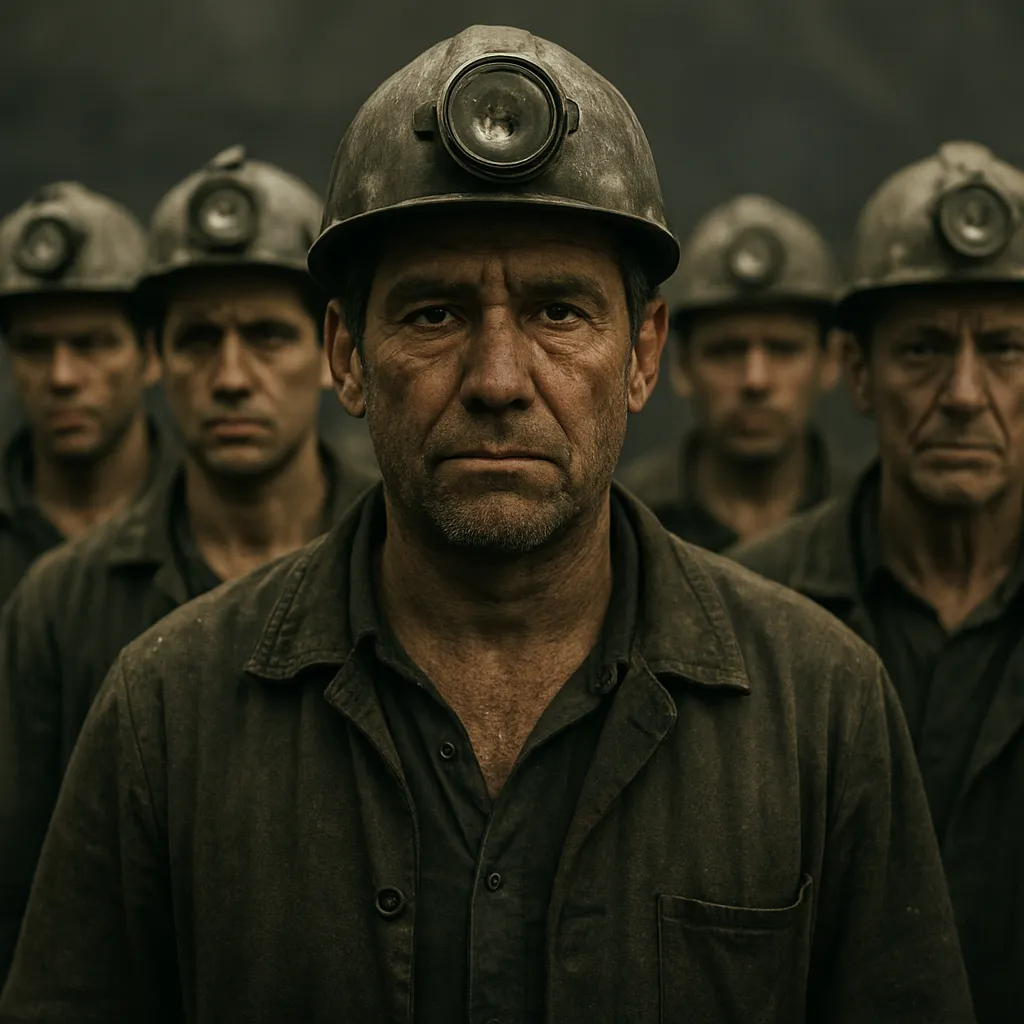
Communities built around coal mines developed unique social fabrics woven from shared hardship, pride, and resilience. In regions such as Appalachia, South Wales, and the Ruhr Valley, miners and their families experienced both the promise of stable wages and the peril of industrial accidents. Over time, they organized to demand safer working conditions, fair compensation, and political representation. Key features of this legacy include:
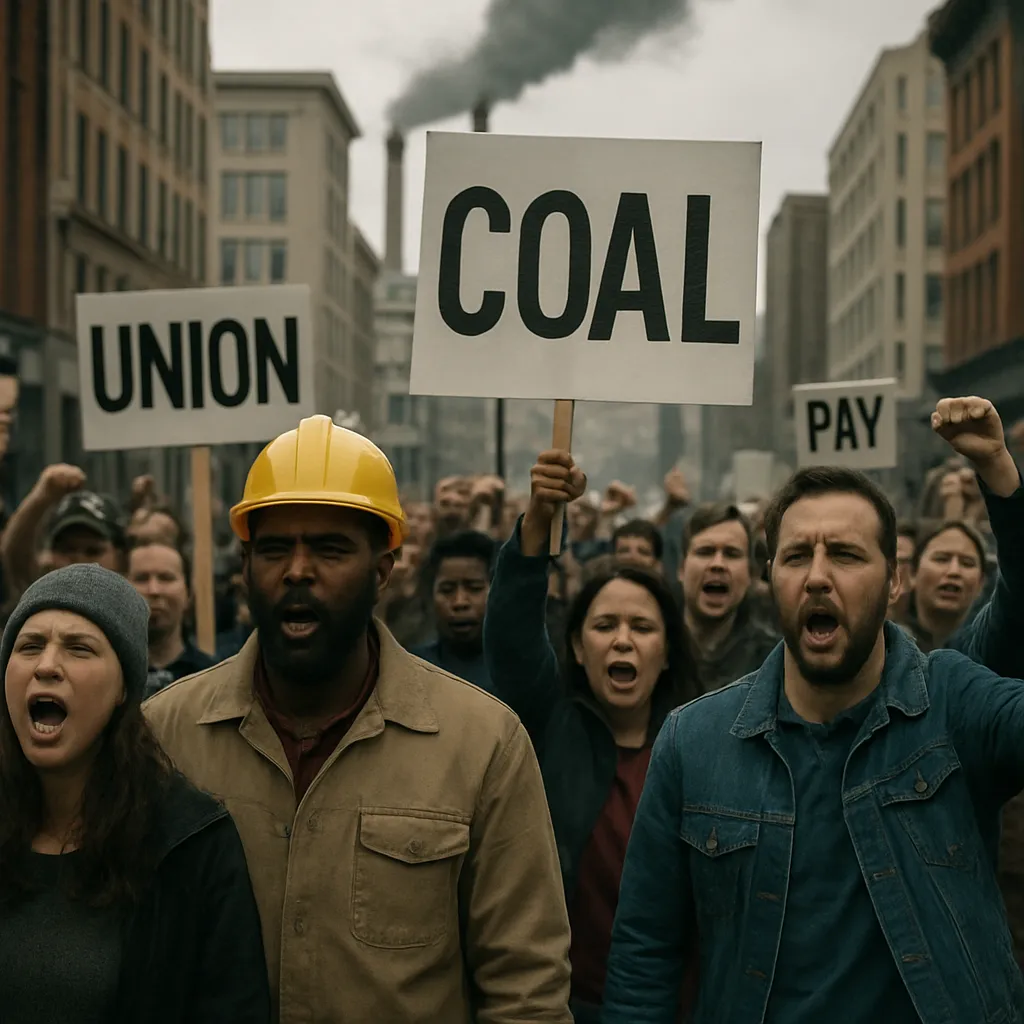
- Labor solidarity: Grassroots unions like the United Mine Workers of America and the National Union of Mineworkers in Britain united thousands of workers, fostering mutual aid and collective bargaining power.
- Political alignment: Miners’ strikes often intersected with broader political movements, influencing election outcomes and legislative reforms, from worker safety laws to social welfare programs.
- Cultural expression: Songs, poetry, and art—such as the ballads of the British coalfields and American folk tunes—served as vehicles for storytelling and protest, preserving the memory of struggle.
Major Milestones in Coal Protests
Several landmark events illustrate the transformative potential of collective action:
- The 1926 General Strike in the United Kingdom, where solidarity among miners, transport workers, and printers brought national attention to wage disputes.
- The Battle of Blair Mountain in 1921 West Virginia, one of the largest armed uprisings of workers in American history.
- The Senghenydd Colliery Disaster of 1913 in South Wales, prompting stronger safety regulations after the loss of 439 miners.
Economic Dynamics and the Role of Coal Stock Markets
Even as mining communities fought for rights underground, financiers and corporations orchestrated complex strategies above ground. Investment in coal stock became a barometer of industrial growth and investor sentiment. During boom periods, companies expanded output, opened new pits, and drove infrastructure developments. However, the volatility of commodities markets could swiftly turn prosperity into crisis.
Factors Influencing Coal Stock Performance
- Global demand for electricity and steel production, particularly in emerging economies.
- Regulatory changes, such as mine safety standards and taxation policies.
- Alternative fuels and technological innovations like natural gas fracking and renewable energy sources.
- Environmental litigation costs and public pressure on corporate social responsibility.
Analysts often track economy-wide indicators such as GDP growth and energy consumption forecasts to predict coal stock trajectories. During economic expansions, power plants ramp up coal-fired generation, boosting revenues. Conversely, recessions and rapid policy shifts toward decarbonization can trigger sell-offs and bankruptcies, leaving towns and pension funds vulnerable.
Environmental Challenges and the Path to Transition
While coal’s economic and cultural contributions are undeniable, its environmental footprint has sparked one of the most contentious debates of the modern era. The combustion of coal generates significant greenhouse gas emissions, particulate matter, and toxic byproducts, impacting air quality and public health. As awareness grew, so did organized campaigns by labor and environmental groups—sometimes in alliance, sometimes at odds.
- Legacy pollution: Abandoned mines continue to leach heavy metals into waterways, requiring costly remediation efforts.
- Climate commitments: International agreements such as the Paris Accord urge a rapid phase-out of coal-fired power in favor of cleaner alternatives.
- Just transition: A framework aiming to retrain displaced miners, invest in green jobs, and support affected communities during the shift to renewable energy.
- Technological responses: Carbon capture and storage (CCS) trials seek to mitigate emissions but remain commercially challenging.
Balancing Jobs and Emissions
Policymakers face a dual mandate: preserve employment opportunities in mining regions while accelerating the shift toward low-carbon energy. Initiatives include:
- Retraining programs in wind and solar installation, battery manufacturing, and ecological restoration.
- Financial incentives for repurposing former mine sites into data centers, research parks, or recreational spaces.
- Community-led cooperatives that own and manage small-scale renewable projects, ensuring local revenue streams.
Such strategies aim to reconcile the deep-rooted identity of mining towns with the imperatives of a rapidly evolving energy landscape. The goal is to forge a sustainable, inclusive model where the benefits of innovation are shared across all social strata.
Global Perspectives on Coal and Labor Activism
Across continents, the story of coal and worker mobilization takes diverse forms. In Indonesia and South Africa, modern mining giants contend with indigenous land rights and environmental justice movements. In China and India, high domestic demand sustains large-scale extraction operations, even as public protests over pollution intensify. Each context reveals a tension between immediate economic needs and long-term health and climate goals.
- In Poland, coal remains central to national identity and energy security, leading to policy debates over EU decarbonization targets.
- In Australia, Aboriginal communities challenge coal development projects that threaten sacred sites and ecosystems.
- In Latin America, artisanal miners organize cooperatives to protect livelihoods amid multinational corporate expansion.
These global dynamics underscore the interconnected nature of global energy markets and the solidarity that can emerge when workers, activists, and policymakers share a common cause. The evolving dialogue centers on how to reconcile the historical importance of coal with a future defined by environmental stewardship and equitable growth.
The Future of Coal: Reflection and Action
As the world grapples with the urgency of climate change, the debates ignited by past coal strikes and labor protests resonate more strongly than ever. The lessons learned from these movements inform contemporary efforts to balance energy security, economic stability, and environmental responsibility. By honoring the struggles of miners who fought for dignity and safety, society can build more resilient systems that respect human rights and planetary boundaries alike.
Ultimately, the legacy of coal is neither wholly triumphant nor entirely tragic; it is a testament to human ingenuity, courage, and the ongoing quest for justice. The task ahead is to translate that heritage into policies and practices that ensure a prosperous, clean, and inclusive energy transition.