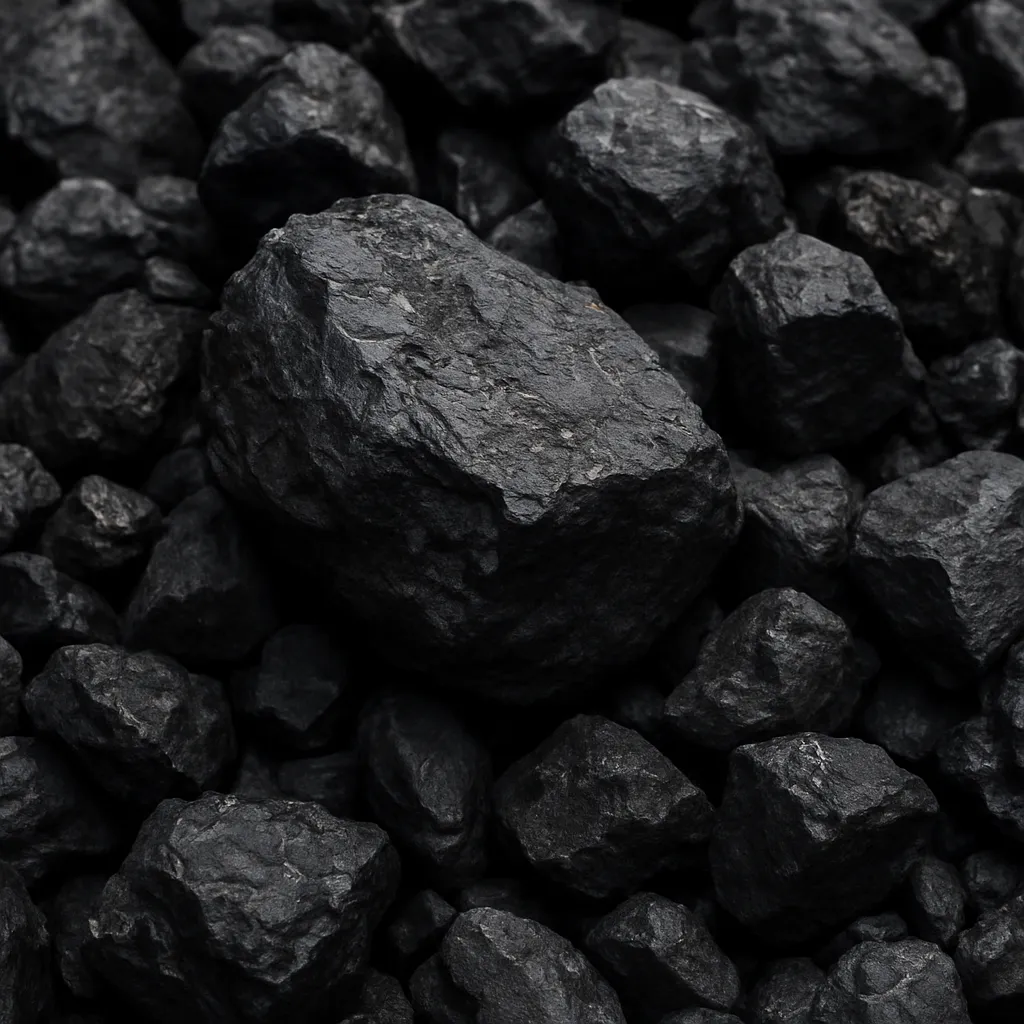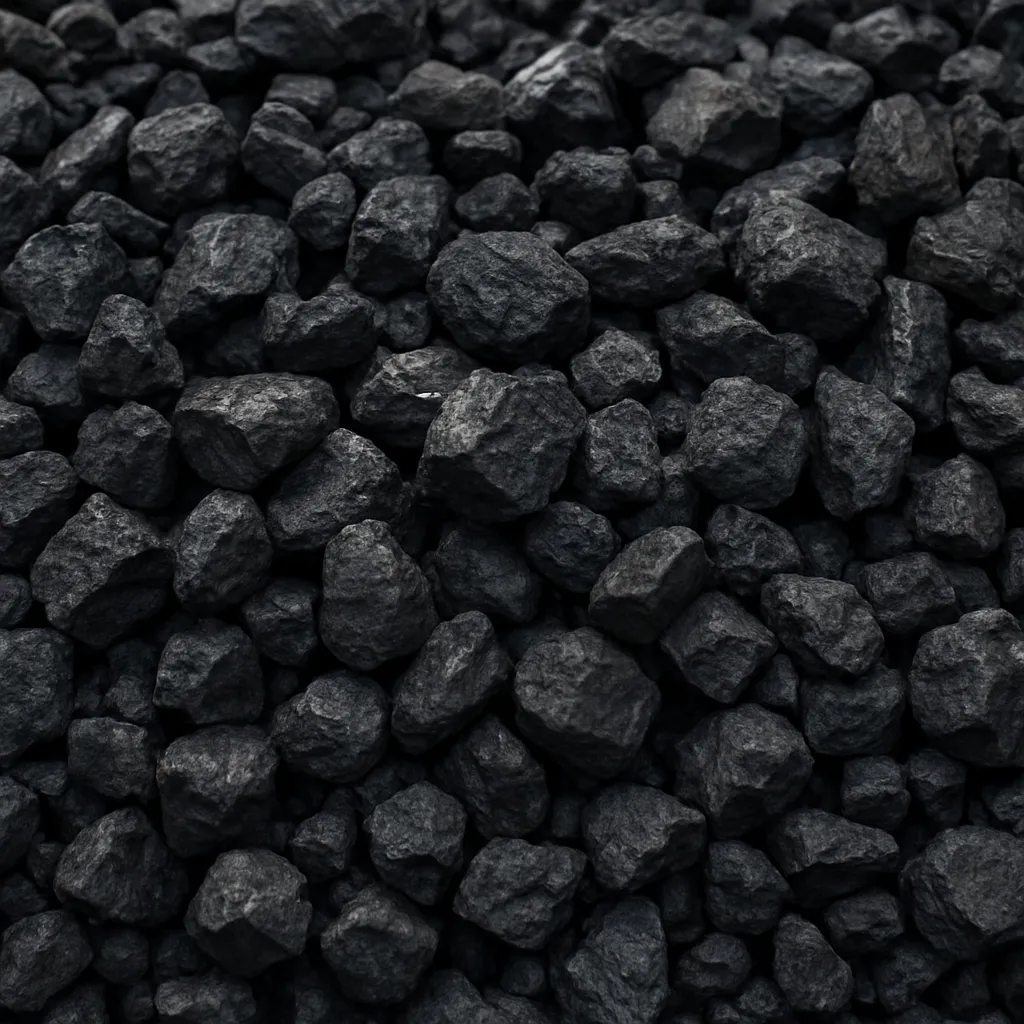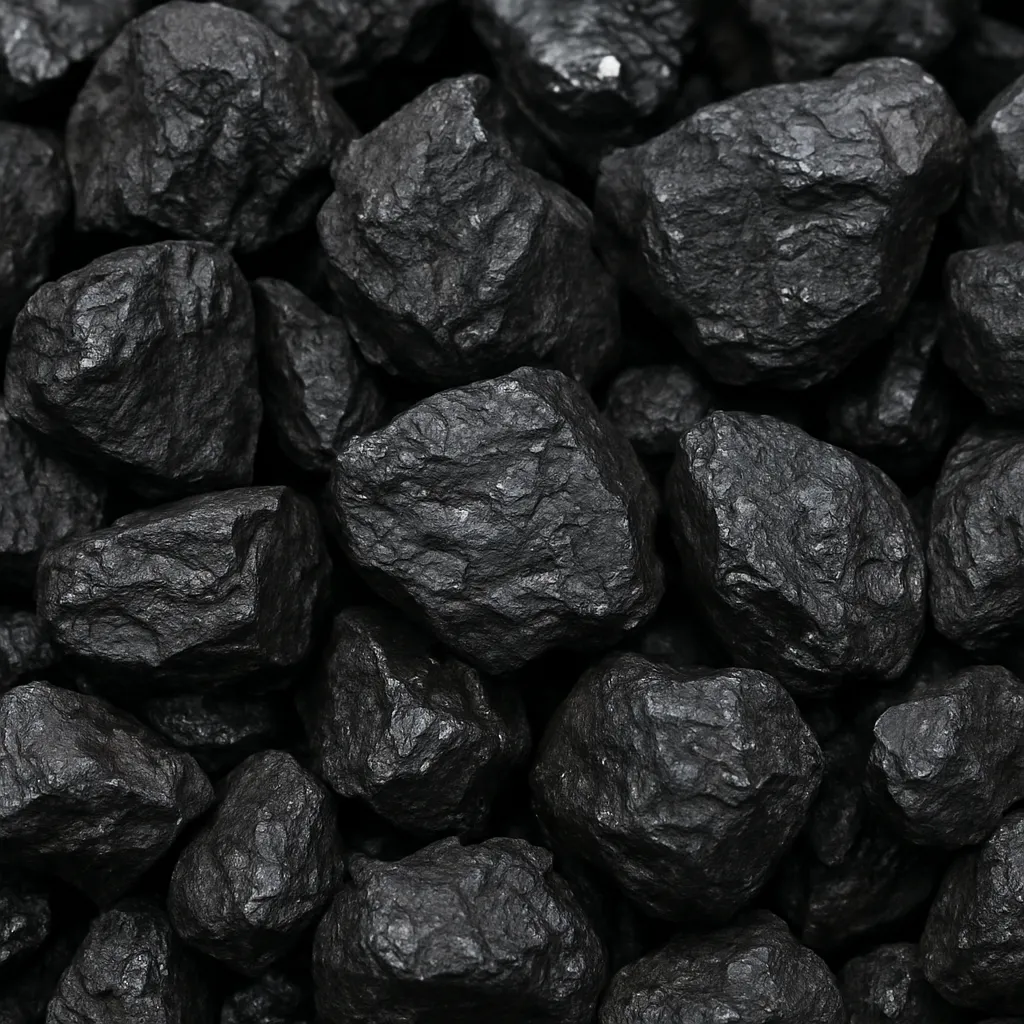
Non-caking coal is a broad category of coals that do not soften, plasticize or fuse into a coherent, porous mass (coke) when heated in the absence of air. It is primarily valued for its role as a reliable fuel in power generation and various industrial processes where caking or coking behavior is undesirable. This article examines the geological nature of non-caking coal, where it occurs and is mined, its economic and industrial importance, statistical perspectives on its production and trade, environmental and technological considerations, and a number of practical and lesser-known facts that shape its current and future role in the global energy system.
Geology, classification and physical properties
Coal is classified by rank—from lignite through sub-bituminous, bituminous to anthracite—and by behavior during carbonization. The defining characteristic of non-caking coal is the absence or very low degree of “plasticity” and swelling during heating. In petrographic and industrial terms, non-caking coals lack the molecular and maceral composition that produces a coherent coke (a process important for steelmaking). Instead they lose moisture and volatile matter and leave a porous char or semicoke that does not bind into a solid mass.
Major physical and chemical parameters that determine whether a coal is non-caking include volatile matter content, vitrinite reflectance, rank, and the proportions of macerals (vitrinite, liptinite, inertinite). Non-caking coals tend to have higher moisture and volatile content at lower ranks (e.g., sub-bituminous) and often higher ash or mineral matter content that inhibits the plastic stage that produces cokes. Typical heating value ranges are approximately:
- lignite: about 8–16 MJ/kg
- sub-bituminous: about 16–22 MJ/kg
- bituminous: about 24–35 MJ/kg
- anthracite: about 30–36 MJ/kg
Non-caking coals frequently fall in the lower-to-mid ranks (sub-bituminous and lower bituminous) but are defined by the absence of caking behavior rather than rank alone. Industrial tests such as the Free Swelling Index (FSI), Gieseler plastometer measurements and coke strength indices are used to classify coals for coking or non-coking behavior. An FSI near zero and negligible Gieseler fluidity indicate non-caking character.
Where non-caking coal occurs and where it is mined
Non-caking coals are found in most of the major coal basins worldwide because non-caking is a common property of sub-bituminous and many low-volatile bituminous coal seams. Important regions and examples include:
- Powder River Basin (PRB), USA — One of the world’s largest sources of low-sulfur, high-moisture sub-bituminous coal used in electric power generation. PRB coal is typically non-caking and is transported by rail to U.S. power plants and for limited export.
- Indonesia (Kalimantan and Sumatra) — Large quantities of sub-bituminous and low-rank thermal coals produced for the seaborne market, mostly non-caking and used widely in Asia for power generation. Indonesia is a leading global exporter of thermal coal.
- Australia — While Australia is renowned for both metallurgical (coking) and thermal coals, substantial volumes of non-caking sub-bituminous and thermal bituminous coal are exported from ports such as Newcastle.
- Russia (Kuzbass and Far East basins) — Supplies include both coking and non-caking coals; many of the large deposits produce thermal coal used domestically and for export.
- South Africa, Colombia and South America — Major exporters of thermal coal, much of which is non-caking and destined for international utilities.
- China, India and Poland — Large domestic producers and consumers of thermal coal; geological diversity results in both coking and non-caking coals across these countries.
In short, non-caking coal is widespread. Where industrial demand favors power generation, cement manufacturing, or other thermal uses, mines often target non-caking seams or blend to achieve desired behavior in end-use boilers and plants.
Economic and trade aspects
Globally, the majority of coal demand is for thermal purposes; estimates indicate that metallurgical (coking) coal accounts for a minority share of global coal production (commonly in the range of 15–25%), while the balance—often characterized as non-coking or thermal coal—represents roughly 75–85% of production. These proportions fluctuate with economic cycles and steel production. Worldwide coal production before and around the early 2020s was on the order of roughly 7–8 billion tonnes per year; much of that volume corresponds to thermal, non-caking coal.
Seaborne trade in thermal coal is dominated by a handful of exporters: Indonesia, Australia, Russia, South Africa and Colombia. Prices for non-caking/thermal coal are generally lower and more volatile than those for metallurgical coal. Market pricing is influenced by several factors:
- global electricity demand and the fuel mix for power generation;
- availability of alternative fuels (natural gas, renewables);
- transport costs from mine to plant (rail and port capacity);
- quality attributes: calorific value, ash content, moisture and sulfur;
- policy drivers and carbon pricing that push demand away from coal in certain jurisdictions.
Key price references in the international market include the Newcastle benchmark for thermal coal exports and API indexes (e.g., API2, API4) covering different regional trade routes. Historically, thermal coal prices have oscillated widely: relatively low in the mid-2010s, rising into 2021 and experiencing volatility tied to logistical disruptions and shifts in global energy markets. Because non-caking coal is the backbone of the thermal market, its pricing dynamics directly affect electricity costs, margins for coal-fired plants, and the economics of coal-fired industrial processes.
Industrial uses and significance
Non-caking coal plays a central role across several sectors:
- Electric power generation — By far the largest use. Non-caking coals are milled and burned in pulverized coal boilers, circulating fluidized beds or stoker-fired units. The specific choice of coal relates to boiler design and emission control systems. Low-sulfur non-caking coals (e.g., PRB coals) are valued for easier compliance with sulfur dioxide limits.
- Cement and lime manufacture — Coal provides the heat for clinker kilns; non-caking coal is preferred because it avoids clinker contamination by fused residues.
- Industrial steam and process heat — Factories, chemical plants and refineries use non-caking coal where coal remains the chosen fuel.
- Coal gasification and chemical feedstocks — Sub-bituminous and non-caking coals can be gasified to produce syngas, which in turn can be used for power, chemicals, hydrogen or liquid fuels (coal-to-gas, coal-to-liquids) under appropriate economics and environmental controls.
- Pulverized Coal Injection (PCI) in blast furnaces — While metallurgical coke is essential for blast furnace structure and chemical reduction, PCI allows injection of lower-cost, non-caking coals to reduce coke demand and lower costs. The coal must meet specific properties, and many non-caking coals are suitable for partial injection.
- Briquetting and industrial solid fuels — Non-caking coals with appropriate binders are formed into briquettes or pellets for specialized uses, improving handling and combustion characteristics.
The significance of non-caking coal in industry also lies in its volumetric scale. Because most electricity systems historically relied on coal, thermal coal markets underpin large segments of energy-intensive industries, regional employment in mining communities, and global trade patterns.
Statistics, production and reserves (approximate figures)
Reliable global statistics vary with source and year, but several broad facts are useful for context:
- Global coal production in recent years has been on the order of roughly 7–8 billion tonnes annually (all purposes). That number dipped during 2020 because of pandemic-related demand reductions and rebounded thereafter.
- China is the single largest producer and consumer of coal, producing around half of the world’s total in many recent years. Much of China’s coal consumption is for thermal power and industrial heat, hence a large share is non-caking for thermal uses, though China also produces and consumes significant coking coals for steelmaking.
- Other large producing countries include India, the United States, Australia, Indonesia and Russia. Indonesia is a leading exporter of non-caking sub-bituminous thermal coal; PRB in the United States is a major domestic supplier of non-caking coal to U.S. utilities.
- Seaborne trade in thermal coal has historically been measured in the hundreds of millions of tonnes annually, with Indonesia and Australia often exporting several hundred million tonnes each in strong years.
- Reserves-to-production ratios for coal remain high; at current consumption levels many analysts estimate several decades to more than a century of recoverable coal resources globally, though the distribution between coking and non-coking reserves varies by basin and is subject to technical and economic constraints.
Because non-caking coal comprises the bulk of thermal coal production, its market size corresponds to the dominant share of these global numbers. Exact splits between coking and non-caking coal fluctuate, but the simple rule is that most seaborne thermal tonnage is non-caking.
Quality control, handling and processing
Although non-caking coals do not form coke, their quality still matters greatly to plant operators and buyers. Key quality attributes include:
- Calorific value (heating value), typically expressed in kcal/kg, MJ/kg or Btu/lb.
- Ash content and composition, which affect slagging, fouling and disposal costs.
- Moisture content, which lowers net calorific value and affects transport economics.
- Sulfur and trace element content, which drive emission control costs and compliance requirements.
- Grindability, particle size distribution for pulverized fuel systems, and propensity to spontaneous heating during storage and transport.
Coal washing and beneficiation remove mineral matter and lower ash and sulfur, improving combustion and emissions. For non-caking coals, careful handling is needed because high-moisture sub-bituminous coals can be prone to spontaneous heating in large stockpiles; engineering measures (compaction, monitoring, inerting) are commonly used. Blending of coals from multiple seams or suppliers is a standard commercial practice to achieve target performance in boilers and furnaces.
Environmental, policy and technological drivers
Non-caking coal faces the same environmental pressures as other coal types: combustion produces carbon dioxide, sulfur oxides, nitrogen oxides, particulate matter and trace toxic metals unless controlled by mitigation technologies. The key industry responses include:
- End-of-pipe controls — flue gas desulfurization (FGD), selective catalytic reduction (SCR) for NOx, electrostatic precipitators and fabric filters for particulates, and mercury control systems.
- Efficiency improvements — ultra-supercritical and advanced ultra-supercritical coal-fired plants burn coal more efficiently, emitting less CO2 per MWh. The ability of non-caking coals to perform in these advanced boilers depends on coal properties and plant design.
- Carbon capture and storage (CCS) — technically feasible but costly; when deployed, CCS could allow continued use of non-caking coal with substantially lower CO2 emissions.
- Fuel switching and renewables — in many economies, the long-term trend is toward replacing coal-fired generation with natural gas and renewables, which reduces demand for thermal non-caking coal. However, in regions with growing power demand or limited alternatives, coal remains essential.
Policy instruments—emissions regulations, carbon pricing, renewable portfolio standards and investment signals—strongly affect the economic viability of coal-fired plants and therefore the demand for non-caking coal. The pace of decline in coal use varies by region; in several developing countries, new coal-fired capacity (often using modern, more efficient plants) continues to be built, sustaining demand for thermal, non-caking coal.
Market trends and future outlook
Short- to medium-term demand for non-caking coal will be shaped by the interplay of energy security concerns, electricity demand growth, fuel price cycles, and climate policy. Several trends are notable:
- Regional persistence — In Asia (particularly Southeast Asia, South Asia and parts of East Asia), coal-fired power remains a central pillar of electricity systems, supporting sustained demand for non-caking coal imports and domestic production.
- Price cyclicality — Seaborne thermal coal markets remain sensitive to supply disruptions, shipping bottlenecks and weather-related demand. Prices can spike during tight market conditions and fall when supply is abundant.
- Upgrading and diversification — Non-caking coal may find additional value through gasification, hydrogen production pathways or as feedstock for chemical production in a constrained CO2 world if coupled with CCS.
- Stranded asset risk — Policy-driven declines in coal demand raise the risk that some coal assets (mines, rail lines and power plants) become economically unviable before the end of their planned lives.
Interesting technical and operational notes
A few practical and often overlooked points about non-caking coal:
- Not all non-caking coals are low quality; some high-energy non-caking bituminous coals burn cleanly in modern boilers and can deliver high thermal efficiency.
- Many non-caking coals are ideal for fluidized bed combustion, a technology that tolerates variable fuel quality and allows in-bed sulfur capture using limestone.
- PCI systems in steelmaking provide a valuable outlet for certain non-caking coals and help steel producers reduce coke consumption and costs.
- Analytical characterization is essential: two coals with similar calorific values can behave very differently in boilers. Buyers rely on proximate and ultimate analyses, plus specialized tests, to manage performance risk.
- Non-caking coals can be blended into metallurgical coal mixes for specific PCI applications, expanding markets for coals that otherwise would be restricted to thermal uses.
Concluding perspective
Non-caking coal is a fundamental commodity underpinning electricity generation and a range of industrial processes across the globe. While the industry faces strong headwinds from decarbonization policies and competition from low-carbon technologies, non-caking coal’s role remains significant in regional economies and in the operational portfolios of utilities and heavy industries. Its widespread geological occurrence, cost competitiveness for certain applications, and the sheer scale of existing infrastructure mean that non-caking coal will continue to be an important energy and industrial feedstock for years to come, even as markets evolve toward lower-emission futures.