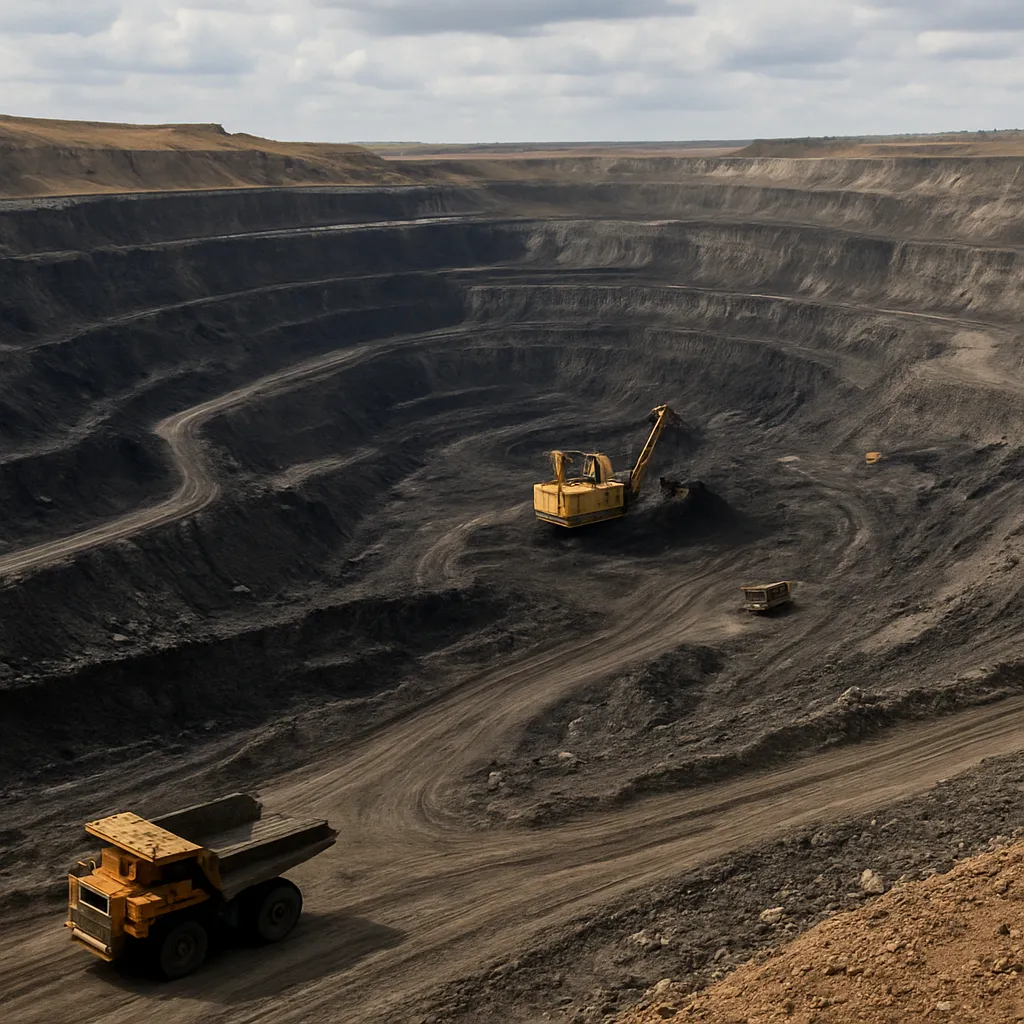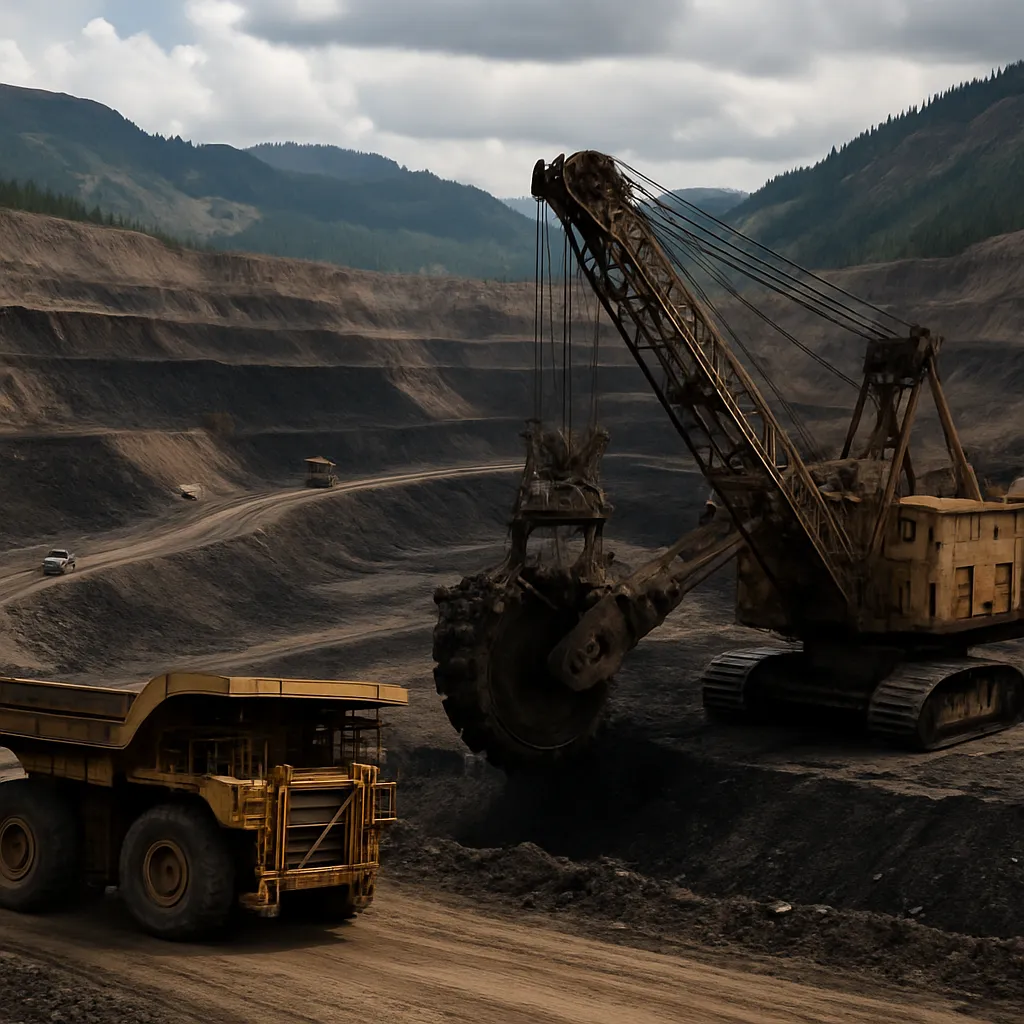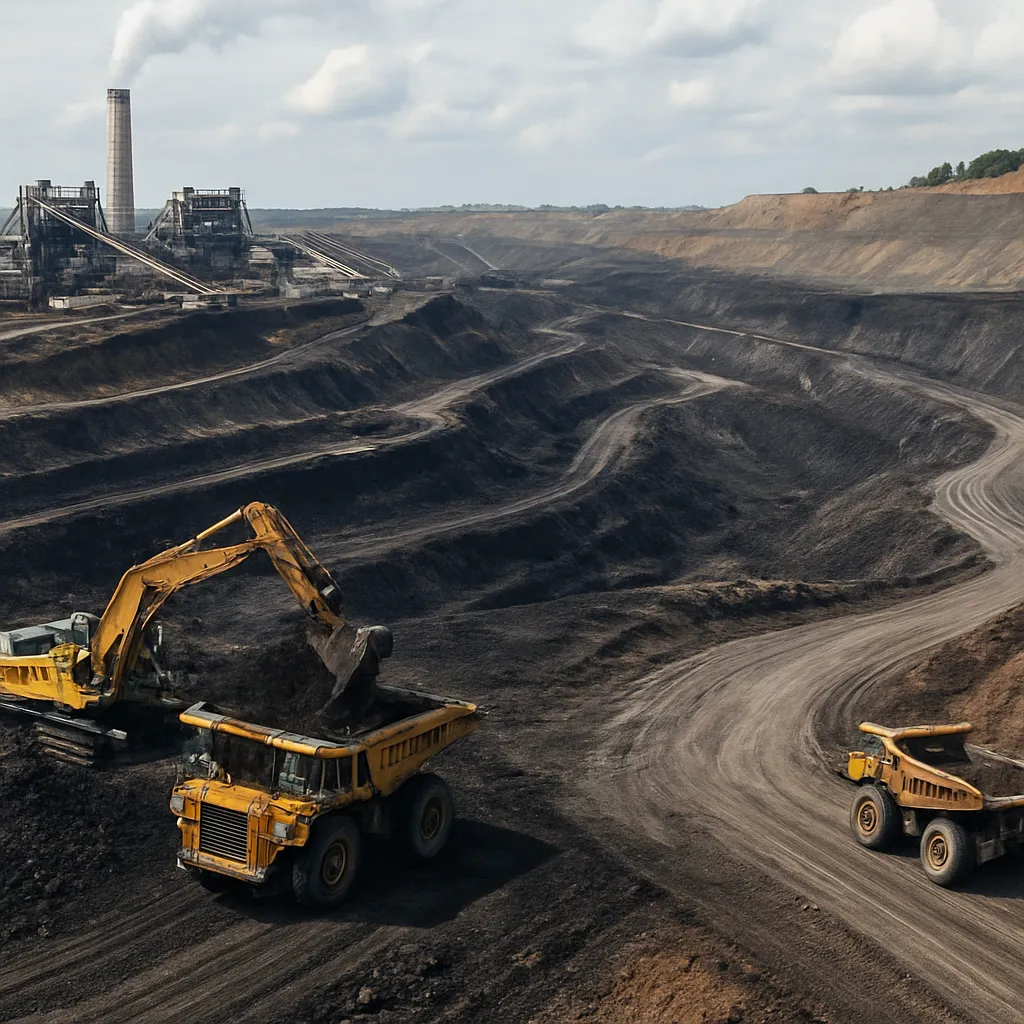
Kideco Roto Mine is part of the broader coal-mining footprint of PT Kideco Jaya Agung in Indonesia. Located in the coal-rich provinces of Kalimantan, this mining complex and its associated operations play a notable role in regional employment, national energy supply chains and the export markets of thermal coal across Asia. The following article examines the mine’s location and geology, the type and quality of coal produced, economic and social impacts, operational logistics, environmental considerations and future prospects. It aims to provide a comprehensive picture of Kideco Roto Mine’s significance within Indonesia’s large and complex coal sector.
Location, geology and mining context
Kideco Roto Mine is situated on the island of Borneo, within Indonesian Kalimantan — a region widely recognized for its abundant coal basins. The mine lies in an area characterized by extensive Tertiary sedimentary formations and coal-bearing strata that have been the focus of commercial exploitation for decades. The broader Kideco portfolio historically centers on projects in East Kalimantan and adjacent regencies, where large open-pit operations access relatively shallow coal seams.
Geologically, the coal seams around the Roto area are typically part of the Barito, Kutai or adjacent basins (depending on exact locality), which contain a mix of peat-derived coal deposits ranging from low- to medium-rank. The geology favors open-pit mining methods where strip ratios and seam thickness allow economic extraction with large earth-moving equipment. The regional setting also includes alluvial plains, rivers and lowland tropical forest — factors that shape both operations and environmental management obligations.
Type of coal and quality characteristics
Kideco Roto Mine primarily produces **thermal coal**, the grade mostly directed to power generation and other industrial heat applications. Indonesian coal from Kalimantan is commonly described as sub-bituminous to high-volatile bituminous in some seams, with the following typical characteristics (generalized for the region rather than quoted as a precise laboratory result for the Roto seam):
- Calorific value: generally in the range of 4,000–6,500 kcal/kg (ADB/industry ranges for similar Indonesian coals).
- Moisture content: often elevated compared to higher-rank coals, which affects transport and combustion efficiency.
- Ash and sulfur: ash content can be moderate to high depending on seam impurities; sulfur is frequently low to moderate, making it relatively suitable for power plants with basic emission controls.
- Usage: predominantly for **thermal power plants** (domestic and export markets), cement kilns and industrial boilers.
The Roto output therefore feeds the large demand for steam coal in Southeast and East Asia. Buyers typically value predictable calorific values and reliable supply volumes over the very high calorific values associated with fewer metallurgical coal types.
Production, reserves and statistics
Exact current production and reserve figures for the Roto Mine may vary depending on company reporting and the scope of what is defined as “Roto” within Kideco’s concession portfolio. PT Kideco Jaya Agung as a group has been consistently listed among Indonesia’s larger coal producers, with multi-million tonne annual production at the company level in recent years. Indonesia itself has exported and produced hundreds of millions of tonnes of thermal coal annually, making the country the largest global seaborne exporter of coal.
Some generalized statistical points relevant for understanding the scale and contribution of mines such as Roto:
- Indonesia’s seaborne coal exports in recent market cycles ranged around 350–500 million tonnes per year; fluctuations are caused by demand from China, India and Southeast Asian buyers, as well as domestic consumption.
- Large individual Indonesian coal mines commonly have annual production capacities ranging from several million tonnes to more than twenty million tonnes; medium mines often produce 1–5 million tonnes annually.
- Reserves in long-established Kalimantan concessions are commonly measured in tens to hundreds of millions of tonnes, depending on concession size and geological continuity.
While the above figures do not substitute for audited company disclosures, they situate Kideco Roto within an industry scale in which single-concession outputs can materially influence local economies and export flows.
Economic and regional significance
Kideco Roto Mine contributes economically at multiple levels: local employment, regional infrastructure investment, fiscal revenues, and trade balance effects via exports. Coal mining in Kalimantan often stimulates development of roads, power and port investments and can be a principal employer in remote districts.
Key economic impacts include:
- Employment: direct operational jobs (equipment operators, engineers, technicians), indirect employment (contractors, transport, logistics, services) and induced jobs in local commerce. A single large mine can support thousands of jobs over the life of the project.
- Local revenue: royalties, taxes and community development programs mandated under Indonesian mining regulations provide channels for revenue to the regency and provincial governments.
- Exports: coal sales to international buyers generate foreign exchange and support national trade balances. Mines like Roto are part of the aggregate supply that keeps Indonesia a dominant exporter of thermal coal.
- Supply security: domestically, Indonesian coal is critical for the country’s electricity generation mix and for regional power projects across Southeast Asia.
Operations, infrastructure and logistics
Operationalizing a mine like Roto requires an integrated logistics chain, from open-pit extraction and on-site processing to stockpiling, transport and shipping. Typical infrastructure elements include:
- Heavy earthmoving fleets (shovels, haul trucks), primary and secondary crushers if required, and material handling systems.
- Conveyor belts within the mine site and to local stockyards.
- Road networks and barge terminals for rivers that provide cost-effective bulk transport to coastal export terminals.
- Export facilities: smaller coastal terminals or coordinated access to larger ports designed for coal loading onto panamax or smaller bulk carriers.
- Support facilities: power generation for site operations, workshops and maintenance yards, and camp facilities for workforce.
Barging and transshipment are common in Kalimantan where rivers provide natural bulk-transport routes, reducing the need for long overland trucking. Depending on the buyer contracts, coal is shipped under long-term offtake agreements or sold on the spot market via traders.
Environmental and social considerations
Mining in tropical, biodiverse regions raises substantial environmental and social issues. Operators such as those at Kideco Roto Mine are expected to follow Indonesian regulations and industry best practices for minimizing impacts, which include:
- Land clearing and habitat loss: avoiding or mitigating deforestation, preserving riparian buffers and restoring mined land through progressive rehabilitation.
- Water management: controlling sediment runoff, maintaining water quality in local rivers and managing dewatering processes to prevent impacts on groundwater-dependent communities.
- Air quality: dust suppression at haul roads, crushing facilities and stockpiles; controlling emissions from diesel fleets.
- Greenhouse gas emissions: addressing operational CO2 emissions and fugitive methane, and participation in broader energy transition debates where thermal coal’s role is increasingly scrutinized.
- Community engagement: local employment priorities, social investment programs (health, education, infrastructure), grievance mechanisms and respect for customary land rights.
Regulatory frameworks in Indonesia require reclamation and social programs, and companies often publish sustainability disclosures that describe their approach to minimizing impacts and enhancing stakeholder benefits. Nonetheless, community groups and environmental NGOs continue to press for stronger protections, transparent reporting and accelerated land rehabilitation.
Market dynamics, buyers and price sensitivity
The commercial reality for mines like Kideco Roto is that they operate within volatile global coal markets. Key drivers include:
- Demand from major Asian buyers — historically **China**, **India**, **Japan**, **South Korea** and Southeast Asian countries — which determines export volumes and price levels.
- Global energy policies and the pace of the energy transition. While short-to-medium-term demand for thermal coal can remain robust, long-term demand is subject to decarbonization policies and replacement by renewables and gas.
- Logistics costs and freight rates, which affect the delivered cost competitiveness of Indonesian coal in different markets.
- Domestic policy: Indonesian domestic market obligations (DMO) historically allocate a proportion of production for domestic consumption at regulated prices, influencing how much coal is available for export.
Prices for seaborne thermal coal have been cyclical, with spikes during periods of supply disruption or elevated demand and corrections when demand softens. Mines with efficient low-cost operations and access to reliable logistics tend to fare better in weak price environments.
Regulation, permitting and community relations
Indonesian mining operations must navigate a regulatory framework covering permits, environmental impact assessments (AMDAL), reclamation bonds, production reporting and community development obligations. Local and provincial governments exercise authority over land-use approvals and monitoring of environmental compliance.
Community relations are critical: companies maintain community development programs (CSR/PKBL), vocational training and local hiring targets to sustain social license to operate. Conflict can arise over land access, water use and the distribution of benefits; robust consultation and transparent benefit-sharing mechanisms reduce the risk of disputes.
Future prospects and challenges
Several strategic and operational challenges will shape the medium-term outlook for Kideco Roto Mine:
- Energy transition pressure: as global and regional consumers decarbonize, coal demand may decline in certain markets, requiring diversification strategies or efficiency improvements.
- Cost management: maintaining competitive unit costs through efficient mining, reduced haulage expenses and lower overburden ratios.
- Resource extension: exploration and reserve replacement to sustain multi-decade operations depend on continuous geological work and capital investment.
- Environmental performance: enhancing rehabilitation rates, reducing emissions and meeting more stringent environmental standards demanded by financiers and buyers.
Opportunities include servicing regional energy needs where coal remains economically important, developing value-added logistics to reduce transport costs, and participating in reclamation and land-use projects that create sustained local economic value beyond the mine life.
Interesting facts and curated statistics
Below are curated insights that underline the broader context in which Kideco Roto Mine operates. Specific mine-level numbers are often included in company reports; readers should consult PT Kideco Jaya Agung’s public disclosures for audited figures.
- Indonesia is the world’s largest seaborne exporter of thermal coal, with annual exports that have exceeded 350 million tonnes during high-demand years. This national scale makes individual Kalimantan mines part of a globally important supply chain.
- Many Kalimantan operations, including those operated by major contractors, have life-of-mine horizons measured in decades when reserves are consolidated and managed for sustained production.
- Mines that achieve annual output at the multi-million tonne level significantly influence local employment and can be central to regency-level budgets through taxes and royalties.
- Environmental monitoring and progressive rehabilitation have become standard expectations for major mining companies in Indonesia, reflecting both national rules and market pressures from international buyers and financiers.
Practical note on numbers and transparency
For readers seeking precise production, reserve and financial statistics for Kideco Roto Mine specifically: company annual reports, sustainability reports and disclosures to the Indonesian Ministry of Energy and Mineral Resources are the authoritative sources. Trade publications and industry analysts also publish periodic production rankings and market share estimates for major Indonesian producers. Where precise numbers are required (tonnages, calorific values, revenues), rely on those audited or regulator-submitted documents to avoid inconsistencies that arise from changing operational scopes and commodity price effects.
Conclusion
Kideco Roto Mine is emblematic of Indonesia’s large thermal coal sector — a combination of geologically favorable deposits, significant regional economic impact, and complex environmental and social responsibilities. Its thermal coal contributes to domestic power generation and regional export flows. The mine’s future will be shaped by market demand in Asia, the company’s ability to maintain cost-effective and environmentally compliant operations, and broader shifts in global energy consumption patterns. For stakeholders — from local communities to international buyers — understanding the interplay of geology, logistics, regulation and market dynamics is essential when assessing the operational and strategic importance of Kideco Roto Mine within Indonesia’s mining landscape.