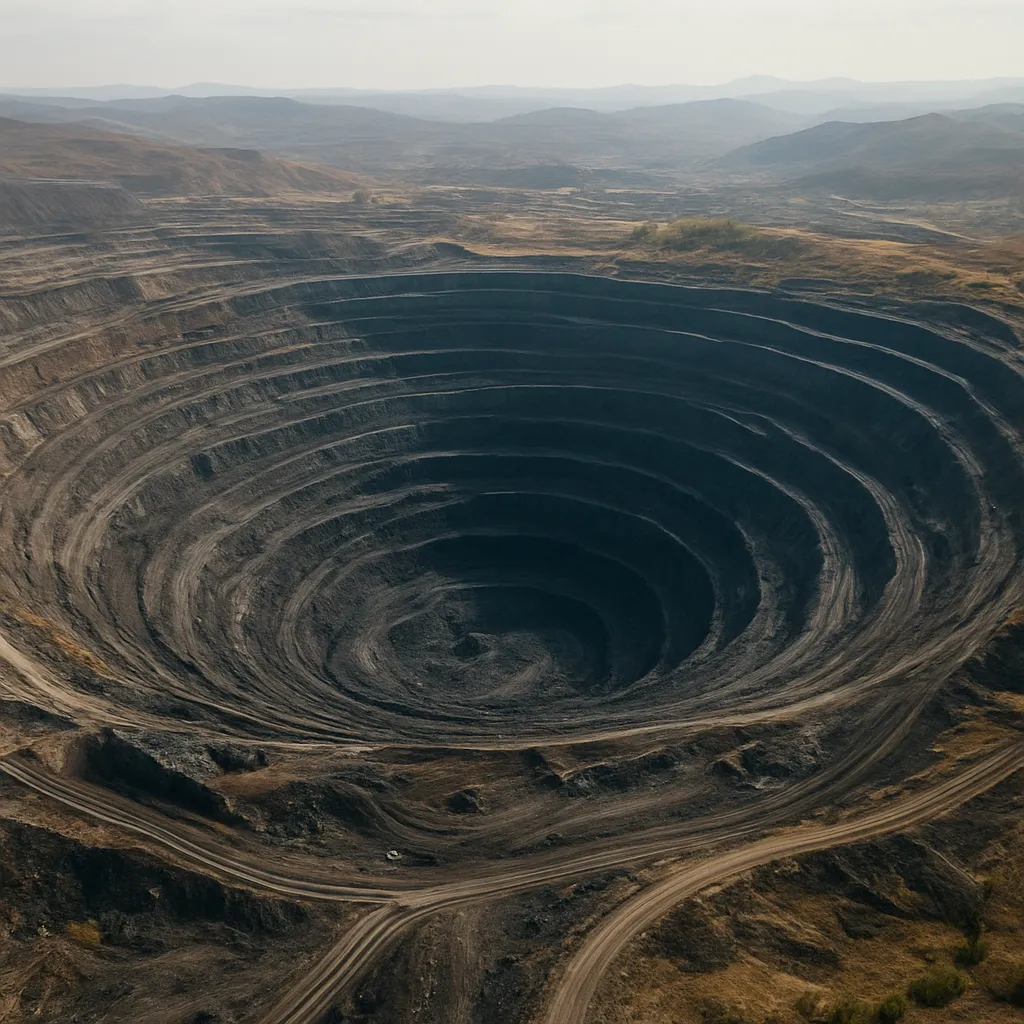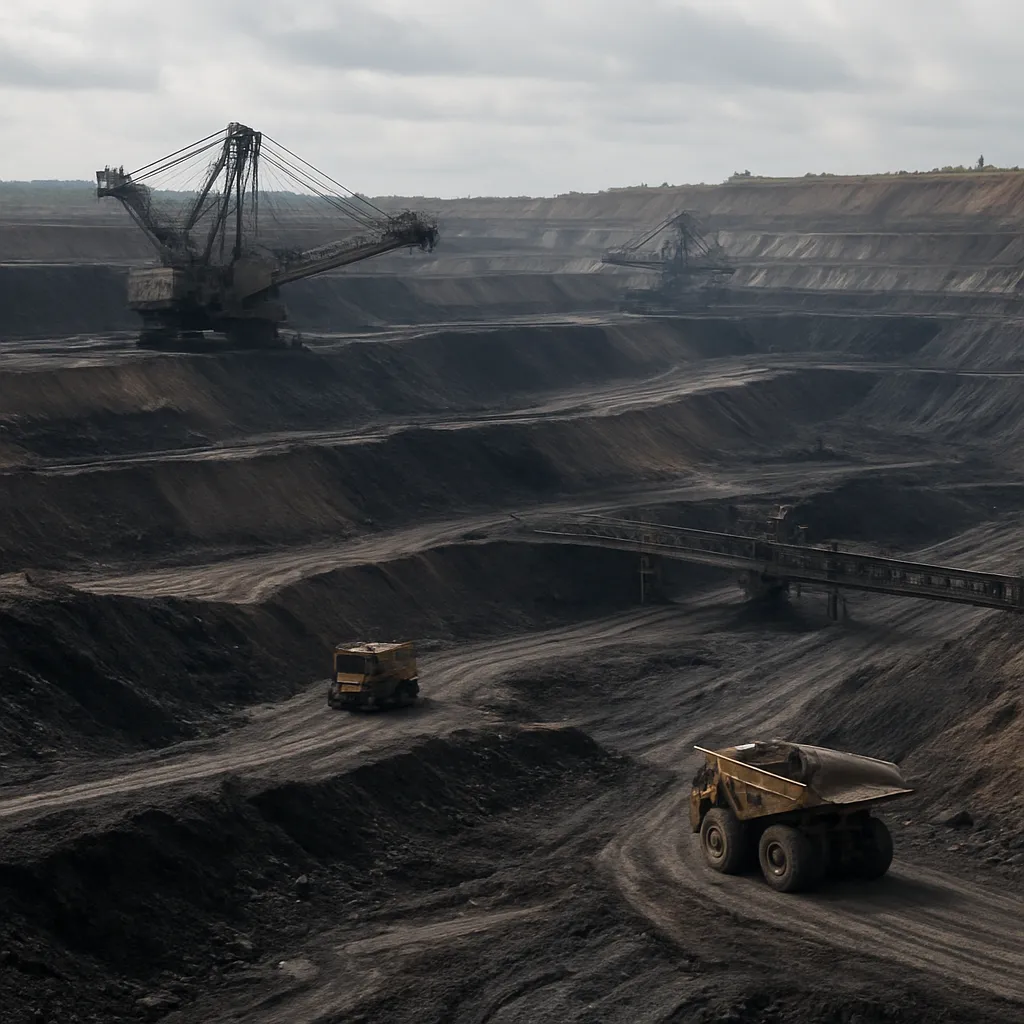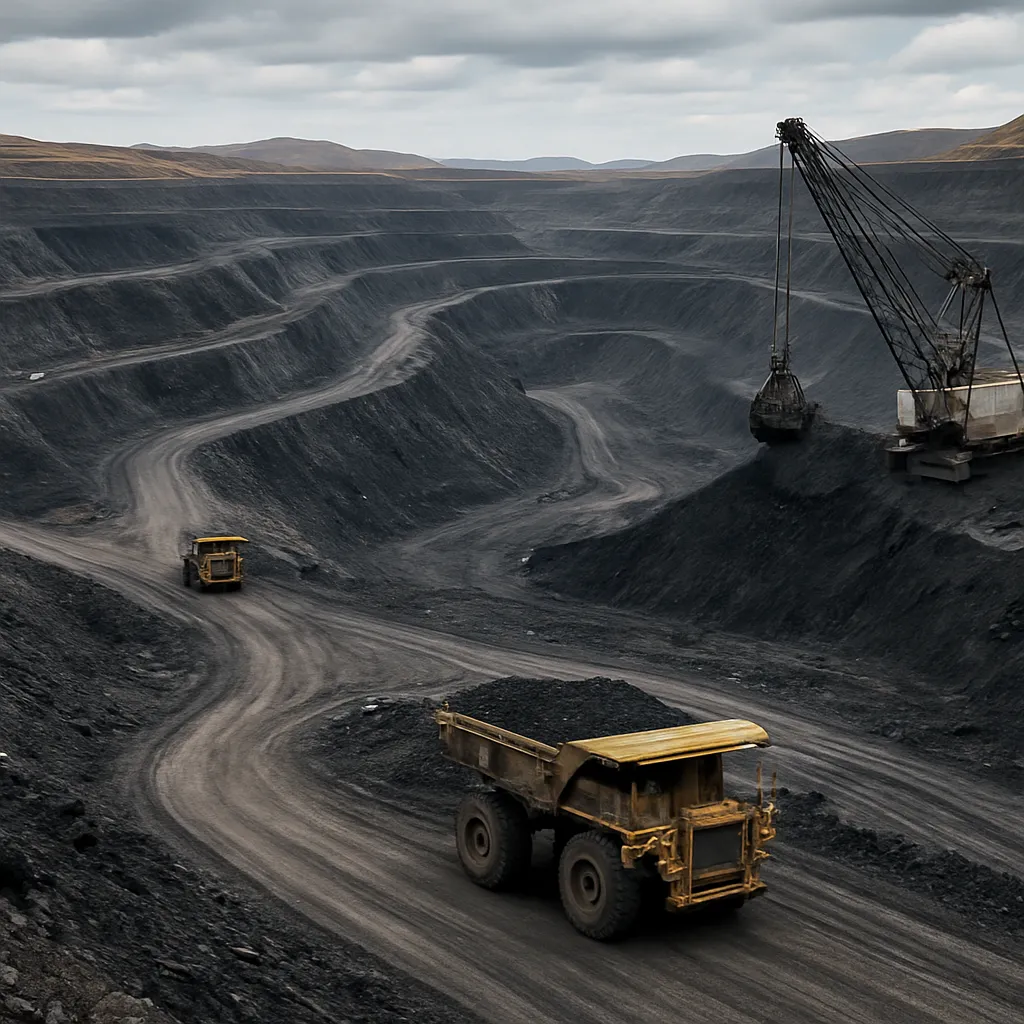
This article examines the Khoot Coal Mine in the context of Mongolia’s broader coal industry. Publicly available, mine-specific information for “Khoot” is limited in international databases and major industry reports as of mid-2024. Where direct data about Khoot are not publicly verifiable, this article places the site within Mongolia’s known coal-bearing provinces, describes typical geological settings and coal types found in the country, and summarizes economic, infrastructure, statistical and environmental aspects relevant to any Mongolian coal operation. The goal is to provide a comprehensive, factual and contextual picture that can help readers understand the likely characteristics and significance of the Khoot Coal Mine within Mongolia’s coal sector.
Location, Ownership and Known Data Availability
The precise publicly documented location and ownership details for a mine named Khoot (alternative transliterations might include Khuut, Khot, Khootyn, or similar) are not widely available in international mining registers, government open-data portals, or major industry reports up to June 2024. Mongolia’s coal resources are concentrated in several major basins—the Gobi (south), South Gobi (Tavan Tolgoi, Nariin Sukhait/Ovoot), and the central-north basins (Baganuur, Shivee-Ovoo and others)—and many smaller deposits are spread across the country’s vast territory.
If Khoot is a local or regionally operated deposit, it is likely administratively associated with one of Mongolia’s aimags (provinces) that host coal activity (for example, Umnugovi, Govisumber, Dornod, Bulgan, or Khovd). Absence of clear international listings can indicate a small-to-medium sized operation, a project in early exploration or development, or a mine operated by a domestic company without extensive export activity. For specific, up-to-date ownership, tenement and production figures, national mining cadastre services or Mongolian Minerals Yearbooks would be the primary sources.
Geological Setting and Coal Types Typical for Mongolia
Mongolia’s coal deposits formed in a range of geological settings from Permian to Tertiary age sedimentary basins. The country hosts both thermal and metallurgical (coking) coal types, and the quality ranges from sub-bituminous to high-volatile bituminous and semibituminous coals. The specific coal type at any given mine depends on local stratigraphy, depth of burial and the degree of coalification.
Common Coal Seams and Basin Characteristics
- South Gobi (Tavan Tolgoi and surrounding deposits): Known for large seams of high-quality coking coal with relatively low ash and sulfur—these are among Mongolia’s most valuable deposits.
- Northern and central basins (Baganuur, Shivee-Ovoo): Often produce thermal coal used for domestic power and heating, and lower-rank coals for industrial and local needs.
- Smaller deposits: Numerous small to medium deposits exist in various aimags, with mixed coal ranks and variable seam thickness.
If Khoot is within any of these basins, the deposit could contain one or more coal seams with variable thickness and lateral continuity. Typical seam thicknesses in productive Mongolian mines range from a few meters to tens of meters in the largest operations; similarly, depths can vary from near-surface open-pit deposits to deeper seams requiring underground methods.
Mining Methods and Site Development
Mongolia’s coal extraction is dominated by open-pit mining for large, shallow seams, while underground mines are used where seams are deeper or surface disturbance must be limited. For a mine like Khoot (if it follows the common models in Mongolia), the likely scenarios are:
- Open-pit mining: If the deposit is near-surface and has broad lateral continuity. This method uses excavators, trucks, and sometimes conveyor systems for large-scale production.
- Small-scale or artisanal operations: Some smaller Mongolian deposits are exploited by domestic companies using smaller fleets and may supply local markets rather than exports.
- Exploration and phased development: Many projects proceed from exploration drilling to resource estimation (JORC/NI 43-101-style reporting where applicable), pilot mining and eventual commercial development subject to permits, financing and infrastructure.
Common infrastructure components to support production include camps for workers, processing facilities (especially for coking coal where washing and blending improve product quality), railway or road links to export gates, and utilities (electricity and water management).
Coal Quality: What to Expect
Without a specific laboratory report for Khoot, coal quality must be discussed in regional terms. Mongolian coals commonly exhibit:
- Variability from sub-bituminous to bituminous ranks.
- Ash content that may range widely: low-ash coals in premium coking deposits (important for metallurgical use) versus higher-ash coals in some thermal deposits.
- Sulfur levels that are frequently low to moderate—an advantage for exports to jurisdictions with emissions concerns.
- Washability potential—many coking coals undergo washing to reduce ash and increase market value.
For potential investors or buyers, accepted metrics to evaluate include total moisture, ash, volatile matter, fixed carbon, sulfur, calorific value (kcal/kg or MJ/kg), and grindability indices for certain industrial uses. If Khoot aims at export markets, meeting rail and port quality specifications (ash and calorific value thresholds) is essential.
Economic and Statistical Context
While mine-level statistics for Khoot are not publicly conclusive, national and regional data illuminate the context in which Khoot would operate.
Mongolia’s Coal Industry at a Glance
- Production: Mongolia is a significant coal producer. Annual production in recent years has fluctuated but generally ranged in the tens of millions of tonnes per year, primarily driven by exports to neighboring China and domestic demand for power and heat.
- Exports: A large fraction of Mongolian coal output is exported, with >90% of export volumes historically destined for China. Export volumes and values are sensitive to Chinese demand, transport availability and bilateral logistics.
- Reserves: Mongolia’s best known reserve is Tavan Tolgoi, frequently cited as holding several billion tonnes of coal (commonly quoted figures around 6.4 billion tonnes in certain blocks), making it one of the world’s largest unexploited coking coal fields. Other deposits add hundreds of millions of tonnes to national totals.
- Contribution to economy: Coal has been one of Mongolia’s leading export commodities and a core pillar of mining-driven GDP growth. Coal revenues support fiscal budgets, foreign exchange reserves, and in many regions, local employment.
Exact figures vary year-to-year; for authoritative, current statistics consult Mongolia’s National Statistics Office, the Ministry of Mining and Heavy Industry, and international energy agencies. These organizations publish production, export and price data that reflect market and policy shifts, such as Chinese import controls, global coal price cycles, and domestic infrastructure constraints.
Infrastructure, Transport and Export Logistics
A mine’s value in Mongolia depends critically on its access to transport infrastructure. Key logistical elements include:
- Rail network: Rail is the most cost-effective method for bulk coal transport to export gates. Major coal mines often invest substantially in rail links or rely on state and private rail corridors.
- Border crossings: Gashuun Sukhait and Shivee Khuren are among the principal crossings for coal exports into China. Capacity at border points can create bottlenecks and influence rail scheduling and contractual deliveries.
- Road transport: For smaller or domestic-oriented mines, truck haulage to local power plants or regional collection points is common, though costs and road conditions can be limiting.
- Processing and port access: Wash plants and blending facilities increase product value and exportability. Although Mongolia is landlocked, integration with Chinese rail and port systems enables access to global markets via Chinese ports where appropriate.
For Khoot to be export-competitive, its proximity to rail or economically feasible road links and access to border crossing quotas would be determinative. In many cases, mines without direct rail access either invest in dedicated connections or enter partnerships with logistics providers.
Economic Significance and Local Impacts
Coal mining in Mongolia brings both macroeconomic benefits and local-level impacts. Typical economic roles and issues include:
- Revenue generation: Taxes, royalties and export revenues from coal support national budgets. Large projects can significantly affect public finances during high-price cycles.
- Employment: Mines create direct jobs (operations, maintenance, administration) and indirect employment through services, transport, and construction.
- Regional development: Investment in infrastructure (roads, power, water) associated with mining can benefit local communities, though benefits vary depending on governance and community engagement.
- Economic vulnerability: Overreliance on a single commodity exposes the economy to price volatility. Diversification and value-added processing (e.g., coal-to-chemicals or domestic steel production using coking coal) are policy considerations.
If Khoot is a material local employer, its role could be significant for its immediate aimag, providing fiscal transfers and livelihoods but also possibly producing social stressors if not properly managed (e.g., migration, pressure on services).
Environmental and Social Considerations
Coal mining carries environmental footprints that require mitigation and regulation. Key concerns applicable to Khoot and similar operations include:
- Land disturbance and biodiversity: Open pits and associated infrastructure can fragment habitats and change land use.
- Water use and quality: Coal washing, dust suppression and camp needs increase freshwater demand in an often water-scarce environment; discharge must be managed to avoid contamination of surface and groundwater.
- Air quality and dust: Mining, haulage, and processing generate particulate emissions with health and nuisance impacts; dust control measures are crucial.
- Rehabilitation and closure planning: Modern permitting typically requires progressive rehabilitation and financial assurances for post-closure restoration.
- Community relations: Engagement with local herders, towns and indigenous groups is essential to manage land use conflicts, compensation and local benefits.
Mongolia has developed environmental regulation frameworks for mining, but enforcement and compliance vary. International financing and partnerships increasingly require rigorous environmental and social governance (ESG) standards which influence project design and operations.
Strategic Importance and Market Dynamics
The strategic weight of any Mongolian coal mine—including Khoot—derives from several market and geopolitical factors:
- Chinese demand: Mainland China’s energy and steel sectors drive much of Mongolia’s coal market. Shifts in Chinese policy (toward domestic supply, environmental constraints or import quotas) strongly influence export volumes and prices.
- Commodity price cycles: Global coal prices, while disconnected from thermal coal’s local logistics-driven markets, determine revenue prospects when sales reach international markets.
- Infrastructure access: Limited and costly rail capacity can throttle exports. Strategic investments in rail and border capacity therefore alter competitive dynamics among mines.
- Value addition: Mines that supply coking coal for steel production command premiums over thermal coal. Investments in washing and blending facilities improve marketability.
For a potential buyer or investor in Khoot, understanding these dynamics—especially the dependence on China and the constraints of transport—is critical to realistic valuations and risk appraisal.
Statistical Notes and Data Limitations
Because mine-specific datasets for smaller or less-publicized operations are not always accessible internationally, a few practical points about statistics:
- National vs. mine-level data: Mongolia’s official statistics report production and exports at national and major-mine levels; smaller operations may appear aggregated or in regional totals.
- Data lag and revision: Production, reserve assessments, and economic contributions are periodically revised after audits, geological work, or as ownership changes.
- Verification: For Khoot-specific numbers—reserves, annual production, coal quality reports, employees—consult primary sources: company releases (if operated by a listed firm), Mongolian government mining cadastre, or licensed geological surveys.
As of 2024, publicly available data confirm Mongolia’s role as a multi-million-tonne coal exporter, with flagship projects like Tavan Tolgoi dominating headlines. Smaller mines complement national output and often supply local industry and power. For the Khoot deposit, a definitive statistical profile requires access to local technical reports, exploration results, and production declarations.
Future Prospects, Opportunities and Risks
Outlook for Mongolian coal operations, and by extension any operation such as Khoot, depends on several evolving factors:
- Chinese energy transition: China’s gradual shift to cleaner energy and efforts to secure domestic supply chains can reduce import reliance or change the types of coal demanded.
- Infrastructure projects: New rail links, or expanded border handling capacity, could unlock value by reducing logistics costs and enabling higher export volumes.
- Market diversification: Developing alternative markets (regional or value-added processing within Mongolia) can hedge dependence on a single buyer.
- ESG pressures: Lenders and investors increasingly require strong environmental and social plans, which can increase upfront costs but also improve long-term viability and community acceptance.
For Khoot to thrive, strategies likely include optimizing coal quality (washing, blending), securing reliable transport contracts, demonstrating environmental compliance, and engaging host communities constructively.
Conclusion
The Khoot Coal Mine’s public profile is limited in major international sources, making definitive mine-level claims difficult. However, by situating Khoot within Mongolia’s established coal framework—characterized by significant national production, heavy reliance on exports to China, a range of coal qualities (from thermal to coking), and critical infrastructure dependencies—we can infer the main technical, economic and environmental considerations that shape its potential. For precise, actionable statistics (reserves, annual tonnage, ownership, seam characteristics), consult Mongolian government mining registries, local company reports, and technical exploration documents. Meanwhile, the broader trends—rail bottlenecks, Chinese market dynamics, and increasing ESG expectations—will determine the operational and commercial fate of Khoot and similar Mongolian coal sites.