The growth of coal as an energy source reshaped the very bones of emerging urban centers, driving a wave of architectural and infrastructural innovations. Exploring the rise of coal, the management of its stock, and the related dynamics that molded the built environment reveals an era of profound transformation. From factory chimneys punctuating skylines to sprawling storage yards beside rail lines, each element tells a story of resource-fueled ambition.
Origins of Coal and Early Urban Development
Formation and Discovery
Long before human hands mined the earth, geological forces compressed ancient biomass into layers of carbon-rich strata. These deposits, later dubbed coal, lay buried beneath sediment until industrial pioneers recognized their latent potential. In Britain and parts of continental Europe, early surveys mapped seams that would define regional fortunes. As towns sprang up near abundant seams, a new pattern emerged: settlements grew hand in hand with the extraction sites.
Early Uses in Urban Settings
Initial applications of coal centered on heating hearths and fueling rudimentary boilers. Small furnaces in workshops gave way to robust steam engines, which powered mills and drove water pumps. Close proximity to stockpiles became a critical factor, influencing where factories and residential quarters would locate themselves. As demand soared, local authorities began crafting zoning guidelines—often informal—to buffer living areas from the choking soot of nearby furnaces.
Coal-Driven Architectural Innovations
Factory Design and Chimneys
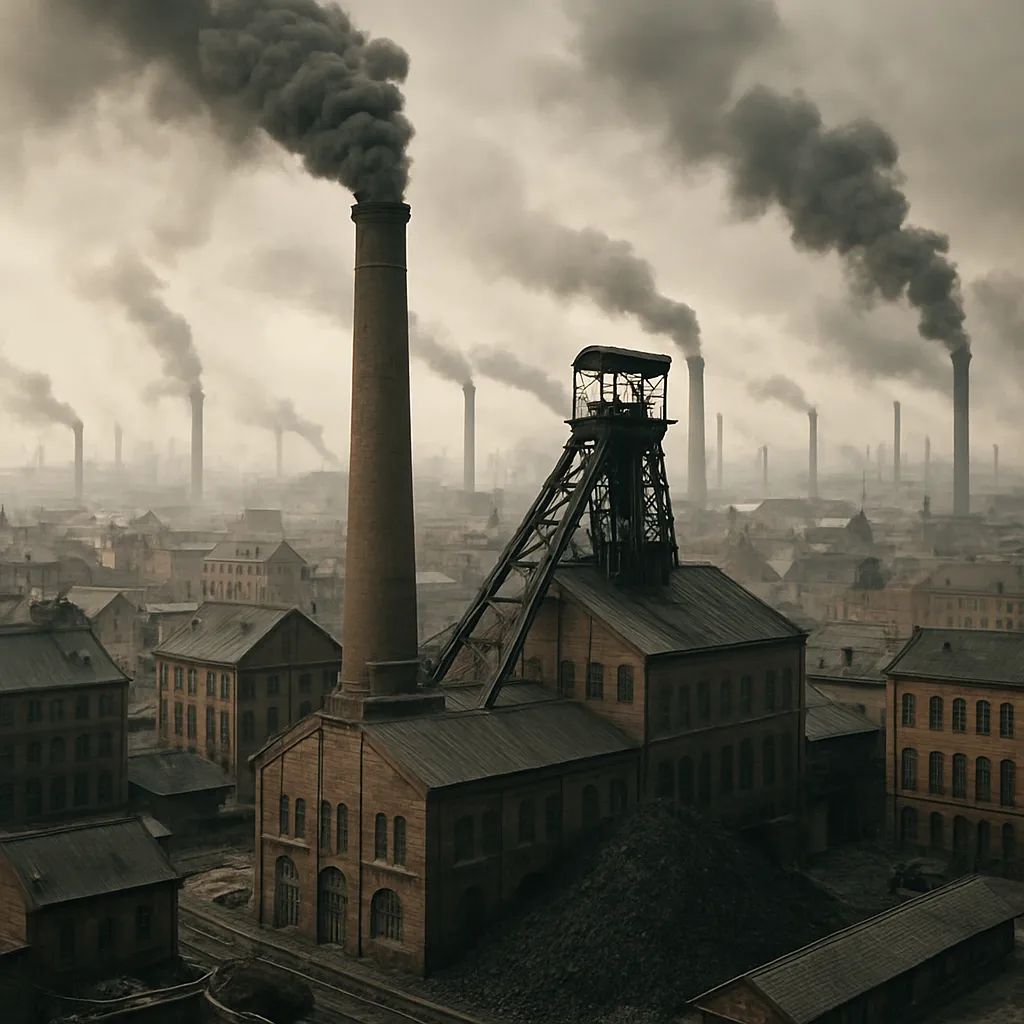
The iconic silhouette of the nineteenth-century factory bristled with towering chimneys, each serving as a testament to the building’s reliance on continuous coal combustion. Architects and engineers collaborated to develop chimney designs that improved draft efficiency and dispersed pollutants at higher altitudes. Massive brickwork stacks often stood at the corners of industrial blocks, anchoring multi-story production halls configured for assembly-line operations. These structures introduced open-floor plans, reinforced iron beams, and expansive windows for natural light—all elements intertwined with coal’s role as a primary heat and power source.
Housing for Workers
To sustain the expanding workforce, entrepreneurs and local councils invested in rows of terraced houses or barrack-style dormitories near mines and factories. Uniform facades of red brick, steep roofs, and shared alleyways became the archetype of the coal-dependent district. Narrow streets and compact lots minimized travel for laborers carrying coal sacks by hand or via horse-drawn carts. Over time, some residential schemes incorporated basic amenities—communal washhouses, allotment gardens, and single-room schools—reflecting a modest concern for worker welfare amidst intense industrial productivity.
Coal Stock and Supply Chains
Rail Networks and Terminals
The rise of steam locomotives accelerated the transportation of coal from mines to urban centers. Intricate railway grids crisscrossed landscapes, terminating in vast stations dedicated to unloading and sorting wagons. Engineers designed coal yards adjacent to main lines, where mechanical tipplers and apron conveyors moved tons of mineral around the clock. These terminals became hubs of activity, with cranes lifting enormous loads into storage bunkers and freight sheds. Their strategic placement near rivers or canals further expanded distribution options, forging a multimodal supply network.
Stockyards and Storage
Managing an ever-fluctuating stock of fuel demanded ingenious storage solutions. Open-air heaps, lined with stone walls or wooden bunds, provided cost-effective reserves but risked spontaneous combustion and weather damage. Covered tipples—simple wooden shelters with slatted floors—offered protection and ventilation. In larger cities, underground bunkers carved into hillside quarries eliminated temperature extremes but proved costly. The choice of storage architecture balanced economic considerations with concerns about fire safety and coal quality preservation.
Impact on Public Spaces and Infrastructure
Water and Steam Systems
Beyond powering factories, coal-fired boilers generated steam for municipal waterworks and heating networks. Pumping stations, often housed in architecturally ornate buildings of stone and brick, became landmarks. Their exterior motifs ranged from neoclassical columns to gothic arches, reflecting civic pride in harnessing industrial energy for public benefit. Steam mains ran beneath streets, feeding radiator systems in schools, hospitals, and government offices. This networked approach to heat distribution presaged modern district heating schemes.
Bridges and Railroads
Railroad expansions spotlighted advances in engineering materials, such as wrought iron and early steel, which were themselves produced in coal-fired blast furnaces. Bridges spanning rivers and valleys showcased lattice girders and riveted plates—designs optimized for the heavy loads of coal trains. Architecturally, these structures symbolized connectivity and industrial might. Stations, too, adopted grand roof trusses and glazed canopies, blending functional requirements with aesthetic ambition. The interdependence of rail infrastructure and coal production thus left an indelible mark on the urban vernacular.
Economic and Social Dimensions
Labour and Demographics
The coal economy attracted waves of migrants seeking stable wages, swelling urban populations and prompting rapid tenement construction. Entire neighborhoods took on the character of the miner’s homeland, as communities from Wales, eastern Europe, and beyond clustered around specific collieries. Churches, pubs, and social halls rose accordingly, often built with brick from local kilns fired by coal. These institutions served not only religious and recreational functions but also hosted unions that negotiated working conditions and wage rates, influencing how new housing and facilities were financed.
Wealth Distribution
Profits from coal operations financed civic projects: libraries, art galleries, and public parks in many cities. Mayors and industrial barons endowed cultural venues, sometimes commissioning grand Victorian or Edwardian edifices. This patronage reflected a complex interplay between private capital and public interest, where the very wealth extracted from the earth funded landmarks that would endure into the modern era. The disparity between opulent civic halls and neighboring slag heaps underscored tensions in resource-driven urban development.
Legacy and Contemporary Perspectives
Revitalization of Coal Districts
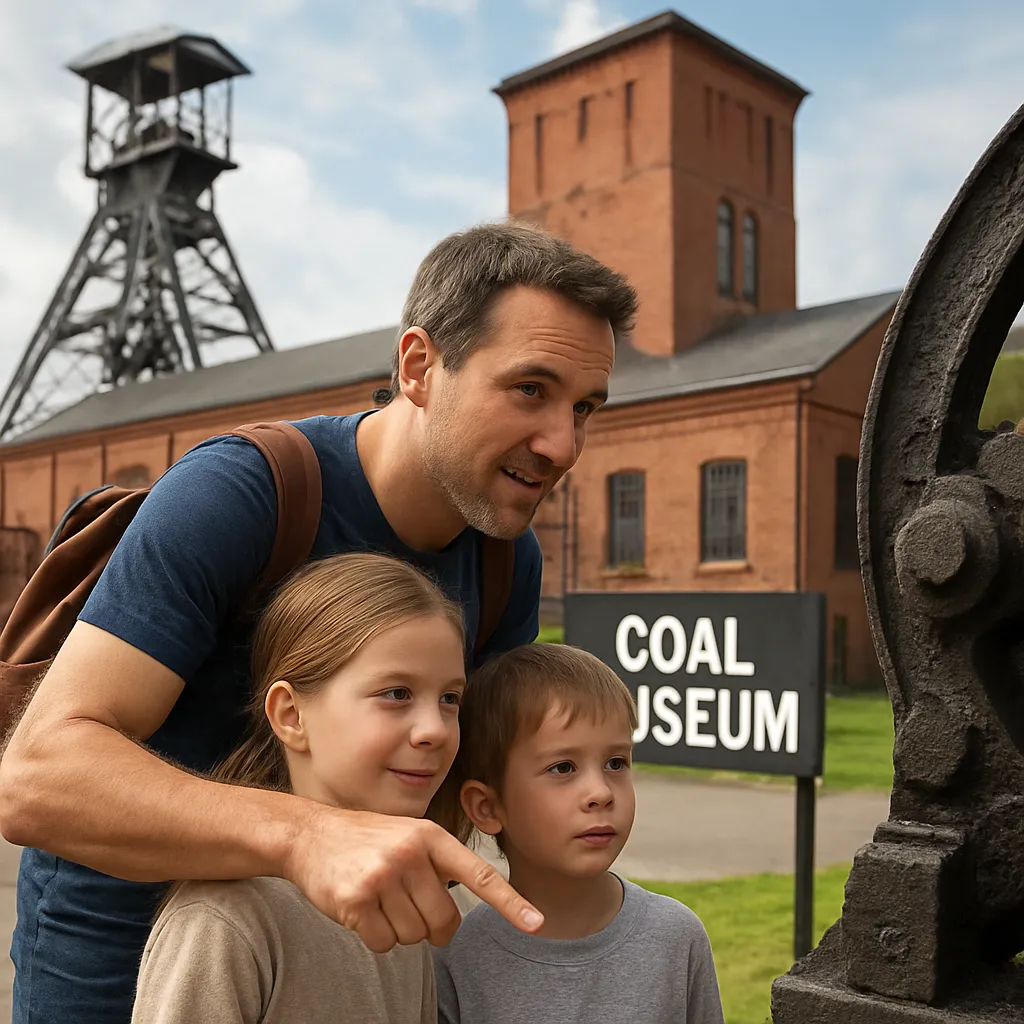
As fossil fuels give way to cleaner alternatives, many former coal zones have undergone adaptive reuse. Abandoned tip yards transform into waterfront promenades; former factory halls become art studios or tech incubators. These projects often preserve distinctive architectural features—the sawtooth roofs, exposed ironwork, and towering chimneys—as infrastructure relics that connect modern visitors to their industrial past. Urban planners champion mixed-use developments that balance residential, commercial, and cultural programming, ensuring that historic form meets contemporary function.
Sustainability and Adaptive Reuse
In repurposing coal-related structures, sustainability principles guide restoration efforts. Thermal insulation retrofits reduce energy consumption in brick buildings, while solar panels and geothermal systems supplant obsolete boilers. Landscape architects reclaim spoil heaps as green belts, planting native species to stabilize soil and create urban wildlife corridors. This holistic approach honors the legacy of coal while advancing a vision of sustainability for future generations, demonstrating that the architectural heritage of the fossil fuel era can be a foundation for greener urbanism.