The saga of coal stretches back millions of years, yet its pivotal role in the 19th century reshaped landscapes, societies, and the very fabric of industrial progress. As the world hurtled into the Industrial Revolution, vast seams of carbon-rich material were extracted with unprecedented scale and intensity. While this epoch unlocked extraordinary growth, it also sowed the seeds of profound environmental change. This article examines the multifaceted legacy of 19th-century coal extraction, explores the evolution of coal stock assessments, and highlights efforts to mitigate the long-standing impacts on our planet.
Early Beginnings of Coal Extraction
The drive to harness subterranean energy sources began centuries before mechanized mining equipment emerged. Small-scale shafts and surface workings provided local communities with heating fuel and metal smelting capacity. By the early 1800s, technological breakthroughs such as the steam engine and iron steam pumps revolutionized deep shaft operations, enabling miners to reach previously inaccessible beds. The integration of rudimentary rail networks facilitated the mass distribution of coal from remote regions to burgeoning industrial towns.
Types of Coal Mined in the 19th Century
- Anthracite: High carbon content, prized for its intense heat output and low smoke.
- Bituminous: Widespread across Europe and North America, suitable for steam boilers and ironworks.
- Lignite: Lower energy density, often burned locally due to high moisture content.
- Cannel coal: Rich in volatile compounds, ideal for early gas production and domestic lighting.
Methods and Labor Conditions
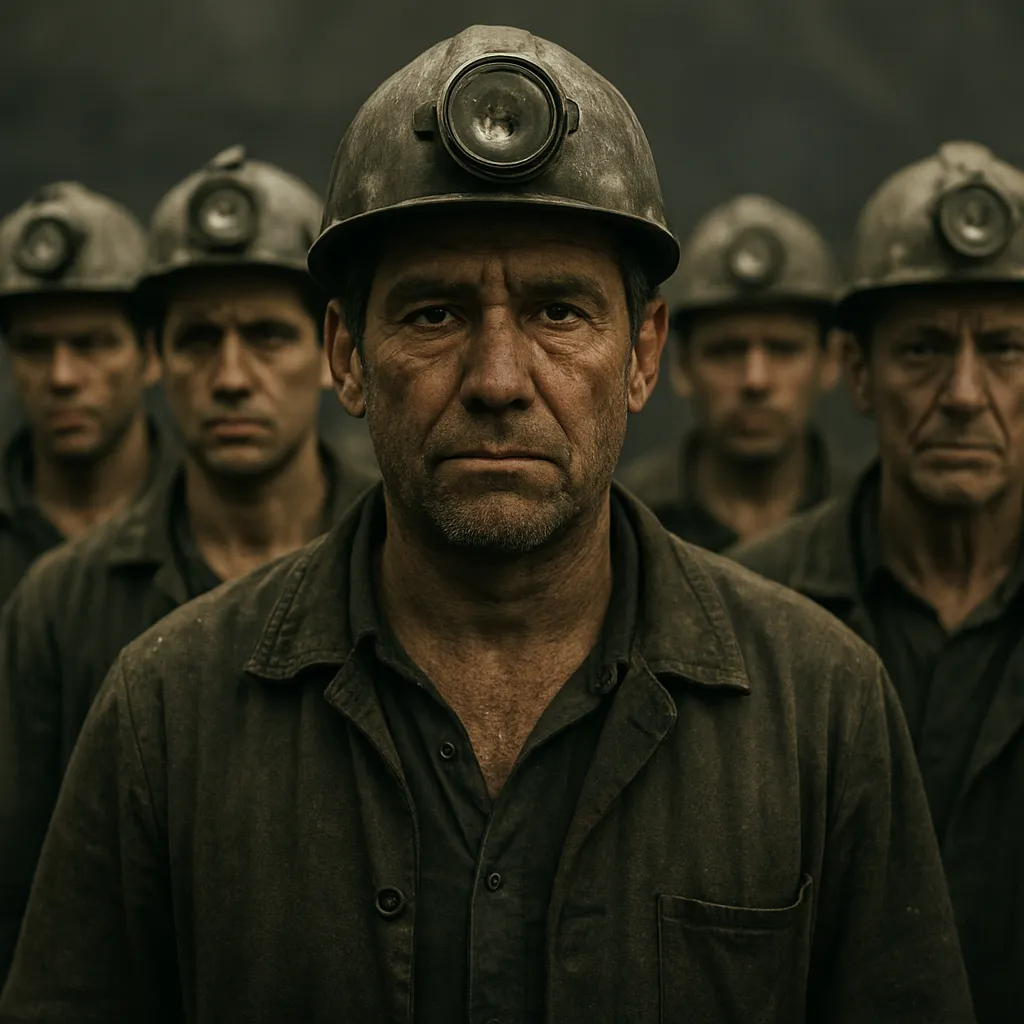
Early operations relied on hand tools and animal-driven winches. As demand grew, the introduction of wire rope, mechanized drills, and ventilation systems increased productivity but also introduced new hazards. Child labor and long working hours were commonplace. Illumination came from oil lamps or carbide lights, frequently causing dangerous gas explosions. The weight of extracted material and unstable supports led to frequent collapses, underscoring limited concerns for worker safety or long-term environmental stability.
Environmental Consequences of Historic Mining
The extraction and consumption of coal during the 19th century generated a spectrum of ecological challenges. From altered topography to contaminated waterways, the legacy continues to shape natural communities and human health.
Land Degradation and Acid Mine Drainage
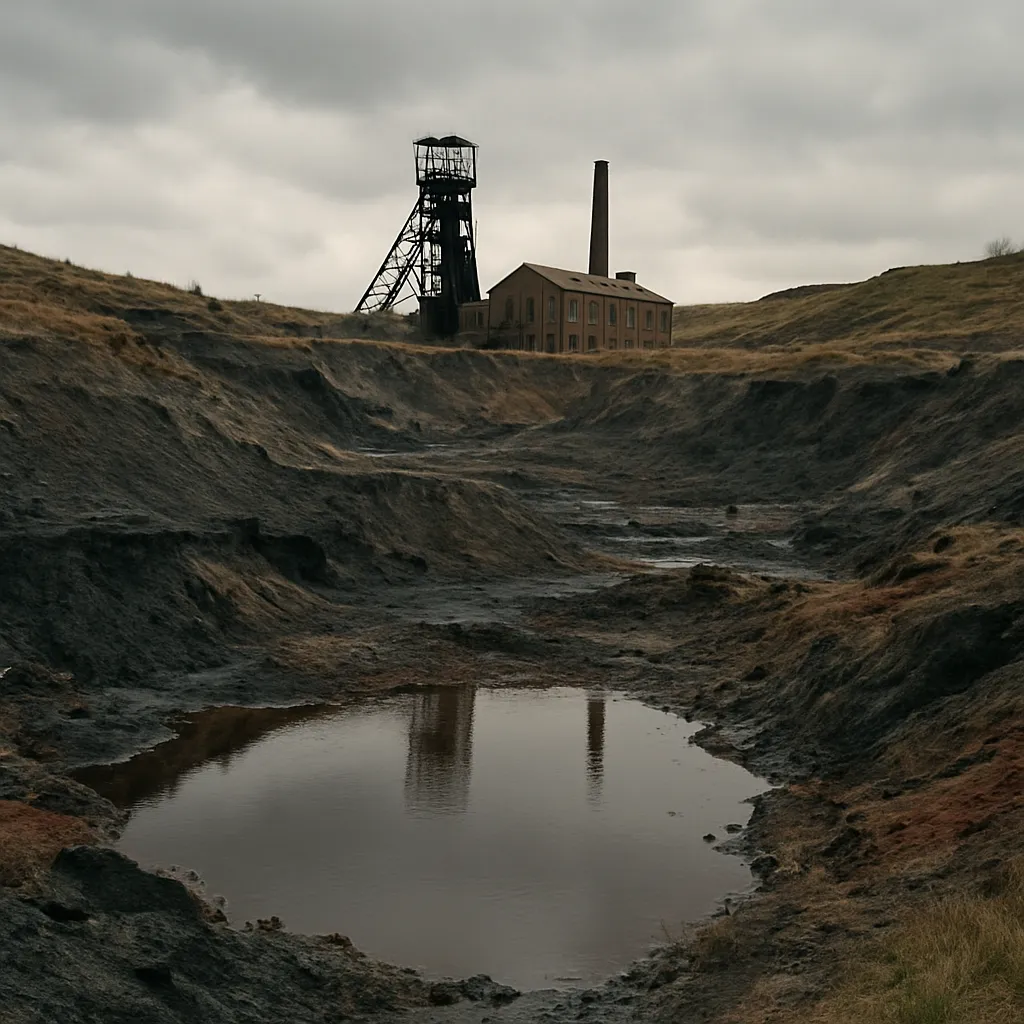
Abandoned pits and spoil heaps left behind unstable landscapes prone to erosion. When exposed to air and water, sulfide minerals within waste rock oxidize, producing acidic runoff known as acid mine drainage (AMD). This effluent, rich in heavy metals such as iron, lead, and arsenic, infiltrated streams and wetlands, decimating ecosystems and rendering aquatic habitats inhospitable for native species.
Air Pollution and Health Impacts
Burning coal in steam engines and domestic furnaces emitted vast quantities of particulate matter and noxious gases. Black soot blanketed urban centers, reducing air quality and fueling respiratory diseases. Sulfur dioxide from high-sulfur coal aggravated asthma and bronchitis, while coal gas production introduced toxic by-products into the environment. Contemporary accounts detail “pea-soup” fogs enveloping industrial cities, offering a stark testament to unchecked pollution.
Evolution of Coal Stock and Reserves
As the scale of extraction accelerated, the concept of evaluating remaining reserves became crucial for economic planning and geopolitical strategy. Early geologists and engineers undertook surveys, mapping coalfields and estimating recoverable quantities. These assessments guided investment decisions, influenced railway construction, and shaped colonial expansion where coal resources were abundant.
Global Distribution of Coal Reserves
By the late 19th century, major coal belts were identified across Europe, North America, Russia, China, and Australia. The economic potency of these deposits drove international commerce and fueled naval fleets powered by coal-fired steam turbines. Nations with extensive coal endowments enjoyed a strategic advantage, leveraging energy security to underpin industrialization and military readiness.
Economic and Strategic Importance
Markets for coal expanded from local consumption to complex supply chains connecting mines, ports, and industrial centers. The commodity’s value soared, prompting corporate consolidation and the rise of powerful mining syndicates. Coal stock inventories became a measure of national wealth, influencing stock exchanges and government policies. The intense demand also encouraged the search for new methods to mine deeper seams and improve recovery rates, foreshadowing modern technology-driven resource extraction.
Remediation Efforts and Future Perspectives
Over the past century, recognition of coal’s environmental toll has spurred numerous initiatives aimed at restoring degraded lands and protecting water quality. Today’s reclamation strategies blend engineering solutions with ecological principles to rehabilitate former mining areas.
Reclamation and Restoration Techniques
Key steps in land reclamation include reshaping spoil piles to stable slopes, capping acid-generating materials with inert soils, and installing water treatment systems to neutralize AMD. Revegetation using native species helps reestablish ecological balance, stabilizes soils, and promotes wildlife return. Innovative approaches such as constructed wetlands and bioreactors harness natural processes to treat contaminated water more sustainably.
Transition to Sustainability and New Energy Models
While historical coal stock remains a testament to industrial might, the modern imperative shifts toward low-carbon futures. Advances in renewable energy, carbon capture, and storage (CCS) technologies offer pathways to diminish reliance on fossil fuels. Policy frameworks increasingly incentivize emissions reductions, propelling efforts to repurpose old mining sites for solar farms, wind turbines, or ecological reserves.
Reflecting on the environmental legacy of 19th-century coal heritage reveals a complex tapestry of innovation, exploitation, and renewal. By understanding past impacts and embracing forward-looking strategies, societies can strive toward a balance between resource use and the preservation of our planet’s health.