Throughout the ages, coal has stood as a pivotal resource shaping economies, landscapes, and even artistic expression. From fueling the earliest steam locomotives to inspiring gritty portrayals in silent documentaries, this abundant mineral has left an indelible mark on human history. Its physical presence in massive stockpiles and its symbolic weight in cultural memory reveal a complex interplay between industry, environment, and visual storytelling. The following exploration delves into the multifaceted world of coal, examining its **industrial revolution** roots, the logistics of **coal stock** management, its environmental and economic repercussions, and its remarkable role in early cinema and documentary films.
Historical Significance of Coal
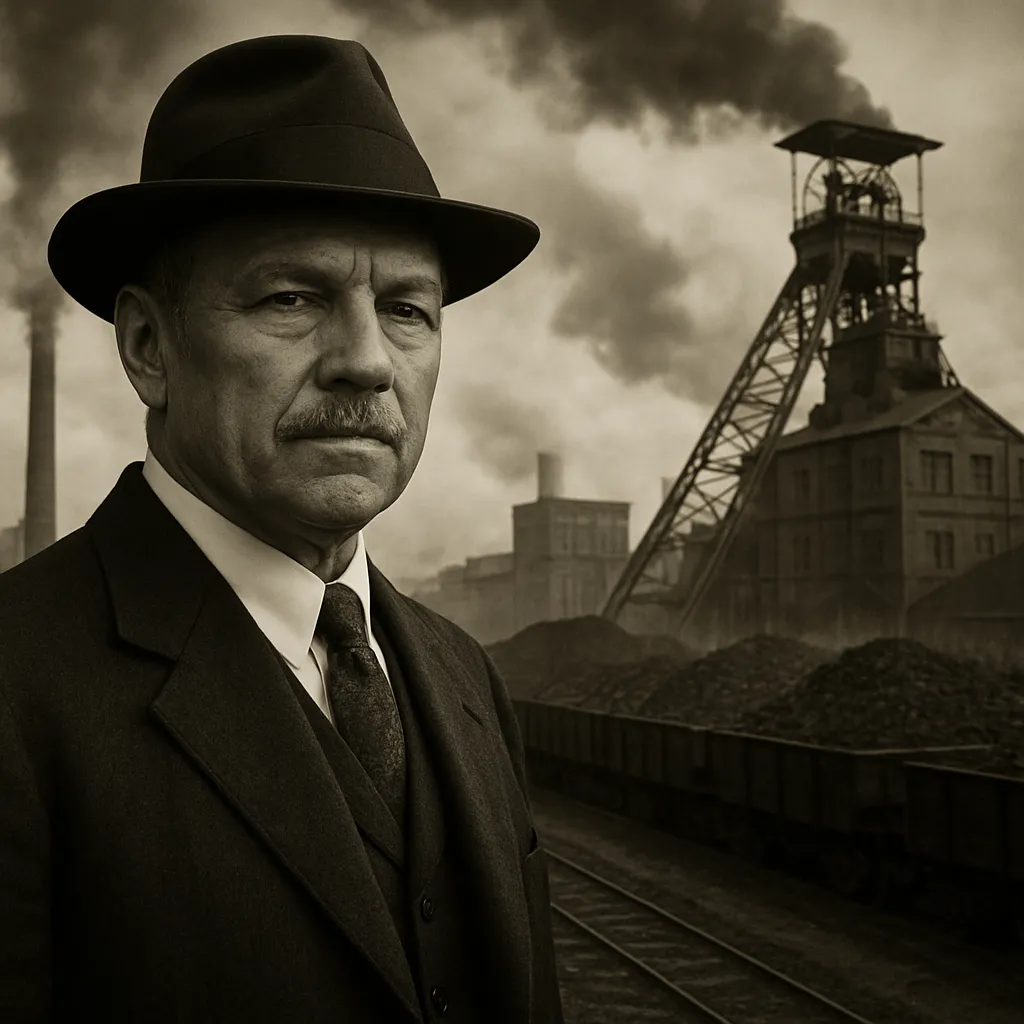
The emergence of coal as a primary energy source heralded dramatic shifts across societies. Before electricity grids, furnaces powered by steam engines depended almost exclusively on coal to generate heat and motion. Entire towns sprang up around mining sites, their fortunes tied directly to the ebb and flow of global demand. This era saw the rise of the modern factory system, a **powerhouse** of production that relied on a constant flow of black gold.
Miners descended into deep seams, wielding picks and shovels to extract seams of anthracite or bituminous coal. Over time, mechanized drills and conveyor belts increased output, reducing labor but amplifying environmental disruption. Railroads and canals grew in tandem with mining operations, knitting together a vast network of transport that carried tonnes of coal to ports, mills, and powerhouses. Such connectivity underpinned the acceleration of urbanization, as cities expanded to house workers and factories.
By the late nineteenth century, nations like Britain, Germany, and the United States vied for dominance in coal production. Control over coal deposits equated to military might, propelling industrialized states into competition for colonies rich in mineral wealth. This strategic importance cemented coal’s status as a geopolitical commodity, one whose extraction and stockpiling shaped border disputes and economic alliances.
Coal Stock and Supply Chain Logistics
Stockpile Management
Maintaining an adequate coal stock reserves is critical for industries that demand uninterrupted energy. Utilities, steel mills, and cement plants typically adhere to stringent inventory protocols to avoid costly shutdowns. These protocols include:
- Routine quality assessments to measure calorific value and ash content
- Strategic blending of different coal grades to optimize combustion efficiency
- Weather-protected storage yards that prevent spontaneous combustion
- Digital tracking systems for real-time monitoring of bulk volumes
Effective stockpile management goes beyond simple accumulation. Operators must consider supply chain disruptions—from labor strikes at ports to mechanical failures in unloading systems—and maintain buffer stocks accordingly. This logistical choreography ensures that end-users experience minimal volatility in fuel costs and energy output.
Transportation and Distribution
The journey of coal from mine to market involves multiple stages of handling, each presenting unique challenges. Rail cars, barges, and oceangoing vessels transport millions of tonnes yearly, navigating bottlenecks at choke points such as narrow gauge lines or shallow river channels. In many regions, outdated infrastructure struggles to keep pace with rising demand, prompting investments in high-capacity terminals and export facilities.
As global trade intensifies, **energy security** emerges as a key consideration. Nations with limited domestic reserves must negotiate long-term import contracts to stabilize prices and ensure continuity of supply. Conversely, exporters leverage their resource advantage to secure favorable trade terms, influencing diplomatic relations and regional economic development.
Environmental and Economic Impacts of Coal Use
While coal has driven industrial progress, it has also unleashed profound environmental consequences. Combustion of this carbon-rich fuel generates significant volumes of greenhouse gases, contributing to climate change and air quality degradation. The deposition of sulfur and nitrogen compounds leads to acid rain, harming aquatic life and eroding historical monuments.
Modern regulations impose pollution control measures such as flue-gas desulfurization, electrostatic precipitators, and carbon capture technologies. These innovations aim to mitigate harmful emissions, but they also raise production costs and complicate the economic calculus for utilities. Some regions offer carbon credits or subsidies to ease the transition toward cleaner alternatives, while others double down on coal to protect jobs in mining communities.
The global shift toward renewable energy sources has introduced a competitive dynamic that challenges coal’s continued dominance. Solar, wind, and hydroelectric power benefit from declining technology costs and favorable policy incentives. Nonetheless, many developing economies still rely on coal to meet swelling electricity demands, balancing short-term growth objectives with long-term sustainability goals.
Coal in Visual Culture: From Early Cinema to Documentary
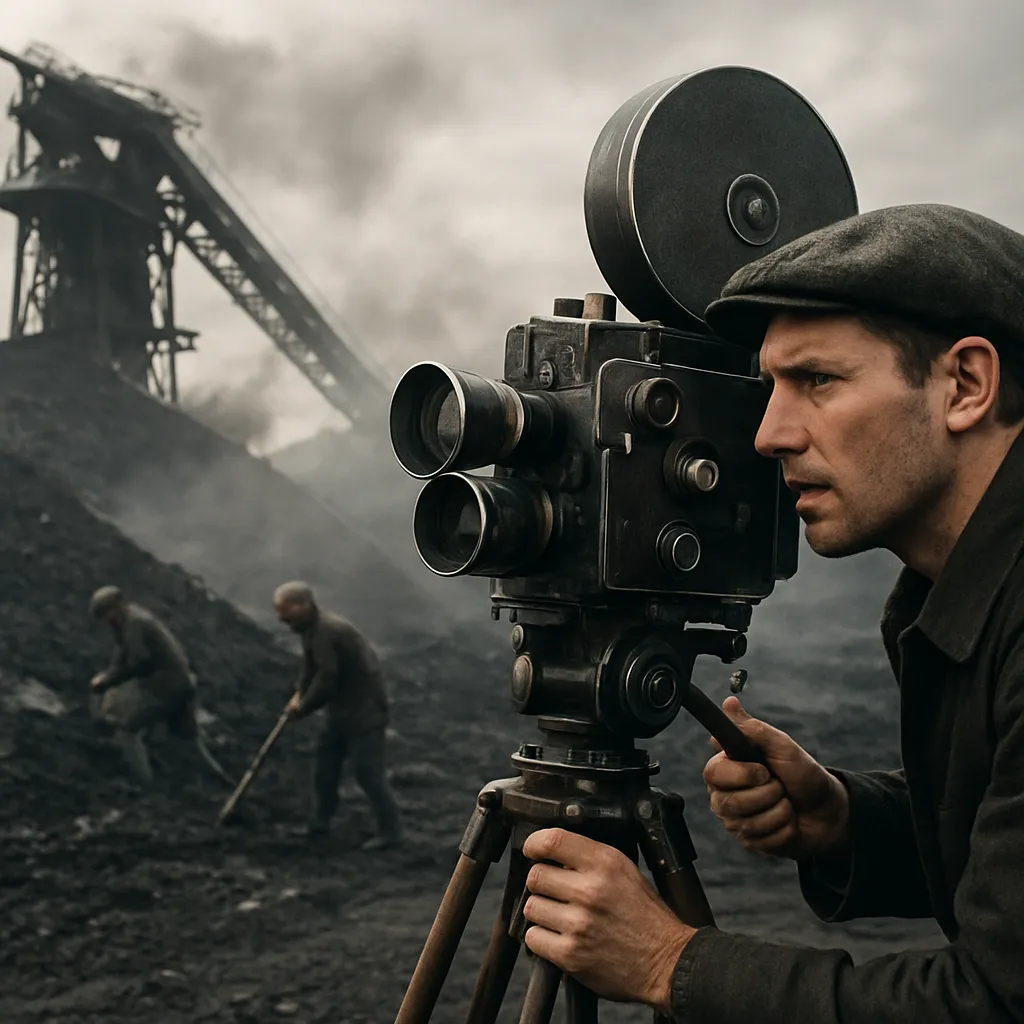
The stark landscapes of coalfields and the lives of miners captivated pioneering filmmakers who sought to capture the realities of industrial labor. Early silent films often featured train sequences billowing clouds of smoke, dramatizing the raw energy unleashed by **coal mining**. These scenes were more than spectacle; they documented the interdependence between machine and worker, spotlighting the physical toll exacted by relentless extraction.
In the 1930s, the emergence of the direct cinema and documentary movements brought coal mining into sharper cultural focus. Filmmakers employed handheld cameras and natural lighting to achieve a sense of **narrative** immediacy. Voices of miners, captured in situ, gave audiences unprecedented access to personal testimonies that underscored both the dangers and the solidarity of underground work.
Techniques and Themes
Cinematographers experimented with extreme close-ups of coal dust and machinery gears, symbolizing the mechanical heartbeat of modern society. Juxtaposing dark tunnels with the midday sun above ground created a visual metaphor for miners’ dual existence—enshrouded in shadows yet striving under the promise of industrial progress. Documentary directors often framed these visuals with poetic commentary, inviting viewers to reflect on the human costs behind every kilowatt-hour.
As television and educational films gained popularity, coal-related documentaries served dual purposes: they educated the public about energy production and functioned as persuasive tools advocating for safety reforms. The inclusion of dramatic rescue sequences and interviews with union leaders spurred policy discussions, influencing mine safety legislation and workers’ rights initiatives.
Today, archives of early coal films provide invaluable insights into the social history of industrialization. Restoration projects seek to preserve these fragile reels, allowing historians and artists alike to explore themes of **industrial heritage**, labor identity, and the evolving relationship between energy and culture. These preserved images continue to inform contemporary debates on sustainable resource management and the legacy of fossil fuels.
Innovation and Future Outlook
Despite its controversies, coal remains integral to certain industrial processes—particularly in steelmaking, where it functions as both a **carbon** source and reducing agent. Researchers are exploring advanced techniques such as coal gasification and carbon capture utilization to reduce the environmental footprint of these applications. Pilot plants test integrated systems that convert coal into cleaner synthetic fuels, offering potential pathways toward decarbonized industry.
Meanwhile, some companies repurpose retired mining sites for renewable installations, turning former spoil heaps into solar farms or wind parks. Such ventures symbolically transform landscapes once defined by extraction into sites of regeneration. Through this lens, coal’s legacy extends beyond mere consumption; it encompasses a narrative of adaptation, resilience, and the continuous search for equilibrium between human aspiration and planetary limits.