Since the dawn of mechanized craft and factory floors, coal has served as a cornerstone of industrial art and manufacture. Its high calorific value unlocked unprecedented levels of energy production, fueling a wave of innovation that reshaped societies and economies. From the soot-blackened chimneys of nineteenth-century foundries to modern power stations, this sedimentary rock has driven the evolution of machinery, transportation, and the very aesthetics of industrial design. Exploring its origins, management, and impact reveals how a humble mineral deposit became the beating heart of large-scale production and transformation across the globe.
Early Beginnings and the Rise of Coal
The utilization of coal can be traced back millennia, yet its ascent in shaping industry occurred during the seventeenth and eighteenth centuries. Before coal’s dominance, societies depended on charcoal and wood, which limited furnace temperatures and scalability. The discovery that coal could generate more intense heat sparked a series of breakthroughs:
- Enhanced blast furnaces allowed ironmakers to reach unprecedented temperatures.
- Steam engines powered by coal established the first reliable mechanical drive.
- Expansion of railroads and steamships revolutionized transport networks.
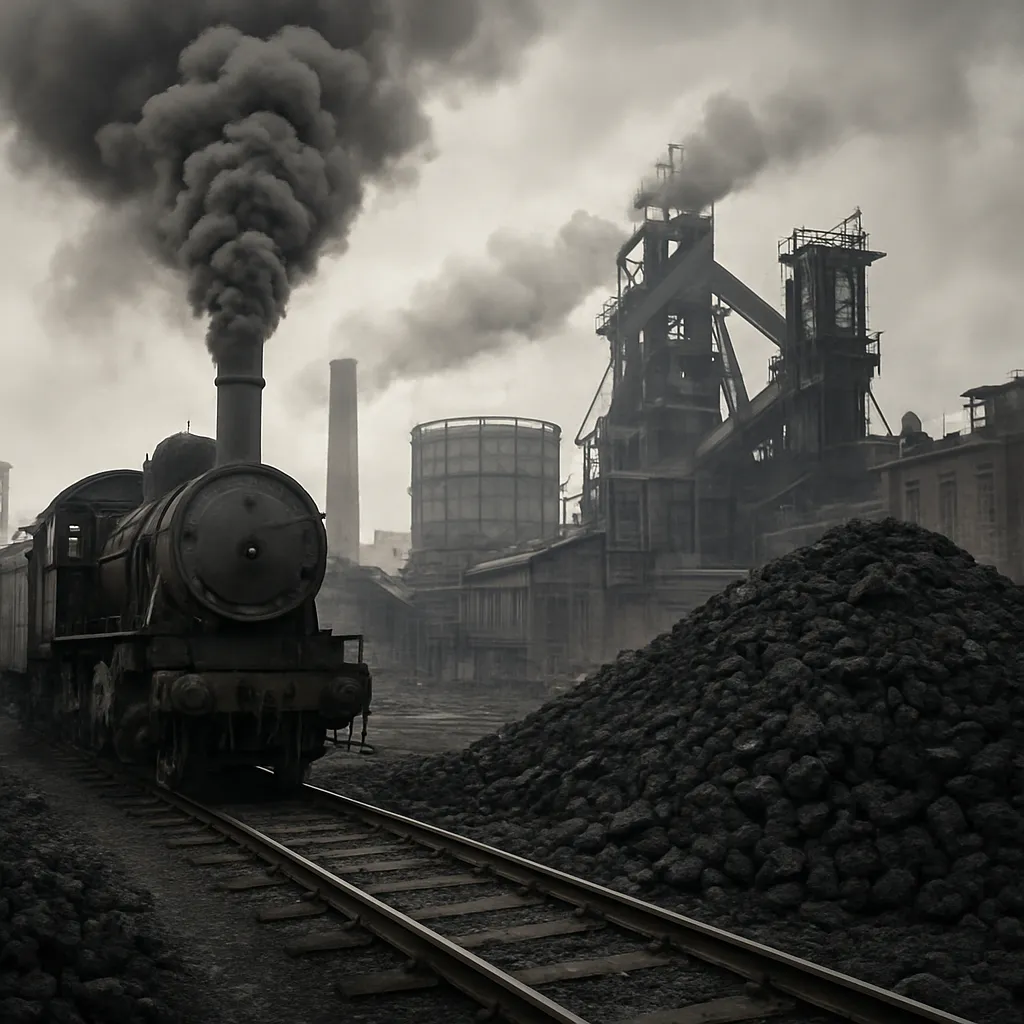
This era marked a dramatic shift: workshops once confined to artisanal scale transformed into sprawling factories. The ability to control combustion in a coal-fired furnace gave birth to heavy industries—textiles, metallurgy, and shipbuilding—where mass production replaced handcrafted techniques. The emerging aesthetic of bolts, girders, and smokestacks became synonymous with progress, embedding industrial art within urban panoramas.
Coal Stock and Resource Management
Maintaining a reliable coal stock required intricate supply chains and strategic planning. As demand soared, mine owners and governments developed logistical frameworks to balance extraction with long-term viability. Key considerations included:
- Geological surveys to map carbon seam distributions and estimate reserves.
- Transportation arteries, such as canals, railways, and rivers, to deliver bulk shipments.
- Warehouse and depot systems to store varied grades of coal for specific applications.
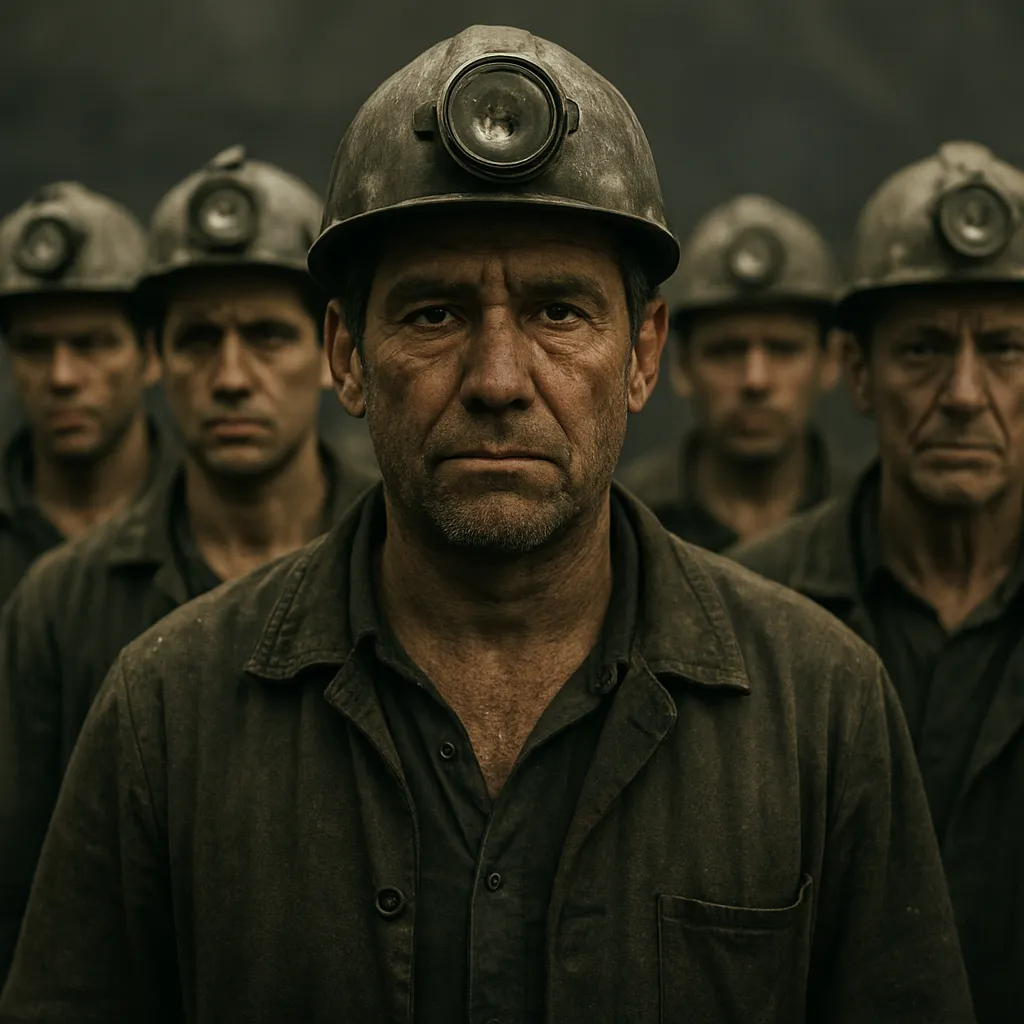
- Labor organization and safety measures to ensure continuous operation in deep mines.
By integrating resource management principles with mechanical innovations—like conveyor belts and mechanical cutters—operators increased output while mitigating waste. The concept of a national “coal stock” influenced wartime strategies and economic policies, cementing this resource’s role as a strategic asset. Governments introduced coal tariffs and subsidies to stabilize pricing, reflecting the mineral’s geopolitical importance in powering modern nations.
Coal and the Machinery of Industry
The partnership between coal and machinery catalyzed the development of complex apparatuses that defined the Industrial Revolution. At the heart of many factories stood the steam engine, converting thermal energy from burning coal into mechanical motion. James Watt’s enhancements—such as separate condensers—boosted efficiency and reduced costs, enabling widespread adoption.
Key Machine Types
- Pump engines for draining water from deep mines.
- Power looms in textile mills, multiplying fabric output.
- Rolling mills forging steel beams and rails for infrastructure.
Each invention relied on an unbroken supply of coal to maintain steam pressure. Engineers refined boiler designs and furnace grates to maximize heat transfer and minimize emissions of unburned particulates. This synergy between resource and machinery not only increased factory throughput but also inspired new forms of industrial art: ornate cast-iron columns, decorative ventilators, and emblematic logos cast into metal beams signified a marriage of function and visual appeal.
Coal’s Influence on Industrial Art and Aesthetics
Beyond its practical role, coal left an indelible mark on the aesthetics of the industrial age. Architects and designers began to celebrate raw materials and structural honesty, leading to a distinctive style characterized by exposed ironwork, rivets, and large windows. This visual language honored the power source itself—dark, crystalline, and foundational to the era’s energy narrative.
Landmarks such as Victorian train stations showcased grand iron arches and vaulted roofs, while factory façades displayed brick patterns reminiscent of coal seams. Interior spaces often featured tiled walls and cast-iron columns, providing both durability and an industrial chic that inspired later movements like Art Deco and Brutalism. Artists and illustrators captured this gritty elegance in prints and paintings, further romanticizing the union of industry and art.
Technological Innovations Powered by Coal
The relentless pursuit of higher temperatures and greater power led to continuous innovation. Metallurgists developed processes like the Bessemer converter, which used coal-derived coke to strip impurities from iron, producing stronger steel. This advancement underpinned skyscrapers, bridges, and naval vessels. Key milestones included:
- Introduction of coke—a refined coal product—for blast furnace smelting.
- High-pressure boilers elevating steam engine performance.
- Chemical industries synthesizing dyes, fertilizers, and pharmaceuticals from coal byproducts.
These breakthroughs not only bolstered production capacity but also inspired instrumentation—precision lathes, steam hammers, and pneumatic drills. Designers of machines often incorporated decorative castings, blending technical prowess with artistic flair. The result was a rich catalog of mechanical wonders that embodied the spirit of industrial art.
Environmental Challenges and Transformation
As the twentieth century progressed, the environmental footprint of coal became increasingly apparent. Air pollution, acid rain, and landscape degradation prompted engineers and policymakers to seek cleaner solutions. Retrofitting industrial sites with scrubbers, electrostatic precipitators, and more efficient boilers mitigated some damaging effects.
At the same time, research into alternative energy sources—natural gas, hydroelectricity, and eventually renewables—began to challenge coal’s monopoly. Yet coal’s legacy endures, inspiring modern designers who repurpose abandoned mines into cultural centers, galleries, and eco-parks. The narrative of transformation continues as the world explores sustainable practices, carbon capture technologies, and circular economy models, ensuring that the spirit of sustainability reshapes how we view this once-dominant resource.